Water damage is one of the most persistent and costly issues homeowners face. Leaks, flooding, and moisture buildup can lead to structural problems, mold growth, and expensive repairs. For those who have experienced these problems more than once, finding effective ways to stop them from happening again is essential. This guide covers practical strategies, tools, and maintenance tips to help you minimize the risk of repeated water-related incidents in your home.
Whether you live in a flood-prone area or have dealt with plumbing leaks in the past, understanding the root causes and taking proactive steps can make a significant difference. From improving drainage to using smart leak detectors, there are proven methods to safeguard your property and avoid the frustration of recurring water issues.
For those interested in other home care and maintenance topics, you might also find value in learning how to sanitize a cast iron press for your kitchen tools.
Common Causes of Persistent Water Problems
To effectively stop repeated water damage, it’s important to identify why it keeps happening. Some of the most frequent causes include:
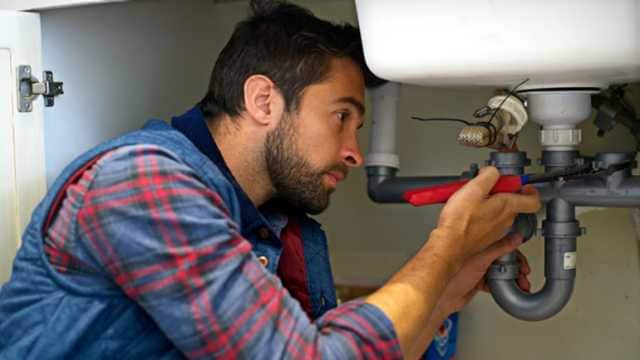
- Plumbing leaks from aging pipes, faulty joints, or worn-out fixtures
- Poor drainage around the foundation, leading to seepage and basement flooding
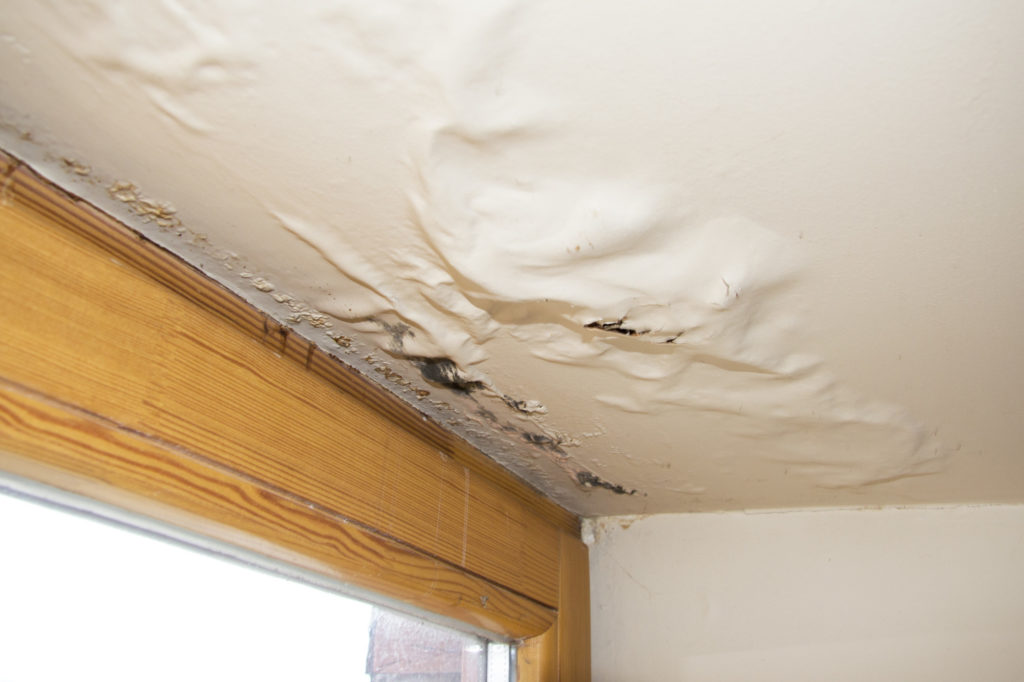
- Roof leaks due to damaged shingles, flashing, or clogged gutters
- Appliance malfunctions such as washing machines, dishwashers, or water heaters
- Blocked or overflowing gutters and downspouts
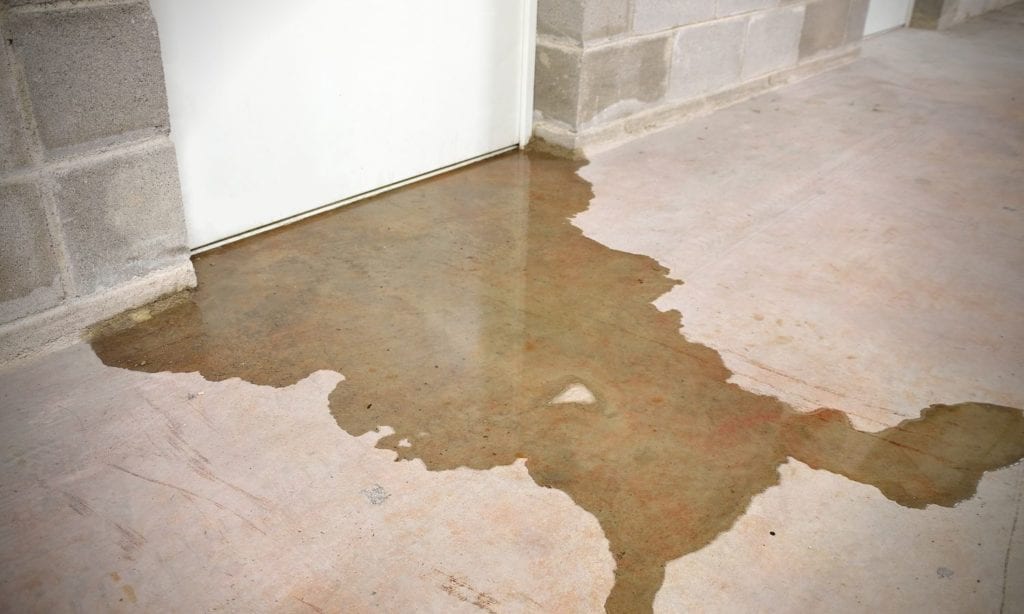
- Cracks in basement walls or floors allowing groundwater to enter
Understanding these triggers is the first step toward breaking the cycle of repeated water issues.
Proactive Maintenance to Avoid Repeat Incidents
Regular upkeep is crucial for minimizing the risk of future water problems. Here are some maintenance tasks that can help:
- Inspect plumbing annually for leaks, corrosion, or loose fittings. Replace old pipes and use quality materials for repairs.
- Clean gutters and downspouts at least twice a year to ensure water flows away from your home.
- Check your roof for missing or damaged shingles, and repair any issues promptly.
- Seal cracks in basement walls and floors with appropriate waterproofing products.
- Test sump pumps regularly, especially before rainy seasons, to ensure they are working properly.
- Maintain landscaping so that soil slopes away from your foundation, preventing pooling water.
Smart Solutions for Ongoing Leak Prevention
Technology now offers homeowners advanced tools to detect and stop leaks before they cause major damage. Installing smart leak detectors and water shutoff valves can provide peace of mind and early warnings.
These devices can be installed near water heaters, under sinks, behind toilets, or in basements. Many models send alerts to your phone if they detect moisture, and some can even shut off your water supply automatically to prevent further damage.
Improving Drainage and Waterproofing
Addressing exterior water management is just as important as fixing indoor leaks. Here’s how to strengthen your home’s defenses:
- Extend downspouts so water is directed at least 6 feet away from the foundation.
- Install French drains or other drainage systems to move water away from vulnerable areas.
- Apply waterproof coatings to basement walls and floors.
- Grade soil around your home to slope away from the structure.
These steps can greatly reduce the risk of water entering your home during heavy rain or snowmelt.
Responding Quickly to Minimize Damage
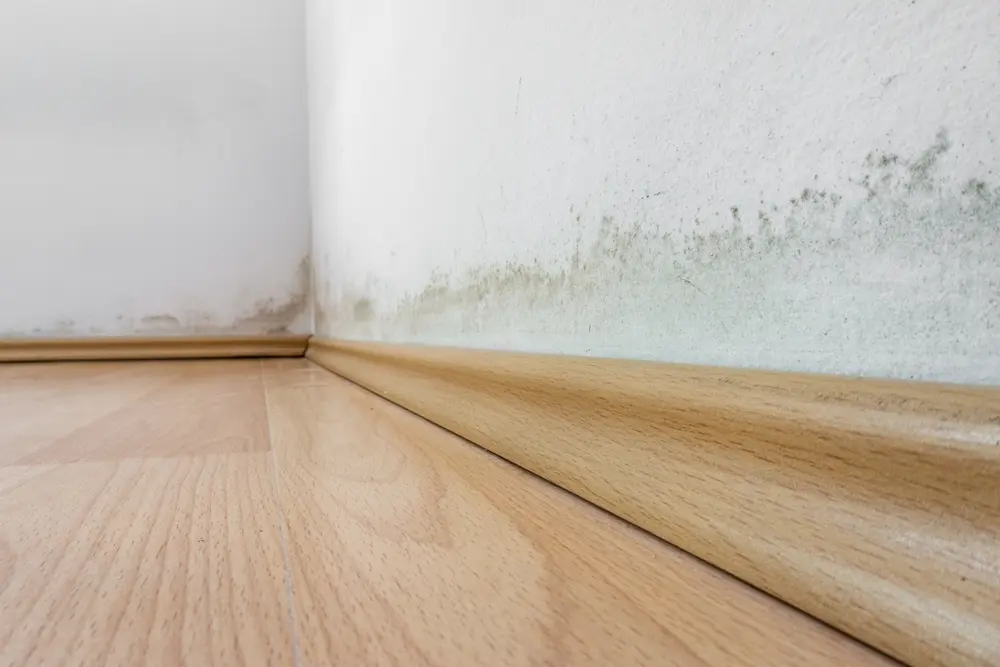
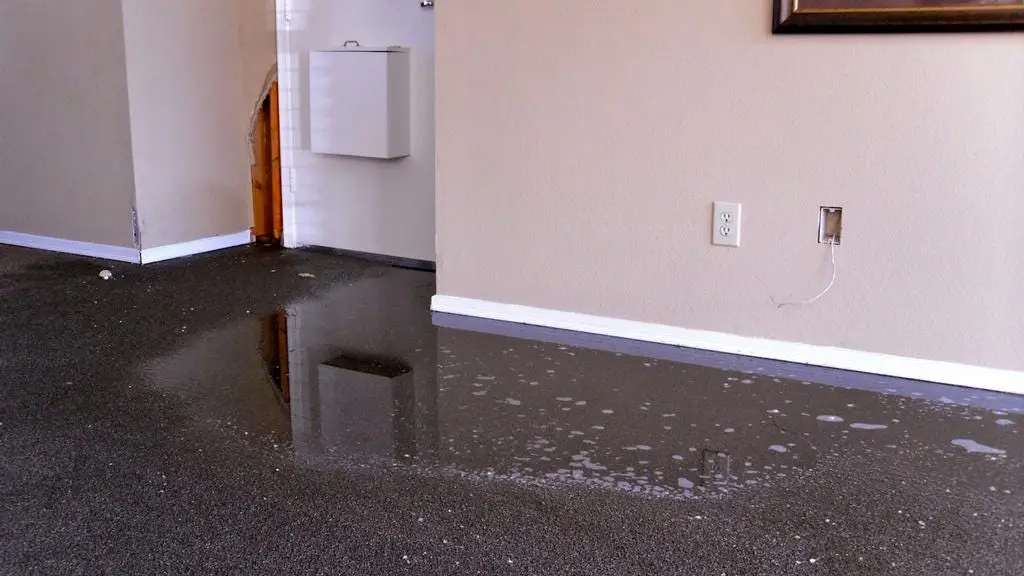
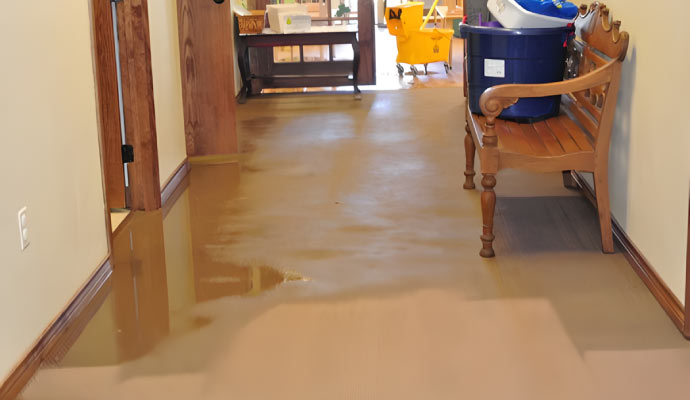
Early detection and rapid response are key to limiting the impact of leaks or floods. If you notice signs of water intrusion—such as damp spots, musty odors, or visible mold—act immediately:
- Shut off the main water supply if you suspect a plumbing leak.
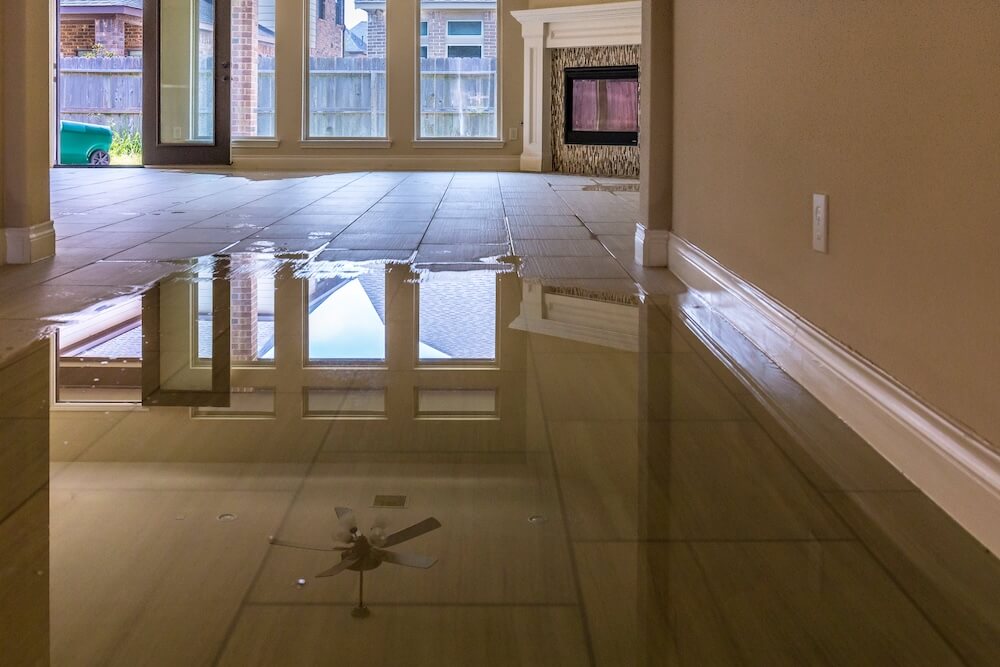
- Remove standing water using pumps, wet vacuums, or towels.
- Dry affected areas with fans and dehumidifiers to prevent mold growth.
- Contact professionals for large-scale cleanup or restoration.
Taking swift action can help you avoid long-term problems and expensive repairs.
Insurance and Professional Help
Even with the best prevention, some situations require expert assistance. Review your homeowner’s insurance policy to ensure it covers water-related incidents. Some policies exclude certain types of water damage, so consider adding extra coverage if you live in a high-risk area.
If you experience repeated leaks or flooding, consult a licensed contractor or water damage specialist. They can assess your property, identify vulnerabilities, and recommend permanent solutions. For more detailed advice, see this comprehensive guide to stopping water damage at home.
Long-Term Strategies for a Dry, Safe Home
Preventing repeated water problems requires a combination of vigilance, smart technology, and regular maintenance. By staying proactive, you can protect your investment and enjoy peace of mind. Consider scheduling annual inspections, investing in leak detection devices, and educating your household about what to do in case of a leak or flood.
For those interested in other home care tips, you may also want to explore how to store corn masa for pressing to keep your kitchen ingredients fresh and ready for use.
Frequently Asked Questions
What are the most effective ways to stop water damage from happening again?
Combining regular maintenance (like checking plumbing and cleaning gutters), installing smart leak detectors, and improving drainage around your home are among the most effective methods. Using waterproofing products and responding quickly to leaks also helps prevent repeated incidents.
How can I tell if my home is at risk for recurring water issues?
Signs include previous leaks or floods, musty odors, visible mold, water stains, and cracks in walls or floors. Homes with poor drainage, old plumbing, or located in flood-prone areas are at higher risk.
Are smart leak detectors worth the investment?
Yes, smart leak detectors can alert you to leaks early and, in some cases, automatically shut off your water supply. This rapid response can prevent extensive damage and costly repairs, making them a valuable addition to your home protection plan.