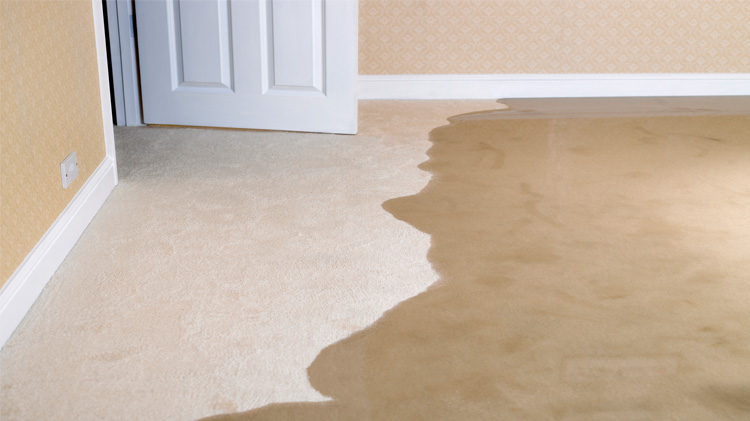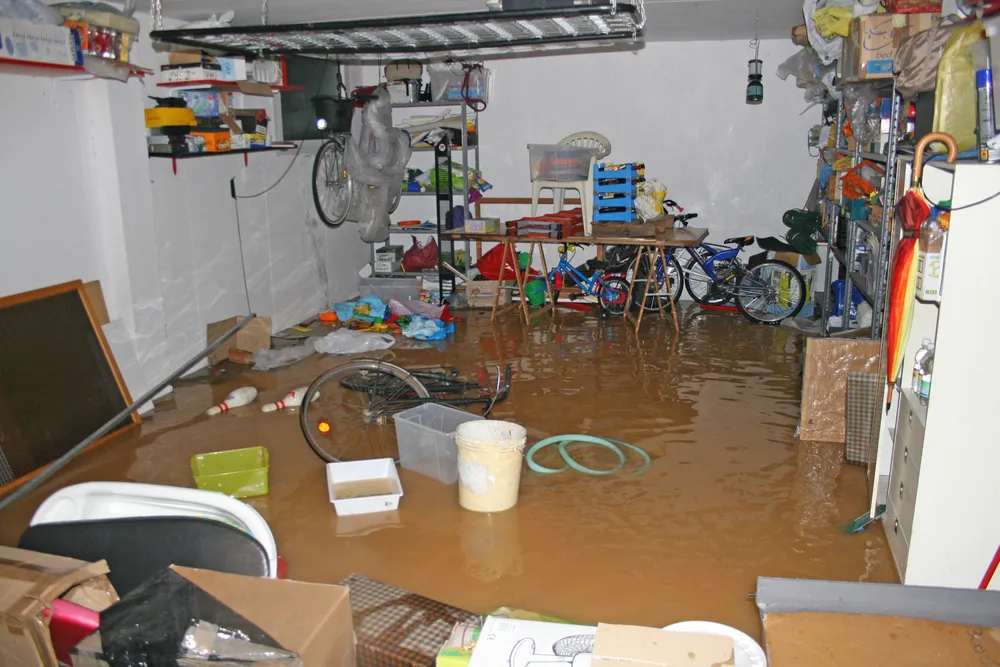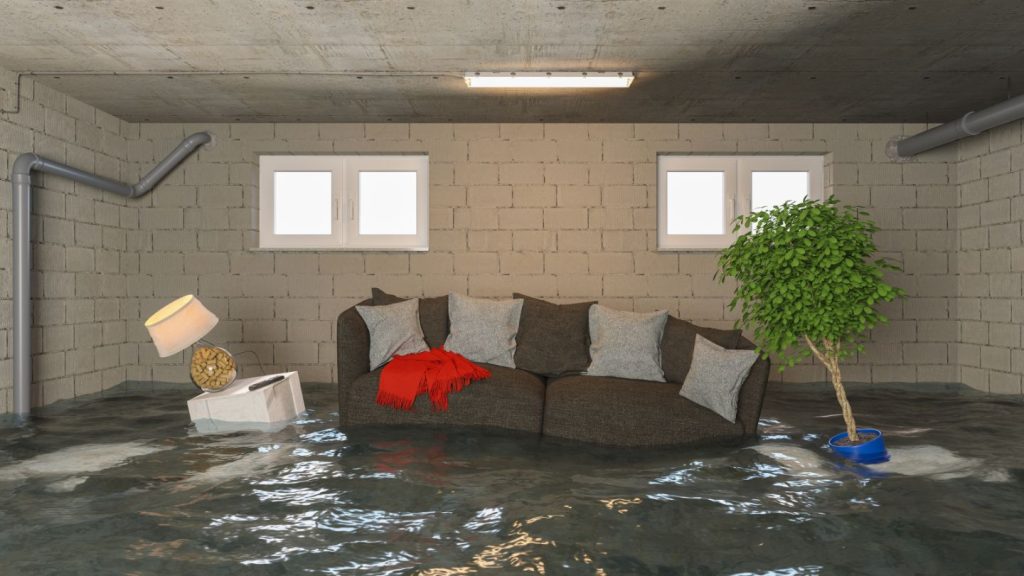
Protecting your home from water intrusion is essential for maintaining its structural integrity and avoiding costly repairs. Roof leaks and the resulting water damage can lead to mold growth, ruined insulation, and even compromised foundations. Understanding the causes of leaks and taking proactive steps can help you safeguard your property and ensure peace of mind during rainy seasons.
This guide covers practical strategies for minimizing the risk of leaks, from routine maintenance to smart upgrades. You’ll also find tips on moisture management and links to related resources, such as maintaining your sump pump for reliable operation in your basement.
Common Causes of Roof Leaks
Before you can effectively prevent roof leaks, it’s important to recognize what typically causes them. Most leaks are the result of aging materials, poor installation, or external damage. Here are some of the most frequent culprits:
- Damaged or Missing Shingles: High winds, hail, or simple wear and tear can dislodge or break shingles, exposing the underlayment to moisture.
- Clogged Gutters: When gutters fill with leaves and debris, water can back up and seep under the roof edge.
- Faulty Flashing: Flashing seals joints and roof penetrations, such as chimneys and vents. If it’s cracked or improperly installed, leaks can develop.
- Poor Attic Ventilation: Without proper airflow, condensation can build up beneath the roof deck, leading to rot and leaks.
- Ice Dams: In colder climates, ice dams can form at the roof edge, forcing melting snow under shingles.
Routine Maintenance to Stop Leaks Before They Start
Consistent upkeep is one of the most effective ways to keep your roof watertight. By following these maintenance steps, you can catch small issues before they become major problems:
- Inspect Your Roof Regularly: At least twice a year, check for cracked, curled, or missing shingles. Pay close attention after severe weather events.
- Clean Gutters and Downspouts: Remove leaves and debris to ensure water flows freely off your roof and away from your foundation.
- Trim Overhanging Branches: Branches can scrape shingles and drop debris, increasing the risk of damage and blockages.
- Check Flashing and Seals: Examine the metal strips around chimneys, vents, and skylights. Reseal or replace as needed to keep water out.
- Look for Signs of Moisture in the Attic: Stains, mold, or a musty smell can indicate a slow leak. Address these issues promptly to prevent further damage.
Smart Upgrades and Leak Prevention Tools
In addition to regular maintenance, consider investing in modern solutions that help detect and prevent leaks. Technology can offer early warnings and added protection for your home.
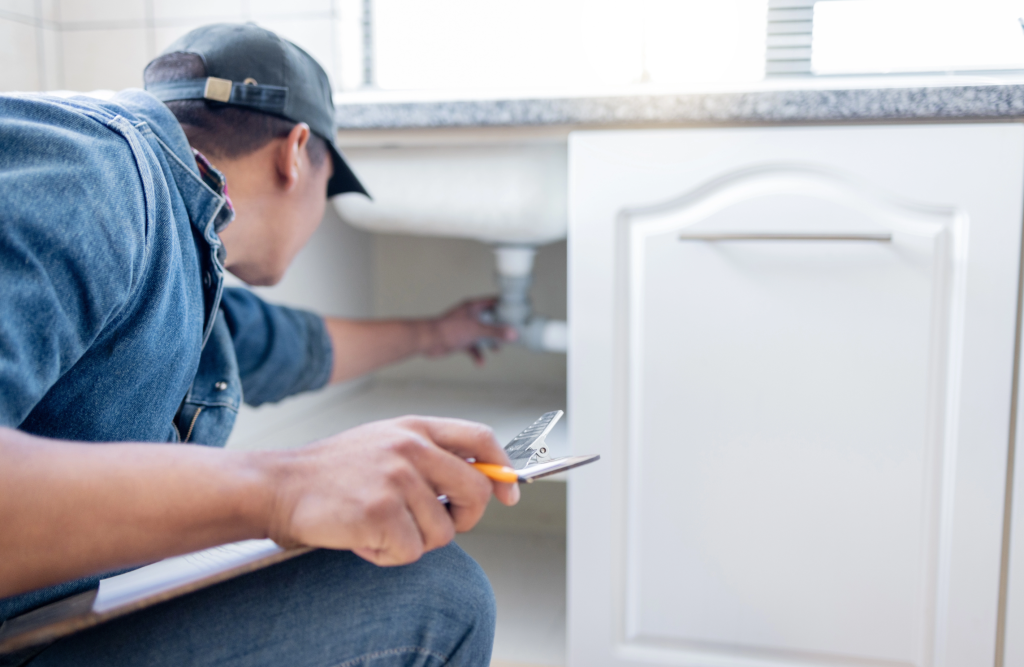
- Install Leak Detectors: Smart sensors can alert you to water where it shouldn’t be, such as in attics or near plumbing fixtures.
- Upgrade to Impact-Resistant Shingles: These materials offer better protection against hail and wind damage.
- Apply Roof Sealant: Sealing vulnerable areas, especially around flashing and vents, can add an extra layer of defense.
- Improve Attic Insulation: Proper insulation and ventilation help prevent ice dams and reduce the risk of condensation-related leaks.
Addressing Water Damage Quickly
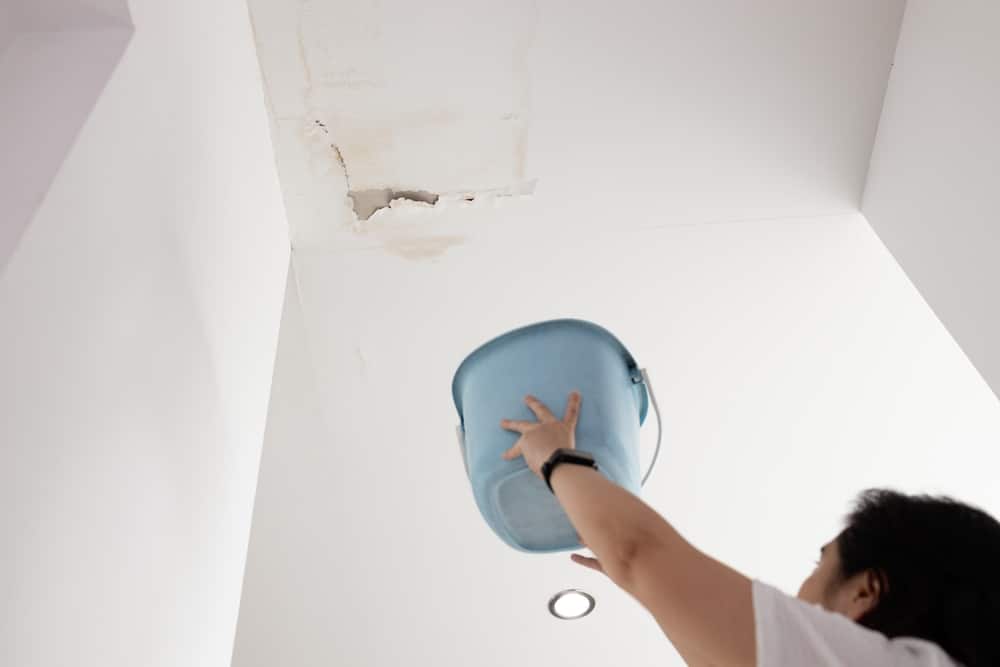
Even with the best precautions, leaks can sometimes occur. Acting fast is key to minimizing damage and avoiding costly repairs. If you notice water stains on ceilings or walls, take these steps:
- Locate the Source: Trace the leak to its origin. Water can travel along rafters and beams before appearing inside your home.
- Contain the Water: Use buckets or towels to catch drips and prevent further spread.
- Dry Out Affected Areas: Use fans and dehumidifiers to remove moisture. Quick drying helps prevent mold growth.
- Repair the Roof: Replace damaged shingles, reseal flashing, or patch holes as soon as possible.
- Consult a Professional: For significant leaks or hidden damage, a roofing expert can provide a thorough assessment and repairs.
Indoor Leak Risks and Additional Moisture Control
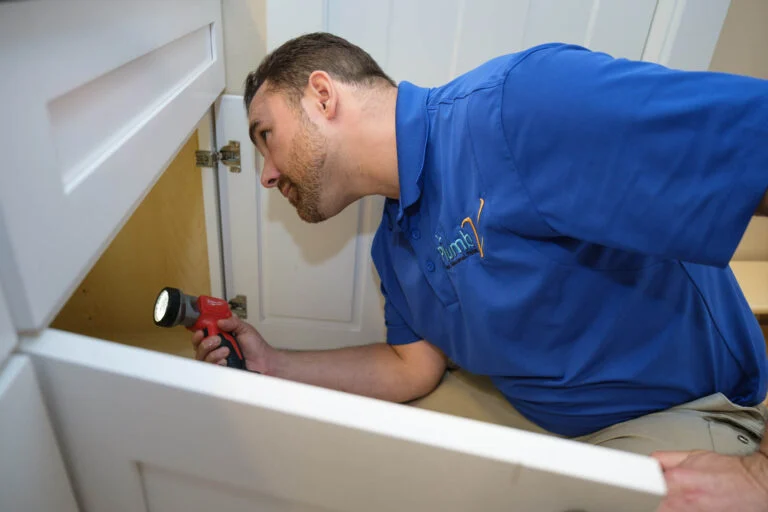
While most leaks originate on the roof, indoor plumbing issues can also contribute to water damage. Regularly check under sinks, around toilets, and in basements for signs of leaks. Consider pairing roof maintenance with other moisture control strategies, such as:
- Using a sump pump to keep basements dry. For more tips, see our article on how to install a sump pump for basement protection.
- Sealing basement walls to keep water out. Learn more about how to seal basement walls for added defense against leaks.
- Managing humidity to avoid mold and secondary damage. Explore our basement humidity control tips for practical advice.
Tips for Protecting Your Home While Away
If you plan to be away from home for an extended period, take extra precautions to avoid returning to unexpected water damage. Shut off the main water supply, inspect your roof and gutters before leaving, and consider installing smart leak detectors that can alert you remotely. For more advice, see these best practices to protect your home while you are away.
Frequently Asked Questions
What are the first signs of a roof leak?
Early indicators include water stains on ceilings or walls, peeling paint, musty odors, and visible dampness in the attic. Catching these signs early can help you address leaks before they cause significant damage.
How often should I inspect my roof to prevent leaks?
It’s recommended to inspect your roof at least twice a year, ideally in the spring and fall. Additional checks after severe storms or high winds are also important to spot new damage.
Can I fix a roof leak myself, or should I call a professional?
Small repairs, such as replacing a few shingles or resealing flashing, can often be handled by homeowners with the right tools and safety precautions. However, for persistent leaks, structural damage, or if you’re unsure of the source, it’s best to consult a roofing professional.