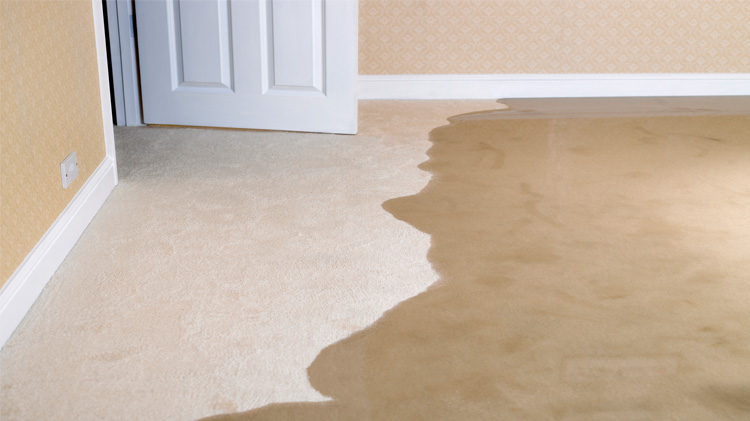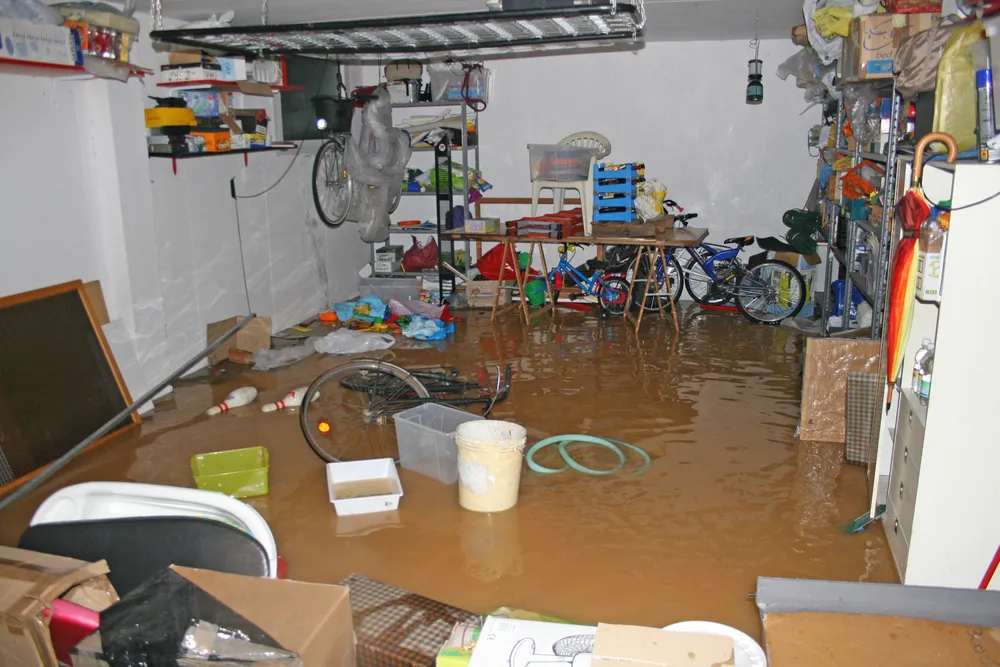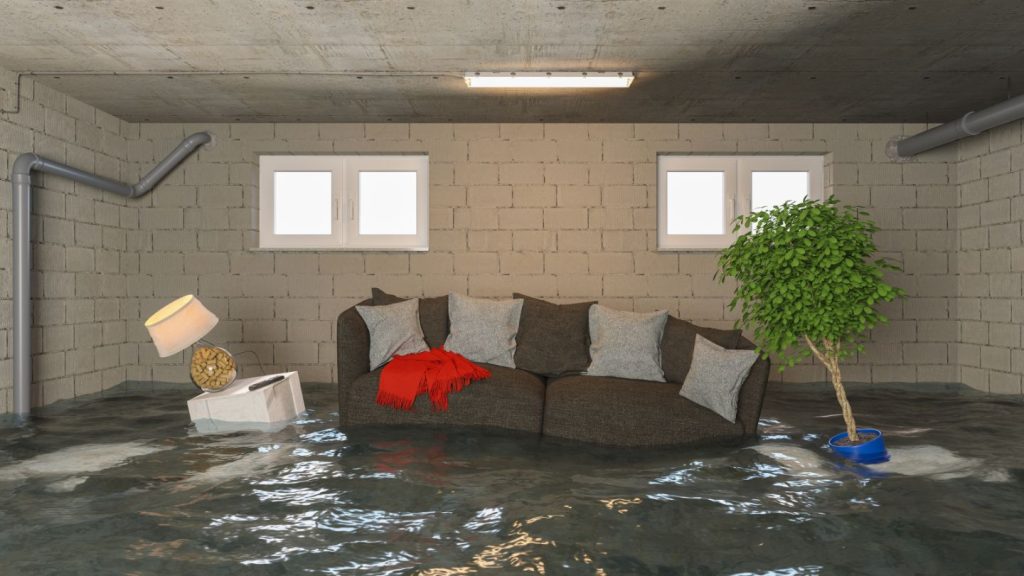
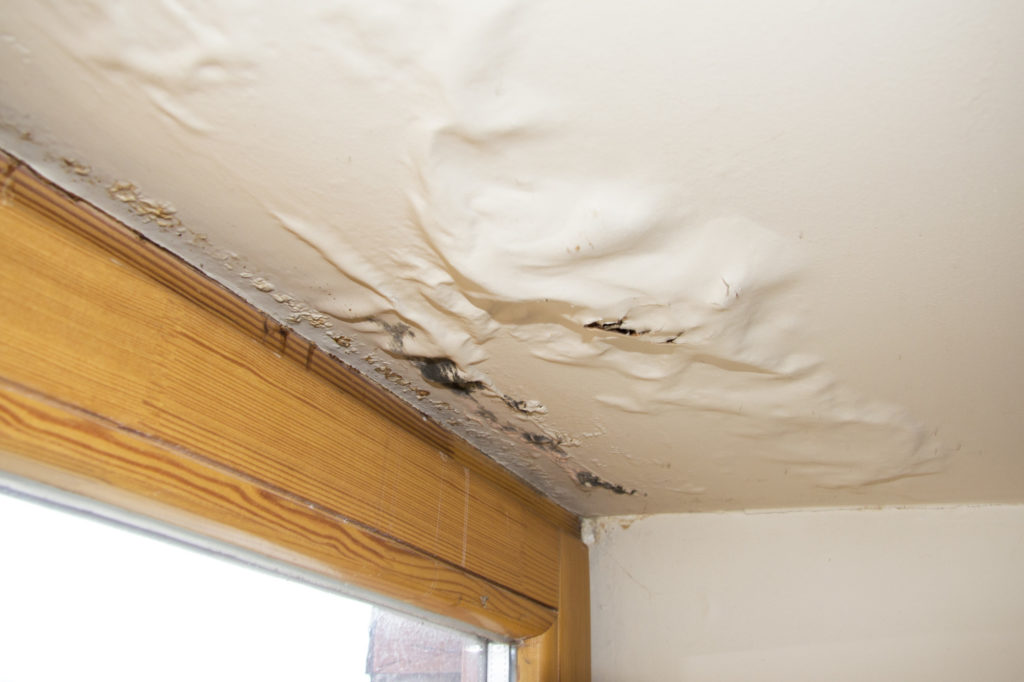
Water damage is one of the most common and costly issues homeowners face. Whether it’s a slow leak, a burst pipe, or flooding from severe weather, the consequences can be extensive and expensive. Understanding how to prevent water damage in your home is crucial for protecting your property, belongings, and peace of mind. By taking proactive steps, you can reduce the risk of costly repairs and maintain a safe, dry living environment.
This article covers practical strategies for minimizing water-related risks, from regular maintenance to smart technology solutions. You’ll also find guidance on what to do when you’re away from home, as well as links to helpful resources and products designed to help you detect and prevent leaks before they become disasters.
For additional guidance on safeguarding your property while you’re away, consider reviewing these best practices for protecting your home during absences.
Routine Maintenance to Reduce Water Risks
One of the most effective ways to avoid water damage is to stay on top of regular home maintenance. Small issues can quickly escalate if left unchecked, so a proactive approach is essential.
- Inspect plumbing fixtures regularly. Check under sinks, around toilets, and behind appliances for signs of leaks or corrosion.
- Monitor your water heater. Look for rust, puddles, or moisture around the base, and replace the unit if it’s more than 10-12 years old.
- Test sump pumps at least once a year, especially before the rainy season. Ensure the pump is clear of debris and functioning properly.
- Clean gutters and downspouts twice a year to prevent blockages that can cause water to overflow and damage your home’s foundation or roof.
- Seal windows and doors to keep rainwater from seeping inside. Replace worn weatherstripping and repair damaged caulking as needed.
Smart Solutions for Early Leak Detection
Technology can play a significant role in helping homeowners detect leaks early and prevent extensive damage. Installing leak detectors and smart water sensors can alert you to problems before they escalate.
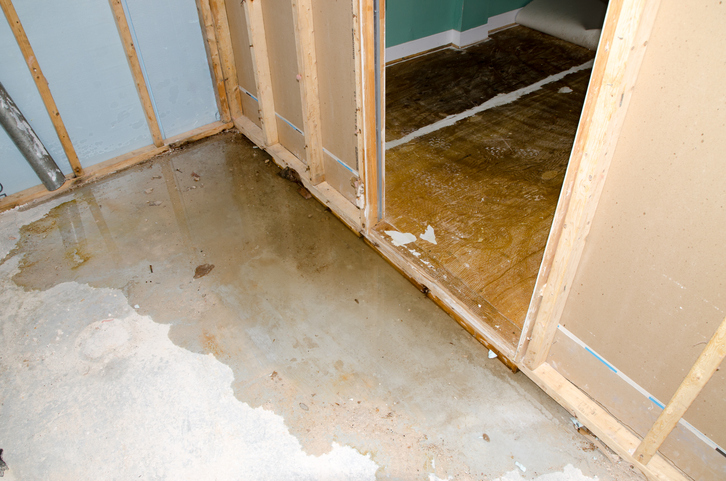
Consider placing water sensors in high-risk areas such as basements, laundry rooms, and under sinks. Many modern devices can send alerts directly to your smartphone, allowing you to respond quickly even if you’re not at home. Some systems can even shut off your main water supply automatically if a major leak is detected.
Protecting Your Home’s Foundation and Exterior
The exterior of your property is your first line of defense against water intrusion. Taking steps to direct water away from your home and keeping the structure well-maintained can prevent many common problems.
- Grade your landscape so that water flows away from the foundation. Fill in low spots and ensure soil slopes away from the building.
- Extend downspouts at least five feet from your house to prevent pooling near the foundation.
- Inspect your roof for missing or damaged shingles, and repair any issues promptly to prevent leaks.
- Seal cracks in your foundation, walls, and around exterior pipes to keep moisture out.
Preventing Water Damage While Away from Home
Leaving your house unattended, even for a short trip, can increase the risk of undetected leaks or flooding. To minimize potential damage while you’re away, follow these steps:
- Shut off the main water supply if you’ll be gone for several days or longer.
- Ask a trusted neighbor or friend to check your home periodically, especially after storms.
- Install smart leak detectors that can notify you of problems remotely.
- Keep gutters clear and ensure sump pumps are working before you leave.
For more tips on keeping your property safe during absences, review resources like the Travelers guide to home water protection while away.
Responding Quickly to Minimize Damage
Even with the best precautions, accidents can happen. Knowing how to act quickly can make a significant difference in limiting the impact of water damage.
- Shut off the water supply immediately if you discover a leak or burst pipe.
- Remove excess water using towels, mops, or a wet/dry vacuum.
- Move valuables and furniture out of affected areas to prevent further damage.
- Ventilate and dry the area as soon as possible using fans and dehumidifiers.
- Contact your insurance provider to report the incident and begin the claims process if needed.
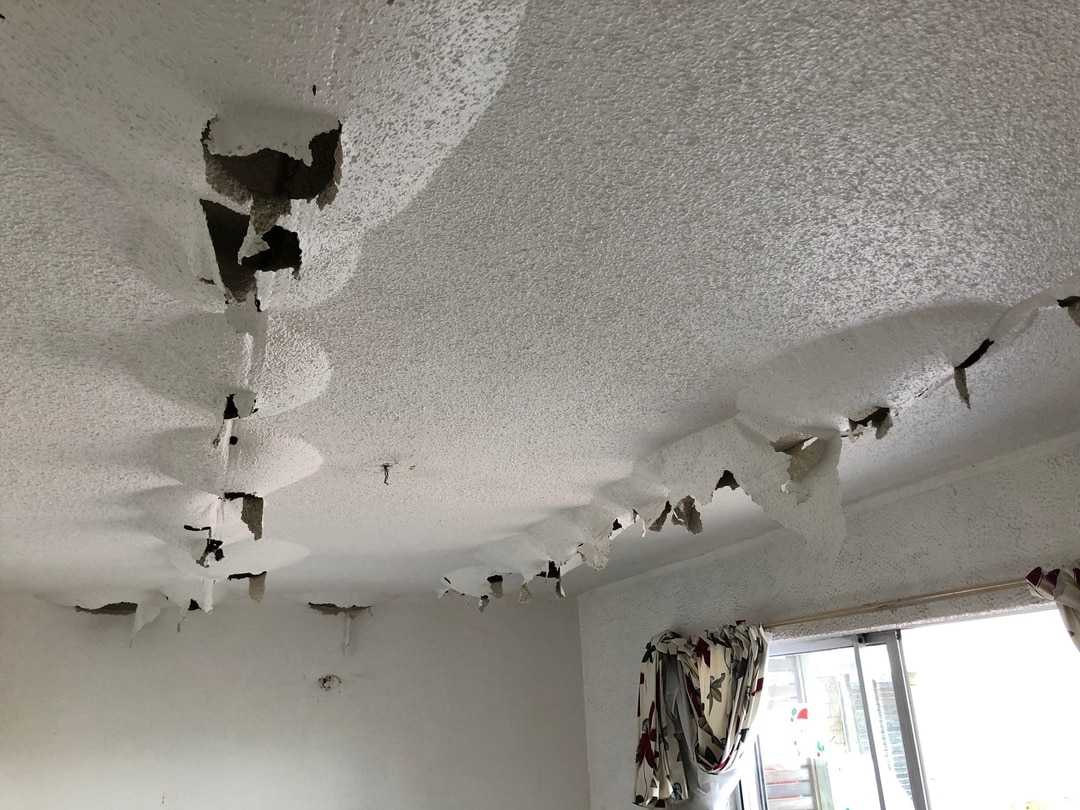
Common Causes of Household Water Issues
Understanding what typically leads to leaks and flooding can help you target your prevention efforts more effectively. Some of the most frequent sources include:
- Old or corroded pipes that develop small leaks over time.
- Clogged gutters and downspouts causing water to back up and seep into the roof or walls.
- Appliance failures such as washing machines, dishwashers, or water heaters.
- Improperly sealed windows and doors allowing rainwater to enter.
- Foundation cracks that let groundwater seep inside.
FAQ: Preventing Water Damage at Home
What are the first signs of water damage in a house?
Early indicators include musty odors, discolored walls or ceilings, peeling paint, warped flooring, and unexplained increases in your water bill. Catching these signs early can help you address leaks before they become major problems.
How often should I check for leaks in my home?
It’s wise to inspect plumbing fixtures, appliances, and visible pipes at least every few months. Seasonal checks—especially before heavy rain or freezing temperatures—can help you spot potential issues early.
Are smart leak detectors worth the investment?
Yes, smart leak detectors can provide peace of mind by alerting you to leaks as soon as they happen. Some models can even shut off your water supply automatically, minimizing potential damage and repair costs.
Conclusion
Taking steps to safeguard your property from water-related issues is an investment in your home’s longevity and your own peace of mind. By combining regular maintenance, smart technology, and quick response strategies, you can greatly reduce the risk of costly repairs and disruptions. Stay vigilant, act promptly when you notice warning signs, and consider integrating modern leak detection tools for added protection.