
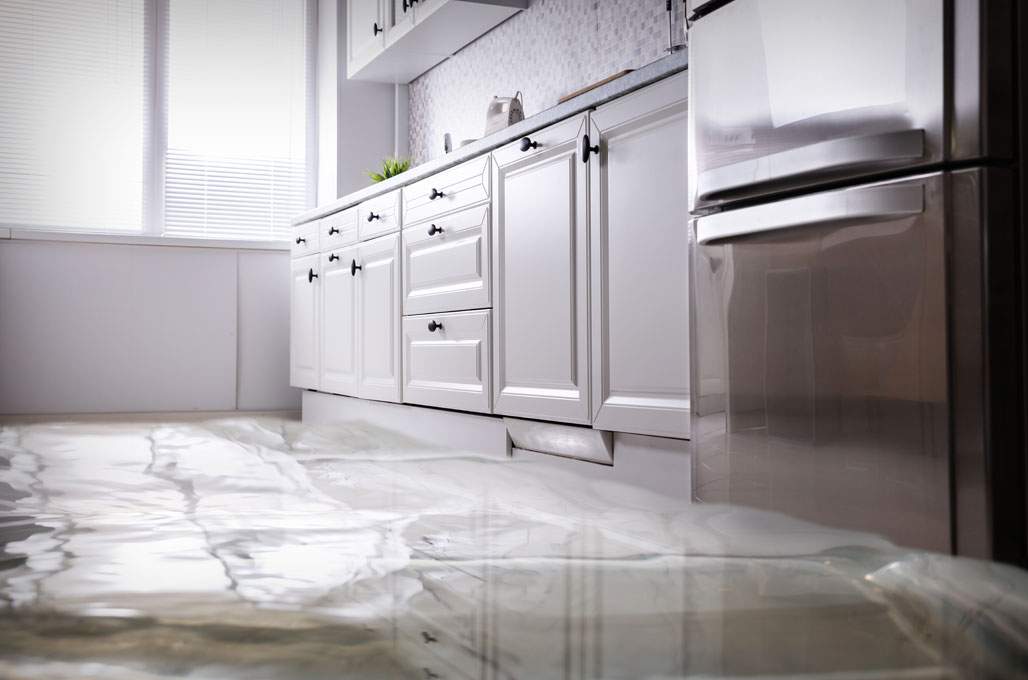
Excess moisture beneath your home can lead to serious issues, from structural damage to unhealthy mold growth. For homeowners, keeping water out of the crawl space is crucial for maintaining a safe, dry, and energy-efficient environment. This article provides practical strategies to help you stop water intrusion, protect your property, and avoid costly repairs.
Whether you’re dealing with minor dampness or have noticed standing water, understanding the causes and solutions is essential. We’ll cover proven methods, maintenance tips, and preventative measures to help you keep your crawl space dry for the long term.
If you’re interested in other home maintenance topics, you might also find our guide on how to sanitize a cast iron press helpful for keeping your kitchen tools in top shape.
Common Causes of Crawl Space Moisture Problems
Before exploring solutions, it’s important to identify what’s causing water to enter your crawl space. Some of the most frequent culprits include:
- Poor drainage around the foundation
- Improperly sloped landscaping
- Leaking or clogged gutters and downspouts
- Plumbing leaks or burst pipes
- High groundwater levels
- Cracks in the foundation walls or floor
- Unsealed or damaged crawl space vents
Recognizing these issues early can help you choose the right approach to keep your crawl space dry and protected.
Effective Drainage Solutions for a Dry Crawl Space
One of the most effective ways to stop water from seeping under your home is to improve drainage around the foundation. Here are several proven methods:
Improve Gutter and Downspout Performance
Gutters and downspouts play a vital role in directing rainwater away from your home. Make sure they are free of debris and extend at least 6 feet from the foundation. Consider installing gutter guards to minimize clogs and check for leaks or disconnected sections regularly.
Grade Landscaping Away from Your Home
The soil around your house should slope away from the foundation at a minimum of 5% (about 6 inches over 10 feet). This helps prevent water from pooling near the crawl space walls. If necessary, add soil to low spots and compact it to maintain the proper slope.
Install a French Drain or Perimeter Drainage System
For persistent water issues, a French drain or other perimeter drainage system can be highly effective. These systems collect water and channel it safely away from the foundation, reducing the risk of crawl space flooding.
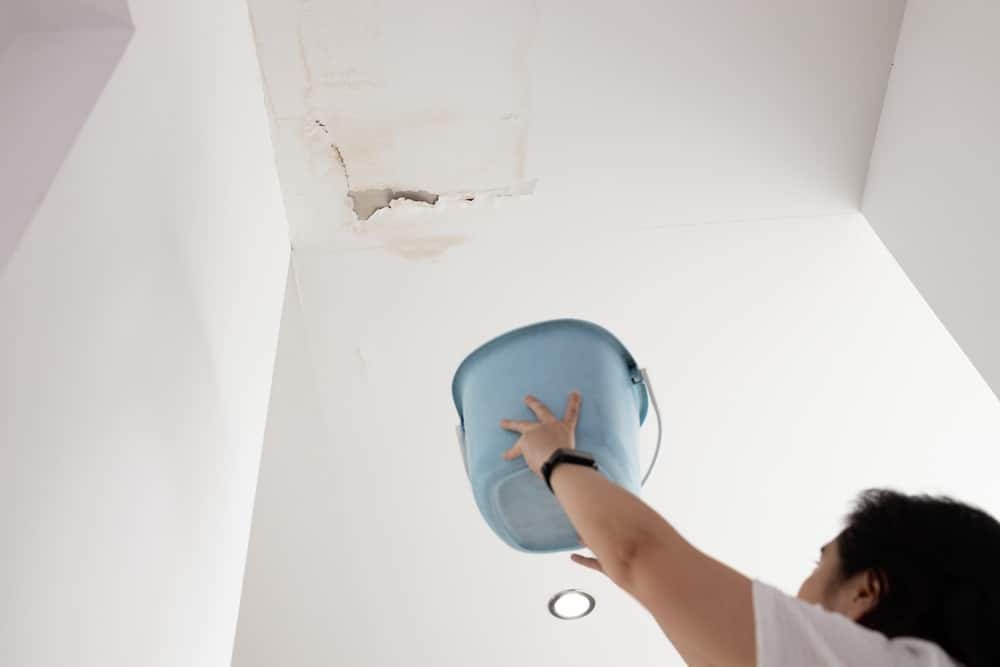
Sealing and Encapsulation: Advanced Moisture Control
Encapsulating your crawl space is one of the most reliable ways to control humidity and prevent water entry. This process involves sealing the floor and walls with a heavy-duty vapor barrier, closing vents, and sometimes adding insulation. Here’s what’s involved:
- Install a vapor barrier (at least 6-mil polyethylene) over the crawl space floor and up the walls
- Seal all seams and edges with waterproof tape or adhesive
- Close or cover crawl space vents to block humid outside air
- Insulate foundation walls if needed to prevent condensation
Encapsulation not only keeps water out but also improves indoor air quality and can lower energy bills.
Addressing Plumbing Leaks and Internal Sources
Sometimes, the source of crawl space moisture is inside your home. Leaking pipes, condensation from HVAC systems, or faulty sump pumps can all contribute to dampness below the floor. To minimize these risks:
- Inspect plumbing regularly for leaks or drips
- Install smart leak detectors for early warning of pipe or toilet leaks
- Ensure sump pumps are working and have a battery backup
- Insulate cold water pipes to prevent condensation
For more information on protecting your property from water damage, see this comprehensive guide to preventing water damage.
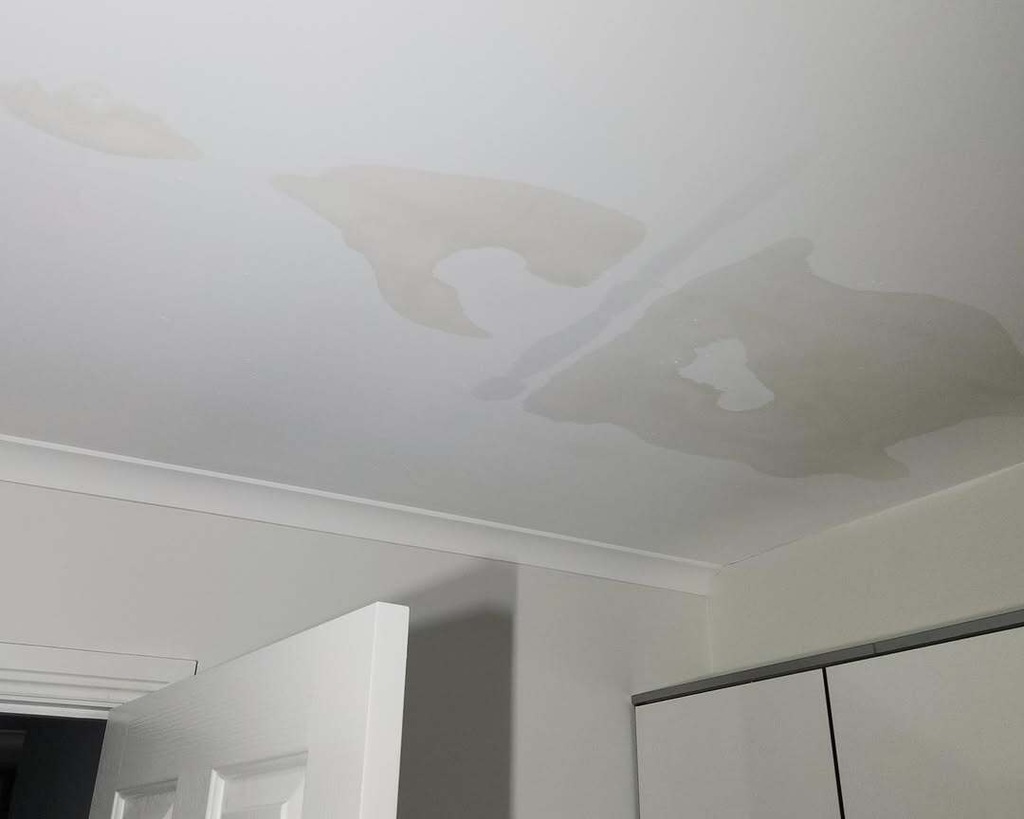
Routine Maintenance to Keep Crawl Spaces Dry
Ongoing maintenance is key to preventing future moisture problems. Here are some essential tasks to include in your routine:
- Check crawl space after heavy rain for signs of water entry
- Keep gutters and downspouts clear year-round
- Monitor the condition of vapor barriers and repair any damage
- Inspect for pests or rodents, which can damage barriers and insulation
- Test sump pumps and backup systems regularly
Taking these steps will help you catch small issues before they turn into major repairs.
Benefits of Preventing Crawl Space Water Intrusion
Keeping your crawl space dry offers several important advantages:
- Protects structural integrity by preventing wood rot and foundation damage
- Reduces the risk of mold and mildew, improving indoor air quality
- Helps control pests attracted to damp environments
- Can lower heating and cooling costs by improving insulation performance
- Preserves property value and reduces the likelihood of expensive repairs
By following the strategies outlined in this article, you can safeguard your home and enjoy greater peace of mind.
Frequently Asked Questions
What is the best way to keep water out of my crawl space?
The most effective approach combines exterior drainage improvements, such as grading and gutter maintenance, with interior solutions like vapor barriers and encapsulation. Addressing both outside and inside sources of moisture provides the best long-term protection.
How can I tell if my crawl space has a water problem?
Common signs include musty odors, visible mold, standing water, damp insulation, or warped wooden beams. If you notice any of these, it’s important to investigate further and take corrective action.
Is crawl space encapsulation worth the investment?
Yes, encapsulation can significantly reduce moisture, improve air quality, and protect your home’s structure. While it requires an upfront investment, it often pays for itself by preventing costly repairs and improving energy efficiency.




