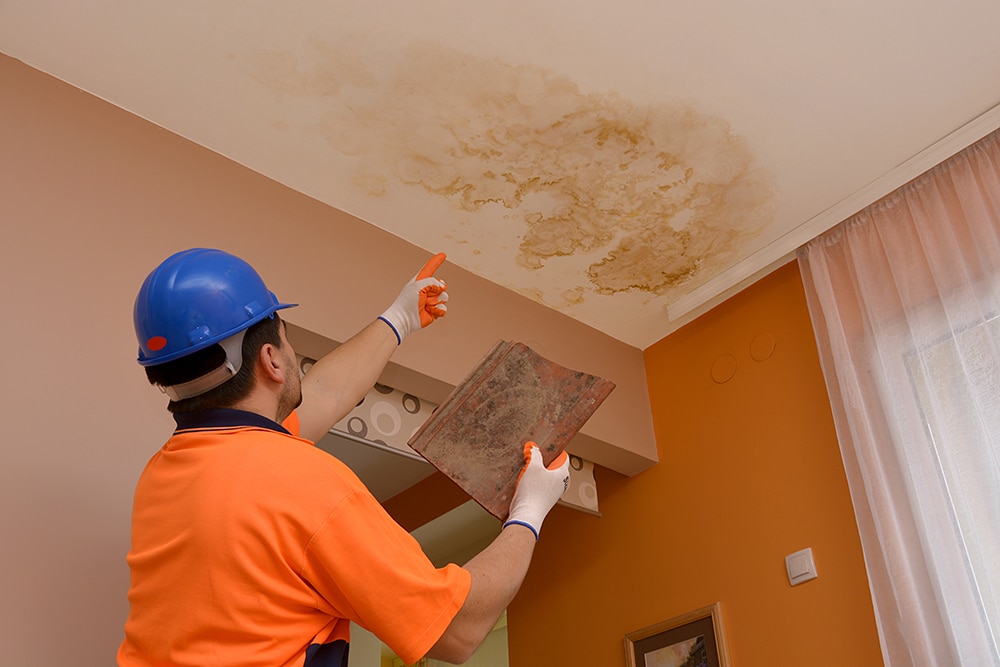
Persistent dampness on interior surfaces is a common problem faced by homeowners and property managers. Left untreated, excess water in walls can cause unsightly stains, peeling paint, mold growth, and even structural damage. Understanding how to remove moisture from walls is essential for maintaining a healthy and safe living environment. This guide explains practical steps to identify, address, and prevent wall dampness, whether it’s caused by leaks, condensation, or poor ventilation.
Before diving into solutions, it’s important to recognize that moisture issues are often linked to plumbing leaks, weather exposure, or insufficient airflow. Tackling the root cause is just as important as drying out the affected area. If you’re interested in other home care tips, you might also find value in learning how to sanitize a cast iron press for kitchen hygiene.
Common Causes of Wall Dampness
To effectively address moisture problems in walls, it’s crucial to identify what’s causing the issue. Some of the most frequent sources include:
- Leaking pipes or plumbing fixtures: Water from hidden leaks can seep into wall cavities, leading to persistent damp patches.
- Condensation: Poor insulation or inadequate ventilation can cause warm, moist air to condense on cooler wall surfaces.
- Rising damp: Groundwater can travel up through porous building materials, especially in older homes without proper damp-proofing.
- Rainwater intrusion: Damaged roofs, gutters, or exterior walls may allow rain to penetrate and soak interior surfaces.
Pinpointing the cause will help you choose the right method for drying out your walls and preventing future issues.
Step-by-Step Guide to Drying Out Damp Walls
Once you’ve identified the source, follow these steps to remove excess water and restore your walls:
1. Locate and Fix the Source
Start by inspecting plumbing, windows, roofs, and exterior walls for leaks or cracks. Repair any faulty pipes or fixtures immediately. For hidden leaks, consider using a pipe leak detector or a toilet leak detector to pinpoint the problem area.
2. Remove Surface Water and Wet Materials
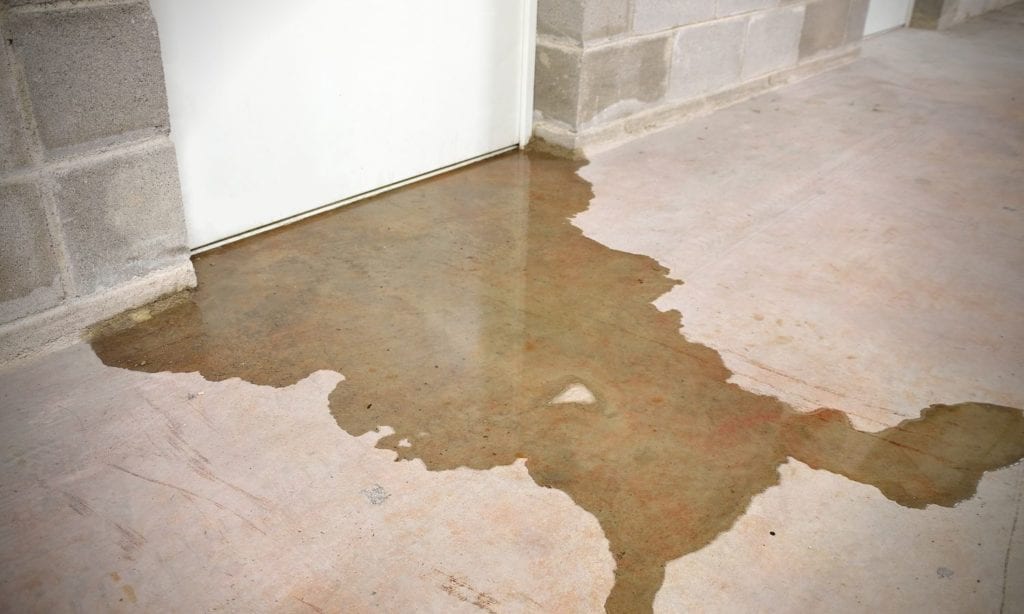
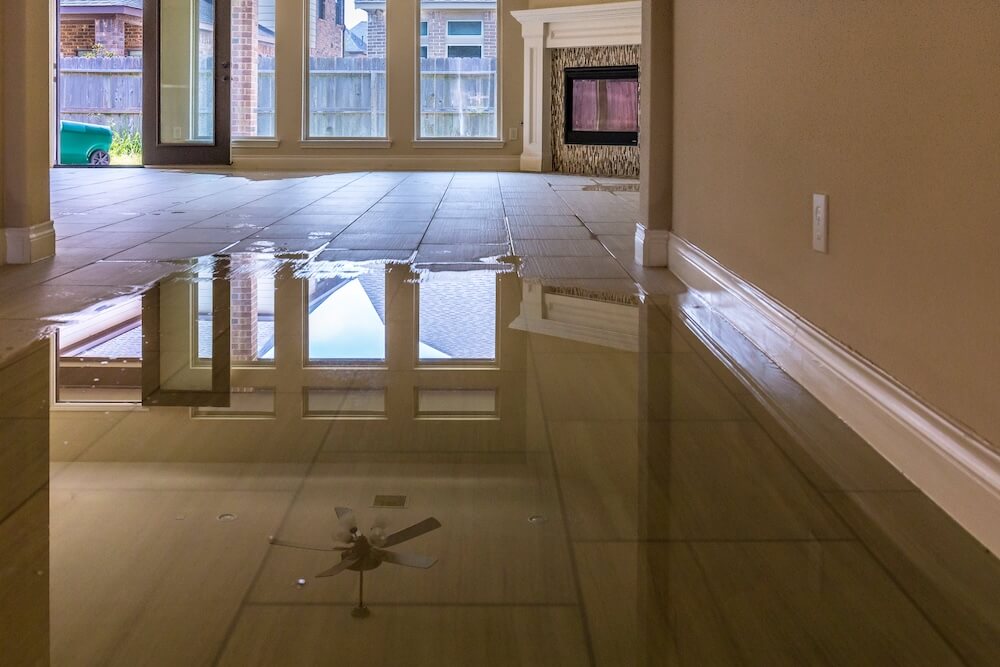
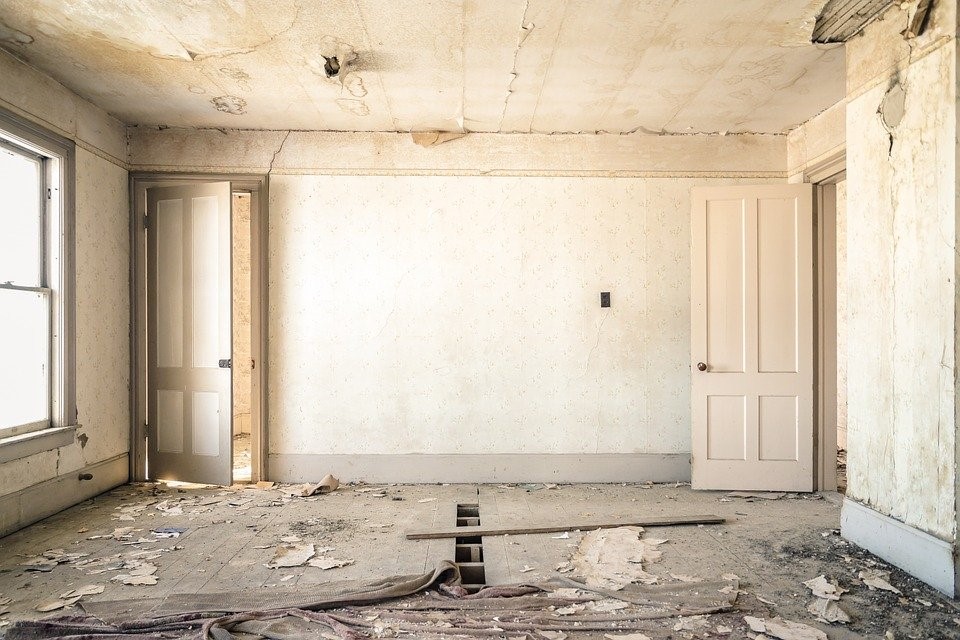
Use towels or a wet/dry vacuum to soak up standing water. Remove any wallpaper, baseboards, or insulation that has become saturated, as these materials can trap moisture and promote mold growth.
3. Increase Airflow and Use Drying Equipment
Open windows and doors to promote cross-ventilation. Position fans to blow air directly onto the damp area. For severe cases, a dehumidifier can help draw out excess water from the air and wall materials. If you have access to a heater or heat gun, use it cautiously to speed up evaporation, but avoid overheating the wall, which can cause cracking.
4. Monitor Progress and Check for Mold
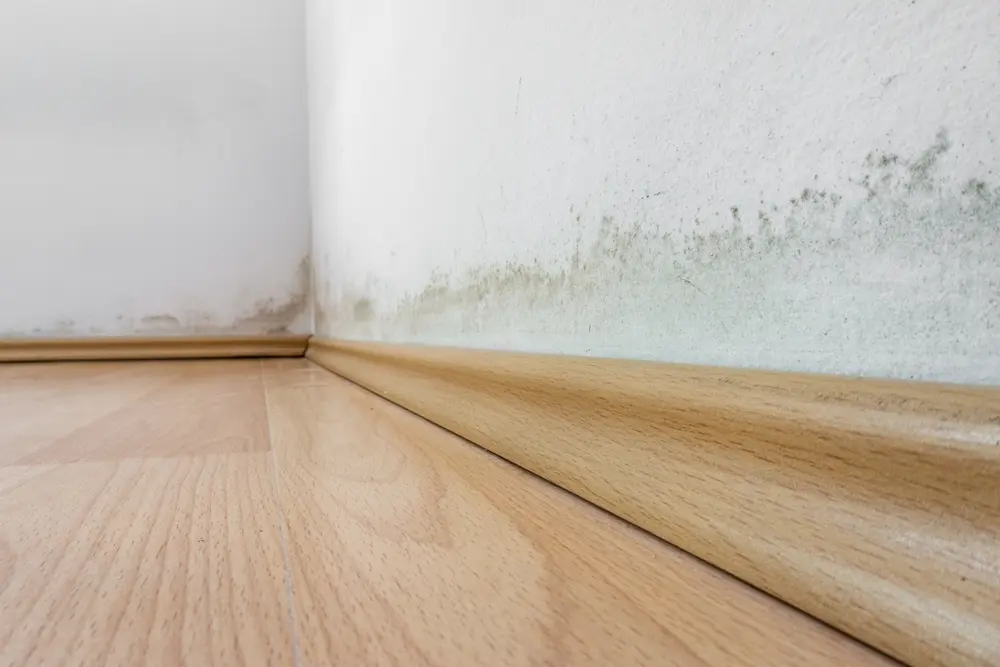
Drying time depends on the extent of the water damage and the wall material. Plaster and drywall may take several days to fully dry. Use a moisture meter to check progress. If you notice any musty odors or visible mold, clean the area with a solution of water and mild detergent, or use a commercial mold remover if needed.
Preventing Future Moisture Problems
After you’ve dried out your walls, take steps to prevent recurrence:
- Improve ventilation: Install exhaust fans in bathrooms and kitchens, and open windows regularly to reduce humidity.
- Seal exterior walls: Apply waterproof coatings or repair cracks in masonry and siding to keep rainwater out.
- Maintain gutters and downspouts: Clean and repair them to direct water away from your home’s foundation.
- Insulate walls: Proper insulation helps prevent condensation and keeps interior surfaces dry.
- Monitor plumbing: Regularly check for leaks and consider installing smart leak detectors for early warning.
For more tips on protecting your property, see this comprehensive guide to preventing water damage from household fixtures.
When to Call a Professional
While many minor dampness issues can be handled with DIY methods, there are situations where professional help is recommended:
- Extensive mold growth or persistent musty odors
- Structural damage such as crumbling plaster or warped drywall
- Recurring leaks that are difficult to locate
- Health concerns related to mold exposure
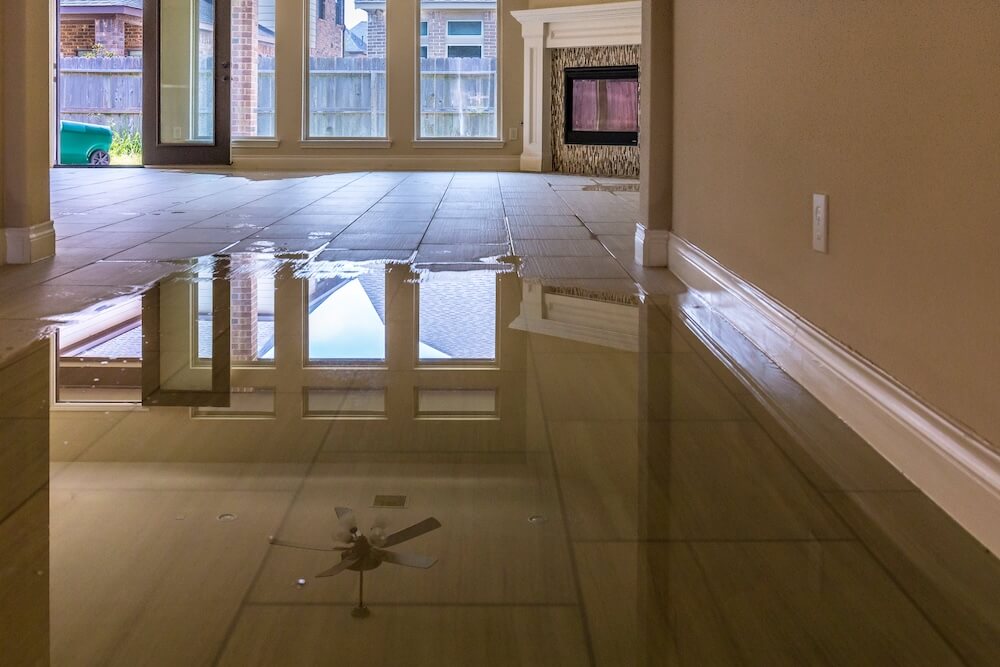
Restoration specialists have the tools and expertise to thoroughly dry out walls, remediate mold, and repair water-damaged structures. Don’t hesitate to consult an expert if you’re unsure about the severity of your situation.
Additional Tips for Managing Wall Moisture
- Use a moisture meter periodically to detect hidden dampness before it becomes visible.
- Consider applying anti-mold paint or sealant to vulnerable areas.
- Keep furniture a few inches away from exterior walls to allow air circulation.
- Address condensation by using a dehumidifier during humid seasons.
- Check for signs of rising damp, especially in basements and ground floors.
If you’re interested in learning about other home maintenance topics, check out our guide on how to press tortillas for chilaquiles for a change of pace.
Frequently Asked Questions
How long does it take to dry out a damp wall?
The drying time depends on the amount of water, wall material, and airflow. Minor damp patches may dry within 24–48 hours with proper ventilation, while severe water damage can take several days or even weeks. Using fans, dehumidifiers, and removing wet materials can speed up the process.
Can I paint over a wall that was recently wet?
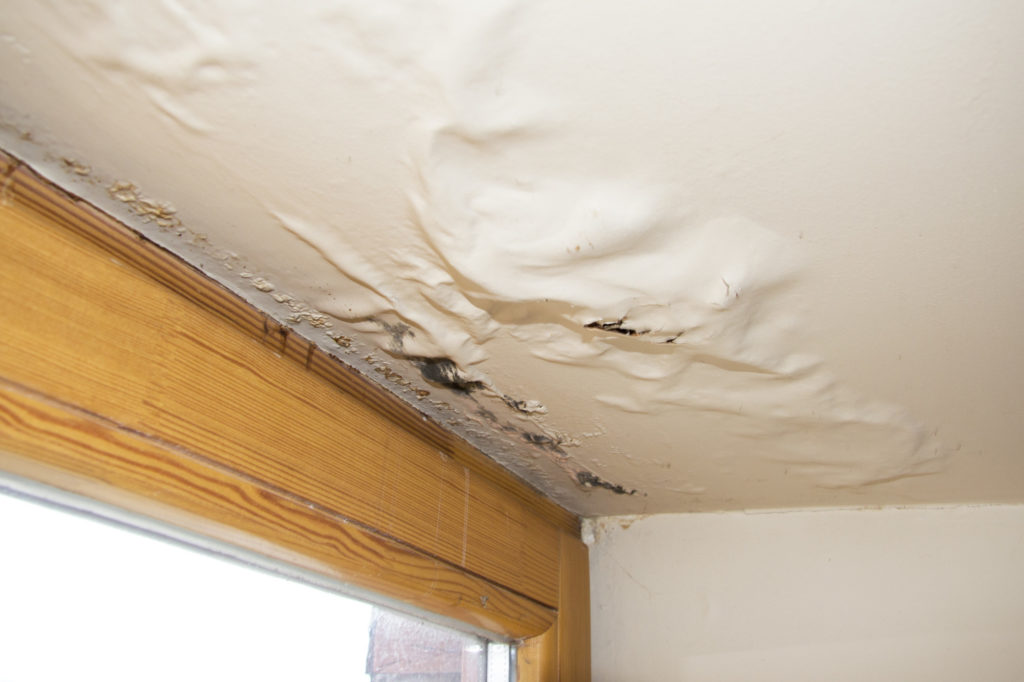
It’s important to ensure the wall is completely dry before painting. Painting over damp surfaces can trap moisture, leading to peeling paint, blistering, and mold growth. Use a moisture meter to confirm dryness before applying primer or paint.
What are the signs of hidden moisture in walls?
Common indicators include peeling paint, bubbling wallpaper, musty odors, visible mold, and cold or damp spots to the touch. In some cases, you may notice discoloration or staining. If you suspect hidden dampness, use a moisture meter or consult a professional for assessment.