A slow water leak can quietly undermine your home’s structure, damage personal belongings, and lead to expensive repairs if not addressed promptly. Many homeowners overlook these minor drips or damp spots, only to discover the consequences much later. Understanding how to stop a slow leak early is essential for protecting your property and avoiding unnecessary costs.
This guide provides practical steps for identifying, containing, and fixing minor leaks before they escalate. Whether you’re dealing with a persistent drip under the sink, a damp patch on the wall, or unexplained moisture in the basement, acting quickly can make all the difference. For those interested in broader strategies, you may also find value in reading what to do before water damage happens to further safeguard your home.
Recognizing the Early Signs of a Leak
Detecting a leak in its initial stages is the most effective way to prevent water damage. Here are some common indicators that you may have a slow leak:
- Unexplained increases in your water bill
- Musty odors near walls, floors, or cabinets
- Discoloration or bubbling paint and wallpaper
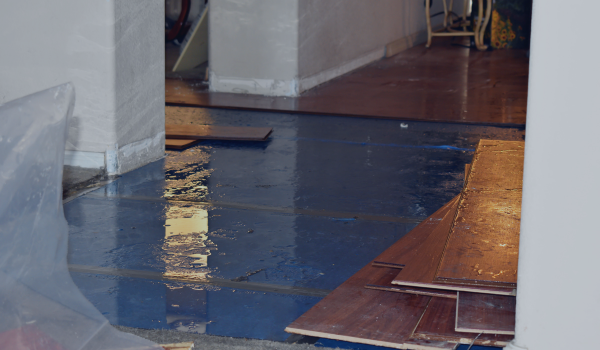
- Soft or warped flooring
- Persistent dampness or puddles in the same spot
If you notice any of these warning signs, it’s important to investigate further. Even a small, slow drip can cause hidden damage over time, especially in areas like basements or behind appliances.
Pinpointing the Source of the Problem
Once you suspect a leak, the next step is to locate its origin. This can sometimes be straightforward, such as a visible drip under a sink, but leaks can also be hidden within walls, ceilings, or floors. Here’s how to proceed:
- Inspect visible plumbing: Check under sinks, behind toilets, and around appliances like dishwashers and washing machines for moisture or pooling water.
- Look for stains or discoloration: Water stains on ceilings or walls often indicate a leak above or behind the affected area.
- Listen for dripping sounds: In quiet moments, a slow drip can sometimes be heard even if it’s not visible.
- Use a moisture meter: These devices can help detect hidden dampness in walls or floors.
For more tips on uncovering hidden issues, consider reviewing how to spot hidden water damage to ensure you’re not missing subtle signs.
Immediate Steps to Contain a Slow Leak
Once you’ve found the source, it’s crucial to act quickly to minimize damage. Here’s what you should do:
- Shut off the water supply: If possible, turn off the water to the affected fixture or the main supply to stop the flow.
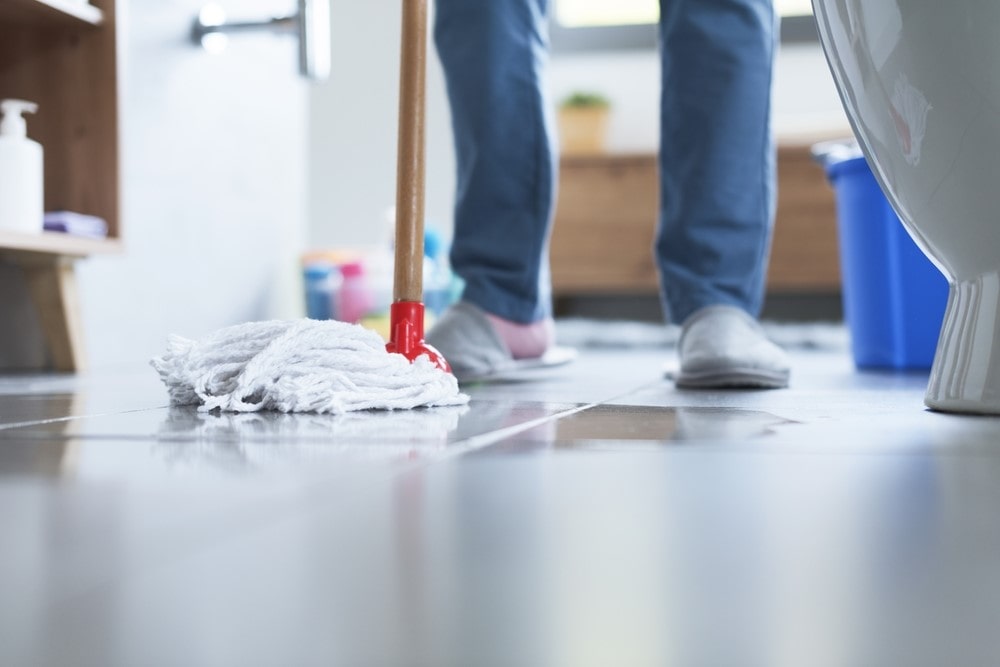
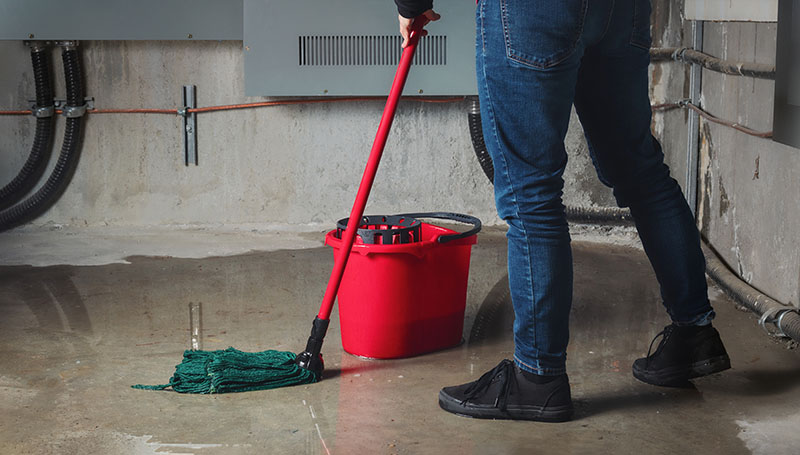
- Dry the area: Use towels, mops, or a wet/dry vacuum to remove standing water and reduce the risk of mold.
- Contain the leak: Place a bucket or pan under the leak to catch drips until repairs can be made.
- Ventilate the space: Open windows or use fans to help dry out damp areas.
Taking these steps quickly can prevent further water intrusion and limit the spread of moisture.
How to Fix a Minor Leak Yourself
Many small leaks can be repaired with basic tools and supplies. Here’s a step-by-step approach for common scenarios:
Fixing Leaky Pipes and Fittings
- Turn off the water to the affected area.
- Dry the pipe thoroughly before attempting repairs.
- Apply plumber’s tape to threaded joints, or use pipe repair clamps for small cracks.
- Replace worn washers in faucets or valves to stop drips.
- Test the repair by slowly turning the water back on and checking for leaks.
Sealing Leaks Around Fixtures
- Use waterproof silicone caulk to seal gaps around sinks, tubs, or showers.
- Replace old or cracked grout in tiled areas to prevent water seepage.
If you’re unsure about the repair or the leak persists, it’s best to consult a licensed plumber to avoid further complications.
When to Call a Professional
While many minor leaks can be managed with DIY solutions, some situations require expert attention:
- Leaks inside walls or ceilings that are difficult to access
- Signs of mold growth or structural damage
- Persistent leaks despite attempted repairs
- Water near electrical wiring or outlets
Professionals have the tools and experience to diagnose and resolve complex leaks safely and efficiently.
Preventing Future Leaks and Water Damage
Prevention is always better than cure. Here are some proactive steps to reduce the risk of slow leaks in your home:
- Inspect plumbing regularly for signs of wear, corrosion, or loose fittings.
- Install leak detectors in high-risk areas like basements, bathrooms, and laundry rooms.
- Maintain caulking and grout around fixtures to keep water out of vulnerable areas.
- Monitor your water bill for unexpected increases that could signal a hidden leak.
- Schedule annual plumbing checks with a professional.
For more comprehensive advice, see these water damage prevention tips for homeowners and review the seasonal water damage prevention checklist to stay ahead of potential problems.
You can also learn about additional ways to maintain a dry home and avoid recurring issues.
Insurance and Professional Resources
If a leak has already caused significant damage, your homeowner’s insurance policy may help cover repairs. It’s important to document the damage with photos and contact your insurer as soon as possible. For more information on protecting your property, consult this guide to preventing water damage from a leading insurance provider.
Frequently Asked Questions
What are the most common causes of slow leaks in homes?
The most frequent sources include worn-out pipe joints, loose fittings, deteriorated caulking, and faulty appliance hoses. Over time, even minor cracks or gaps can allow water to escape and cause hidden damage.
How can I tell if a leak is causing hidden water damage?
Signs of concealed moisture include musty odors, discoloration on walls or ceilings, warped flooring, and unexplained mold growth. If you suspect hidden issues, consider using a moisture meter or seeking professional help.
Should I attempt to fix a slow leak myself or call a plumber?
Minor leaks, such as those under sinks or at visible pipe joints, can often be handled with basic tools and supplies. However, if the leak is inside a wall, near electrical wiring, or shows signs of mold or structural damage, it’s best to contact a licensed plumber.