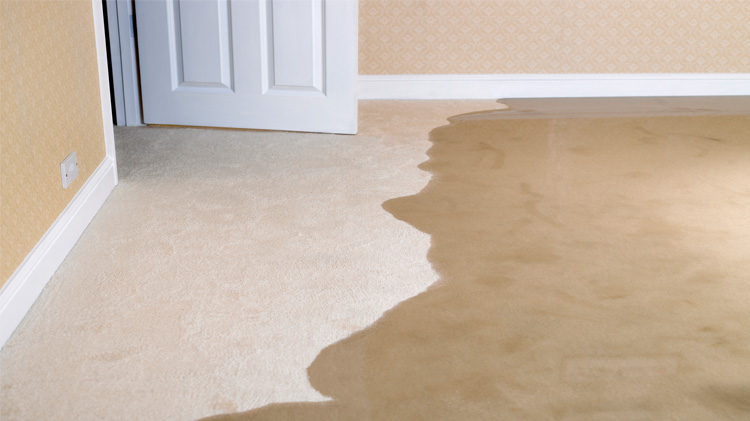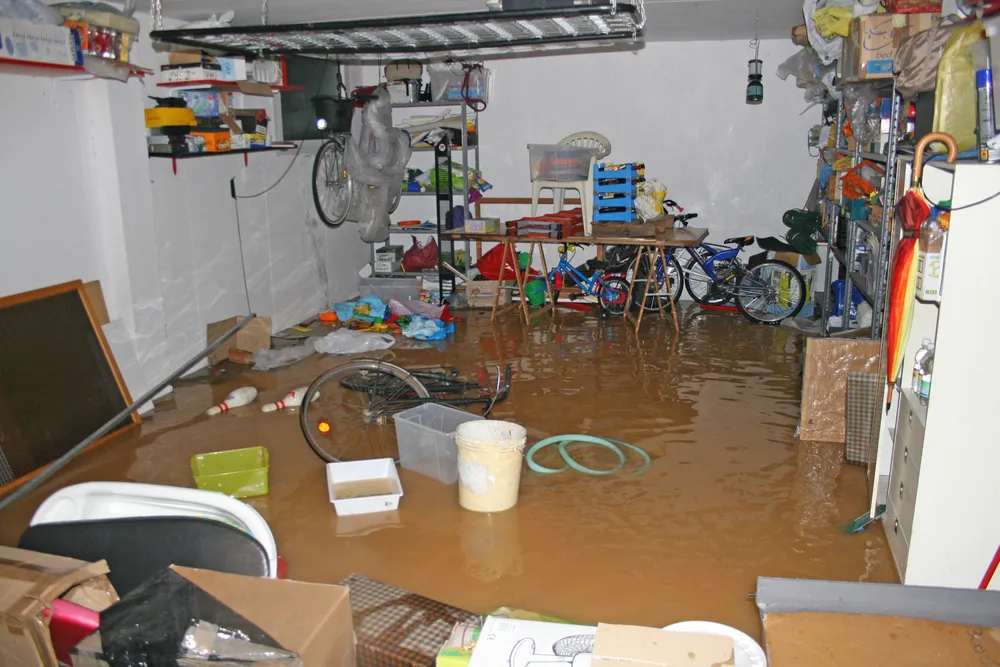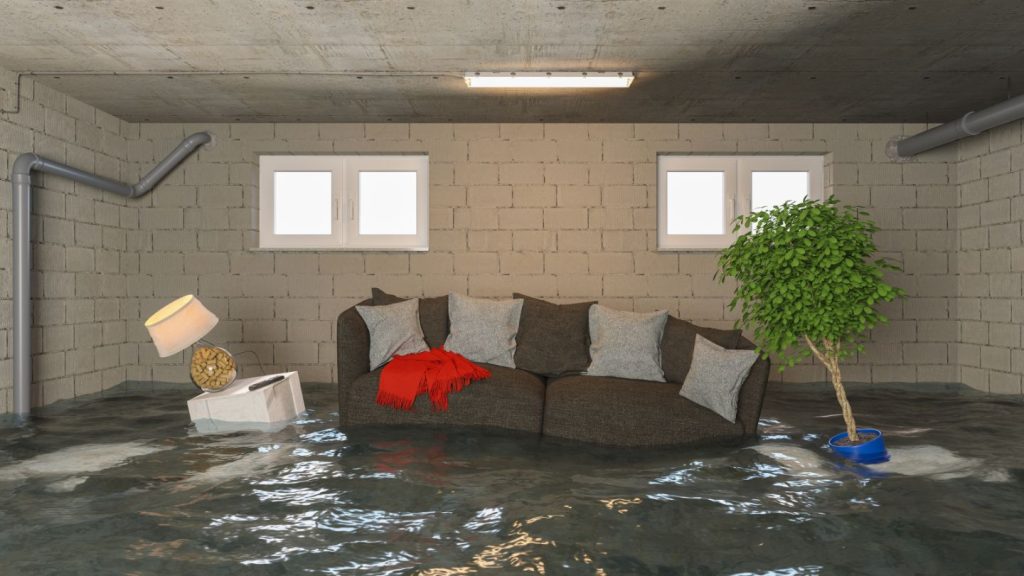
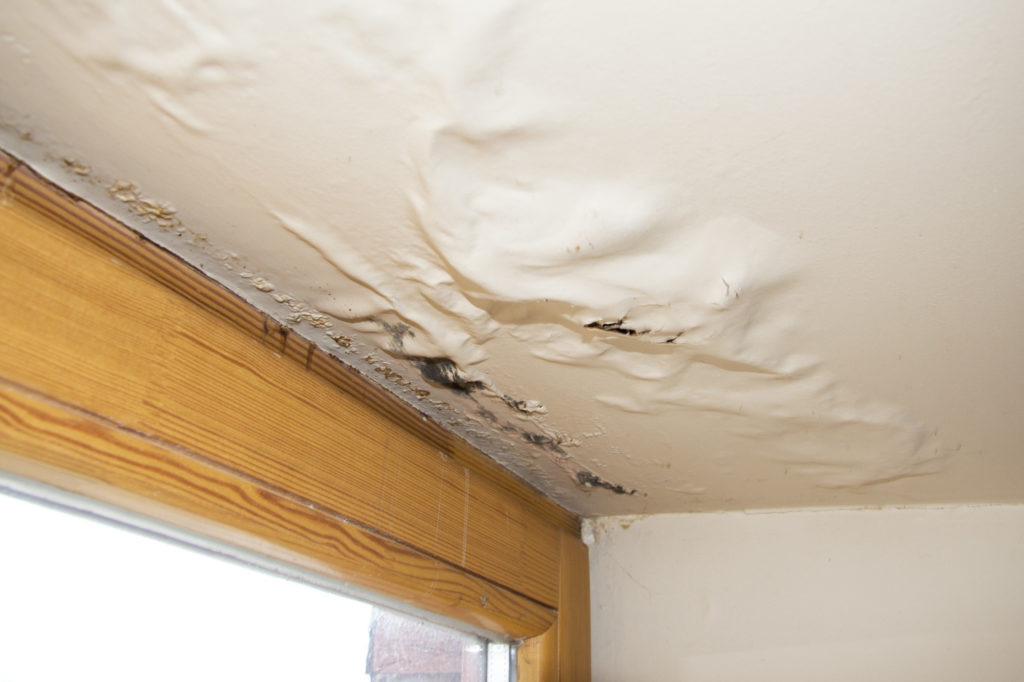
A wet or flooded basement can lead to costly repairs, mold growth, and damage to your home’s foundation. Learning how to waterproof a basement is essential for homeowners who want to protect their property and maintain a healthy living environment. Whether you’re dealing with minor dampness or have experienced major water intrusion, taking proactive steps can help you avoid future headaches and expenses.
In this guide, we’ll break down the most effective strategies to keep your basement dry, including identifying problem areas, choosing the right waterproofing methods, and maintaining your system over time. If you’re also concerned about plumbing issues that can contribute to basement flooding, you may find it helpful to read about how to maintain plumbing to avoid leaks for additional preventative tips.
Understanding Basement Water Problems
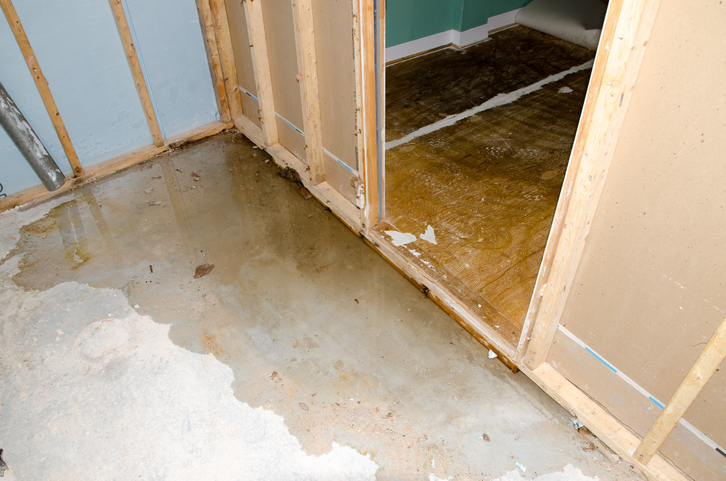
Before diving into specific waterproofing solutions, it’s important to understand where basement water comes from. Moisture can enter through cracks in the foundation, gaps around pipes, or even seep up from the ground due to hydrostatic pressure. Common signs of basement water issues include:
- Visible water stains or puddles on floors and walls
- Mold or mildew growth
- Musty odors
- Efflorescence (white, chalky residue on masonry)
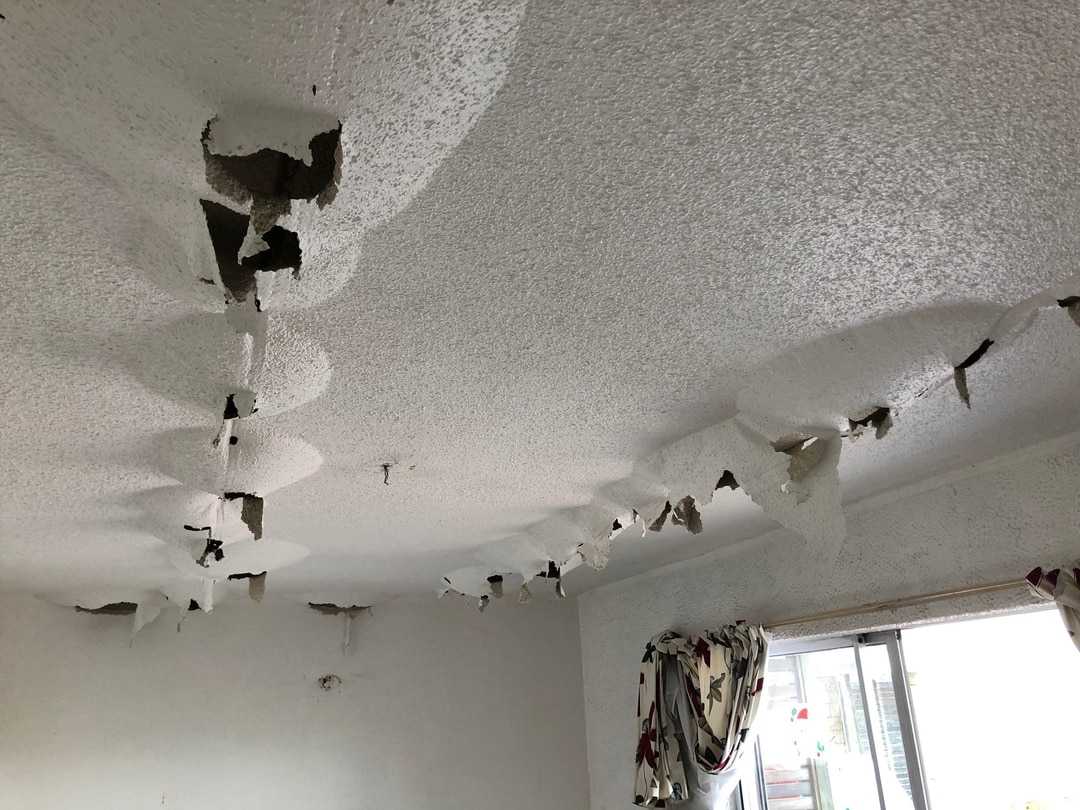
- Peeling paint or damaged drywall
Identifying the source of moisture is the first step in any basement waterproofing project. Sometimes, the problem is as simple as poor drainage outside your home, while other times it may require more extensive repairs.
Key Steps to Waterproofing Your Basement
There are several approaches to keeping your basement dry. The right method depends on your specific situation, the age of your home, and your budget. Here are the main steps to consider when tackling basement waterproofing:
Inspect and Repair Foundation Cracks
Even small cracks in your basement walls or floor can let water in. Carefully inspect the interior and exterior of your foundation for any gaps or fissures. Use a high-quality masonry sealant or hydraulic cement to fill minor cracks. For larger structural issues, consult a professional to assess and repair the damage.
Improve Exterior Drainage
One of the most effective ways to prevent water from entering your basement is to manage it before it reaches your foundation. Ensure that gutters and downspouts are clean and direct water at least six feet away from your home. Landscaping should slope away from the foundation to encourage runoff.
For more tips on protecting your home’s plumbing and preventing water damage, see our article on how to protect pipes from freezing.
Apply Interior Waterproofing Solutions
Interior waterproofing can help manage minor seepage and humidity. Common methods include:
- Applying waterproof coatings or sealants to basement walls and floors
- Installing a vapor barrier on walls to block moisture
- Using a dehumidifier to control humidity levels
Install or Upgrade a Sump Pump System
If your basement is prone to flooding, a sump pump is a crucial line of defense. This device collects water that accumulates in a sump basin and pumps it away from your home. Regularly test your sump pump to ensure it’s working properly, and consider installing a battery backup to keep it running during power outages.
Consider Exterior Waterproofing for Severe Issues
For persistent or severe water problems, exterior waterproofing may be necessary. This process involves excavating around the foundation, applying a waterproof membrane, and installing a drainage system such as a French drain. While more expensive and labor-intensive, this approach offers long-term protection against groundwater intrusion.
Maintaining Your Waterproofed Basement
Once you’ve addressed the main sources of water entry, ongoing maintenance is key to keeping your basement dry. Here are a few tips:
- Inspect gutters and downspouts regularly to prevent clogs
- Check for new cracks or signs of moisture at least twice a year
- Test your sump pump before heavy rains
- Keep basement windows and vents sealed and in good repair
- Monitor humidity and use a dehumidifier if needed
For a deeper understanding of how water pressure affects your home’s plumbing, you might want to read water pressure and pipe damage explained.
Additional Tips for Preventing Basement Flooding
Along with the main waterproofing steps, consider these extra measures to further reduce your risk of water damage:
- Install window well covers to keep rain and debris out
- Use water leak detectors near appliances and plumbing fixtures
- Store valuables and electronics off the basement floor
- Check your homeowner’s insurance policy for flood coverage
If you travel frequently or leave your home unattended for extended periods, it’s smart to review best practices to protect your home while you are away to avoid unexpected water damage.
Frequently Asked Questions
What is the most effective way to keep a basement dry?
The most effective approach combines both exterior and interior waterproofing methods. Managing surface water with proper drainage, sealing foundation cracks, and installing a sump pump system all work together to prevent moisture from entering your basement.
How can I tell if my basement needs waterproofing?
Signs that your basement may need waterproofing include visible water stains, musty odors, mold growth, peeling paint, or persistent dampness. Even if you only notice moisture during heavy rain, it’s wise to address the issue before it becomes a bigger problem.
Can I waterproof my basement myself, or should I hire a professional?
Many minor waterproofing tasks, such as sealing small cracks or improving drainage, can be handled by homeowners. However, if you have major leaks, structural damage, or need exterior excavation, it’s best to consult a professional with experience in basement waterproofing.
How often should I check my basement for water issues?
Inspect your basement at least twice a year, ideally before and after the wet season. Regular checks help you catch problems early and maintain the effectiveness of your waterproofing system.