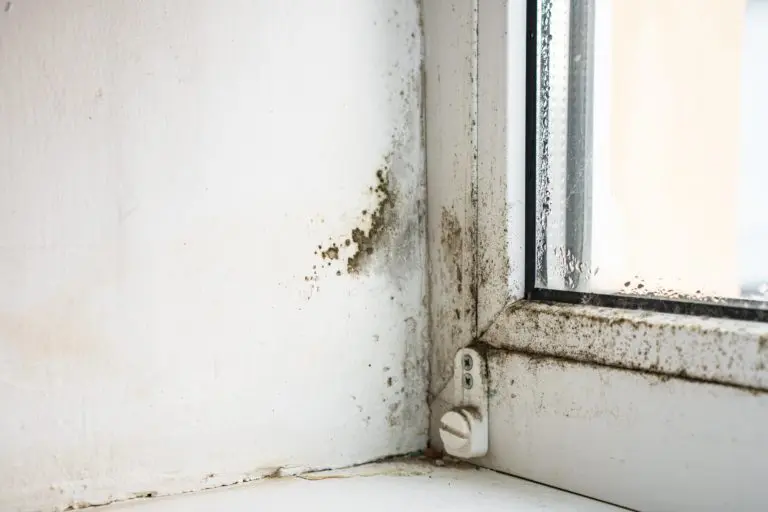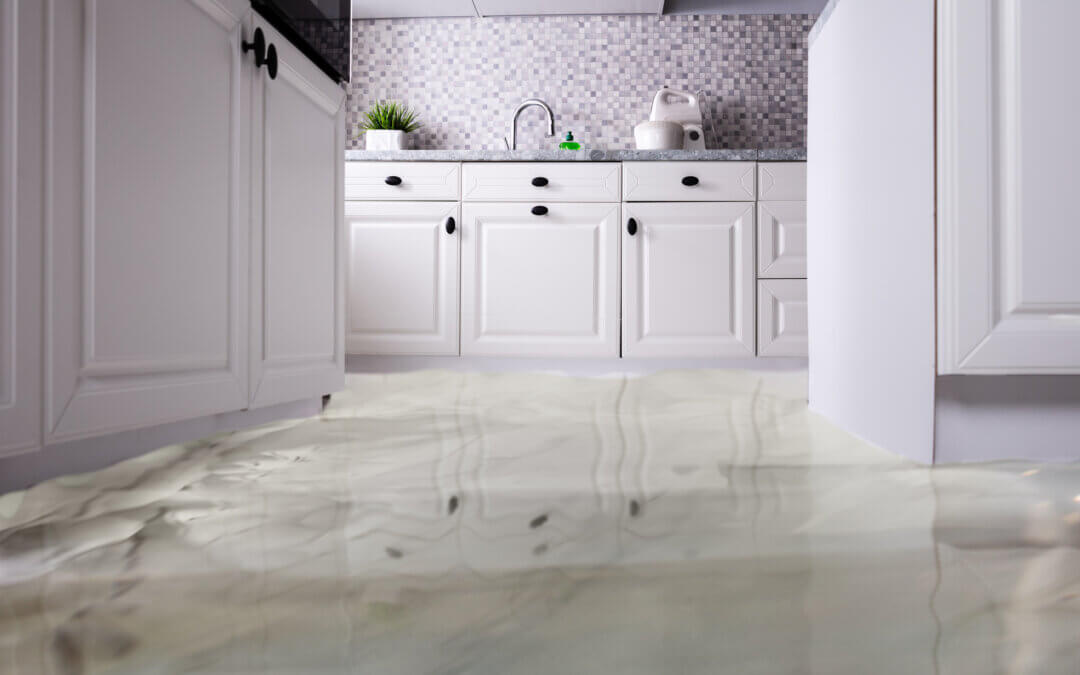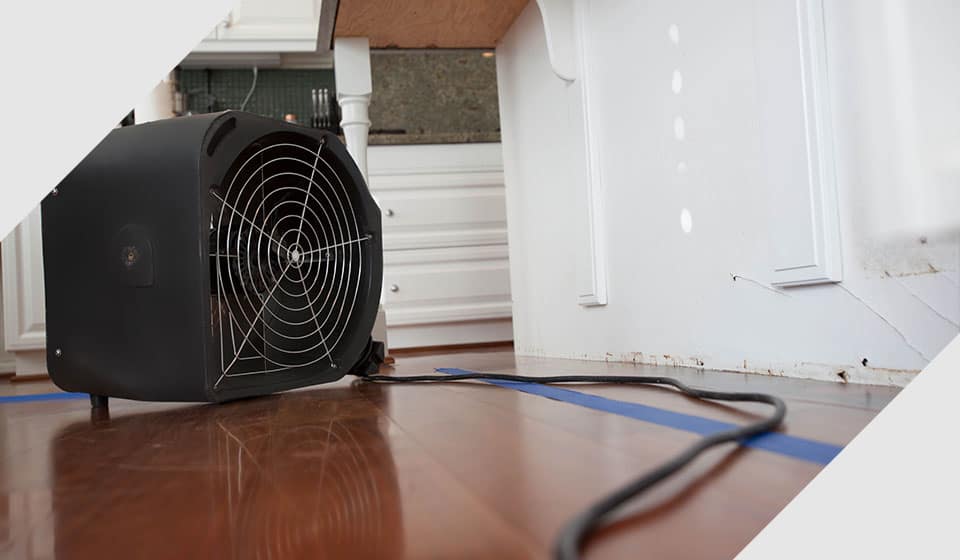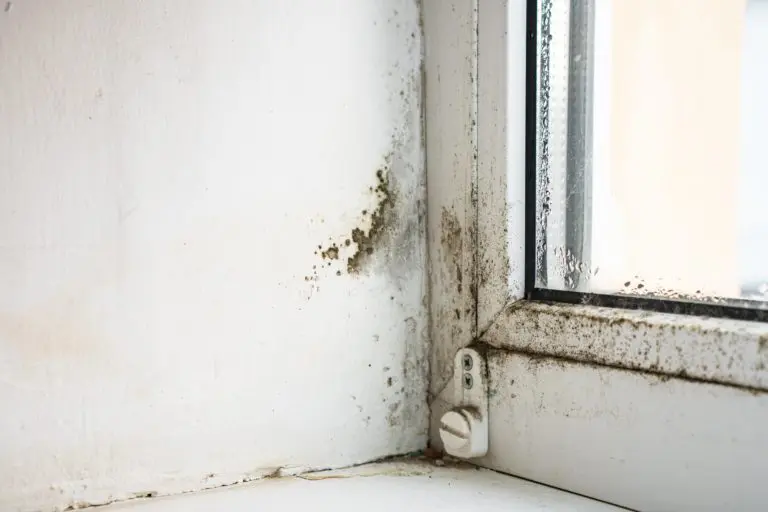
Protecting your house from water intrusion is essential for maintaining a healthy, long-lasting structure. One of the most effective solutions is the use of waterproof membranes, which serve as barriers to prevent moisture from seeping into vulnerable areas. Understanding how waterproof membranes work can help homeowners make informed decisions about safeguarding their property against leaks, mold, and costly repairs.
These specialized layers are designed to block water from entering walls, floors, roofs, and basements. Whether you’re building a new home or renovating an existing one, knowing the basics of waterproofing technology will help you choose the right products and installation methods. For those looking to further minimize risks, learning about how to install a water shut-off valve can add another layer of protection.
What Are Waterproof Membranes?
A waterproof membrane is a thin layer of material applied to surfaces in order to stop water from passing through. These membranes are commonly used in bathrooms, kitchens, basements, balconies, and roofs—anywhere that water exposure is likely. They can be made from a variety of materials, including bituminous compounds, rubber, PVC, or liquid-applied coatings.
The main purpose of these barriers is to create a continuous, seamless shield that keeps moisture out. This is especially important in areas where water can cause structural damage, promote mold growth, or ruin finishes. By understanding the science behind how waterproof membranes function, homeowners can better appreciate their role in modern construction.
Types of Waterproof Membranes Used in Homes
There are several types of waterproofing systems available, each with its own advantages and ideal applications. The two primary categories are sheet membranes and liquid-applied membranes.
- Sheet Membranes: These are pre-formed sheets, often made from bitumen, rubber, or thermoplastic materials. They are rolled out onto surfaces and joined together with adhesives or heat welding to form a watertight layer.
- Liquid-Applied Membranes: These are applied as a liquid (such as polyurethane or acrylic) and cure to form a seamless, flexible barrier. They are ideal for irregular surfaces or areas with complex shapes.
Both types are effective, but the choice depends on the specific requirements of the project, the area being protected, and the desired durability.
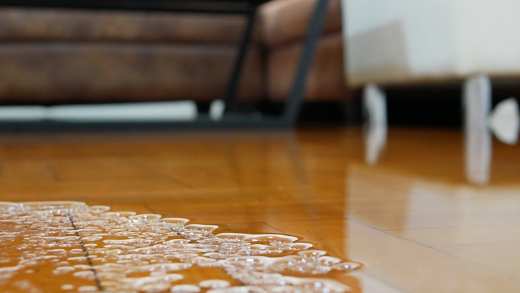
How Do Waterproof Membranes Prevent Water Damage?
The effectiveness of these barriers lies in their ability to form a continuous, impermeable layer. When installed correctly, they prevent water from penetrating surfaces and reaching the underlying structure. Here’s a closer look at the process:
- Surface Preparation: The area must be clean, dry, and free of debris. Any cracks or holes are repaired to ensure a smooth base.
- Application: Depending on the type, the membrane is either rolled out (sheet) or painted/sprayed on (liquid). Overlaps and seams are sealed to avoid gaps.
- Curing: Liquid membranes require time to cure and form a solid, flexible layer. Sheet membranes are pressed and bonded to the substrate.
- Protection: In some cases, a protective screed or tile is installed over the membrane to shield it from physical damage.
This process ensures that water cannot seep through, even if the surface is exposed to standing water or heavy rainfall. For additional strategies on minimizing water-related risks, consider exploring replacing old hoses to prevent water damage in your home.
Where Are Waterproof Membranes Most Needed?
Not every part of a house requires the same level of moisture protection. Some of the most common areas where these barriers are essential include:
- Bathrooms and Wet Rooms: Showers, bathtubs, and floors are exposed to constant moisture.
- Basements: Below-ground spaces are prone to leaks from groundwater and heavy rain.
- Roofs and Balconies: These surfaces face direct exposure to the elements.
- Kitchens and Laundries: Areas near sinks, dishwashers, and washing machines benefit from extra protection.
Proper installation in these zones can prevent costly repairs and health hazards caused by mold and mildew.
Key Benefits of Using Waterproof Membranes
Installing these protective layers offers several important advantages:
- Prevents Structural Damage: Stops water from weakening concrete, wood, and steel.
- Reduces Mold Growth: By keeping surfaces dry, it limits the conditions that allow mold to thrive.
- Improves Indoor Air Quality: Less moisture means fewer allergens and a healthier environment.
- Extends Building Lifespan: Protects investments by reducing the risk of major repairs.
- Enhances Property Value: Homes with effective moisture protection are more attractive to buyers.
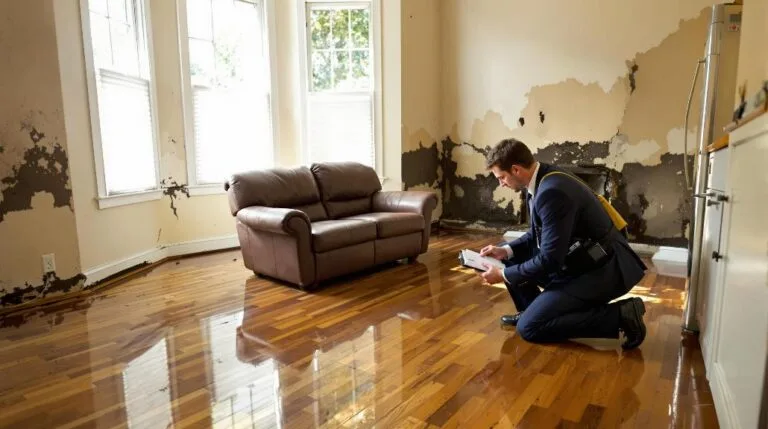
Common Installation Mistakes and How to Avoid Them
Even the best waterproofing products can fail if not applied properly. Here are some frequent errors and tips for getting the job done right:
- Insufficient Surface Preparation: Skipping cleaning or patching can lead to weak spots.
- Poor Overlapping: Failing to overlap sheets or seal seams can create entry points for water.
- Incorrect Thickness: Applying too thin a layer reduces effectiveness, especially with liquid membranes.
- Ignoring Curing Times: Rushing the process can compromise the membrane’s integrity.
- Lack of Protection: Not covering the membrane with tiles or screed in high-traffic areas can cause damage.
Hiring experienced professionals or following manufacturer guidelines closely can help avoid these issues.
Integrating Waterproofing with Other Leak Prevention Methods
While membranes are a critical defense against water intrusion, combining them with other solutions offers the best protection. For example, using leak detectors near appliances can provide early warnings of leaks before they cause major damage. Smart home devices, such as automatic shut-off valves, add another layer of security.
Regular maintenance, such as checking for cracks and keeping gutters clear, also supports the effectiveness of waterproofing systems. For more ideas, see our guide on smart home devices for leak prevention.
How to Choose the Right Waterproof Membrane for Your Home
Selecting the best product depends on several factors:
- Area of Application: Roofs, basements, and bathrooms may require different types of membranes.
- Material Compatibility: Ensure the membrane is suitable for the surface (concrete, wood, metal, etc.).
- Climate: Some products perform better in extreme temperatures or high humidity.
- Budget: Costs vary by material and installation complexity.
- Longevity: Consider the expected lifespan and maintenance needs.
Consulting with a waterproofing specialist can help you make the right choice for your specific needs.
Additional Tips for Preventing Water Damage
Beyond installing membranes, there are other practical steps you can take to protect your property:
- Inspect plumbing regularly and replace worn hoses or fittings.
- Install leak detectors and smart water shut-off valves.
- Maintain gutters and downspouts to direct water away from the foundation.
- Seal windows and doors to prevent rainwater intrusion.
- Address any signs of dampness or mold immediately.
For more expert advice, check out these tips to protect your home from water damage from industry professionals.
Frequently Asked Questions
What is the difference between waterproofing and damp proofing?
Damp proofing is designed to resist moisture in the soil, but it may not stop liquid water under pressure. Waterproofing, on the other hand, provides a complete barrier against both moisture and water, making it more suitable for areas exposed to heavy leaks or flooding.
How long do waterproof membranes last?
The lifespan varies depending on the material and installation quality. Most high-quality membranes can last 10–20 years or more with proper maintenance. Regular inspections help ensure continued protection.
Can I install a waterproof membrane myself?
Some liquid-applied products are suitable for DIY projects, especially in small areas like bathrooms. However, for large surfaces or complex installations, hiring a professional is recommended to ensure proper application and long-term effectiveness.
Are there smart solutions to detect leaks early?
Yes, modern technology offers smart leak detectors and automatic shut-off valves that can alert you to leaks and even stop water flow automatically. Learn more about how to maintain appliance water lines and integrate these devices for added peace of mind.