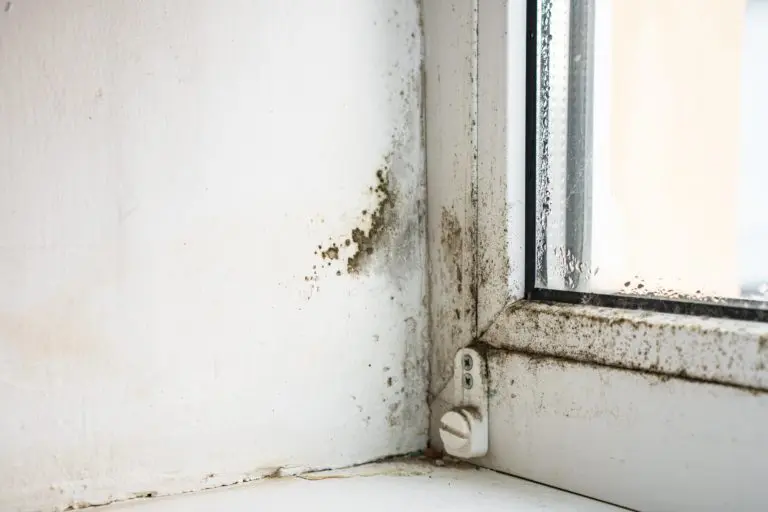
Protecting a house from water intrusion is essential for maintaining its structure and preventing costly damage. One of the most effective solutions is the use of waterproof membranes, which act as barriers to stop moisture from seeping into walls, floors, and roofs. Understanding how waterproof membranes work is crucial for homeowners who want to safeguard their property and avoid issues like mold, rot, and structural weakening.
These protective layers are commonly used in areas prone to water exposure, such as bathrooms, basements, balconies, and roofs. By blocking water at the source, they help extend the lifespan of building materials and reduce the risk of hidden leaks. For those interested in other ways to prevent water-related issues, learning about how to install a water shut-off valve can also be beneficial.
Understanding the Role of Waterproof Membranes
A waterproof membrane is a thin layer of material applied to surfaces to prevent water from passing through. These membranes are designed to be both flexible and durable, allowing them to adapt to building movement without cracking or losing effectiveness. Their main purpose is to form a continuous barrier that keeps moisture out of vulnerable areas.
There are two primary types of membranes used in residential construction:
- Liquid-applied membranes: These are painted or sprayed onto surfaces, forming a seamless, rubber-like layer once cured.
- Sheet membranes: Pre-formed sheets, often made of bitumen, PVC, or other polymers, are rolled out and adhered to surfaces.
Both types are effective when installed correctly, but the choice depends on the specific application and the area being protected.
How These Barriers Prevent Water Damage
To appreciate how waterproof membranes work, it’s helpful to look at the science behind them. Water can enter a home through capillary action, hydrostatic pressure, or simple leaks. Membranes stop this by creating a non-porous layer that water cannot penetrate.
In areas like basements, where groundwater pressure can be significant, a well-installed membrane prevents water from seeping through concrete or masonry. On roofs and balconies, these barriers keep rain and melting snow from finding their way inside, even if the surface develops small cracks over time.
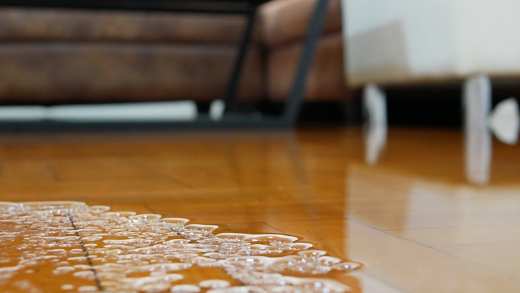
Common Applications in Residential Settings
Homeowners encounter waterproofing membranes in several key areas:
- Bathrooms and wet rooms: Membranes are applied beneath tiles and around showers to stop leaks and protect subfloors.
- Basements: These areas are vulnerable to groundwater, so membranes are often installed on walls and floors to keep interiors dry.
- Roofs and balconies: Flat or low-slope roofs benefit from a membrane layer that prevents rainwater from penetrating the structure.
- Foundations: Exterior membranes shield the base of a home from soil moisture and hydrostatic pressure.
In each of these locations, the membrane must be continuous and properly sealed at joints, corners, and penetrations to ensure full protection.
Installation Process and Best Practices
The effectiveness of a waterproofing system depends largely on correct installation. Here’s a general overview of the process:
- Surface preparation: The area must be clean, dry, and free of dust or debris. Any cracks or holes should be repaired before applying the membrane.
- Priming: Some surfaces require a primer to help the membrane adhere properly.
- Application: For liquid membranes, the product is rolled, brushed, or sprayed on in multiple coats. Sheet membranes are rolled out, cut to fit, and bonded to the surface, with overlaps at seams.
- Detailing: Special attention is given to corners, joints, and penetrations (like pipes), often using reinforcing tape or additional layers.
- Testing: Once cured, the membrane may be tested for leaks before tiles or finishes are installed.
For those interested in proactive leak prevention, consider reading about how to use leak detectors near appliances to catch issues early.
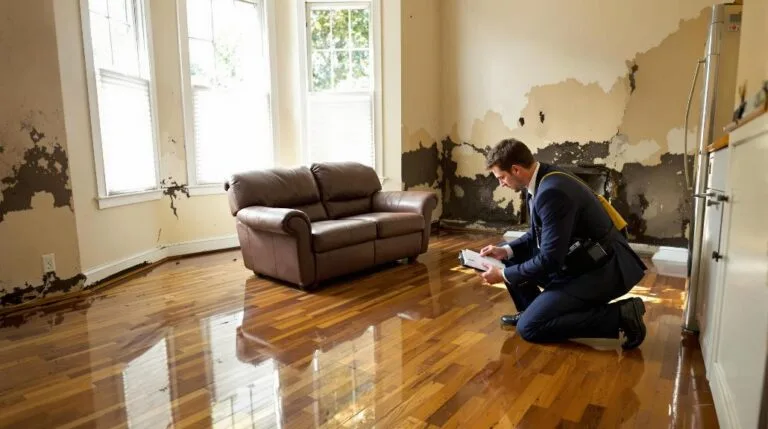
Benefits of Using Waterproofing Membranes
There are several advantages to incorporating these protective layers in home construction and renovation:
- Prevents costly repairs: By stopping water ingress, membranes help avoid damage to walls, floors, and foundations.
- Reduces mold and mildew: Keeping moisture out discourages the growth of harmful fungi.
- Improves indoor air quality: Dry interiors are healthier and more comfortable for occupants.
- Extends building lifespan: Protecting structural elements from water increases their durability.
- Enhances property value: Homes with robust waterproofing are more attractive to buyers and insurers.
For additional tips on safeguarding your property, you can explore expert advice on preventing water damage at home.
Maintenance and Long-Term Protection
While membranes are designed to last, regular inspection is important. Over time, movement in the building, UV exposure, or accidental punctures can compromise the barrier. Homeowners should check for signs of leaks, bubbling, or visible damage, especially after severe weather.
In addition to membranes, simple steps like replacing old hoses to prevent water damage and maintaining appliance water lines can further reduce risk. Combining physical barriers with smart leak detection systems offers a comprehensive approach to home protection.
Frequently Asked Questions
What is the difference between waterproof and water-resistant membranes?
Waterproof membranes completely block water from passing through, making them suitable for areas with constant or heavy moisture exposure. Water-resistant materials only slow down water penetration and are best for less critical areas.
How long do waterproof membranes typically last?
The lifespan depends on the type of membrane, installation quality, and exposure conditions. Most high-quality membranes can last 10–20 years or more when properly maintained and protected from physical damage.
Can I install a waterproof membrane myself, or should I hire a professional?
While some liquid-applied membranes are marketed for DIY use, achieving a continuous, leak-free barrier requires attention to detail and proper techniques. For critical areas like basements or roofs, professional installation is recommended to ensure full protection.
Conclusion
Understanding how waterproof membranes work empowers homeowners to make informed decisions about protecting their property. By choosing the right type of membrane, ensuring correct installation, and performing regular maintenance, you can prevent water intrusion and the many problems it causes. For a more comprehensive strategy, consider integrating smart home solutions, such as smart home devices for leak prevention, to monitor and address leaks before they become major issues.