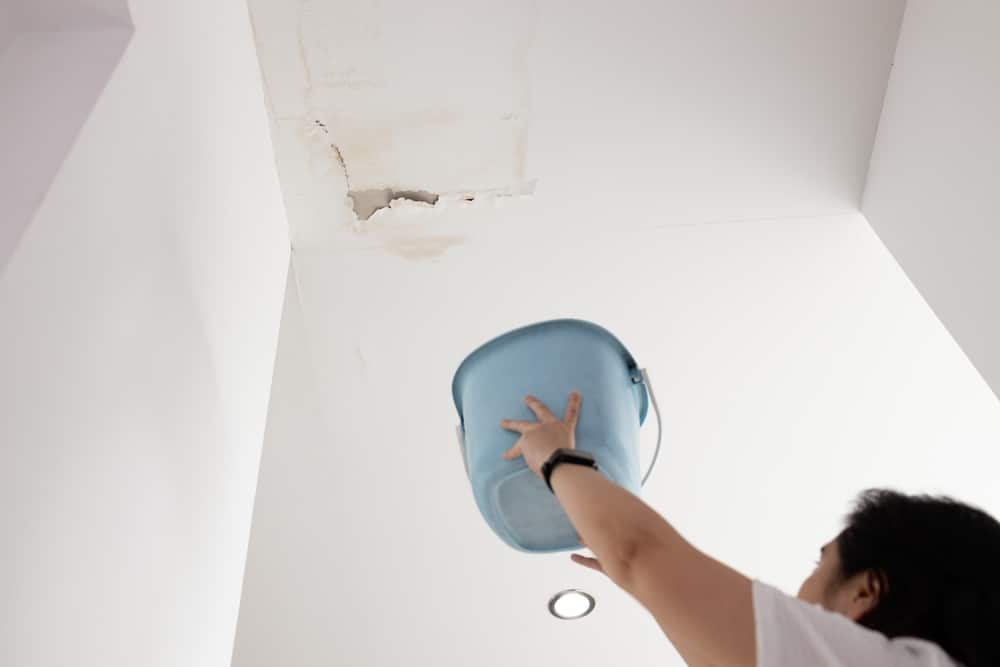
Keeping your kitchen’s plumbing in top condition is essential for preventing costly water damage and maintaining a safe, healthy home. Even minor leaks or neglected fixtures can lead to mold growth, damaged cabinetry, and expensive repairs. By following a set of practical kitchen plumbing maintenance tips, you can reduce the risk of unexpected problems and keep your kitchen running smoothly.
Proactive care not only helps you avoid emergencies but also extends the lifespan of your plumbing system. Alongside regular checks, it’s wise to stay informed about related home maintenance strategies, such as using a roof inspection checklist to prevent leaks from above. Let’s explore the most effective ways to keep your kitchen plumbing in excellent shape and safeguard your home from water-related issues.
Why Regular Kitchen Plumbing Checks Matter
Many homeowners underestimate the impact of routine inspections and upkeep. Over time, pipes, faucets, and connections can wear out or develop small leaks. If left unchecked, these issues may escalate into significant water damage, leading to warped floors, ruined cabinets, and even structural problems.
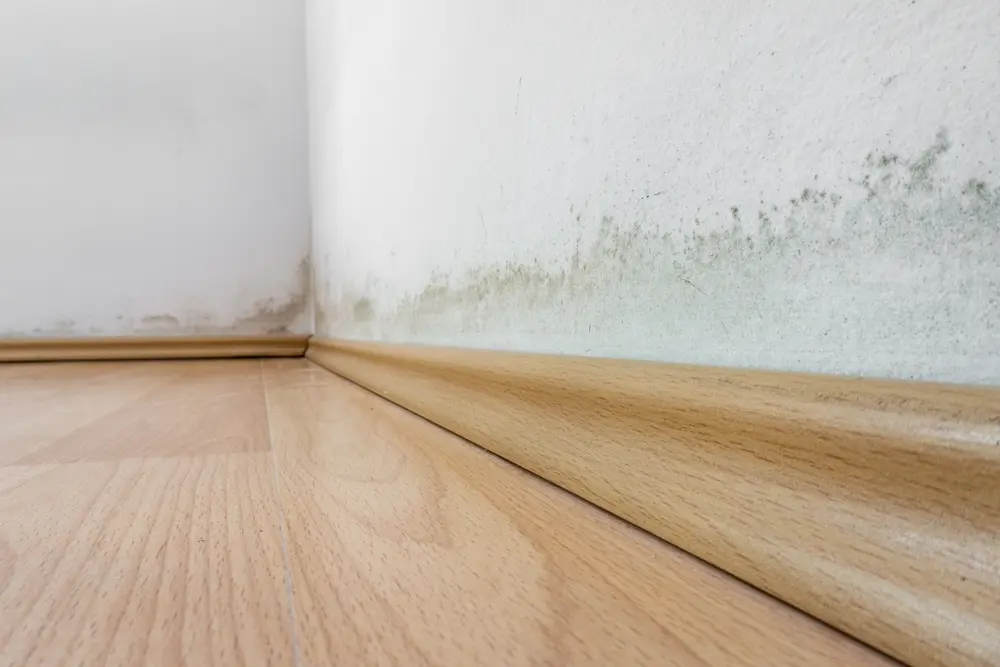
Regularly applying kitchen plumbing maintenance tips helps you catch minor problems early. This approach not only saves money on repairs but also preserves the value of your home. In addition, a well-maintained plumbing system supports better hygiene and reduces the risk of mold and mildew, which thrive in damp environments.
Essential Steps for Maintaining Kitchen Plumbing
A proactive approach to plumbing care involves several key habits. Here are the most important actions to incorporate into your regular home maintenance routine:
- Inspect under-sink areas: Check beneath your sink for signs of moisture, discoloration, or musty odors. These can indicate slow leaks or condensation issues.
- Test faucet connections: Gently wiggle faucet handles and spouts to ensure they’re secure. Tighten any loose fittings and look for drips around the base.
- Monitor water pressure: Excessive pressure can strain pipes and joints, increasing the risk of leaks. If you notice a sudden change in pressure, investigate promptly.
- Clean sink drains regularly: Prevent clogs by flushing drains with hot water and a mild solution of baking soda and vinegar. Avoid pouring grease or food scraps down the drain.
- Check appliance hoses: Inspect the supply lines for dishwashers and refrigerators for cracks, bulges, or signs of wear. Replace hoses every five years or sooner if needed.
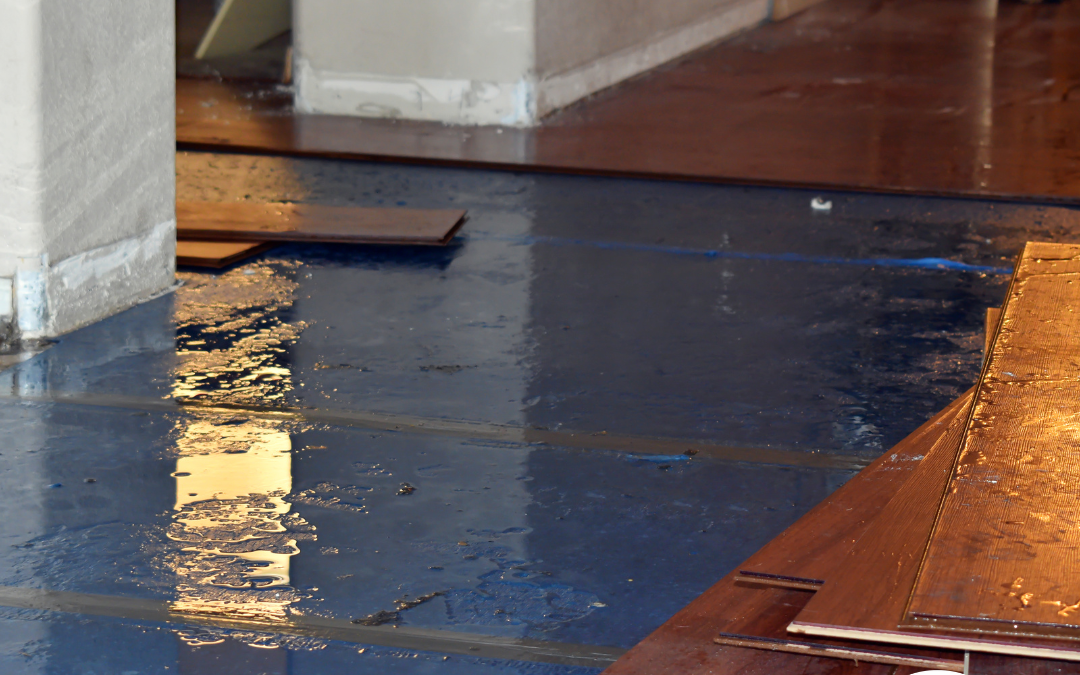
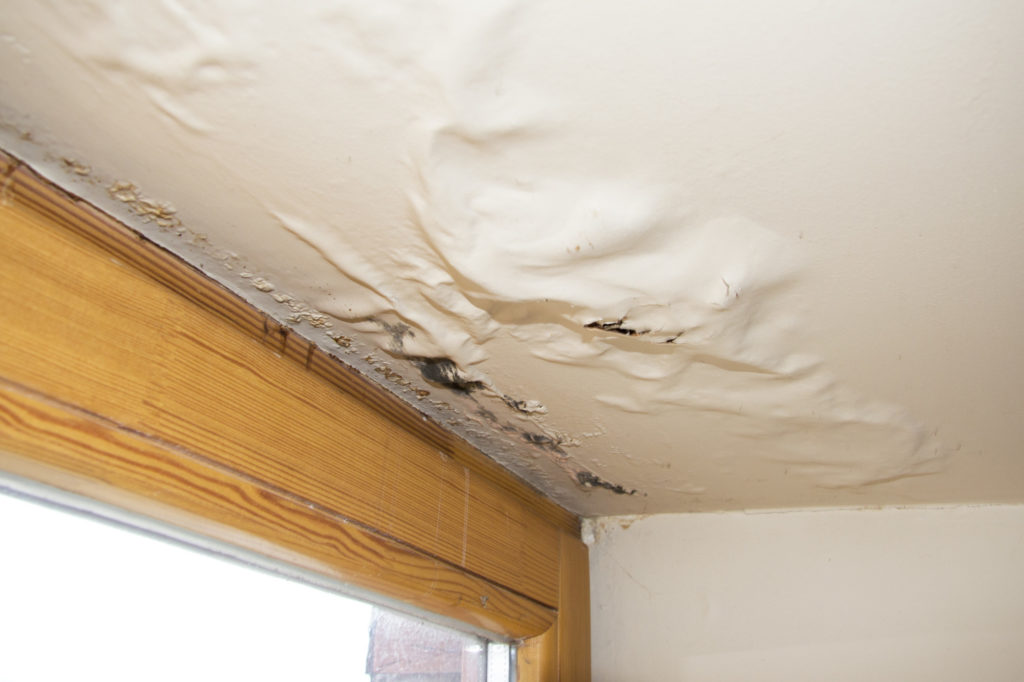
- Look for water stains: Examine the walls and floors around your kitchen for discoloration, bubbling paint, or warped materials, which may signal hidden leaks.
Preventing Leaks and Water Damage With Smart Devices
Modern technology offers additional protection against plumbing mishaps. Installing leak detectors or smart shut-off valves can alert you to problems before they cause major damage. These devices are especially useful in kitchens, where leaks can quickly go unnoticed behind cabinetry or appliances.
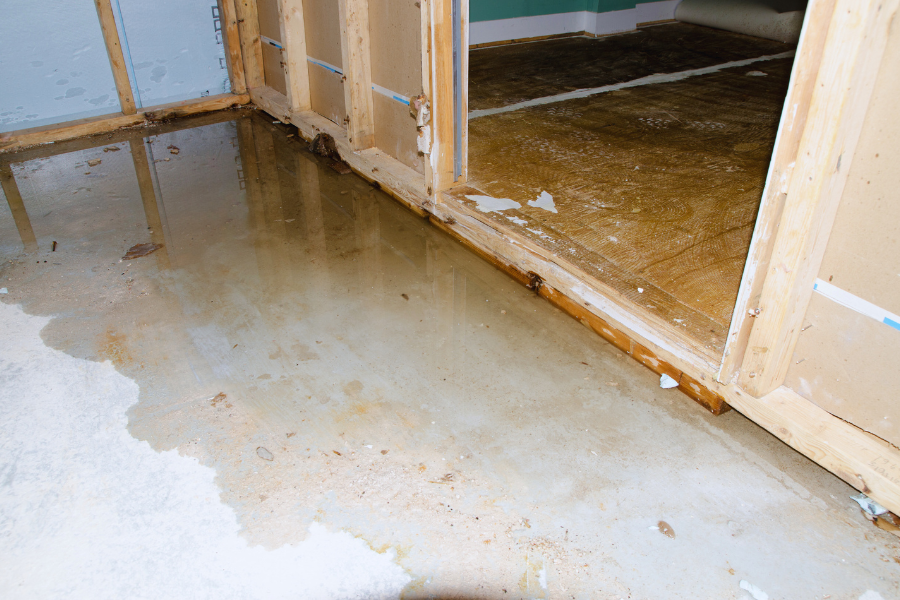
Leak detectors can be placed under sinks, near dishwashers, or behind refrigerators. If water is detected, you’ll receive an alert on your phone or through a home automation system, allowing you to act quickly. For more on protecting your home’s interior, see these tips for preventing water damage indoors.
Addressing Common Kitchen Plumbing Problems
Even with the best maintenance, issues can still arise. Knowing how to spot and address common problems is an important part of any homeowner’s toolkit. Here are some frequent trouble spots and how to handle them:
- Dripping faucets: Worn washers or seals are often to blame. Replacing these parts is usually straightforward and can stop the leak.
- Slow drains: Build-up from soap, grease, or debris can restrict water flow. Use a plunger or a drain snake to clear minor blockages. Avoid chemical drain cleaners, which can damage pipes.
- Leaky supply lines: If you spot moisture around supply hoses, shut off the water and replace the faulty line as soon as possible.
- Garbage disposal issues: If your disposal jams or makes unusual noises, turn off the power and check for obstructions. Never use your hands to clear jams; use pliers or a disposal wrench.
If you encounter persistent leaks or suspect a hidden problem, it’s best to consult a licensed plumber. Prompt attention can prevent minor issues from turning into major repairs.
How to Spot Early Signs of Water Damage in the Kitchen
Early detection is key to minimizing the impact of leaks and moisture problems. Watch for these warning signs:
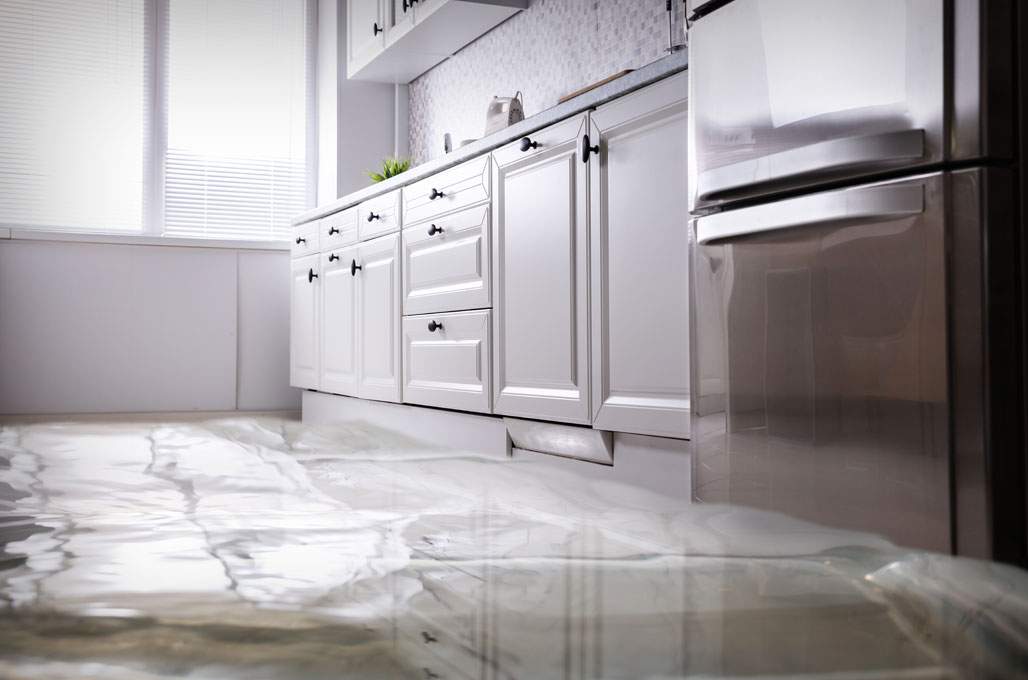
- Unexplained puddles or dampness under sinks or near appliances
- Musty odors that linger even after cleaning
- Peeling paint or wallpaper on kitchen walls
- Warped or discolored cabinetry and flooring
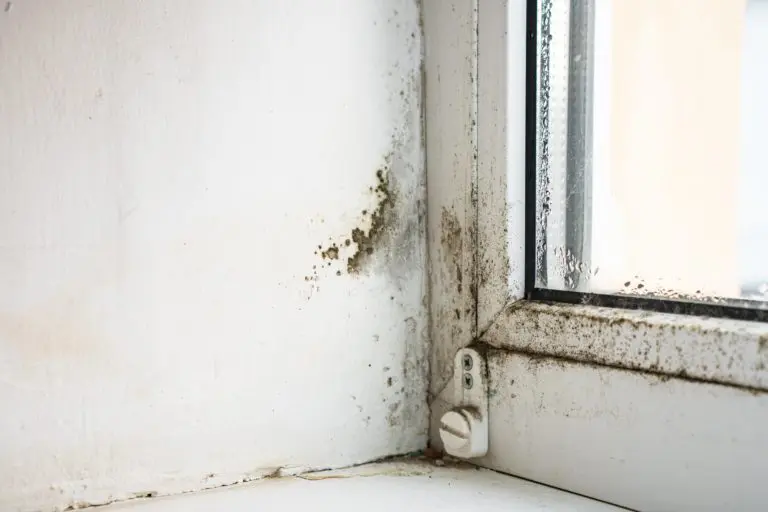
- Mold or mildew growth in corners or behind appliances
If you notice any of these symptoms, investigate immediately. Quick action can prevent further damage and reduce repair costs.
Integrating Kitchen Plumbing Upkeep With Whole-Home Maintenance
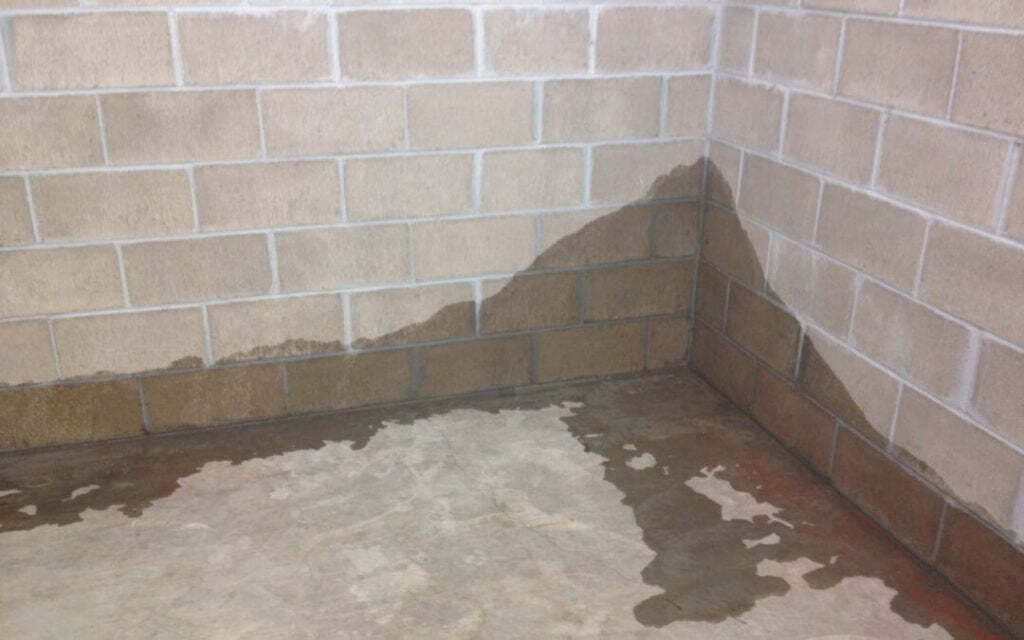
Taking care of your kitchen’s plumbing is just one part of a comprehensive home maintenance plan. For best results, coordinate your efforts with other preventative measures, such as learning how to maintain exterior drainage to keep water away from your foundation. Regularly reviewing all water-related systems in your home ensures you’re prepared for seasonal changes and unexpected weather events.
Consistent attention to your kitchen’s pipes, fixtures, and appliances helps you avoid surprises and maintain a comfortable, safe environment. By combining these strategies with smart technology and timely repairs, you can protect your home from the most common sources of water damage.
FAQ: Kitchen Plumbing and Water Damage Prevention
How often should I inspect my kitchen plumbing for leaks?
It’s a good idea to check under sinks, around appliances, and at all visible connections at least once a month. Early detection of leaks or moisture can prevent more serious water damage and costly repairs.
What are the most common causes of kitchen water damage?
The most frequent culprits include leaking faucets, worn supply hoses, clogged drains, and malfunctioning appliances. Regularly applying kitchen plumbing maintenance tips helps address these issues before they escalate.
Are smart leak detectors worth installing in the kitchen?
Yes, smart leak detectors provide real-time alerts if water is detected in vulnerable areas. This technology can help you respond quickly to leaks and prevent extensive damage, making it a valuable addition to your kitchen and other high-risk areas.