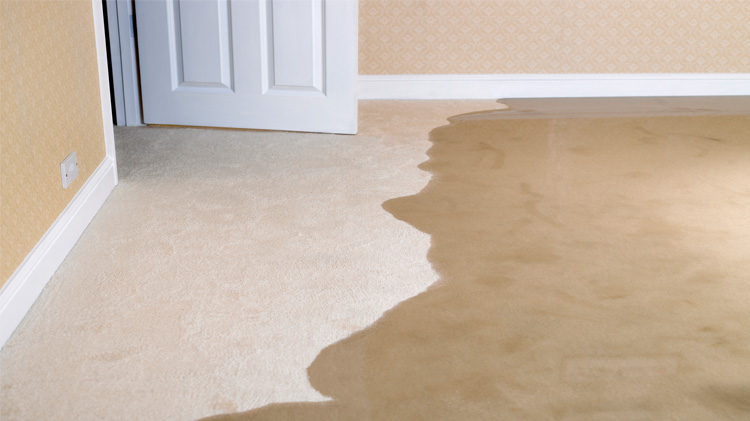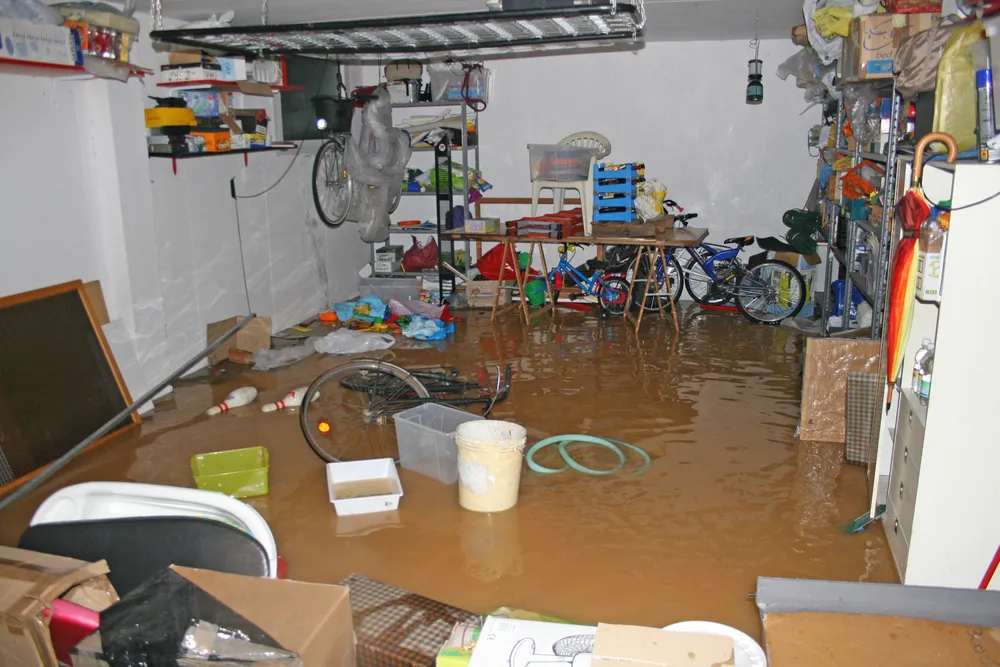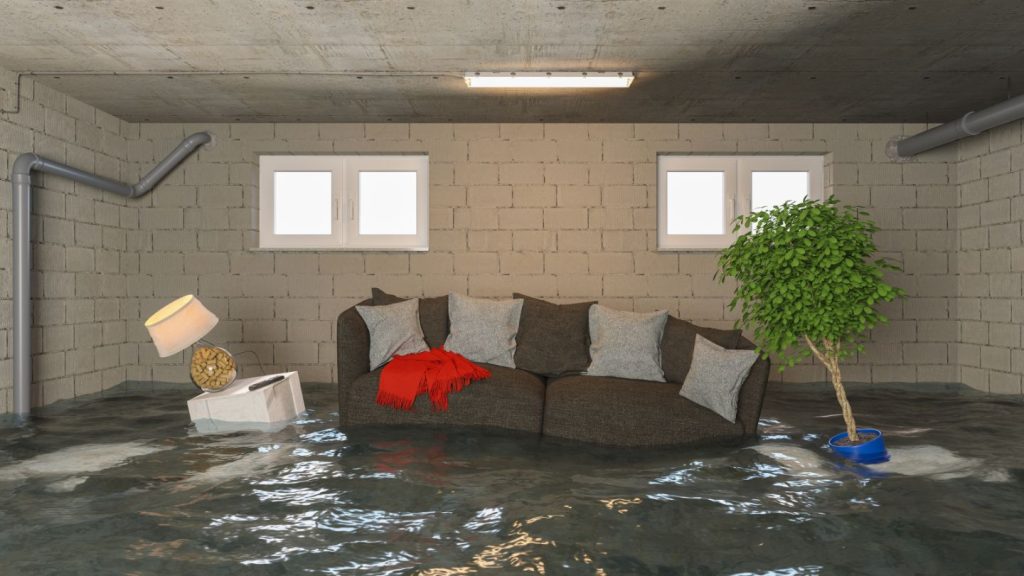
Keeping your basement dry and free from water damage is a top priority for any homeowner. One of the most effective ways to prevent flooding and moisture issues is by maintaining your sump pump regularly. A well-cared-for sump pump can be the difference between a dry, safe home and costly repairs due to water intrusion. This guide will walk you through essential maintenance steps, troubleshooting tips, and best practices to ensure your sump pump works when you need it most.
If you’re also concerned about moisture seeping through basement walls, you may find it helpful to read about how to seal basement walls for additional protection.
Why Sump Pump Upkeep Matters
Sump pumps are designed to remove excess water from your basement or crawl space, especially during heavy rain or rapid snowmelt. Without regular attention, these devices can fail unexpectedly, leaving your home vulnerable to flooding. Routine care not only extends the life of your pump but also gives you peace of mind during stormy weather.
Neglecting sump pump maintenance can result in:
- Basement flooding and water damage
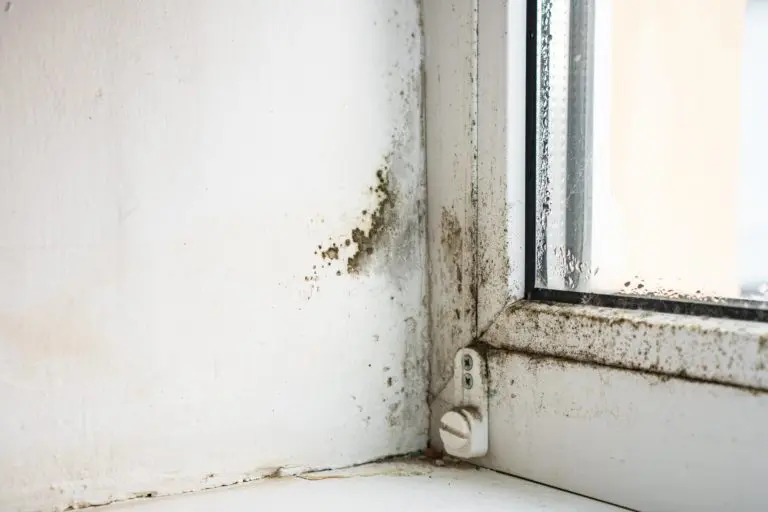
- Mold and mildew growth
- Costly repairs or pump replacement
- Insurance claim complications
Routine Sump Pump Maintenance Checklist
To keep your sump system in top condition, follow this straightforward checklist. Performing these tasks at least twice a year—ideally in spring and fall—can help ensure reliable operation.
Inspect the Power Source
Make sure your pump is plugged into a working ground fault circuit interrupter (GFCI) outlet. Test the outlet and reset it if necessary. Power interruptions are a common cause of sump pump failure.
Test Pump Activation
Pour a bucket of water into the sump pit. The pump should activate automatically and begin removing water. If it doesn’t, check for clogs or electrical issues.
Clean the Sump Pit
Remove any debris, dirt, or gravel from the pit. Accumulated debris can clog the pump’s intake and reduce efficiency.
Check the Discharge Line
Inspect the discharge pipe for blockages, freezing, or disconnections. The line should direct water away from your home’s foundation to prevent recirculation.
Examine the Float Switch
The float switch triggers the pump when water rises. Ensure it moves freely and isn’t obstructed. A stuck float is a frequent cause of pump malfunction.
Clear the Pump Inlet Screen
Unplug the pump and remove it from the pit. Clean the inlet screen of any buildup to maintain proper water flow.
Look for Signs of Wear
Inspect the pump for rust, corrosion, or cracks. Listen for unusual noises during operation, which may indicate a failing motor or impeller.
Preventing Water Damage with Proper Sump Pump Care
Regular attention to your sump system is a key part of protecting your home from water intrusion. In addition to the steps above, consider these extra precautions:
- Install a battery backup system to keep your pump running during power outages.
- Keep a replacement pump on hand if your area is prone to severe storms.
- Schedule annual professional inspections for added assurance.
- Pair sump pump maintenance with other home protection strategies, such as ways to prevent basement flooding and waterproofing your basement.
Troubleshooting Common Sump Pump Problems
Even with regular care, issues can arise. Here are some frequent problems and how to address them:
- Pump won’t start: Check for power supply issues, a stuck float, or a tripped circuit breaker.
- Pump runs continuously: The float switch may be jammed, or the check valve could be faulty.
- Strange noises: Grinding or rattling sounds may signal debris in the impeller or a failing motor.
- Slow drainage: Inspect the discharge line for clogs or freezing.
If you’re unsure about a repair, consult a licensed plumber to avoid further damage.

Integrating Sump Pump Maintenance into Your Home Routine
Making sump pump checks a regular part of your home care routine can save you time, money, and stress. Pair these inspections with other seasonal tasks, such as checking for pipe leaks (see how often to check pipes for leaks), cleaning gutters, and inspecting your foundation.
For additional tips on safeguarding your property, you can review expert advice on preventing water damage from trusted restoration professionals.
Frequently Asked Questions
How often should I check my sump pump?
It’s recommended to inspect and test your sump pump at least twice a year—once in the spring and once in the fall. If you live in an area with frequent storms or high water tables, consider checking it more often.
What are signs my sump pump needs replacement?
Warning signs include frequent cycling, loud or unusual noises, visible rust or cracks, and failure to remove water efficiently. Most sump pumps last 7–10 years with proper care.
Can I perform sump pump maintenance myself?
Yes, most routine tasks like cleaning the pit, testing the float switch, and inspecting the discharge line can be done by homeowners. For electrical issues or pump replacement, it’s best to consult a professional.
How can I further protect my basement from water?
Combine sump pump care with other strategies such as sealing basement walls, improving drainage, and using leak detectors. For more, see our guide on why basements flood after heavy rain and how to address common causes.