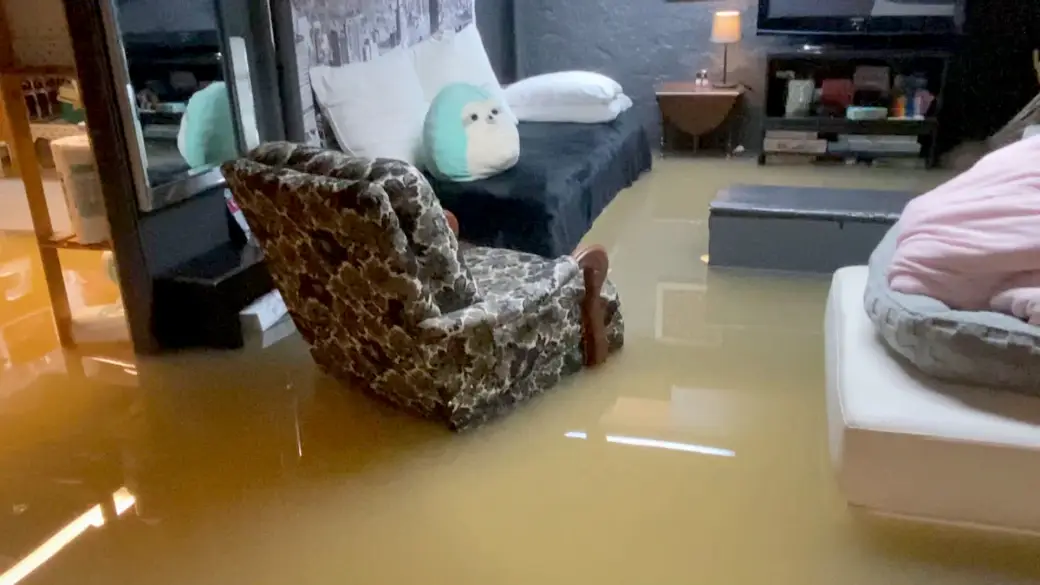
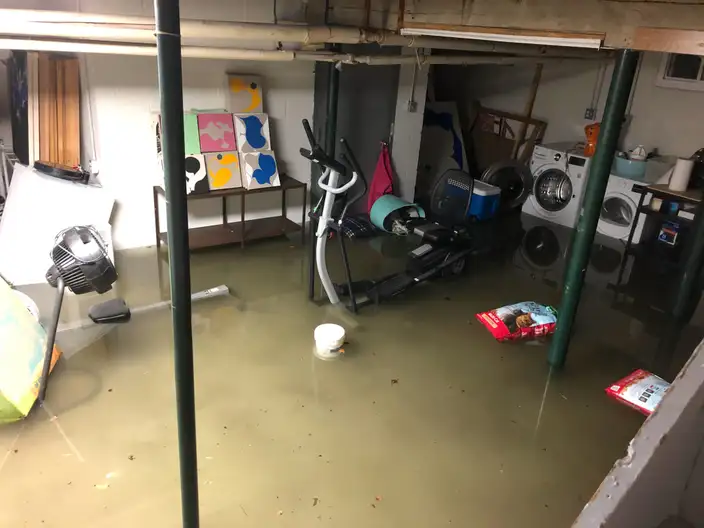
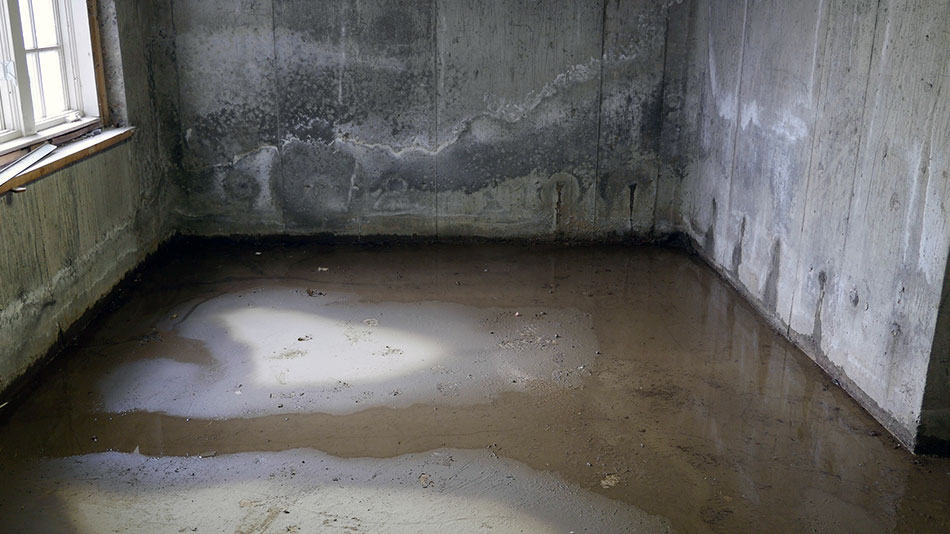
Preparing your home for the challenges of the rainy season is essential for protecting your property and loved ones. Monsoon flooding can cause significant damage, disrupt daily life, and lead to costly repairs if the right steps aren’t taken in advance. This guide provides practical advice and actionable steps for monsoon flood home preparation, helping you minimize risks and stay safe during heavy rains.
By understanding the risks, inspecting your property, and implementing key prevention strategies, you can safeguard your home against water intrusion and related hazards. For a comprehensive approach to flood safety, you may also want to review the flood prevention checklist for homeowners, which covers additional tips and best practices.

Understanding Monsoon Flood Risks
Monsoon seasons bring intense and prolonged rainfall, which can overwhelm drainage systems and lead to flash floods. Homes located in low-lying areas or near rivers are especially vulnerable. Even properties outside traditional flood zones can experience water damage due to clogged gutters, poor landscaping, or overwhelmed municipal systems.
Key risks associated with monsoon flooding include:
- Structural damage to foundations, walls, and floors
- Mold growth and poor indoor air quality
- Electrical hazards from water intrusion
- Loss of valuable possessions and disruption of daily routines
Essential Steps for Monsoon Flood Home Preparation
Taking proactive measures before the rainy season can make a significant difference in how your home withstands heavy rainfall. Here are crucial steps to help you get ready:
Inspect and Maintain Drainage Systems
Regularly check gutters, downspouts, and drains for debris. Clean them out to ensure water flows away from your home efficiently. Consider installing gutter guards to reduce maintenance needs. Make sure downspouts direct water at least six feet away from your foundation.
Seal Vulnerable Entry Points
Examine windows, doors, and basement walls for cracks or gaps. Use waterproof sealants to close any openings where water could seep in. Pay special attention to basement windows and ground-level doors, as these are common entry points for floodwater.
Elevate and Protect Valuables
Store important documents, electronics, and irreplaceable items on higher shelves or upper floors. Use waterproof containers for additional protection. If your home has a basement, avoid storing valuables directly on the floor.

Install Flood Detection and Prevention Devices
Modern technology offers effective solutions for early detection and prevention. Consider installing smart flood prevention technology such as water leak detectors, sump pumps with alarms, and automated shutoff valves. These devices can alert you to water intrusion and help minimize damage before it escalates.
Landscape for Better Water Flow
Ensure your yard slopes away from your home’s foundation. Use gravel, swales, or French drains to direct water away from the building. Avoid planting trees or shrubs with invasive roots near the foundation, as they can damage drainage systems.
Emergency Planning for Flood Events
Even with the best preparation, severe weather can still cause unexpected flooding. Having an emergency plan ensures you and your family know what to do if water starts to rise.
- Prepare an emergency kit with flashlights, batteries, bottled water, non-perishable food, and first aid supplies.
- Identify safe evacuation routes and share them with all household members.
- Keep important contact numbers handy, including local emergency services and your insurance provider.
- Practice turning off electricity, gas, and water at the main switches or valves.
For more detailed advice on automating your home’s response to flooding, explore automated flood protection systems and how they can enhance your safety during emergencies.
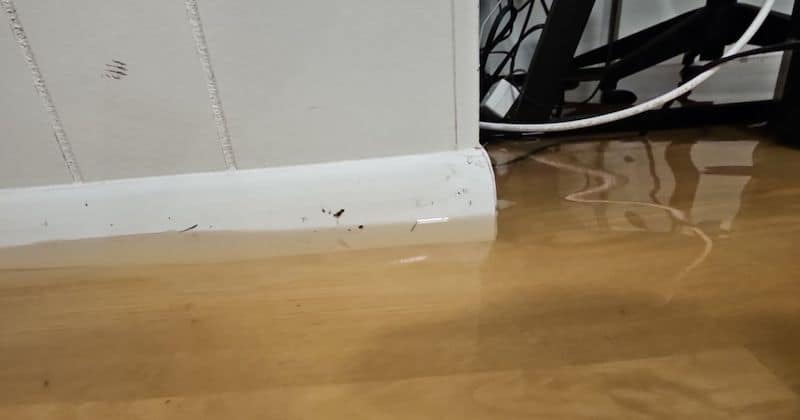
After the Flood: Recovery and Safety Tips
Once the water recedes, it’s important to approach recovery with caution. Floodwaters can leave behind hazards such as contaminated surfaces, weakened structures, and electrical dangers.
- Wait for official clearance before re-entering your home.
- Wear protective gear such as gloves and boots during cleanup.
- Document damage with photos and contact your insurance provider promptly.
- Dry out affected areas as quickly as possible to prevent mold growth.
- Have a qualified electrician inspect your home before restoring power.
For a more detailed breakdown of recovery steps and ongoing protection, review resources like the official flood preparation guidelines from trusted authorities.
Long-Term Strategies for Flood Resilience
Building resilience against future flooding involves more than just seasonal preparation. Consider these long-term strategies:
- Upgrade to water-resistant building materials in basements and ground floors.
- Install backflow valves to prevent sewage backup during heavy rains.
- Invest in remote water shutoff systems for added peace of mind.
- Stay informed about local flood risks and participate in community preparedness programs.
Regularly updating your flood plan and investing in smart home solutions can reduce long-term risks and help you recover faster after an event. For more information on real-time alerts and monitoring, see how smart home flood alerts can provide early warnings and help prevent costly damage.
Frequently Asked Questions
What are the most important steps for preparing my home for monsoon flooding?
The most crucial steps include cleaning gutters and drains, sealing cracks and entry points, elevating valuables, and installing flood detection devices. Creating an emergency plan and keeping supplies ready are also essential for safety.
How can technology help protect my home from flood damage?
Devices like water leak detectors, smart sump pumps, and automated shutoff valves can provide early warnings and help prevent extensive damage. Many systems offer real-time alerts, allowing you to respond quickly even if you’re not at home.
Is flood insurance necessary if I don’t live in a high-risk area?
Flooding can occur outside designated risk zones due to unexpected weather or drainage failures. Insurance provides financial protection and peace of mind, making it a wise investment for most homeowners.