Preparing your home for the monsoon season is essential to protect your property and belongings from water damage. Intense rainfall, strong winds, and sudden storms can expose vulnerabilities in your house, leading to costly repairs and potential safety hazards. This monsoon rain prevention guide provides practical steps and proven strategies to help homeowners safeguard their homes before, during, and after heavy rains.
Taking proactive measures not only minimizes the risk of leaks and flooding but also ensures peace of mind throughout the rainy months. From inspecting roofs and gutters to using smart leak detectors, there are several effective ways to keep your home dry and secure. For those interested in additional preventive maintenance, learning about how to install a water shut-off valve can further reduce the risk of water-related emergencies.
Why Monsoon Rain Protection Matters
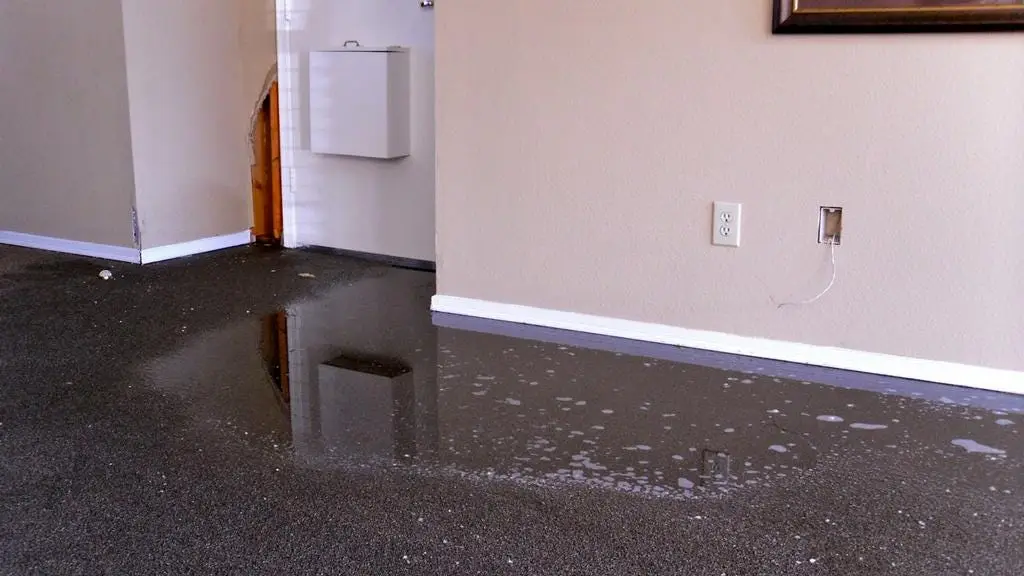
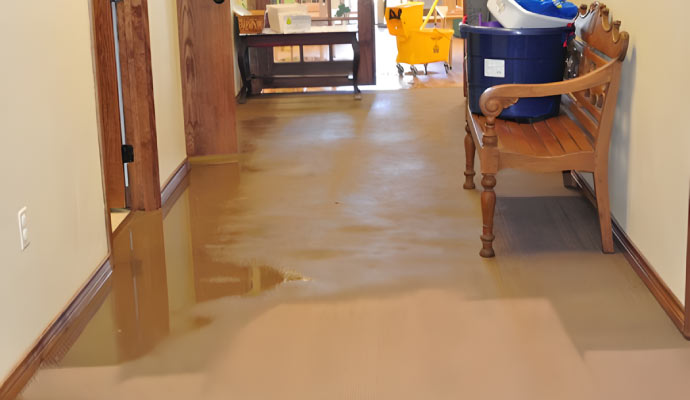
Heavy rainfall can cause more than just puddles around your property. Without proper preparation, water can seep into basements, damage foundations, and ruin interiors. Mold growth, electrical hazards, and structural weakening are common consequences of unchecked water intrusion. By following a comprehensive monsoon rain prevention guide, you can avoid these issues and maintain the integrity of your home.
Insurance claims for water damage often spike during the rainy season, and not all policies cover every type of incident. Preventive action is always more cost-effective than dealing with the aftermath of a flood or leak.
Essential Steps to Prepare Your Home for Monsoon Season
Inspect and Repair Your Roof
Start by examining your roof for missing, cracked, or loose shingles. Damaged roofing materials are a primary entry point for rainwater. Address any issues promptly to prevent leaks. If your roof is older or has a history of problems, consider a professional inspection before the first major storm.
Clean and Maintain Gutters and Downspouts
Clogged gutters can cause water to overflow and pool near your foundation, increasing the risk of basement flooding. Remove leaves, twigs, and debris from gutters and downspouts. Ensure that downspouts direct water at least five feet away from your home’s foundation.
Seal Windows, Doors, and Cracks
Check for gaps or cracks around windows and doors. Use weatherproof sealant or caulk to close any openings. Inspect your foundation for visible cracks and seal them to prevent water from seeping into basements or crawl spaces.
Safeguard Basements and Low-Lying Areas
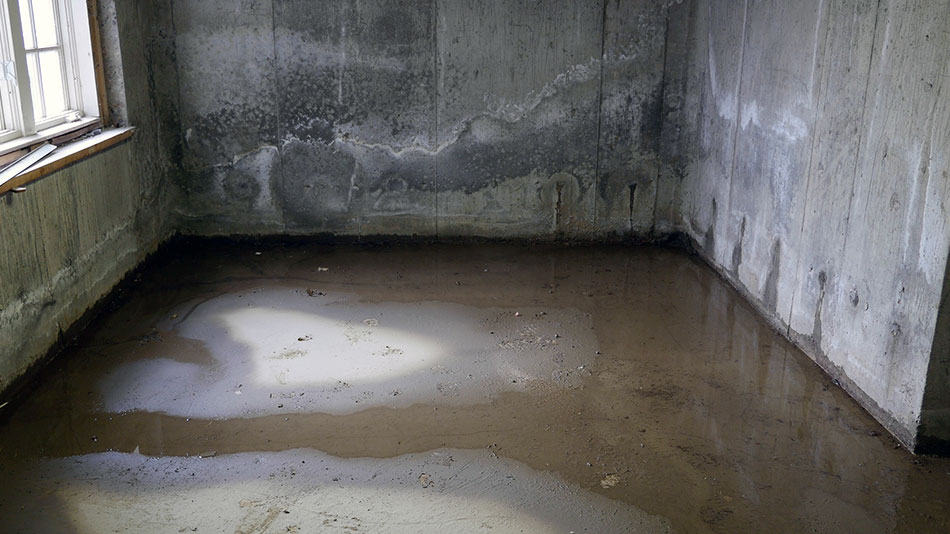
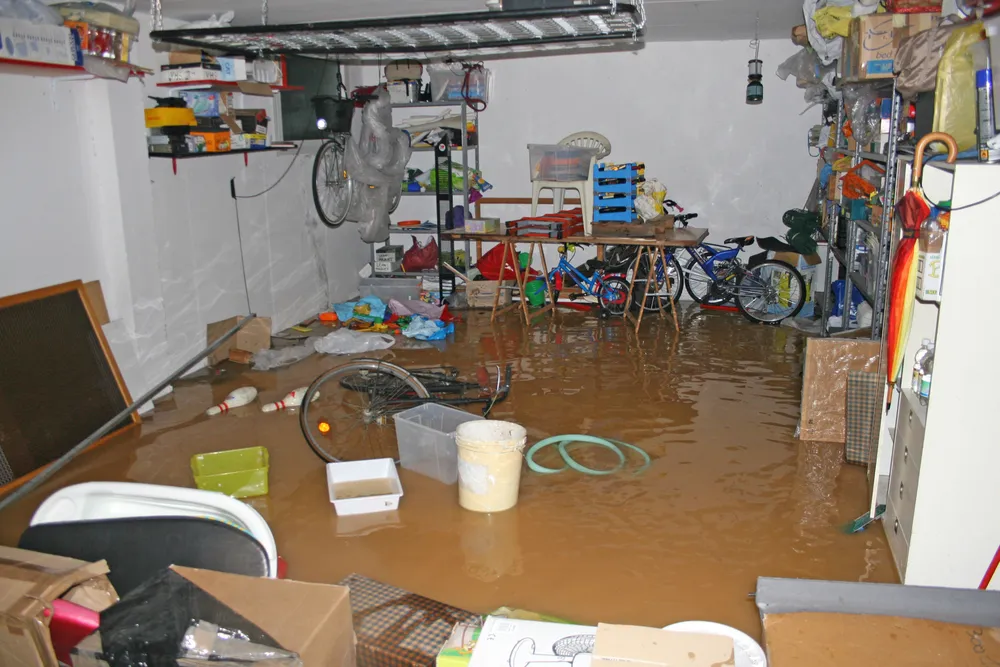
Basements are especially vulnerable during heavy rains. Install a sump pump if you don’t already have one, and test it before the season begins. Store valuables off the floor and use waterproof containers for important documents. If your area is prone to flooding, consider installing a backflow valve to prevent sewer backups.
Smart Solutions for Leak Detection and Prevention
Modern technology offers several tools to help homeowners detect leaks early and prevent extensive water damage. Installing smart leak detectors near appliances, pipes, and water heaters can provide real-time alerts if moisture is detected. For a detailed walkthrough, see this resource on how to use leak detectors near appliances.
In addition to detectors, consider upgrading to smart home devices for leak prevention. These systems can automatically shut off water supply in case of a detected leak, offering an extra layer of protection during storms.
Maintain Plumbing and Appliance Water Lines
Regularly inspect hoses and connections for signs of wear or leaks. Replacing old hoses to prevent water damage is a simple yet effective step. For guidance, refer to this article on replacing old hoses to prevent water damage. Also, learn how to maintain appliance water lines to extend the life of your appliances and reduce the risk of leaks.
Outdoor Preparation and Landscaping Tips
Proper landscaping can direct water away from your home and reduce the risk of flooding. Grade your yard so water flows away from the foundation. Use gravel or permeable materials for walkways and driveways to improve drainage. Trim trees and shrubs to prevent branches from damaging your roof or windows during storms.
If you have a sump pump, ensure the discharge pipe leads far enough from your house. Keep storm drains near your property clear of debris to allow water to flow freely.
What to Do During and After Heavy Rainfall
When a storm is imminent, close all windows and doors tightly. Move valuable items to higher ground if you live in a flood-prone area. Monitor weather alerts and be ready to act if evacuation becomes necessary.
After the rain subsides, inspect your home for signs of water intrusion. Dry out wet areas as quickly as possible to prevent mold growth. If you discover significant water damage, contact a professional restoration service promptly. For more tips on minimizing damage, see this comprehensive guide to stopping water damage at home.
Frequently Asked Questions
How often should I inspect my roof and gutters before monsoon season?
It’s recommended to check your roof and gutters at least twice a year—once before the rainy season and again after it ends. Address any issues immediately to prevent leaks and water buildup.
Are smart leak detectors worth the investment for monsoon protection?
Yes, smart leak detectors can provide early warnings about leaks or moisture, allowing you to take quick action and prevent major water damage. They are especially useful in basements, near water heaters, and around appliances.
What steps can I take if my basement floods during a storm?
First, ensure your safety by turning off electricity to the affected area. Remove water using a sump pump or wet vacuum, and dry the area thoroughly. Dispose of damaged items and clean surfaces to prevent mold. If the flooding is severe, contact a professional restoration company for help.