Urban flooding is a growing concern as cities expand and rainfall patterns become more unpredictable. Traditional paving materials like concrete and asphalt often worsen the problem by preventing water from soaking into the ground, leading to increased runoff and overwhelmed drainage systems. In response, many communities and property owners are turning to permeable pavement solutions to help manage stormwater and reduce the risk of flooding.
This article explores the advantages of using permeable surfaces for managing excess water, how these systems work, and why they are becoming an essential tool in modern flood prevention strategies. If you’re interested in practical ways to protect your property, you may also want to review these low-cost flood prevention tips for additional ideas.

Understanding Permeable Pavement and Its Role in Flood Mitigation
Permeable pavement, sometimes called porous or pervious pavement, is designed to allow water to pass through its surface and into the ground below. Unlike conventional paving, which creates a barrier to water, these materials help restore the natural water cycle by supporting infiltration and groundwater recharge.
There are several types of permeable surfaces, including porous asphalt, pervious concrete, and permeable interlocking pavers. Each type uses a unique structure or material composition to create spaces that enable water to move downward rather than running off into streets and storm drains.
Key Permeable Pavement Benefits for Flood Control
The primary advantage of permeable paving is its ability to manage stormwater at the source. Here are some of the most significant ways these surfaces help reduce flooding:
- Reduced Surface Runoff: By allowing rainwater to soak through, permeable materials decrease the amount of water flowing overland, which can otherwise collect and cause localized flooding.
- Improved Drainage: The sub-layers beneath permeable pavements often include gravel or other materials that temporarily store water, giving it time to filter into the soil and reducing the burden on stormwater infrastructure.
- Groundwater Recharge: These systems support the replenishment of underground aquifers, which is especially important in urban areas where natural infiltration is limited.
- Pollution Control: As water passes through the pavement, many pollutants are filtered out, resulting in cleaner runoff and less contamination of local waterways.
- Temperature Regulation: Permeable surfaces can help lower surface temperatures, reducing the urban heat island effect and minimizing heat-related stormwater impacts.
Comparing Permeable and Traditional Paving for Stormwater Management
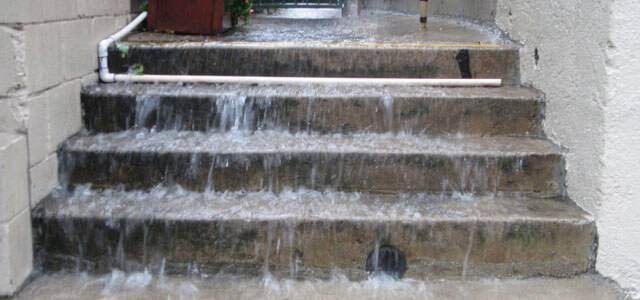
When evaluating options for driveways, parking lots, or walkways, it’s important to understand how permeable solutions differ from standard paving. Traditional surfaces are impervious, causing rainwater to flow rapidly into drains, which can quickly exceed the capacity of municipal systems during heavy storms.
In contrast, permeable installations slow down and disperse water, reducing the peak flow rates that contribute to flash flooding. Over time, this approach can help communities avoid costly infrastructure upgrades and minimize property damage.
For homeowners and builders, installing permeable materials may also help meet local stormwater regulations or qualify for incentives. Many municipalities now encourage or require the use of these surfaces in new developments to address increasing increased rainfall flood risks.
Where Permeable Pavement Works Best
Not every location is ideal for permeable paving, but there are many settings where these systems offer significant value:
- Residential driveways and walkways
- Parking lots and commercial plazas
- Sidewalks and pedestrian zones
- Low-traffic roads and alleys
- Public parks and recreational areas
Site conditions such as soil type, slope, and expected traffic loads should be evaluated before installation. In areas with heavy clay soils or high groundwater, additional engineering may be needed to ensure effective drainage.
Practical Considerations and Maintenance
While the advantages of permeable pavement are clear, proper installation and ongoing care are essential for long-term performance. These surfaces require regular maintenance to prevent clogging from debris, sediment, or organic matter. Simple tasks like sweeping, vacuuming, or pressure washing can help maintain permeability.
It’s also important to avoid using sand for de-icing, as it can fill the gaps and reduce effectiveness. Instead, use salt or other recommended de-icing products. With proper care, permeable installations can last as long as traditional paving while delivering ongoing stormwater benefits.
For those interested in hands-on solutions, there are many DIY flood prevention projects that can complement the use of permeable surfaces around the home.
Integrating Permeable Surfaces with Other Flood Prevention Strategies
Using permeable paving is most effective when combined with other flood control measures. Rain gardens, green roofs, and rainwater harvesting systems can all work together to further reduce runoff and protect properties from water damage.
In new construction, integrating these approaches from the start can help meet modern building codes and improve long-term resilience. For existing homes, retrofitting driveways or walkways with permeable materials is a practical step toward a safer, more sustainable property.
For more comprehensive approaches, see these flood protection strategies for new homes and learn how to address urban home flood challenges.
Environmental and Community Impacts
Beyond individual properties, the widespread adoption of permeable paving can deliver broader environmental and social benefits. By reducing runoff and filtering pollutants, these systems help protect rivers, lakes, and groundwater supplies. They also contribute to healthier urban ecosystems and can improve the quality of life in neighborhoods prone to flooding.
Municipalities that invest in permeable infrastructure often see reduced costs for flood damage repairs and stormwater management. Over time, these savings can be redirected toward other community improvements.
To learn more about holistic approaches to water management, consult resources such as this comprehensive guide to preventing flooding.
Frequently Asked Questions
How does permeable pavement help reduce flooding?
Permeable surfaces allow rainwater to pass through and soak into the ground, reducing the volume and speed of runoff that can overwhelm storm drains and cause localized flooding. By managing water at the source, these systems help keep streets and properties drier during heavy storms.
Is permeable paving suitable for all climates and soil types?
While permeable materials are effective in many settings, their performance depends on factors like soil permeability, rainfall patterns, and site slope. In areas with heavy clay soils or frequent freeze-thaw cycles, special design considerations may be needed to ensure proper drainage and durability.
What maintenance is required for permeable pavement?
Regular maintenance is important to keep permeable surfaces functioning properly. This includes removing debris, vacuuming or pressure washing to prevent clogging, and avoiding the use of sand for de-icing. With routine care, these systems can provide long-lasting flood control benefits.