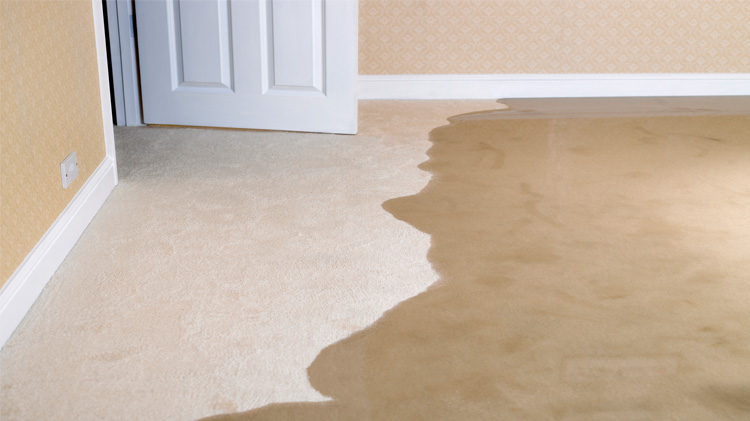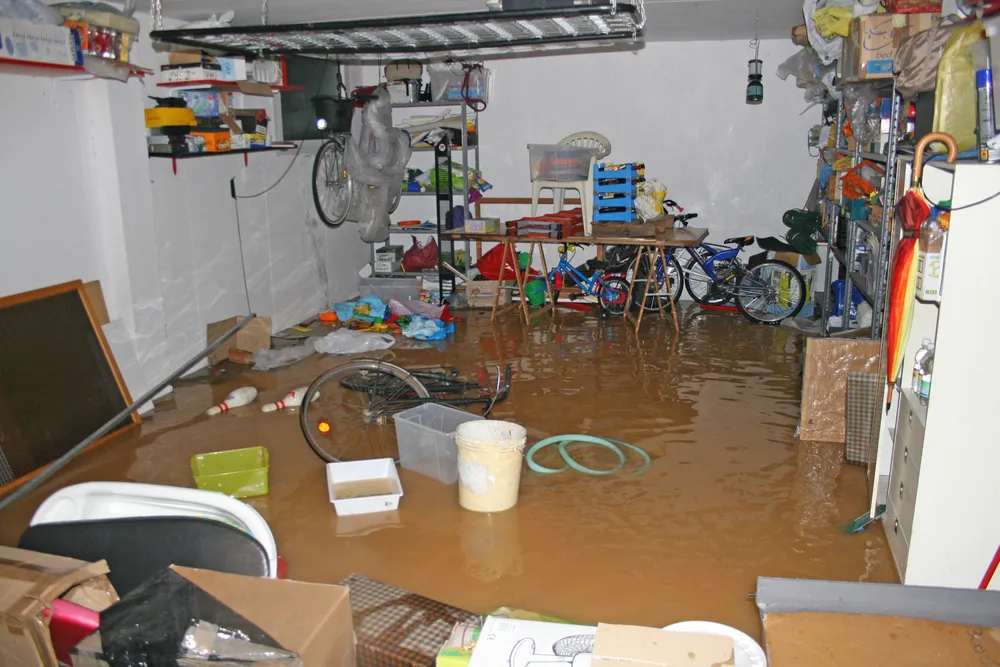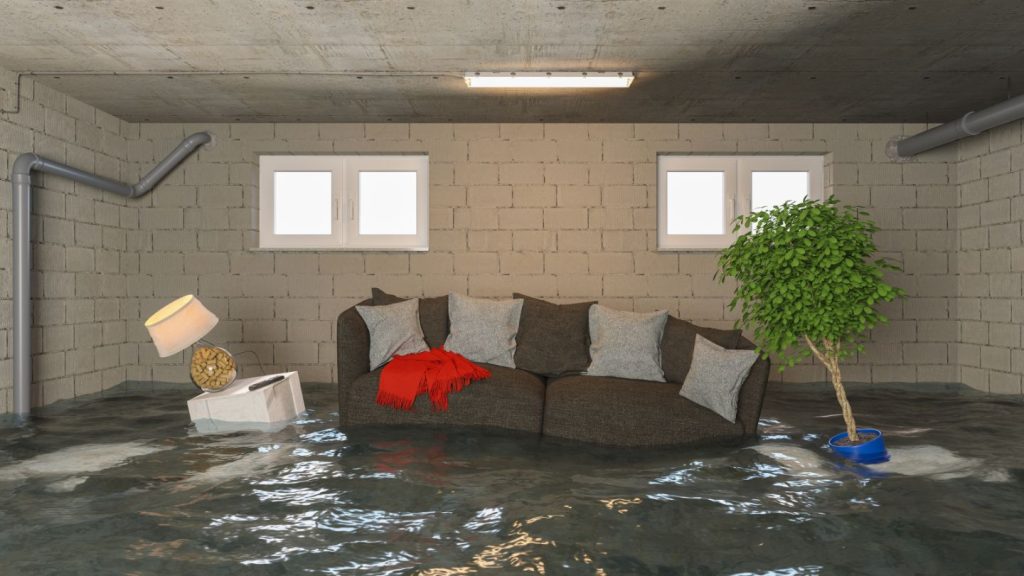
A toilet overflow can cause significant disruption and costly repairs if not addressed quickly. Water damage from an overflowing toilet can affect floors, subfloors, and even ceilings below, leading to mold growth and structural issues. Understanding how to minimize the risk and respond effectively is essential for every homeowner. This article offers practical steps for preventing toilet overflow damage, highlights early warning signs, and explains how to safeguard your property from water-related hazards.
Homeowners seeking comprehensive protection should also consider solutions like smart water shutoff valves to automatically stop leaks before they escalate. Integrating such technologies with routine maintenance can greatly reduce the risk of water damage throughout your home.

Common Causes of Toilet Overflows
To effectively reduce the risk of water damage, it’s important to recognize what typically leads to a toilet overflow. Here are some of the most frequent causes:
- Clogged Drains: Excessive toilet paper, wipes, or foreign objects can block the pipes, causing water to back up and spill over.
- Faulty Float Mechanism: If the float is set too high or malfunctions, the tank may overfill and fail to shut off the water supply.
- Blocked Vent Pipes: Vent pipes allow air into the plumbing system. If blocked, they can slow drainage and increase overflow risk.
- Worn Flapper Valves: A deteriorated flapper can let water continuously leak from the tank to the bowl, eventually causing an overflow.
- Sewer Line Issues: Tree roots, buildup, or collapsed pipes in the main sewer line can cause backups that affect all toilets in the home.
Essential Steps for Preventing Toilet Overflow Damage
Taking proactive measures can help you avoid the stress and expense of water damage from an overflowing toilet. Here are some practical strategies:
1. Practice Good Flushing Habits
Only flush waste and toilet paper. Avoid disposing of wipes, feminine hygiene products, paper towels, or other non-flushable items. Even products labeled as “flushable” can contribute to clogs over time.
2. Regularly Inspect and Maintain Toilet Components
Check the float, fill valve, and flapper for signs of wear or malfunction. Replace any faulty parts promptly. A simple inspection every few months can prevent many common overflow causes.
3. Address Slow Drains Immediately
If you notice water draining slowly after a flush, use a plunger or a toilet auger to clear minor blockages. Persistent slow drainage may indicate a deeper problem that requires professional attention.
4. Install Water Leak Detection Devices
Modern leak detectors can alert you to excess moisture or leaks before they cause major damage. These devices are especially useful for bathrooms located above finished spaces or basements.
5. Know How to Shut Off Water Quickly
Familiarize yourself with the location of your toilet’s shutoff valve, usually found behind the base of the toilet. In the event of an overflow, turning off this valve can prevent further water from entering the bowl and minimize damage.
6. Schedule Professional Plumbing Inspections
Annual or biannual plumbing checkups can catch hidden issues like vent pipe blockages or deteriorating sewer lines. Professional plumbers can also recommend upgrades such as temporary flood protection systems for added peace of mind.
Responding to an Overflow: Immediate Actions
If your toilet begins to overflow, acting quickly can help limit water damage:
- Turn Off the Water Supply: Locate and close the shutoff valve behind the toilet.
- Remove Excess Water: Use towels or a wet/dry vacuum to soak up standing water on the floor. This reduces the risk of seepage into subfloors and adjacent rooms.
- Clear the Blockage: Use a plunger to try to dislodge the clog. If unsuccessful, a toilet auger may be needed.
- Disinfect Affected Areas: Clean and disinfect all surfaces that came into contact with contaminated water to prevent mold and bacteria growth.
- Contact a Professional: For persistent blockages or if water damage has already occurred, call a licensed plumber for assistance.
Long-Term Solutions for Water Damage Prevention
Beyond routine maintenance, several long-term strategies can help protect your home from the effects of toilet overflows:
- Upgrade to High-Efficiency Toilets: Modern toilets use less water per flush and are less prone to overflows caused by excessive water volume.
- Install Automatic Shutoff Systems: Devices that detect leaks and automatically stop water flow can prevent extensive damage. For more on these systems, see our guide to smart water shutoff valves.
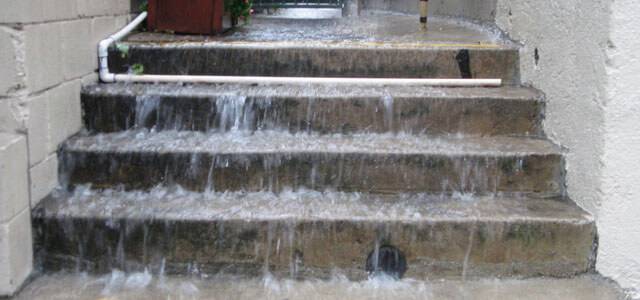
- Protect Vulnerable Areas: If your bathroom is above a finished basement or living space, consider additional barriers like flood shields for doors or flood vents installation to direct water away from sensitive areas.
- Monitor for Early Warning Signs: Listen for unusual sounds, check for persistent odors, and watch for slow draining as these can indicate developing problems.
Additional Resources and Expert Advice
For a broader understanding of how to protect your property from water-related incidents, explore this comprehensive guide to preventing household flooding. These resources provide further tips on safeguarding your home from a range of water hazards, including those caused by plumbing failures.
Homeowners can also benefit from reviewing burst pipe flood prevention strategies, which often overlap with methods for minimizing toilet overflow risks.
Frequently Asked Questions
What should I do if my toilet overflows and water reaches another room?
Immediately shut off the water supply to the toilet, remove as much standing water as possible, and ventilate the area. Use fans or dehumidifiers to speed up drying. If water has seeped into walls or floors, consider contacting a water damage restoration professional to prevent mold growth.
Are chemical drain cleaners safe for clearing toilet clogs?
Chemical drain cleaners are generally not recommended for toilets, as they can damage pipes and the porcelain bowl. Mechanical methods like plungers or augers are safer and more effective. If a clog persists, consult a plumber.
How often should I inspect my toilet for potential problems?
It’s wise to inspect your toilet components every few months. Look for signs of wear on the flapper, float, and fill valve, and listen for running water or unusual noises. Early detection of issues can help you avoid costly repairs and water damage.