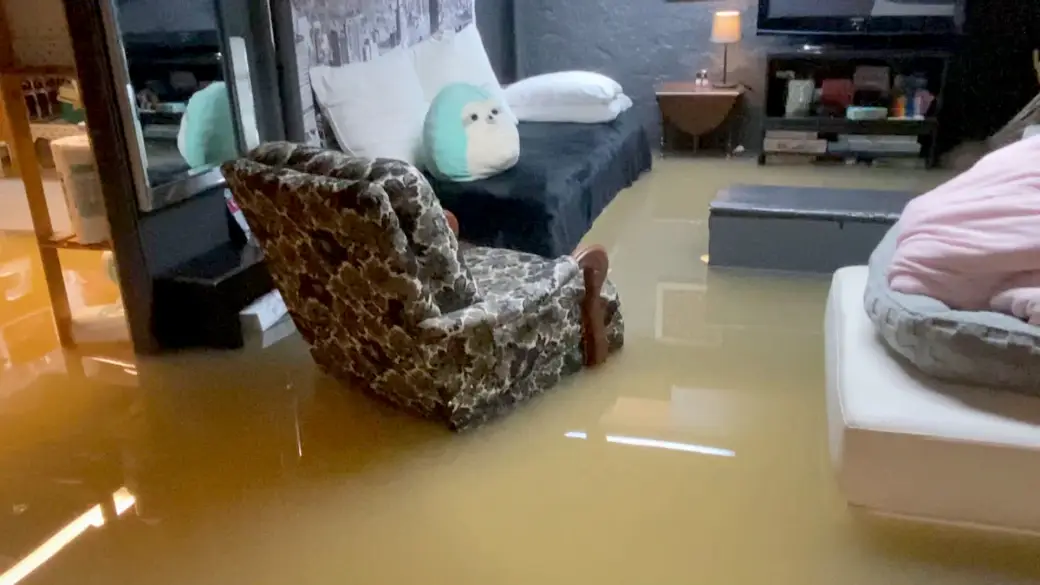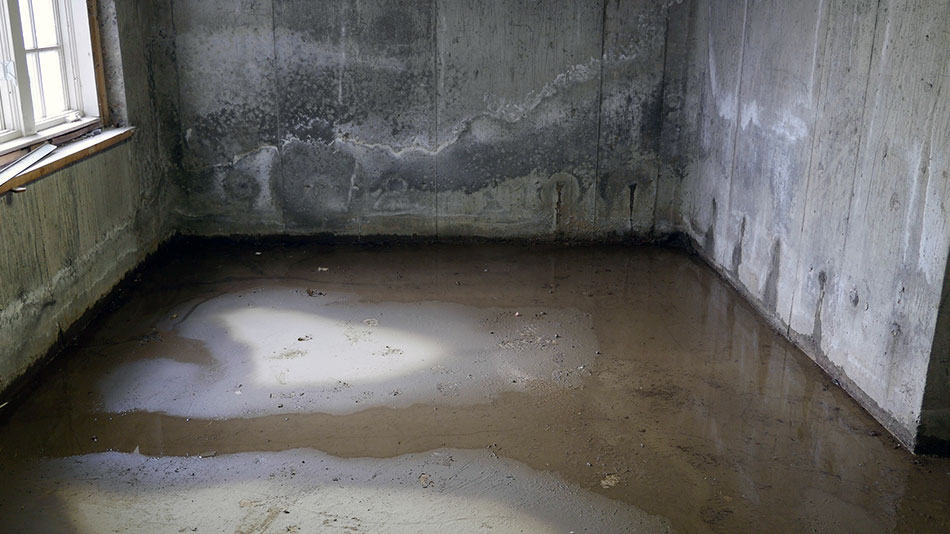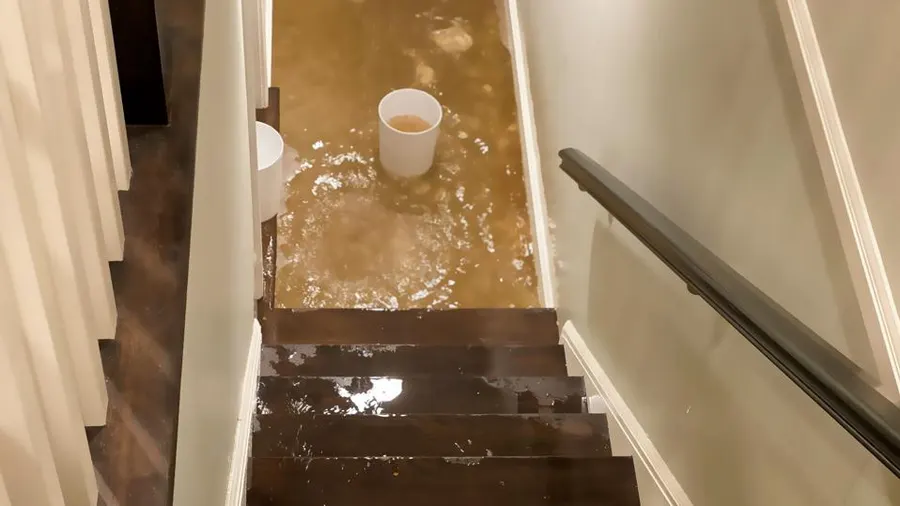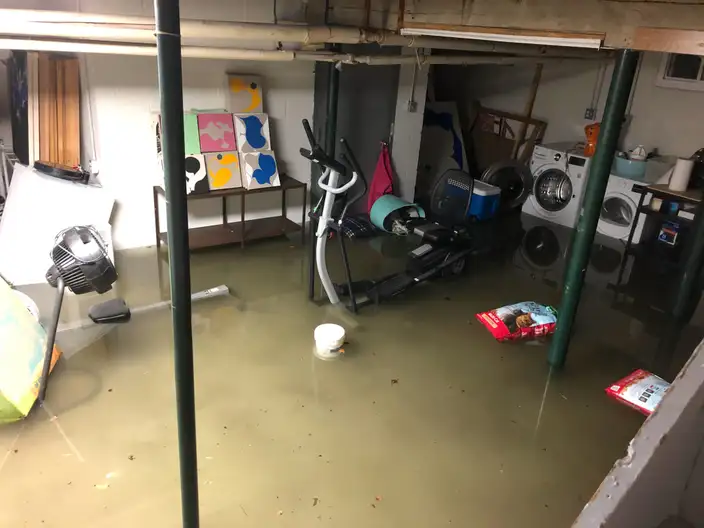
Water leaks and burst pipes can cause significant property damage, costly repairs, and unexpected disruptions. As homeowners and property managers look for smarter ways to protect their investments, remote water shutoff systems have become a popular solution. These devices allow you to control your water supply from anywhere, helping to prevent leaks from turning into major floods. This article offers a clear overview of how these systems work, their benefits, installation considerations, and how they fit into a broader flood prevention strategy.
Integrating advanced leak detection and automatic shutoff technology can be a crucial part of a comprehensive approach to home safety. For those interested in more ways to safeguard their property, our flood prevention checklist for homeowners provides additional practical steps.
How Smart Water Shutoff Devices Work
At the core, a remote shutoff valve is an electronically controlled device installed on your main water line. When a leak is detected—either by a sensor or through abnormal water flow patterns—the system can automatically close the valve, stopping water from flowing into your home. Many models also allow you to manually control the valve using a smartphone app, web portal, or even voice assistants.
These systems typically consist of three main components:
- Automatic shutoff valve: Installed on the main water supply, it physically stops water flow when triggered.
- Sensors: Placed near appliances, pipes, or areas prone to leaks, these detect moisture or unusual water usage.
- Connectivity module: Enables remote monitoring and control, usually via Wi-Fi or a dedicated hub.
Some advanced solutions also integrate with automated flood protection systems for a more comprehensive defense against water damage.
Key Benefits of Remote Water Shutoff Systems
The main advantage of these devices is their ability to prevent minor leaks from escalating into major disasters. Here are some of the most important benefits:
- Immediate response: The system can react instantly to leaks, minimizing water damage even if you’re away from home.
- Remote control: Shut off your water supply from anywhere using your phone or computer.
- Reduced insurance claims: Many insurance providers offer discounts for homes equipped with leak detection and shutoff technology.
- Peace of mind: Know that your property is protected 24/7, even during vacations or extended absences.
- Integration with smart home platforms: Many systems work with voice assistants and home automation routines for added convenience.
Choosing the Right Leak Detection and Shutoff Solution
Selecting the best system for your needs depends on several factors. Consider the following when evaluating your options:
- Compatibility: Ensure the shutoff valve fits your plumbing and works with your preferred smart home platform.
- Sensor coverage: More sensors mean better protection, especially in basements, laundry rooms, and near water heaters.
- Power source: Some valves are battery-powered, while others require a nearby electrical outlet.
- Connectivity: Reliable Wi-Fi or a dedicated hub is essential for remote alerts and control.
- Professional vs. DIY installation: Some systems are easy to install, while others may require a plumber.
- Integration: Look for compatibility with other smart home devices, such as smart home flood alerts or security systems.
Reading user reviews and consulting with a qualified plumber can help you make an informed decision. For those on a budget, consider supplementing a shutoff system with low-cost flood prevention tips to maximize protection.
Installation and Maintenance Considerations
Proper installation is crucial for the effectiveness of any automated water shutoff device. While some models are designed for simple DIY installation, others may require professional plumbing expertise, especially if your main water line is difficult to access.
Key steps in the installation process include:
- Shutting off the main water supply and draining the line.
- Cutting and fitting the shutoff valve onto the pipe.
- Connecting the valve to power and your home’s Wi-Fi or hub.
- Placing sensors in strategic locations.
- Testing the system to ensure reliable operation and remote access.
Regular maintenance—such as checking batteries, updating firmware, and testing sensors—will ensure your system continues to provide reliable protection year after year.
Integrating Water Shutoff Technology with Broader Flood Protection
While a remote shutoff valve is a powerful tool for preventing water damage, it works best as part of a layered approach to home safety. Combining leak detection, smart alerts, and physical barriers can significantly reduce your risk of costly repairs.
For example, pairing your shutoff system with permeable pavement solutions can help manage surface water runoff, while regular maintenance and seasonal inspections further reduce vulnerabilities.
For more comprehensive guidance, review this home flood preparedness resource for additional strategies and best practices.
Frequently Asked Questions
Are remote water shutoff systems worth the investment?
For many homeowners, the potential savings from preventing just one major leak or burst pipe can easily offset the cost of installation. In addition to peace of mind, some insurance companies offer discounts for properties equipped with these systems.
Can I install a smart shutoff valve myself?
Some models are designed for DIY installation, especially those that use clamp-on designs or require minimal plumbing work. However, if your main water line is hard to access or you’re not comfortable with plumbing, hiring a professional is recommended.
Do these systems work during power or internet outages?
Many devices have battery backups to ensure the valve can still operate during a power outage. However, remote control and notifications may be unavailable if your internet connection is down. Always check the specifications of your chosen system for backup features.
How often should I test my leak detection and shutoff system?
It’s a good idea to test your system at least twice a year. Check sensor batteries, ensure the valve operates smoothly, and verify that you receive alerts as expected.