Flooding at home can cause significant damage, disrupt your daily life, and lead to expensive repairs. With unpredictable weather patterns and aging infrastructure, it’s more important than ever to take proactive steps to protect your property from water intrusion. This guide shares practical strategies for residential flood prevention, helping you safeguard your home and belongings from the risks of excess water.
Whether you live in a flood-prone area or simply want to be prepared, understanding the most effective methods to keep water out is essential. By following proven techniques and making smart investments, you can minimize the chances of costly water damage and enjoy greater peace of mind.

For a detailed walkthrough on how to protect your property, check out this step-by-step guide to preventing home flooding. It covers actionable steps and maintenance routines that complement the advice found here.
Understanding the Causes of Home Flooding
Before diving into specific residential flood prevention techniques, it’s helpful to know what typically leads to water entering homes. Common causes include heavy rainfall, rapid snowmelt, blocked gutters, poor drainage, foundation cracks, and malfunctioning sump pumps. Sometimes, even small leaks or seepage can escalate into major problems if left unchecked.
Learning about the main causes of home flooding can help you identify vulnerabilities in your own property and prioritize the most effective solutions.
Exterior Strategies for Keeping Water Out
The first line of defense against flooding is managing water outside your home. Here are several proven methods to reduce the risk of water intrusion:
- Maintain Gutters and Downspouts: Clean gutters regularly to prevent clogs that can cause water to overflow near your foundation. Ensure downspouts direct water at least six feet away from the house.
- Grade Your Yard Properly: The ground around your home should slope away from the foundation. This encourages rainwater to flow away, not pool next to your walls.
- Install Window Well Covers: Basement windows are common entry points for water. Clear covers keep rain and debris out while letting light in.
- Seal Cracks and Gaps: Inspect your foundation, exterior walls, and windows for cracks. Use appropriate sealants to close any gaps where water could seep in.
- Use Flood Barriers: For homes in high-risk areas, consider temporary or permanent flood barriers. These can be deployed quickly when heavy rain is forecasted.
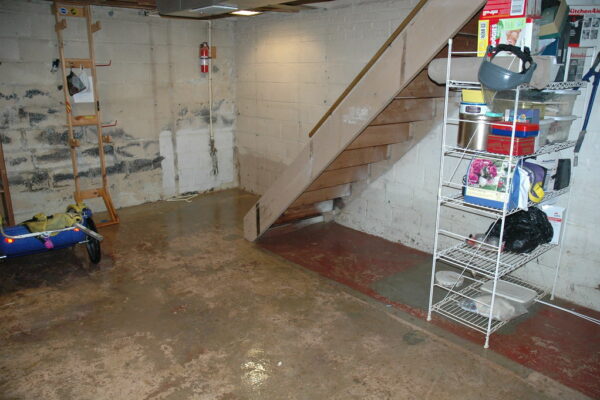
Interior Flood Prevention Measures
Even with strong exterior defenses, it’s wise to add layers of protection inside your home. Here are some effective interior measures:
- Install a Sump Pump: A sump pump in your basement or crawl space can quickly remove water that enters, preventing it from accumulating and causing damage.
- Use Water Leak Detectors: Place smart sensors near appliances, water heaters, and in basements. These devices alert you to leaks early, so you can act before a small problem becomes a disaster.
- Backwater Valves: These devices prevent sewage from backing up into your home during heavy rain or flooding events.
- Store Valuables Off the Floor: Keep important documents, electronics, and sentimental items on shelves or in waterproof containers, especially in basements.
- Seal Basement Walls: Apply waterproof coatings to interior basement walls and floors to reduce seepage.
For seasonal tips, see our summer water damage prevention guide for advice on keeping your home dry during the wettest months.
Smart Technology for Flood Detection and Alerts
Advances in home technology have made it easier than ever to monitor for water issues. Smart leak detectors and flood sensors can be installed in vulnerable areas and connected to your phone. If water is detected, you receive instant alerts, allowing you to respond quickly and minimize damage.
Some systems can even be integrated with smart home hubs, enabling automated shutoff valves or triggering alarms. Investing in these tools is a cost-effective way to enhance your residential flood prevention strategy.

For more on early detection and seasonal risks, our spring home inspection for leaks article offers a checklist to help you spot issues before they escalate.
Additional Steps for Comprehensive Flood Protection
Beyond the basics, there are several extra steps you can take to further reduce your risk:
- Review Your Insurance: Standard homeowner policies often exclude flood damage. Consider purchasing separate flood insurance if you live in a risk zone.
- Plan for Snowmelt: In colder climates, melting snow can saturate the ground and overwhelm drainage. Learn how to manage snowmelt near your foundation to avoid spring flooding.
- Upgrade Doors and Windows: Flood-resistant doors and windows can provide extra protection for ground-level rooms.
- Install a Backup Power Source: Sump pumps and alarms require electricity. A backup generator ensures your flood prevention systems stay operational during storms.
- Stay Informed: Sign up for local weather alerts and flood warnings so you can take action before a storm hits.
For more advanced solutions, you can explore professional flood-proofing methods for homes that go beyond basic maintenance.
Routine Maintenance for Ongoing Protection
Consistency is key to effective residential flood prevention. Make these checks part of your regular home maintenance:
- Inspect and clean gutters and downspouts at least twice a year.
- Test sump pumps before rainy seasons and after power outages.
- Check for new cracks in foundation walls and repair promptly.
- Monitor basement humidity and use dehumidifiers if needed.
- Review landscaping to ensure proper drainage away from your home.
By staying vigilant, you can catch small issues before they lead to major water damage.
FAQ: Common Questions About Home Flood Protection
What is the most effective way to prevent basement flooding?
The most effective approach combines several methods: keeping gutters clear, ensuring proper yard grading, sealing foundation cracks, and installing a reliable sump pump with a backup power source. Using water leak detectors adds another layer of early warning.
How often should I inspect my home’s flood defenses?
It’s best to inspect your gutters, sump pump, and foundation at least twice a year—ideally in spring and fall. After severe weather events, do a quick check to ensure nothing has shifted or become blocked.
Are smart flood sensors worth the investment?
Yes, smart flood sensors provide real-time alerts and can help you catch leaks or flooding early, potentially saving thousands in repairs. They’re especially useful in basements, laundry rooms, and near water heaters.