Noticing subtle changes in your kitchen or bathroom cabinetry can be the first clue that something is wrong beneath the surface. Water issues under sink cabinets are a common household problem, often going unnoticed until significant damage has occurred. Recognizing the early signs of water damage under sink areas is crucial for preventing costly repairs and maintaining a healthy home environment.
Whether you’re a homeowner or a renter, understanding what to look for and how to respond can help you address leaks and moisture problems before they escalate. In this guide, we’ll outline the most common indicators of hidden water issues, practical steps for inspection, and what actions to take if you discover a problem. For those interested in broader home protection, you may also find value in our roof inspection checklist to prevent water damage in other vulnerable areas.
Common Indicators of Moisture Problems Beneath Cabinets
Early detection of signs of water damage under sink areas can save you from expensive repairs and potential health hazards. Here are the most frequent symptoms to watch for:
- Discoloration or Staining: Brown, yellow, or dark patches on the cabinet floor, sides, or back panel often suggest water intrusion. These marks may appear gradually and can be mistaken for normal wear if not closely inspected.
- Swollen or Warped Wood: Cabinets made of particleboard or MDF are especially prone to swelling, bubbling, or warping when exposed to moisture. The bottom shelf may feel uneven or soft to the touch.
- Mold or Mildew Growth: Fuzzy spots, black streaks, or a musty odor are strong indicators of persistent dampness. Mold can develop within 24–48 hours of a leak and may be hidden behind stored items.
- Peeling Laminate or Paint: Water can cause the finish on cabinets to lift, bubble, or peel away, especially around the base and seams.
- Persistent Odors: A sour, earthy, or musty smell under the sink often points to hidden moisture, even if visible signs are minimal.
How to Inspect for Hidden Water Issues
If you suspect a problem, a thorough inspection is essential. Here’s how to check for water-related damage under your sink:
- Clear Out the Cabinet: Remove all cleaning supplies, bins, and stored items to expose the base and sides.
- Look for Visible Signs: Use a flashlight to check for stains, bubbling, or warping. Pay close attention to corners and the area directly below plumbing fixtures.
- Feel for Softness: Gently press on the cabinet floor and walls. Soft spots may indicate rot or water absorption.
- Check for Mold: Inspect for black, green, or white patches, especially in dark or hidden areas.
- Smell for Odors: A persistent musty smell is often the first clue of trouble, even if you don’t see visible damage.
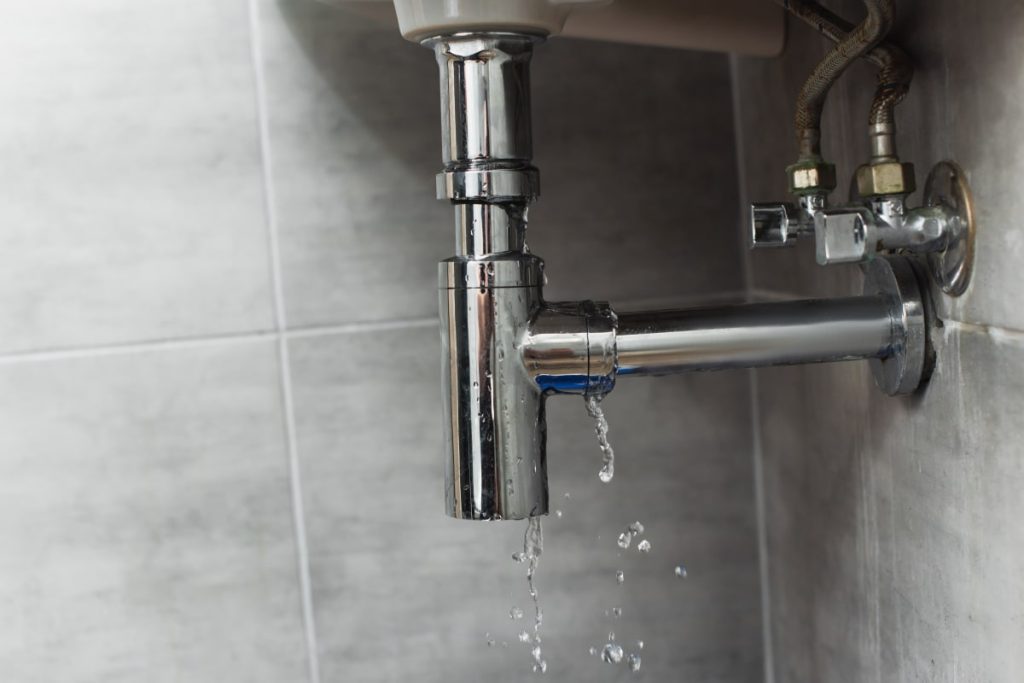
- Inspect Plumbing Connections: Examine pipes, joints, and shut-off valves for drips, corrosion, or mineral buildup.

What Causes Water Damage Under Sinks?
Understanding the root causes of moisture problems helps you prevent future issues. The most common sources include:
- Leaky Pipes: Loose fittings, worn washers, or cracked pipes can cause slow drips that go unnoticed for weeks.
- Faulty Seals: Gaps or deterioration around sink drains and faucet bases allow water to seep into the cabinet below.
- Clogged Drains: Blockages can cause water to back up and overflow, especially if the cabinet is not sealed properly.
- Condensation: Cold water pipes in humid environments may sweat, leading to moisture accumulation on cabinet surfaces.
- Appliance Leaks: Dishwashers, garbage disposals, and water filtration systems can develop leaks at connection points.
Steps to Take If You Find Water Damage
Discovering signs of water damage under sink cabinets doesn’t have to mean a full renovation. Prompt action can limit the extent of the problem:
- Stop the Source: Turn off the water supply to the affected area and address any visible leaks immediately.
- Dry Out the Space: Use towels, fans, or a dehumidifier to remove as much moisture as possible from the cabinet and surrounding area.
- Remove Damaged Materials: If the cabinet floor or shelves are swollen or moldy, they may need to be replaced to prevent further issues.
- Clean and Disinfect: Use a mold-killing cleaner to sanitize surfaces and discourage regrowth.
- Monitor for Recurrence: After repairs, check the area regularly for new leaks or moisture buildup.
Prevention Tips for Avoiding Cabinet Water Damage
Preventing water problems under your sink is often easier and less expensive than repairing them. Consider these practical tips:
- Inspect Regularly: Make it a habit to check under sinks for leaks, stains, or odors every month.
- Use Leak Detectors: Place a water sensor or leak detector in the cabinet to alert you to moisture before damage occurs.
- Seal Gaps: Apply waterproof caulk around sink edges and plumbing penetrations to block water entry.
- Keep the Area Clean: Avoid overcrowding the cabinet, which can hide leaks and restrict airflow.
- Maintain Plumbing: Tighten loose fittings and replace worn hoses or washers as soon as you notice issues.
For more strategies on keeping your home dry, explore our guide on how to prevent water damage from clogged gutters.
When to Call a Professional
Some water issues are simple enough for a confident DIYer to address, but others require expert help. Contact a professional if you notice:
- Extensive mold growth or a persistent musty odor that doesn’t resolve with cleaning.
- Structural damage to cabinetry or flooring.
- Recurring leaks that are difficult to trace or repair.
- Signs of water damage spreading beyond the cabinet area.
For comprehensive advice on safeguarding your property, the Insurance Information Institute offers a helpful resource on how to protect your home from water damage.
FAQ
What is the most common sign of water damage under a sink?
The most frequent indicator is discoloration or staining on the cabinet floor or walls. This is often accompanied by a musty smell or visible swelling of the wood.
Can water damage under a sink cause mold?
Yes, persistent moisture creates an ideal environment for mold growth. Mold can appear within 24–48 hours after a leak and may pose health risks if not treated promptly.
How can I prevent water issues under my sink?
Regular inspections, using leak detectors, sealing gaps, and maintaining your plumbing are effective ways to prevent moisture problems. For additional protection, review our tips on how to maintain exterior drainage around your home.
Should I replace my cabinet if I find water damage?
If the cabinet is structurally compromised, swollen, or moldy beyond cleaning, replacement is often the safest option. Minor damage may be repaired if caught early and thoroughly dried.