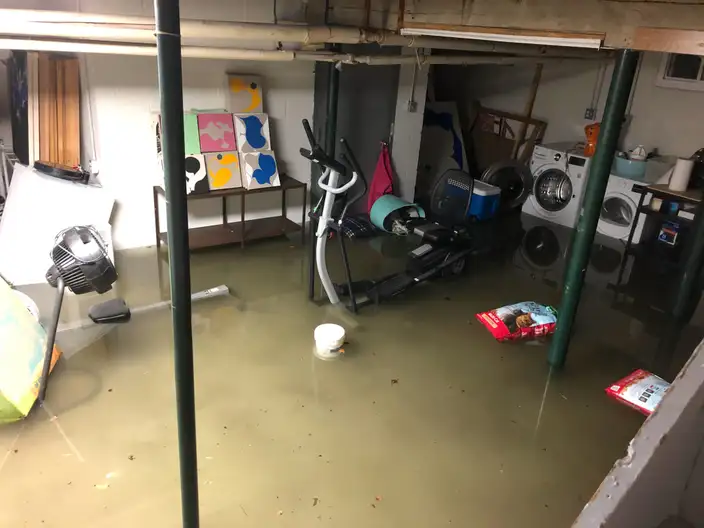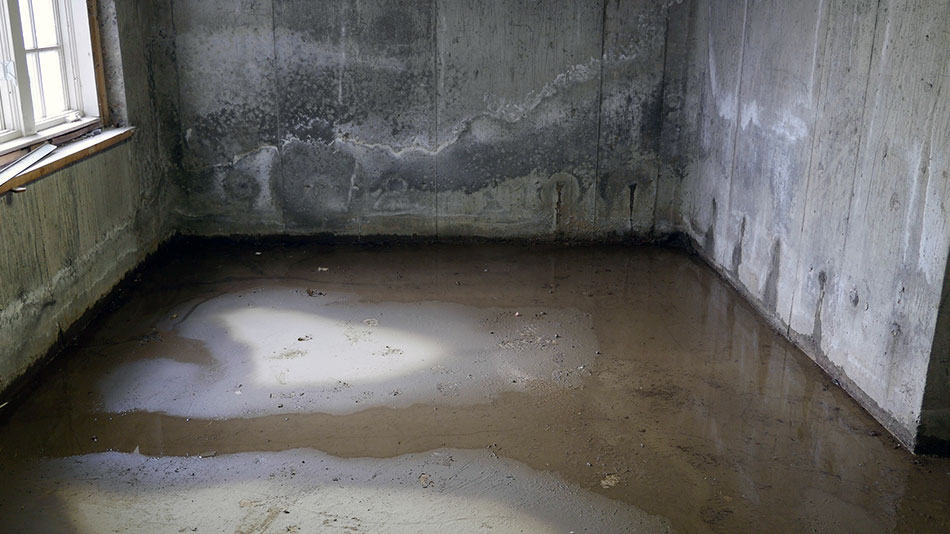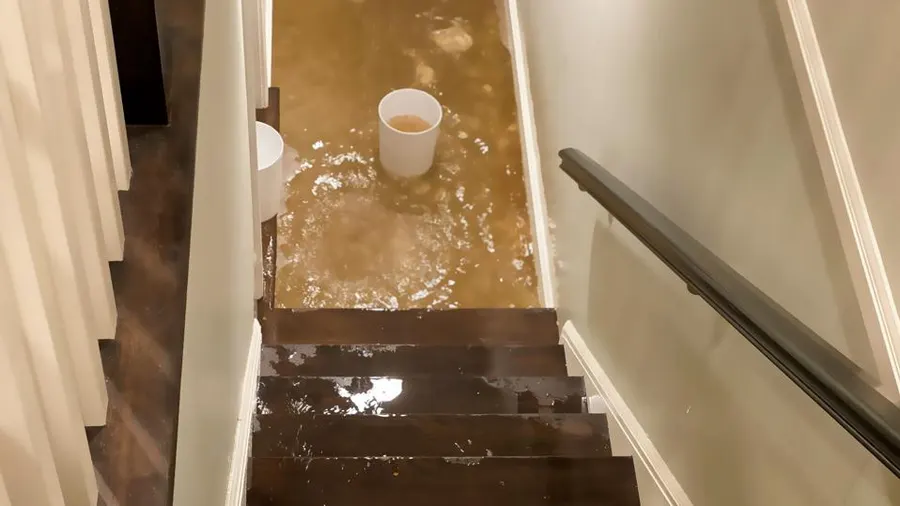
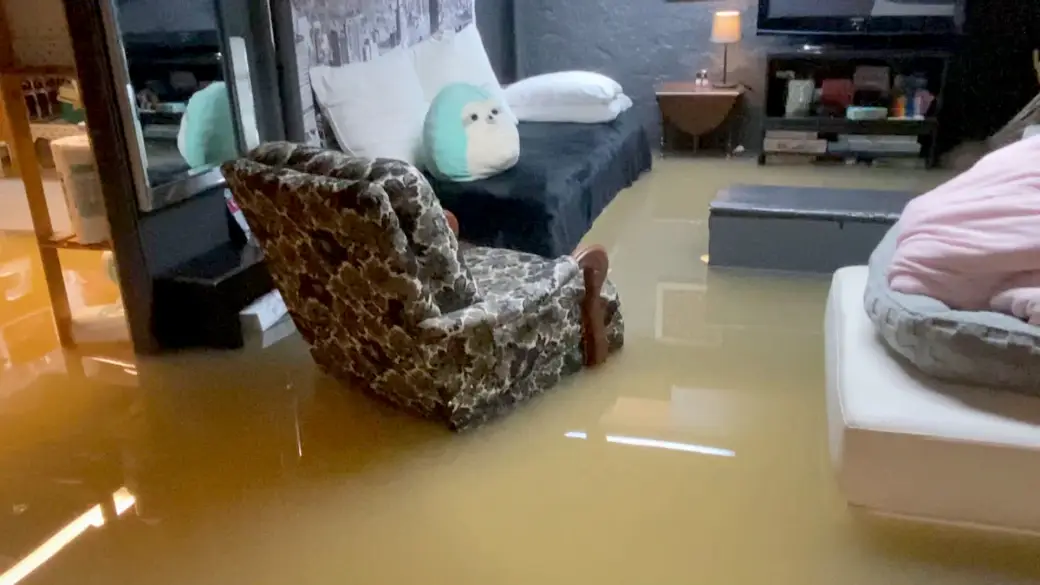
Flooding is a growing concern for homeowners, especially as unpredictable weather patterns and aging infrastructure increase the risk of water damage. Smart flood prevention technology is transforming the way households protect themselves from costly and disruptive water incidents. By leveraging connected devices and real-time monitoring, these solutions offer a proactive approach to safeguarding property, valuables, and peace of mind.
Homeowners today have access to a wide range of intelligent tools, from water leak detectors to automated shutoff valves, that can detect issues before they escalate. Integrating these technologies into your living space not only helps prevent damage but can also reduce insurance costs and provide valuable data for ongoing maintenance. For those looking to take a comprehensive approach, resources like the flood prevention checklist for homeowners offer actionable steps to further strengthen your home’s resilience.
How Modern Water Detection Devices Work
At the heart of many smart flood prevention solutions are water leak detectors and sensors. These compact devices are placed in high-risk areas such as basements, laundry rooms, and under sinks. When they sense moisture, they send instant alerts to your smartphone or home automation system, allowing you to respond quickly.
Some advanced models can even connect with other smart home devices, triggering actions like shutting off the main water supply or activating sump pumps. This integration is crucial for minimizing response time and reducing the extent of potential damage.

Automated Shutoff Valves and Remote Control
One of the most impactful advancements in flood prevention technology is the automated shutoff valve. These devices are installed on your main water line and can be triggered by sensors or remotely via a smartphone app. If a leak is detected, the valve closes automatically, stopping the flow of water and preventing further damage.
For homeowners who travel frequently or own multiple properties, remote water shutoff systems provide an added layer of security. You can monitor and control your water supply from anywhere, ensuring that even if you’re not home, your property remains protected. To learn more about these systems, see the detailed guide on remote water shutoff systems.
Integrating Flood Alerts and Home Automation
Modern smart home flood alerts go beyond simple notifications. Many systems now integrate with broader home automation platforms, allowing for coordinated responses to water threats. For example, if a sensor detects rising water levels, your system can automatically turn off HVAC units, alert emergency contacts, or even activate cameras to record the incident.
These integrations not only help prevent damage but also streamline insurance claims by providing documented evidence of the event. For a deeper dive into these capabilities, explore the article on smart home flood alerts.

Building a Comprehensive Home Flood Defense
While sensors and shutoff valves are essential, a holistic approach to flood prevention includes both technology and structural improvements. Consider pairing smart devices with physical upgrades such as sump pumps, backwater valves, and flood-resistant building materials. For homeowners interested in eco-friendly options, permeable pavement benefits can help manage surface water and reduce runoff.
Additionally, regular maintenance—such as cleaning gutters, inspecting pipes, and sealing foundation cracks—complements your technology investment. Combining these strategies creates multiple layers of defense, making your home far less vulnerable to water-related incidents.
Choosing the Right Smart Flood Prevention Solutions
With a growing market for smart flood prevention technology, selecting the right products for your home can feel overwhelming. Start by assessing your property’s unique risks: Are you in a flood-prone area? Do you have a basement or crawl space? Is your plumbing system older or recently updated?
- Water Leak Detectors: Ideal for kitchens, bathrooms, laundry rooms, and basements.
- Automated Shutoff Valves: Best for main water lines and high-value properties.
- Smart Sump Pumps: Essential for homes with basements or below-grade spaces.
- Integrated Alerts: Useful for tech-savvy households seeking full automation.
Compare features such as battery backup, connectivity options (Wi-Fi, Zigbee, Z-Wave), and compatibility with your existing smart home ecosystem. Reading product reviews and consulting resources like the flood-resistant home design guide can help you make an informed decision.
Maintenance and Ongoing Monitoring
Installing advanced technology is only the first step. Regularly test your sensors, replace batteries as needed, and update software to ensure optimal performance. Many devices offer self-testing features or will alert you when maintenance is required.
It’s also wise to periodically review your flood prevention strategy. As new products become available and your home’s needs change, updating your system keeps your defenses strong. For a step-by-step approach, refer to a guide on automated flood protection systems for home safety.
FAQ: Smart Flood Prevention at Home
What areas of my home should I monitor with water leak sensors?
Focus on locations where water damage is most likely to occur, such as basements, laundry rooms, bathrooms, kitchens, and areas near water heaters or sump pumps. Placing sensors in these spots ensures early detection of leaks or flooding.
Can smart flood prevention devices help lower my insurance premiums?
Many insurance companies offer discounts for homes equipped with proactive water monitoring and shutoff systems. Check with your provider to see if installing these technologies can reduce your rates or qualify you for special programs.
How do I integrate flood prevention technology with my existing smart home system?
Most modern devices are compatible with popular platforms like Alexa, Google Home, or Apple HomeKit. Look for products that support your preferred ecosystem and follow the manufacturer’s instructions for pairing and automation setup.