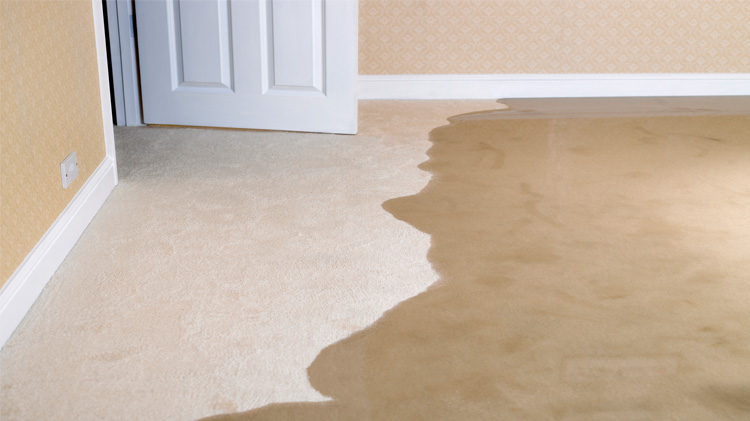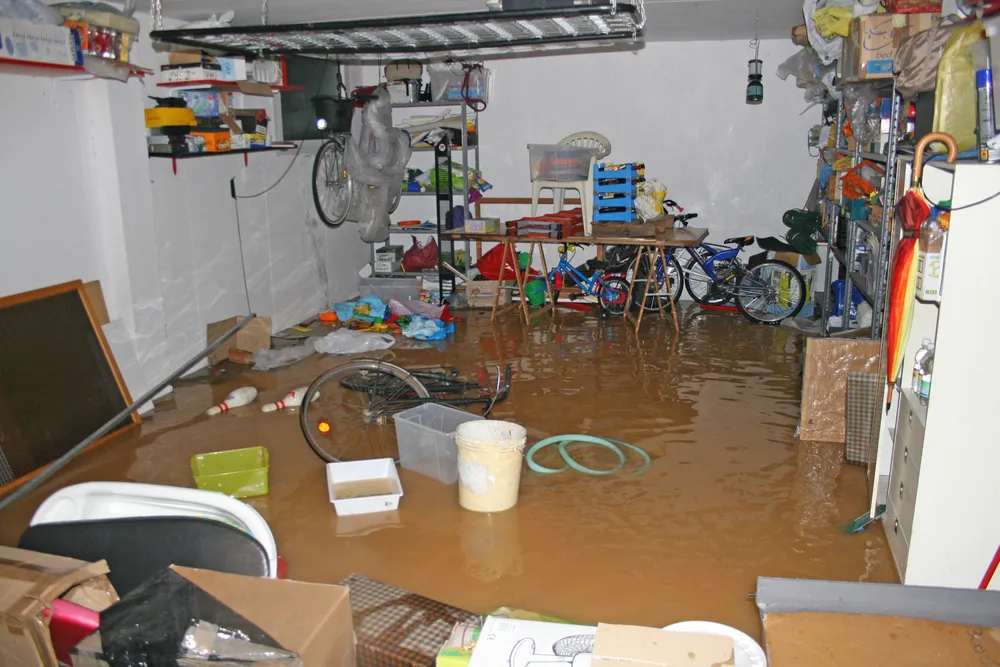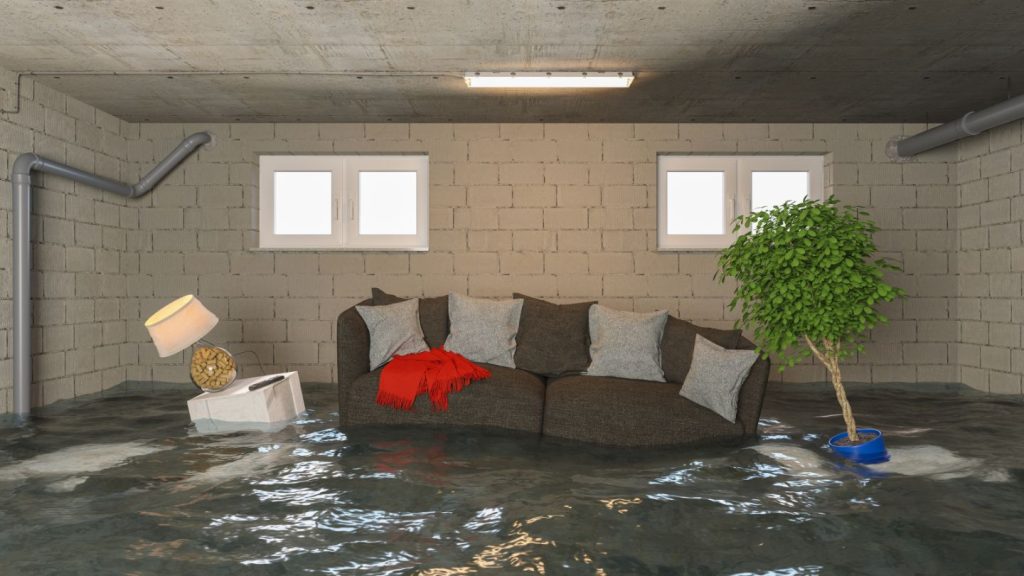
Water leaks can cause significant damage to homes, leading to expensive repairs, mold growth, and loss of valuable belongings. With the rise of smart home devices for leak prevention, homeowners now have more effective tools to detect and stop leaks before they escalate. These innovative solutions use sensors, real-time alerts, and even automatic shut-off valves to help protect your property and give you peace of mind.
In this guide, we’ll explore how connected technology is transforming leak detection, the types of devices available, and practical steps for integrating these systems into your home. For those looking to further safeguard their property, resources like a roof inspection checklist can also play a crucial role in preventing water damage.
Why Early Leak Detection Matters
Even a small, undetected leak can lead to major structural issues over time. Water can seep into floors, walls, and foundations, weakening materials and creating an environment for mold and mildew to thrive. According to insurance industry data, water damage claims are among the most common—and costly—homeowner claims.
By installing intelligent leak prevention systems, you can catch problems early, minimize repair costs, and avoid the stress of dealing with major water damage. These systems are especially valuable for areas prone to leaks, such as basements, kitchens, bathrooms, and laundry rooms.
Types of Smart Leak Prevention Solutions
There are several categories of smart home devices for leak prevention, each designed to tackle specific risks and offer unique features. Understanding the options can help you choose the right combination for your needs.
1. Water Leak Sensors
These compact devices are placed near appliances, pipes, or fixtures that are likely to leak. When water is detected, the sensor sends an alert to your smartphone or home automation system. Some models also emit an audible alarm.

- Placement: Under sinks, near water heaters, behind toilets, or next to washing machines.
- Integration: Many sensors work with smart home hubs like Alexa, Google Home, or Apple HomeKit.
- Power: Most run on batteries and offer long battery life with low-battery alerts.
2. Smart Shut-Off Valves
These devices are installed on your main water line. If a leak is detected by a sensor or if abnormal water flow is noticed, the valve can automatically shut off the water supply to prevent further damage. This is especially useful when you’re away from home.
- Remote Control: Allows you to turn water on or off from your smartphone.
- Automation: Can be programmed to respond to leak alerts or integrate with other home automation routines.
- Professional Installation: Some models require a plumber for setup, while others are designed for DIY installation.
3. Whole-Home Water Monitoring Systems
These advanced solutions monitor water usage patterns throughout your home. They can detect unusual spikes in water flow, which may indicate a hidden leak or burst pipe. Some systems provide detailed analytics and can help you conserve water as well.
- Continuous Monitoring: Tracks water flow 24/7 for rapid detection of leaks.
- Mobile Alerts: Sends instant notifications if something unusual is detected.
- Usage Insights: Helps identify ways to reduce water consumption and costs.
Where to Install Leak Detection Devices
Strategic placement of leak prevention technology is key to maximizing protection. Focus on areas where leaks are most likely to occur:
- Under kitchen and bathroom sinks
- Behind toilets
- Near water heaters and boilers
- Next to washing machines and dishwashers
- Basements and crawl spaces
- In attics or under roofs with a history of leaks
For additional protection, consider combining these devices with regular home maintenance. For example, following a how to prevent water damage from clogged gutters guide can help reduce the risk of leaks from external sources.

Integrating Leak Prevention Devices with Your Smart Home
Most modern leak detection products are designed to work seamlessly with popular home automation platforms. This integration allows for centralized monitoring, automated routines, and enhanced security. For example, you can set up a routine where your smart lights flash if a leak is detected, or your security system sends an emergency alert.
- Voice Assistants: Many sensors and shut-off valves are compatible with Alexa, Google Assistant, or Siri.
- Mobile Apps: Receive real-time notifications, check device status, and control your system from anywhere.
- Automation: Combine leak detection with other smart devices for a comprehensive safety net.
For homeowners interested in a holistic approach to water management, combining smart leak detection with regular exterior maintenance—such as following a how to maintain exterior drainage checklist—can further reduce risks.
Benefits of Using Smart Leak Detection Technology
- Early Warning: Get notified at the first sign of trouble, often before visible damage occurs.
- Remote Monitoring: Stay informed about your home’s status, even when you’re traveling or at work.
- Automatic Response: Some systems can shut off water automatically, minimizing damage and insurance claims.
- Peace of Mind: Reduce anxiety about hidden leaks and costly repairs.
- Potential Insurance Discounts: Some insurers offer premium reductions for homes equipped with leak detection systems.
For more tips on preventing water damage, you can also consult resources like the QBE guide to stopping water damage at home.
How to Choose the Right Leak Prevention Devices
Selecting the best smart home devices for leak prevention depends on your home’s layout, your budget, and your desired level of automation. Here are some factors to consider:
- Coverage: Do you need protection in just a few key areas, or do you want whole-home monitoring?
- Integration: Make sure the devices are compatible with your existing smart home ecosystem.
- Power Source: Battery-powered sensors offer flexibility, while hardwired options may require professional installation.
- Alerts: Look for systems that provide timely notifications via app, text, or email.
- Automatic Shut-Off: For maximum protection, consider a system that can turn off your water supply automatically.
Frequently Asked Questions
What areas of my home should I prioritize for leak detection?
Focus on locations with plumbing fixtures or appliances—such as under sinks, behind toilets, near water heaters, and next to washing machines or dishwashers. Basements and attics are also common trouble spots.
Can smart leak prevention devices help lower my insurance premiums?
Many insurance companies recognize the value of proactive leak detection and may offer discounts for homes equipped with these systems. Check with your provider to see if you qualify for savings.
Are these devices difficult to install?
Most water leak sensors are designed for easy DIY installation. Smart shut-off valves and whole-home monitoring systems may require professional help, especially if they’re installed on your main water line.
How do I maintain my leak detection system?
Regularly test your sensors, replace batteries as needed, and check for software updates to ensure optimal performance. Periodic inspections of your plumbing and following maintenance checklists can further enhance protection.