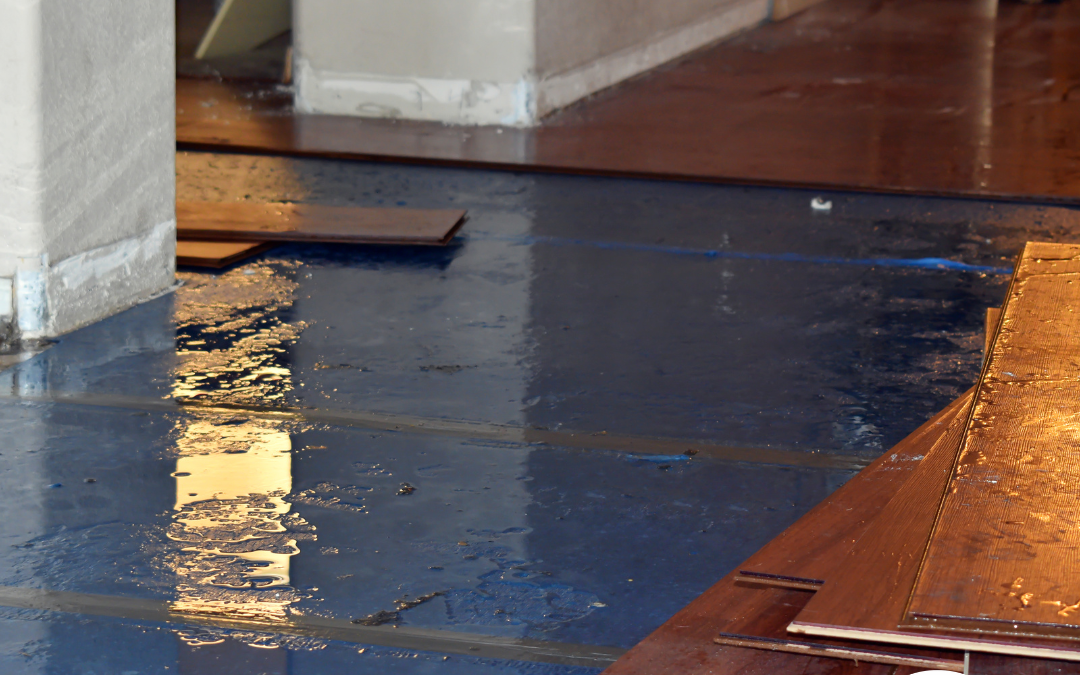
As winter fades and temperatures rise, spring is the ideal time for homeowners to assess their properties for potential water issues. Melting snow, heavy rains, and thawing ground can all contribute to hidden leaks and moisture problems that may go unnoticed until they cause significant damage. Conducting a thorough spring home inspection for leaks helps prevent costly repairs, protects your investment, and ensures a safe, dry living environment.
This guide will walk you through the essential steps for identifying water intrusion, checking vulnerable areas, and using modern tools to detect leaks early. You’ll also find practical tips for maintenance and prevention, along with resources for further reading and product recommendations.
Before diving into the inspection checklist, consider enhancing your home’s water safety with smart solutions. For example, learning how to install a water shut-off valve can give you more control during emergencies and help minimize water damage.
Why a Seasonal Leak Check Matters
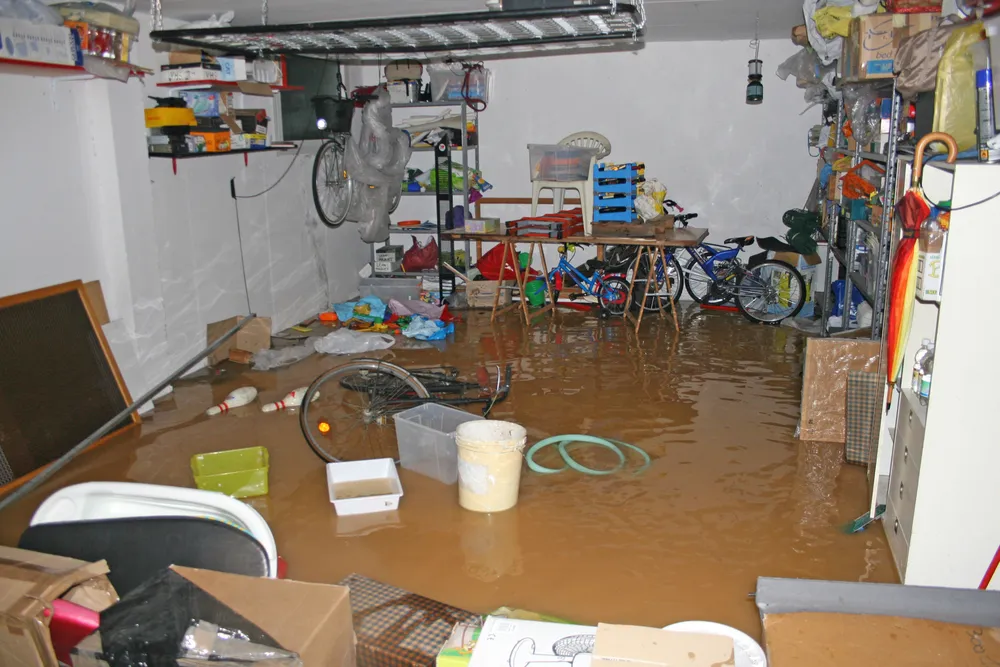
Water damage is among the most common and expensive problems homeowners face. Undetected leaks can lead to mold growth, wood rot, structural issues, and even electrical hazards. Spring brings unique risks due to increased rainfall and thawing, making it crucial to inspect your property thoroughly at this time of year.
A proactive approach to a spring home inspection for leaks not only preserves your home’s value but also contributes to a healthier indoor environment. Early detection allows for timely repairs, reducing the likelihood of major disruptions or insurance claims.
Key Areas to Inspect for Water Intrusion
A comprehensive inspection involves checking both the interior and exterior of your home. Focus on these vulnerable spots:
- Roof and Attic: Look for missing shingles, damaged flashing, and signs of water stains or mold in the attic.
- Gutters and Downspouts: Ensure gutters are clear of debris and downspouts direct water away from the foundation.
- Windows and Doors: Inspect caulking and weatherstripping for cracks or gaps where water could seep in.
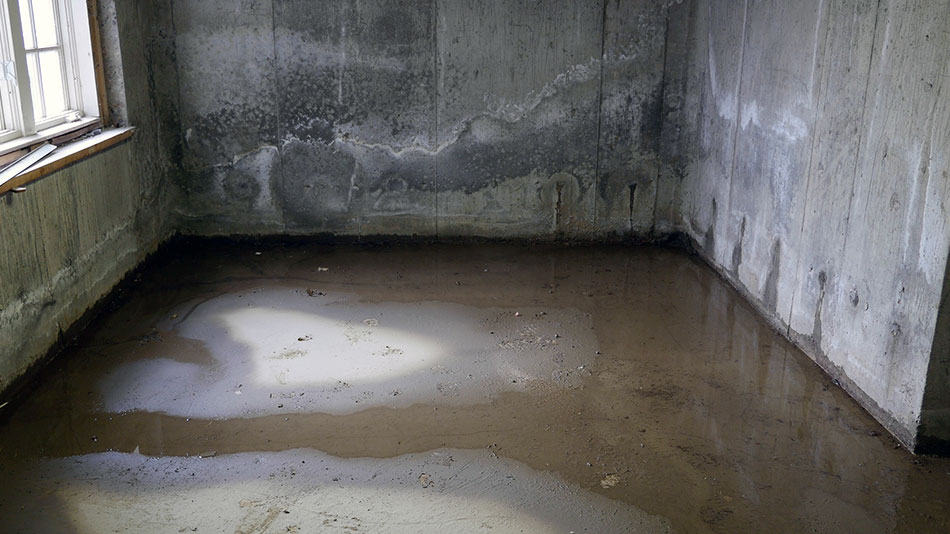
- Basement and Foundation: Check for dampness, efflorescence (white powdery residue), or cracks in walls and floors.
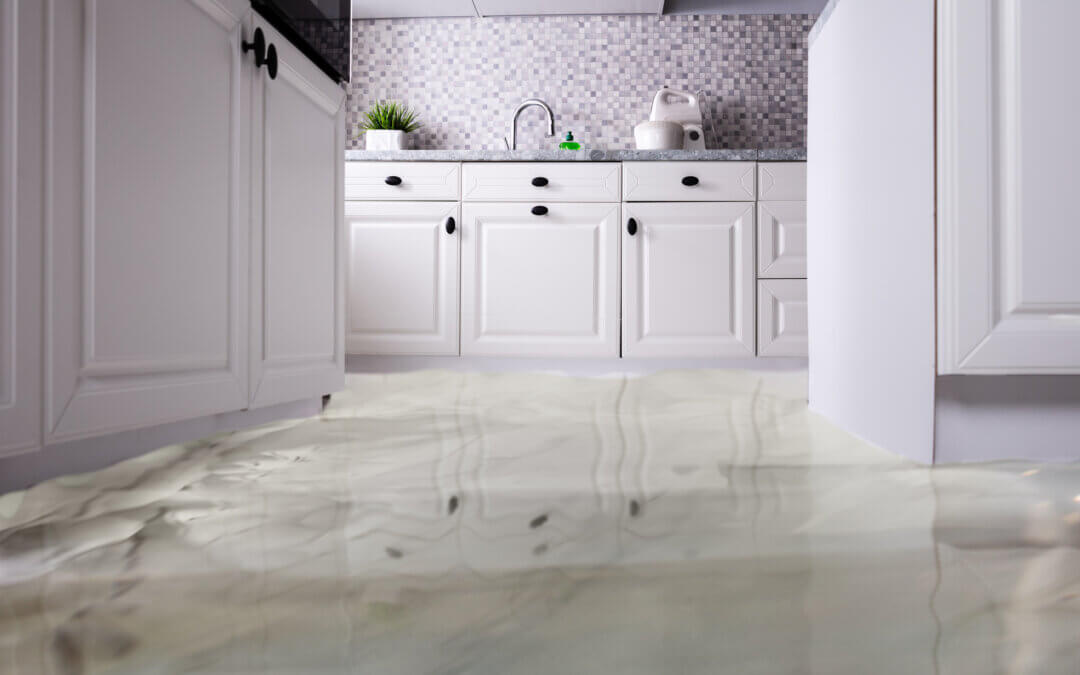
- Plumbing Fixtures: Examine under sinks, around toilets, and behind appliances for drips or pooling water.
- Exterior Walls and Siding: Look for warped, cracked, or missing siding that could allow moisture penetration.
How to Spot Hidden Leaks Indoors
Not all leaks are immediately visible. Some warning signs include:
- Unexplained increases in your water bill
- Musty odors or persistent dampness
- Peeling paint or wallpaper
- Stained ceilings or walls
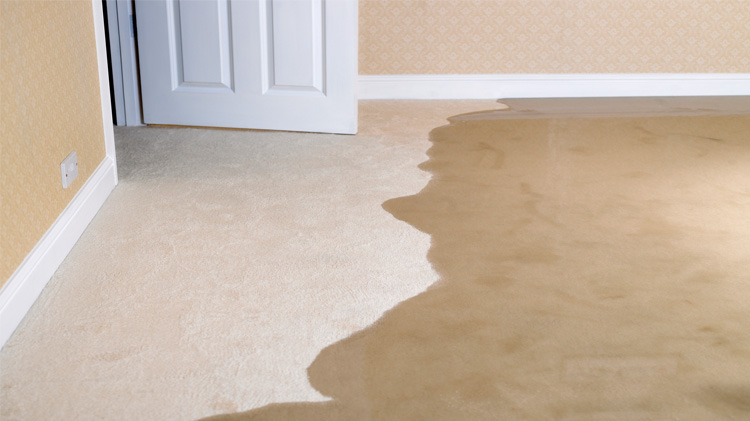
- Warped or buckling flooring

If you notice any of these symptoms, investigate further. Use a flashlight to check under cabinets, behind appliances, and in corners where moisture may collect. For more detailed guidance, see our article on how to use leak detectors near appliances.
Tools and Technology for Leak Detection
Modern technology makes it easier than ever to catch leaks early. Consider these options:
- Smart Leak Detectors: Devices placed near water heaters, washing machines, and under sinks can alert you to leaks via smartphone notifications.
- Moisture Meters: Handheld tools that measure moisture levels in walls, floors, and ceilings help pinpoint hidden dampness.
- Thermal Imaging Cameras: These can reveal temperature differences caused by wet spots behind walls or under floors.
Investing in smart home devices for leak prevention provides peace of mind and can help you act quickly if a problem arises.
Preventive Maintenance Tips for Spring
Regular maintenance is key to avoiding water damage. Here are some best practices:
- Clean gutters and downspouts at the start of spring and after major storms.
- Trim vegetation away from your home’s exterior to prevent moisture buildup.
- Seal cracks in foundation walls and around windows or doors.
- Replace old or brittle hoses on washing machines and dishwashers. For step-by-step help, refer to our guide on replacing old hoses to prevent water damage.
- Test sump pumps and backup systems to ensure they’re working properly.
- Check appliance water lines regularly. For more on this, see how to maintain appliance water lines.
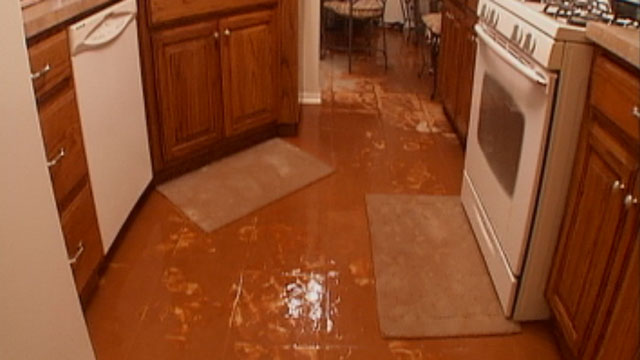
What to Do If You Find Water Damage
If your inspection uncovers signs of leaks or water intrusion, act quickly to minimize damage:
- Identify and stop the source of water, if possible.
- Remove standing water and dry affected areas using fans and dehumidifiers.
- Dispose of materials that cannot be dried or cleaned, such as saturated insulation or carpet padding.
- Contact a qualified professional for repairs if the damage is extensive or if mold is present.
- Document the damage for insurance purposes with photos and notes.
For additional information on water damage risks and restoration, consult this comprehensive resource on water damage in homes.
FAQ: Spring Leak and Water Damage Inspections
How often should I check my home for leaks?
It’s best to perform a detailed inspection at least once each spring and fall. However, you should also check after severe weather events or if you notice any warning signs, such as musty odors or higher water bills.
What are the most common sources of water leaks in homes?
Frequent culprits include aging roofs, clogged gutters, faulty plumbing connections, leaking appliances, and cracks in foundations or exterior walls. Regular maintenance and using leak detectors can help catch issues early.
Can smart devices really help prevent water damage?
Yes, smart leak detectors and shut-off valves can alert you to problems as soon as they start, even when you’re away from home. These devices are especially useful for high-risk areas like basements, laundry rooms, and under sinks.
Is professional help necessary for minor leaks?
Small leaks can often be repaired by homeowners, but if you’re unsure of the source or if water damage is extensive, it’s wise to consult a professional. Mold growth, structural damage, or persistent moisture require expert attention.
Conclusion
Taking the time for a thorough spring home inspection for leaks is one of the most effective ways to protect your property from water damage. By focusing on vulnerable areas, using modern detection tools, and maintaining your home’s systems, you can avoid costly repairs and enjoy peace of mind throughout the season.
For more tips on water safety and home maintenance, explore our related guides and stay proactive about protecting your home.