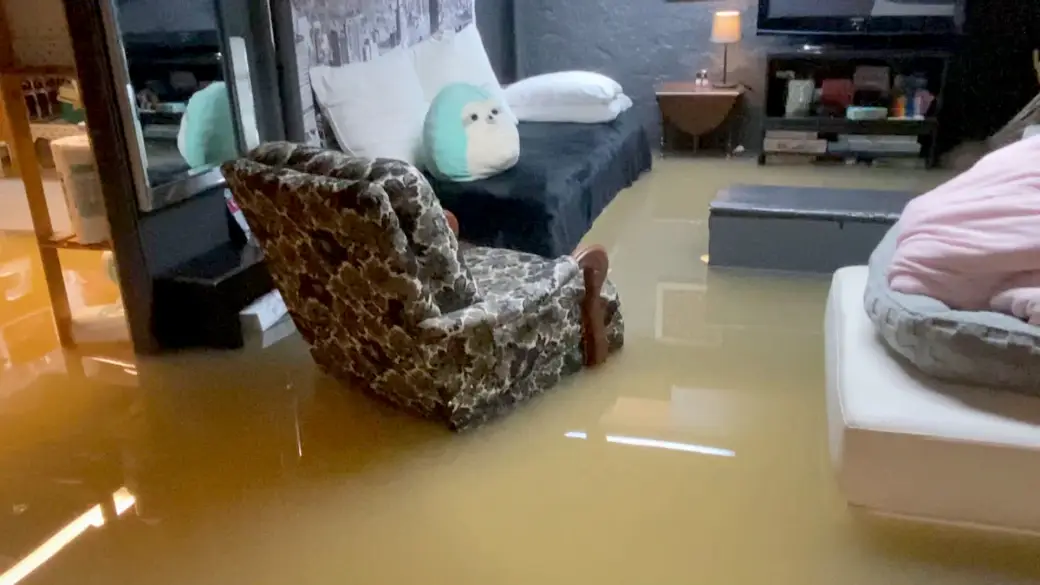
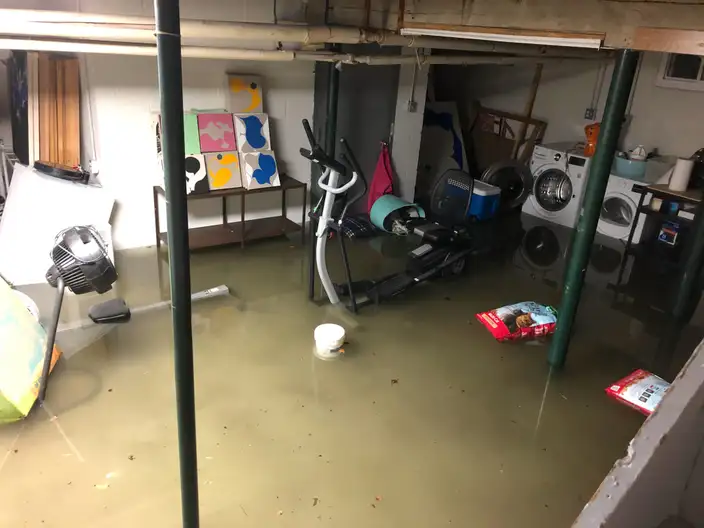
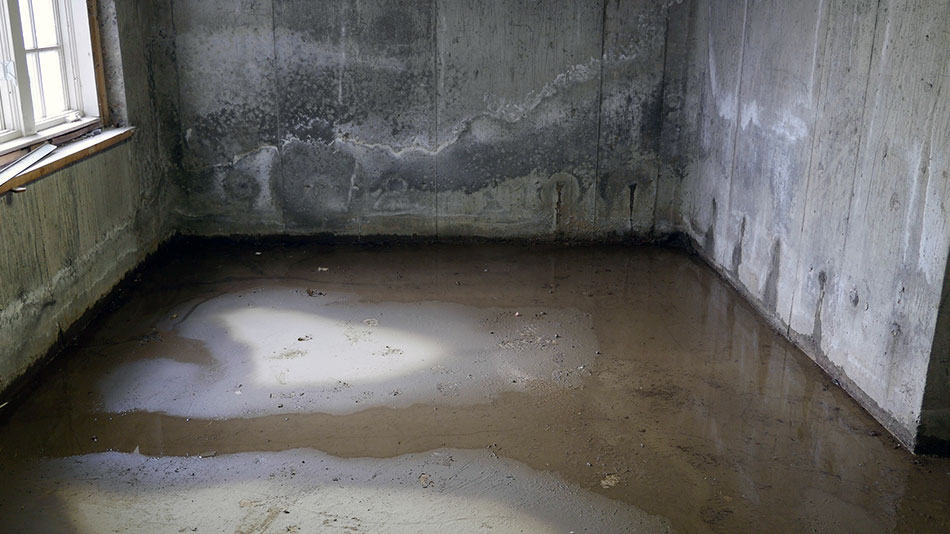
As winter recedes and temperatures rise, melting snow and ice can quickly overwhelm drainage systems, leading to water damage in homes and neighborhoods. Spring thaw flooding prevention is essential for property owners who want to avoid costly repairs and protect their investments. By understanding the risks and taking proactive steps, you can minimize the threat of water intrusion during this critical seasonal transition.
This guide covers practical measures to safeguard your property, from exterior maintenance to the latest technology solutions. For those also concerned about other seasonal flooding events, the monsoon flood home preparation resource offers additional tips relevant to heavy rainfall scenarios.
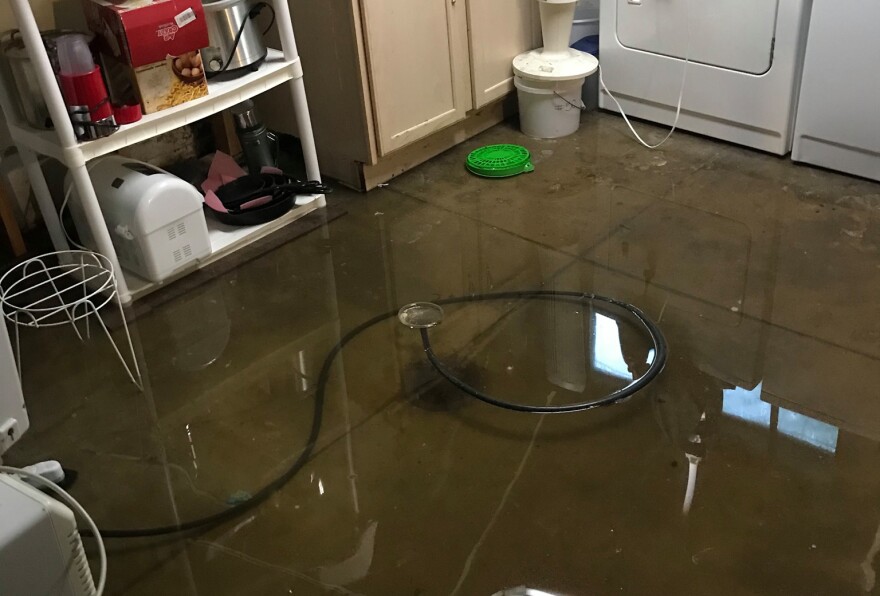
Understanding the Risks of Melting Snow and Ice
When snow and ice begin to melt rapidly, the ground may still be frozen, preventing water from soaking in. This runoff can pool around foundations, seep into basements, and overwhelm municipal drainage systems. Common consequences include:
- Basement flooding due to water infiltration through cracks or window wells
- Soil erosion and landscaping damage
- Overloaded sump pumps and sewer backups
- Mold growth and structural deterioration
Homeowners in regions with heavy snowfall or fluctuating spring temperatures are especially vulnerable. Recognizing these hazards is the first step toward effective flood prevention during spring thaw.
Exterior Maintenance for Effective Spring Thaw Flooding Prevention
The condition of your home’s exterior plays a major role in keeping water out. Regular maintenance tasks can significantly reduce the risk of water damage:
- Clear gutters and downspouts: Remove debris to ensure meltwater is directed away from the foundation.
- Extend downspouts: Use extensions to carry water at least 6 feet from your home.
- Check grading: Ensure soil slopes away from the house so water flows outward, not toward the basement.
- Seal foundation cracks: Inspect for and repair any visible gaps or holes in the foundation walls.
- Maintain window wells: Install covers and clear debris to prevent pooling.
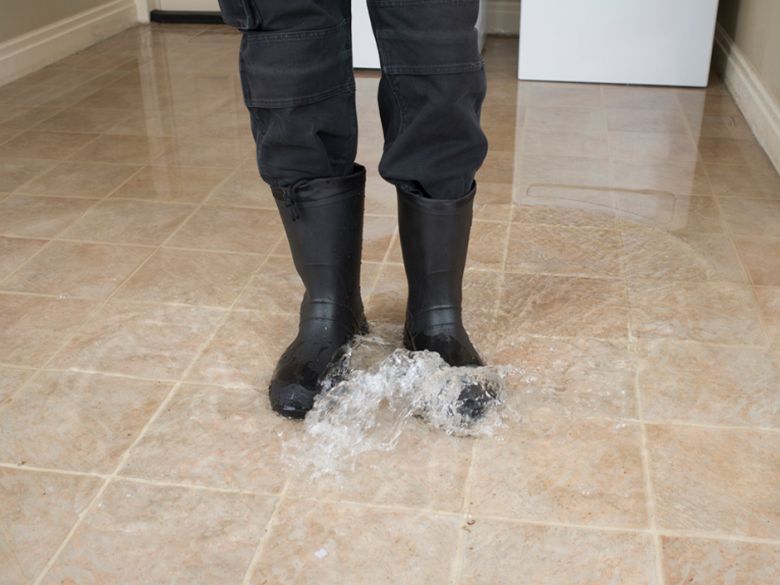
Interior Protection: Safeguarding Basements and Living Spaces
Even with strong exterior defenses, water can sometimes find its way inside. Implementing interior measures is a vital part of spring thaw flooding prevention:
- Install a sump pump: A reliable sump pump with a battery backup can remove water before it accumulates.
- Use water leak detectors: Place sensors in vulnerable areas to receive early alerts and act quickly.
- Elevate appliances and valuables: Store items on shelves or pallets, especially in basements.
- Seal basement walls: Apply waterproof coatings to interior walls and floors.
- Check plumbing connections: Inspect pipes and hoses for leaks or weaknesses.
For a comprehensive approach, consult a flood prevention checklist for homeowners to ensure all critical steps are covered.
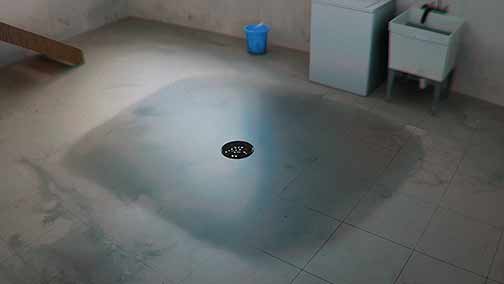
Leveraging Smart Technology for Modern Flood Defense
Advances in home automation have made it easier than ever to monitor and respond to potential water threats. Smart solutions can provide peace of mind and rapid response:
- Remote water shutoff systems: These allow you to turn off your water supply remotely if a leak is detected. Learn more about remote water shutoff systems for added protection.
- Automated flood protection: Integrated systems can detect rising water and activate pumps or send alerts. Explore automated flood protection systems for home safety.
- Smart flood prevention technology: Sensors and alarms can be linked to your smartphone for instant notifications. For details, see smart flood prevention technology for homes.
These innovations are part of a global trend toward using technology to combat water-related risks. For a broader perspective, see how technologies are combatting flood risks around the world.
Community-Level Flood Mitigation
While individual efforts are crucial, community-wide initiatives can further reduce the impact of spring runoff. Municipalities and neighborhood associations often implement:
- Stormwater management systems and retention ponds
- Public education campaigns on proper snow disposal
- Regular maintenance of public drains and culverts
- Emergency response plans for severe flooding events
Staying informed about local flood risks and participating in community preparedness can strengthen overall resilience.
FAQ: Spring Flooding and Home Protection
What are the most effective ways to prevent basement flooding during spring thaw?
The most effective strategies include keeping gutters and downspouts clear, ensuring proper grading around your home, sealing foundation cracks, and installing a sump pump with a battery backup. Using water leak detectors and elevating valuables off the basement floor also helps minimize damage.
How can technology help with spring flood prevention?
Technology such as smart water sensors, automated shutoff valves, and integrated flood protection systems can detect leaks or rising water early and trigger alerts or automatic responses. These tools allow for rapid intervention, reducing the risk of major water damage.
Is insurance coverage necessary for spring flooding?
Standard homeowner’s insurance policies often do not cover flood damage. It’s important to review your policy and consider purchasing additional flood insurance if you live in an area prone to spring runoff or have a history of water issues.
Conclusion: Building Resilience Against Seasonal Flooding
Preparing for the annual thaw is a multi-step process that combines exterior maintenance, interior safeguards, and the adoption of smart technology. By taking these actions, you can significantly reduce your risk of water damage and protect your home and family. For a step-by-step approach, refer to a flood prevention checklist for homeowners and stay proactive throughout the season.