As cities expand and climate patterns shift, more homeowners are facing the reality of water intrusion and property damage. Urban home flood challenges are becoming a pressing concern, with heavy rainfall, aging infrastructure, and dense development all contributing to increased risk. Understanding the causes, impacts, and most effective strategies for prevention and recovery is essential for anyone living in metropolitan areas.
This article explores the main difficulties urban dwellers encounter with flooding, practical steps to minimize damage, and the latest technologies and policies shaping urban flood resilience. For those interested in the broader environmental context, our resource on climate change and home flooding provides additional insights into how global trends are affecting local risks.
Common Causes of Flooding in Urban Homes
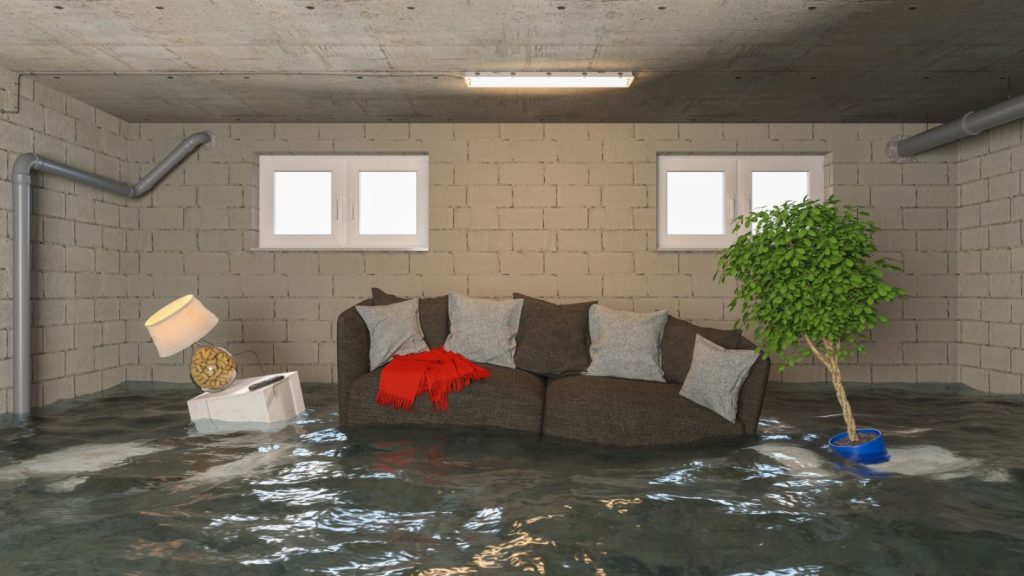
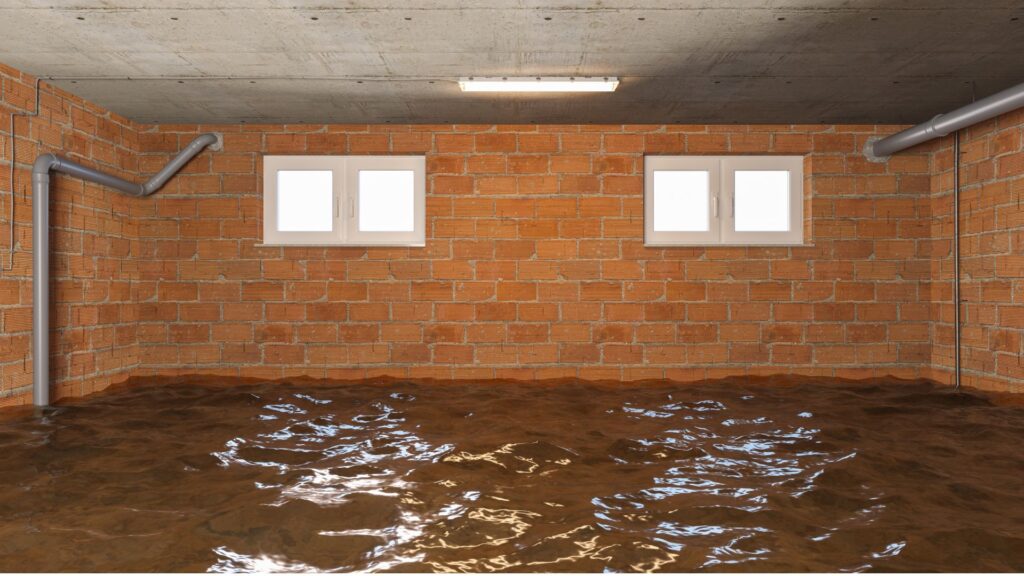
Several factors make city homes particularly vulnerable to water damage. The combination of impermeable surfaces, such as concrete and asphalt, and limited green spaces means rainwater cannot easily soak into the ground. Instead, it accumulates quickly, overwhelming stormwater systems and leading to street and basement flooding.
- Heavy Rainfall: Intense storms can drop more water than city drains can handle, causing backups and overflow.
- Blocked Drains and Sewers: Debris, leaves, and litter often clog drainage systems, reducing their capacity and increasing the risk of localized flooding.
- Old Infrastructure: Many urban areas rely on outdated pipes and pumps, which may fail during extreme weather events.
- Development Patterns: High-density construction leaves little room for water absorption, amplifying runoff.
These factors combine to create a situation where even moderate rainfall can result in significant water intrusion, especially in basements and ground floors.
Key Urban Home Flood Challenges for Residents
The difficulties faced by city homeowners go beyond the initial water entry. Some of the most significant urban home flood challenges include:
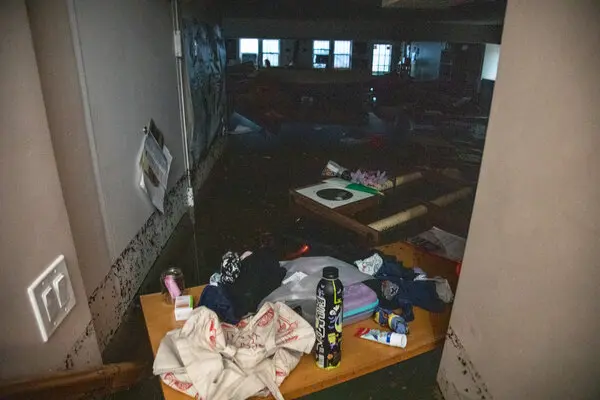
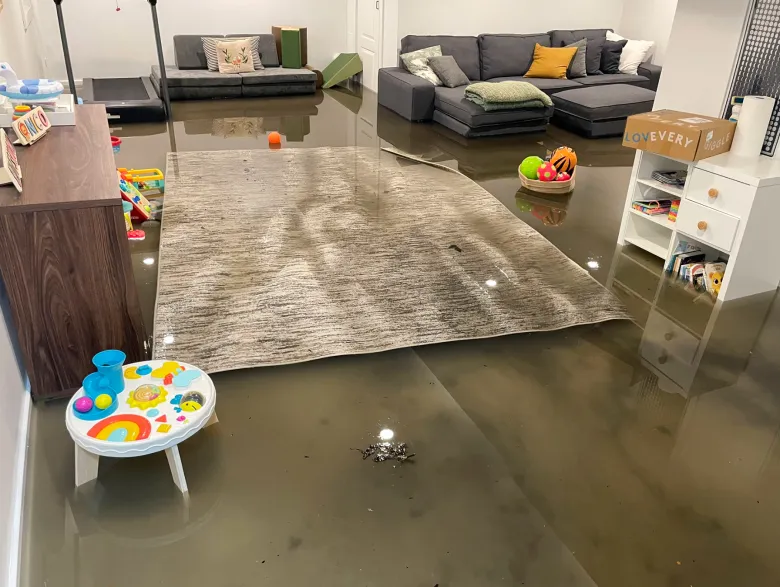
- Property Damage: Water can ruin flooring, walls, electrical systems, and personal belongings. Repairs are often costly and time-consuming.
- Mold and Health Risks: Damp environments promote mold growth, which can trigger allergies and respiratory issues.
- Insurance Complications: Many residents are unaware of the specifics of their coverage, leading to unexpected expenses. For a deeper understanding, see our guide on flood insurance basics.
- Displacement: Severe flooding may force families to leave their homes temporarily, disrupting daily life and work.
- Emotional Stress: The uncertainty and loss associated with flooding can take a toll on mental well-being.
Addressing these issues requires a combination of personal preparedness and community-wide action.
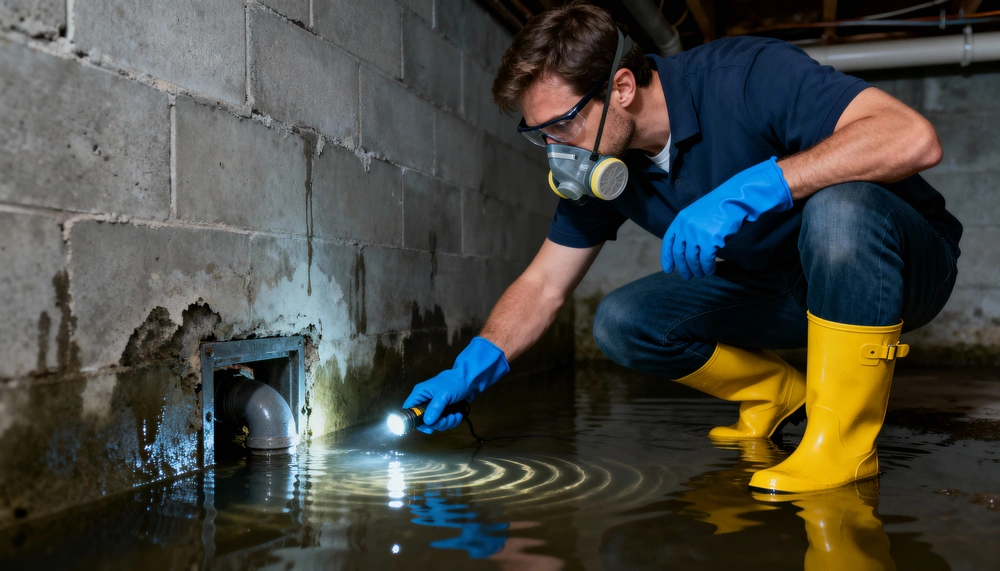
Prevention Strategies for Urban Flooding in Homes
While some flood risks are beyond individual control, there are practical steps homeowners can take to reduce their vulnerability:
- Install Backwater Valves: These devices prevent sewage from backing up into your home during heavy rain.
- Maintain Gutters and Drains: Regular cleaning ensures water flows away from your property efficiently.
- Seal Foundation Cracks: Inspect your basement and repair any gaps where water might seep in.
- Elevate Appliances and Electrical Systems: Place key equipment above potential flood levels to avoid costly damage.
- Use Water Leak Detectors: Modern sensors can alert you to leaks before they become major problems. See the yellow button above for a recommended device.
- Landscape for Drainage: Direct water away from your home using grading, French drains, or rain gardens.
For those unsure about their property’s specific risks, a home flood risk assessment can provide valuable insights and tailored recommendations.
Technological and Community-Based Solutions
Advances in technology and urban planning are helping cities and homeowners adapt to changing flood patterns. Some promising approaches include:
- Smart Water Sensors: Devices that monitor moisture levels and send real-time alerts to your phone.
- Green Infrastructure: Permeable pavements, green roofs, and expanded parks absorb rainwater and reduce runoff.
- Upgraded Sewer Systems: Cities are investing in larger pipes and advanced pumps to handle higher volumes of water.
- Community Flood Warning Systems: Neighborhood-level alerts help residents prepare for incoming storms.
To learn about innovative approaches being used worldwide, check out this overview of technologies combatting flood risks.

Insurance and Financial Protection for Urban Flooding
Financial recovery after a flood can be challenging. Many homeowners are surprised to find that standard policies may not cover all types of water damage. It’s important to:
- Review Your Policy: Understand what is and isn’t covered, and consider purchasing additional flood insurance if needed.
- Know the Waiting Period: Most flood insurance policies have a waiting period before coverage begins. Learn more about this in our article on the flood insurance waiting period.
- Debunk Myths: Misconceptions about coverage are common. For clarity, see our resource on flood insurance myths.
- Document Everything: Take photos and keep records of damages and repairs for claims.
Being proactive about insurance can make a significant difference in your ability to recover financially after an incident.
FAQ: Urban Flooding in Residential Areas
What are the first steps to take if my home is flooded?
Ensure everyone’s safety first. Turn off electricity if it’s safe, avoid wading through water, and contact emergency services if needed. Once the area is secure, document the damage with photos, notify your insurance provider, and begin removing water and drying out the space as soon as possible.
How can I tell if my property is at high risk for flooding?
Check local flood maps, review your city’s drainage history, and inspect your property for low-lying areas or poor drainage. A professional home flood risk assessment can provide a detailed evaluation and recommendations.
Are there affordable ways to protect my home from water damage?
Yes. Simple measures like cleaning gutters, sealing cracks, and installing water leak detectors are cost-effective and can prevent significant damage. Landscaping to direct water away from your home and using backwater valves are also practical solutions for many urban properties.
Does renters insurance cover flood damage?
Most standard renters insurance policies do not cover flood damage. Renters should consider purchasing separate flood insurance and clarify coverage details with their provider.
Urban flooding is a growing concern, but with the right knowledge and preparation, homeowners can significantly reduce their risks and recover more quickly when incidents occur. Stay informed, invest in preventative measures, and review your insurance coverage regularly to protect your property and peace of mind.