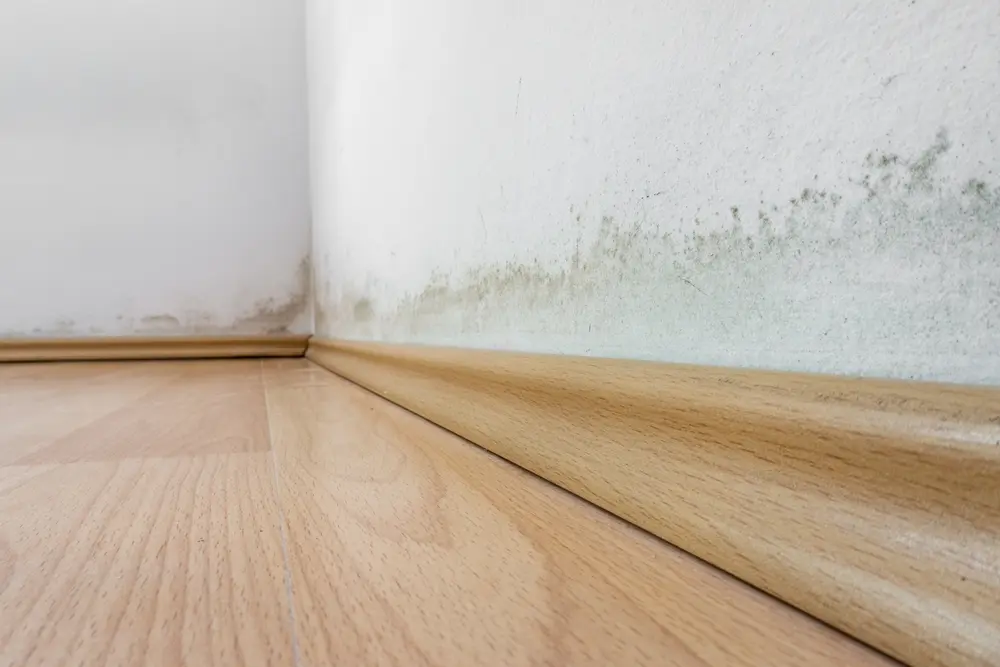
Plumbing leaks can cause significant damage to your property, leading to costly repairs, mold growth, and structural issues. Taking proactive steps to avoid leaks not only protects your home but also helps you save on water bills and maintain a healthy living environment. In this guide, you’ll find practical strategies and maintenance tips to keep your pipes, fixtures, and appliances in optimal condition. By understanding the most effective ways to prevent plumbing leaks, you can reduce the risk of unexpected water damage and ensure your home stays dry and secure.
Early detection and regular maintenance are key to minimizing the impact of water issues. For more information on identifying potential problems before they escalate, check out early signs of water leaks in your plumbing and walls.
Routine Maintenance for Leak-Free Plumbing
Regular inspections and upkeep are among the most reliable ways to prevent plumbing leaks. Small issues, such as minor drips or corrosion, can quickly escalate if left unaddressed. Here are some essential maintenance practices:
- Inspect visible pipes under sinks, in basements, and around appliances for signs of moisture, rust, or mineral buildup.
- Check water pressure regularly. Excessive pressure can strain joints and fittings, increasing the risk of leaks. Use a pressure gauge and keep levels between 40–60 psi.
- Clean faucet aerators and showerheads to prevent mineral deposits that can damage seals.
- Flush your water heater annually to remove sediment and reduce the risk of tank leaks.
Staying proactive with these tasks can help you spot trouble early and avoid major repairs. For more comprehensive advice, explore water damage prevention tips for homeowners.
Protecting Pipes from Freezing and Corrosion
Cold weather and corrosion are two leading causes of plumbing failures. Taking steps to insulate and protect your pipes is a crucial part of leak prevention:
- Insulate exposed pipes in unheated areas such as attics, garages, and crawl spaces. Use foam pipe insulation or heat tape to keep pipes above freezing temperatures.
- Seal gaps and cracks in exterior walls and foundations to prevent cold air from reaching plumbing lines.
- Let faucets drip slightly during extreme cold to keep water moving and reduce the risk of freezing.
- Address corrosion by replacing old galvanized pipes with modern materials like PEX or copper, which are less prone to rust and leaks.

Appliance and Fixture Care to Avoid Leaks
Appliances and fixtures are common sources of hidden leaks. Keeping them in good condition is another effective strategy for minimizing water damage:
- Inspect washing machine hoses for cracks or bulges and replace them every 3–5 years with braided stainless steel hoses.
- Check under sinks for dampness or pooling water, which can indicate a slow leak from supply lines or drainpipes.
- Test toilets for leaks by adding a few drops of food coloring to the tank; if color appears in the bowl without flushing, replace the flapper or valve.
- Monitor dishwashers and refrigerators for leaks around water supply connections and replace worn gaskets or seals.
For advice on identifying hidden moisture issues, see this guide on how to spot hidden water damage in your home.
Smart Devices and Leak Detection Solutions
Modern technology offers advanced tools to help homeowners detect leaks early and prevent extensive damage. Installing smart leak detectors and shutoff valves can provide peace of mind and rapid response:
- Install water leak sensors near appliances, under sinks, and in basements. These devices alert you to moisture before it becomes a major problem.
- Use automatic shutoff valves that cut off the water supply when a leak is detected, minimizing potential damage.
- Monitor water usage with smart meters to identify unusual spikes that may indicate a hidden leak.
For a detailed look at preventive steps, read what to do before water damage happens to safeguard your home.

Professional Inspections and When to Call an Expert
While many preventive measures can be handled by homeowners, some situations require professional expertise. Scheduling periodic plumbing inspections ensures that hidden problems are caught before they cause significant damage:
- Hire a licensed plumber for a comprehensive inspection every few years, especially in older homes or properties with a history of leaks.
- Request video pipe inspections to identify blockages, cracks, or root intrusion in underground lines.
- Address persistent issues such as recurring clogs, slow drains, or unexplained increases in water bills promptly to avoid escalation.
For more on keeping your living space dry and healthy, see how to maintain a dry home and avoid water problems.
Additional Tips for Preventing Water Damage
Beyond regular maintenance and smart devices, there are other important steps you can take to reduce the risk of leaks:
- Know the location of your main shutoff valve and ensure all household members can access it in an emergency.
- Keep gutters and downspouts clear to direct water away from your foundation and prevent seepage into basements.
- Check landscaping to ensure soil slopes away from your home, reducing the risk of water pooling near the foundation.
- Review your insurance policy to confirm coverage for water damage and consider additional protection if needed.
For further guidance, you can read these tips for protecting your home’s interior from water damage from industry experts.
Frequently Asked Questions
What are the most common causes of plumbing leaks?
The most frequent sources include worn-out pipe joints, corrosion, high water pressure, frozen pipes, and faulty appliance connections. Regular inspections and timely repairs can help you address these issues before they lead to significant water damage.
How often should I check for leaks in my home?
It’s a good idea to inspect visible plumbing and appliances at least every few months. Annual professional inspections are recommended, especially for older homes or if you’ve experienced leaks in the past.
Can smart leak detectors really prevent major water damage?
Yes, smart leak detectors can alert you to leaks early, allowing you to shut off water or call for repairs before extensive damage occurs. Many models also integrate with automatic shutoff valves for added protection.
Is it necessary to replace old pipes even if they aren’t leaking?
Pipes made from outdated materials like galvanized steel are more prone to corrosion and leaks over time. Proactively replacing them with modern materials can reduce the risk of future plumbing failures.