Foundation water damage is a serious concern for homeowners and property managers. When moisture seeps into the base of a structure, it can compromise the stability of the entire building, lead to costly repairs, and even affect indoor air quality. Understanding what causes foundation water damage is the first step toward preventing long-term structural issues and maintaining a safe, dry environment.
This guide breaks down the most common sources of moisture intrusion, explains how to recognize warning signs early, and offers practical solutions for prevention and repair. Whether you’re dealing with a minor leak or want to safeguard your property for the future, knowing the root causes and effective strategies can save you time, money, and stress.
For those looking to address related plumbing issues, you may also find value in our article on how to maintain plumbing to avoid leaks, which covers routine maintenance tips to help prevent leaks and bursts that can contribute to water intrusion.
Main Reasons Behind Foundation Moisture Problems
Several factors contribute to water damage at the foundation level. By identifying these sources, you can take targeted action to protect your home or building.
Poor Drainage Around the Property
One of the leading causes of foundation water issues is inadequate drainage. When the ground around your home does not slope away from the foundation, rainwater and melting snow can collect and seep downward. Over time, this persistent moisture can erode the soil, create hydrostatic pressure against basement walls, and eventually find its way inside.
- Clogged or broken gutters and downspouts allow water to pool near the base of the structure.
- Improper grading or landscaping traps water close to the foundation.
- Concrete patios or walkways sloped toward the house can channel water directly to vulnerable areas.
Plumbing Leaks and Burst Pipes
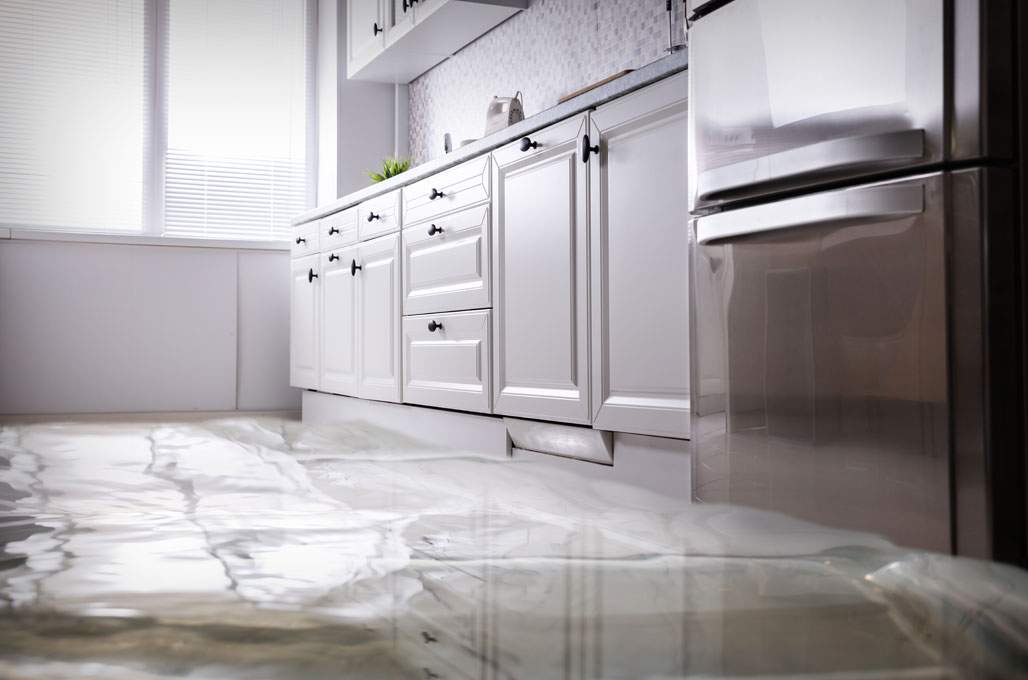
Hidden leaks from supply lines, drain pipes, or appliances can saturate the soil beneath your home. Over time, even small leaks can cause significant damage, especially if left undetected. In colder climates, frozen pipes may burst and release large volumes of water, rapidly increasing the risk of foundation problems.
For more insight into the relationship between plumbing and structural damage, see our resource on water pressure and pipe damage explained.
Surface Water Accumulation
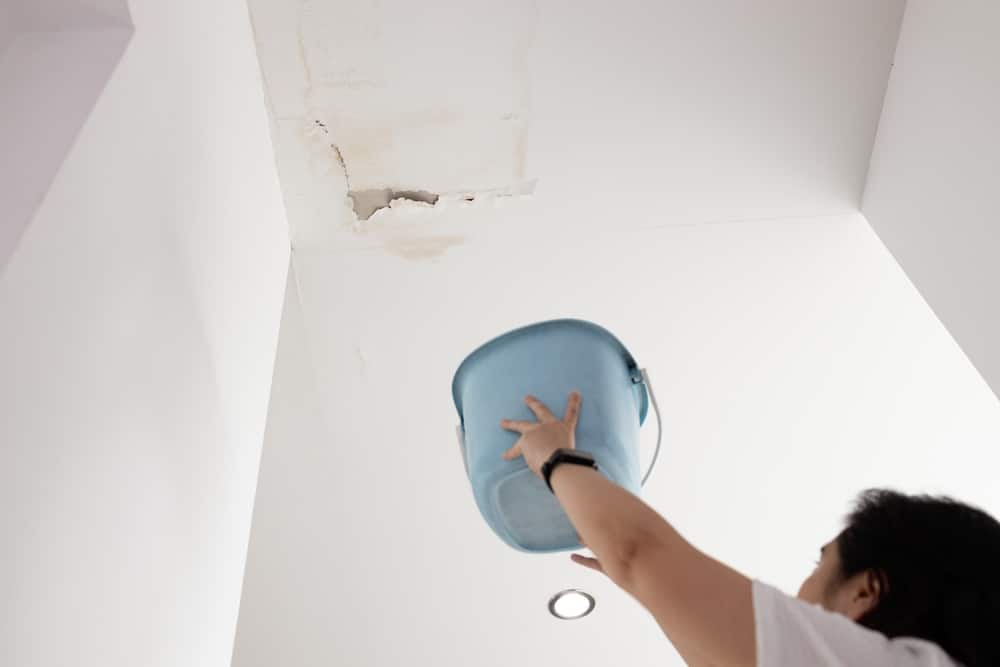
Heavy rainfall, overflowing irrigation systems, or poor yard design can lead to surface water pooling near the foundation. When the soil becomes saturated, water pressure builds up and seeks the path of least resistance—often cracks or gaps in the foundation wall. Over time, this can result in seepage, mold growth, and even structural shifting.
Hydrostatic Pressure and Soil Expansion
Certain soil types, such as clay, expand significantly when wet. This expansion creates hydrostatic pressure against the foundation walls, which can cause cracks and allow water to enter. Repeated cycles of wetting and drying can worsen the problem, leading to ongoing movement and instability.
Warning Signs of Water Damage at the Foundation
Early detection is key to minimizing costly repairs. Watch for these common indicators that moisture is affecting your foundation:
- Cracks in basement walls or floors, especially those that widen over time
- Musty odors or visible mold growth in lower levels
- Efflorescence (white, powdery residue) on concrete surfaces
- Warped or buckling flooring above the basement or crawl space
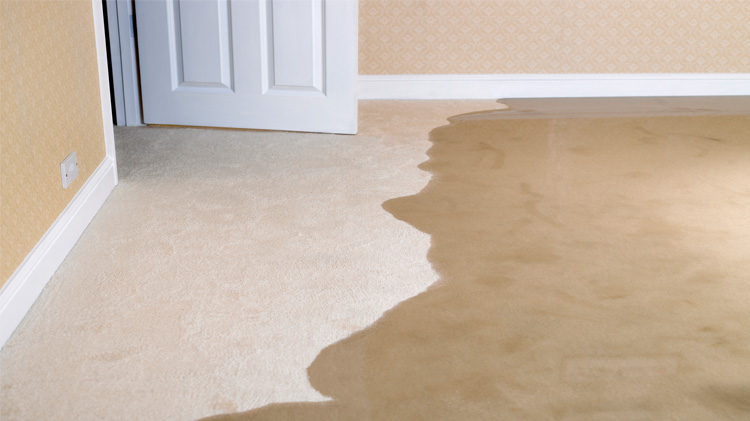
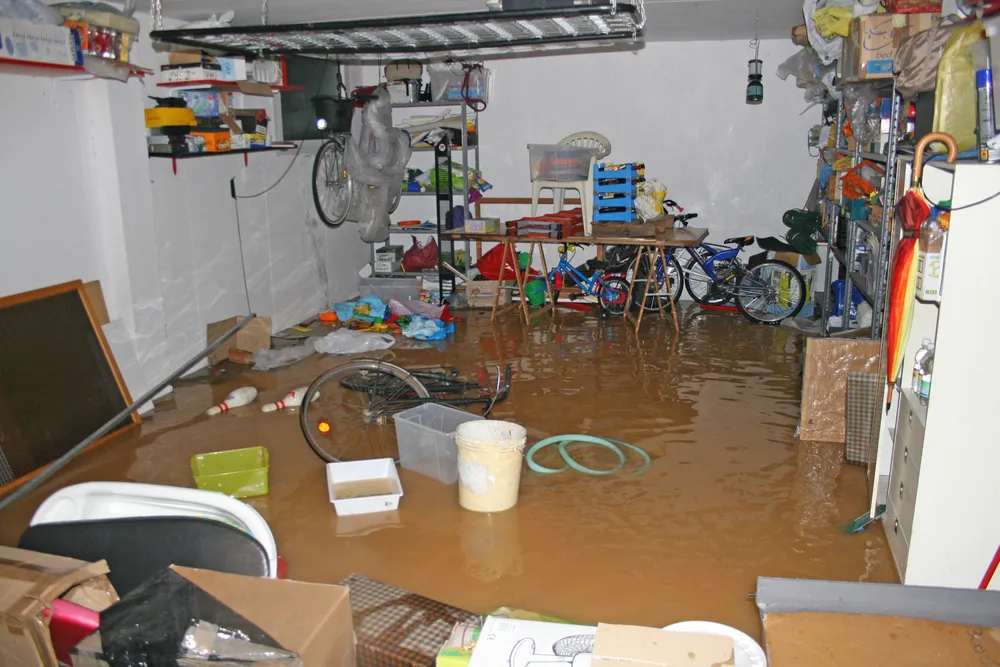
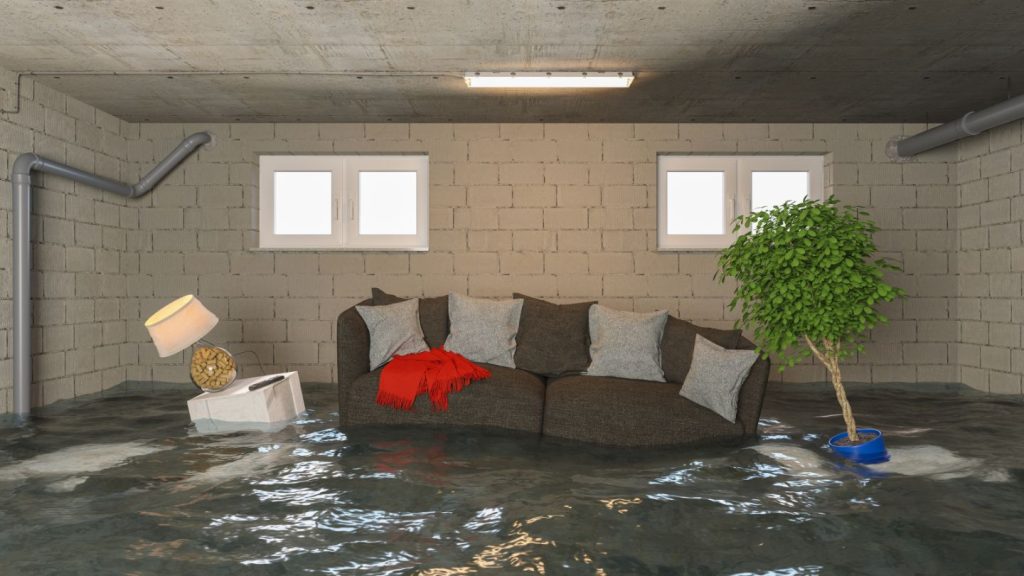
- Persistent dampness or standing water near the base of the structure
How to Prevent Foundation Water Damage
Proactive steps can greatly reduce the risk of moisture problems. Here are some of the most effective strategies:
Improve Drainage and Grading
Ensure that the ground slopes away from your home by at least six inches over the first ten feet. Regularly clean gutters and downspouts, and extend downspout outlets at least five feet from the foundation. Consider installing French drains or swales if your yard tends to collect water.
Address Plumbing Issues Promptly
Regularly inspect visible pipes and fixtures for leaks. Install water leak detectors to catch hidden problems early. If you notice a sudden increase in your water bill or hear running water when all fixtures are off, investigate immediately.
Seal Foundation Cracks and Gaps
Use epoxy or polyurethane injections to seal minor cracks in basement walls and floors. For larger gaps or ongoing water intrusion, consult a professional to assess the need for structural repairs or waterproofing systems.
Install Sump Pumps and Waterproofing Systems
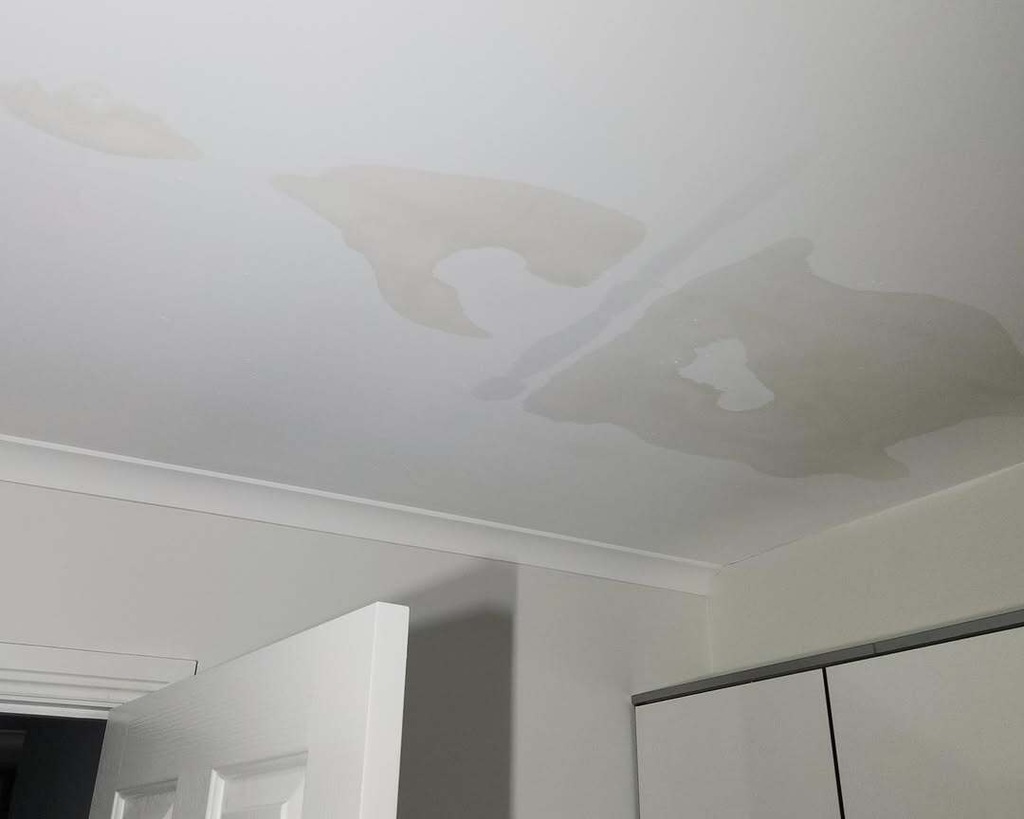
In areas prone to flooding or high groundwater, a sump pump can help keep basements dry. Interior or exterior waterproofing membranes and drainage systems provide an added layer of protection against seepage.
Maintain Your Plumbing and Monitor Water Pressure
Keeping your plumbing in good condition is essential for preventing leaks that could lead to foundation problems. For detailed maintenance tips, refer to our article on how to maintain plumbing to avoid leaks. Monitoring water pressure can also help you spot issues before they escalate.
Professional Solutions for Persistent Issues
Sometimes, despite your best efforts, water problems persist. In these cases, it’s wise to consult a foundation specialist or waterproofing contractor. They can assess the extent of the damage, recommend repairs, and install advanced systems such as exterior drainage, wall anchors, or structural reinforcements.
For additional tips on safeguarding your property, you may also want to explore our guide on how to protect pipes from freezing, which addresses another common cause of water-related damage.
Additional Resources for Preventing Water Damage
Staying informed about best practices can make a significant difference in protecting your home. For a comprehensive overview of prevention strategies, see this expert guide on preventing water damage, which covers both interior and exterior solutions.
Frequently Asked Questions
What are the most common signs of water damage at the foundation?
Typical indicators include cracks in basement walls or floors, musty odors, visible mold, efflorescence on concrete, and persistent dampness or standing water near the base of the structure.
Can landscaping affect the risk of foundation water problems?
Yes, landscaping that traps water near the home, such as flower beds or hardscaping sloped toward the foundation, can increase the risk. Proper grading and drainage are essential to direct water away from the building.
How can I prevent plumbing leaks from causing foundation issues?
Regular inspection and maintenance of pipes, installing leak detectors, and monitoring water pressure can help catch problems early. For more detailed advice, review our article on why pipes burst and how to prevent it.