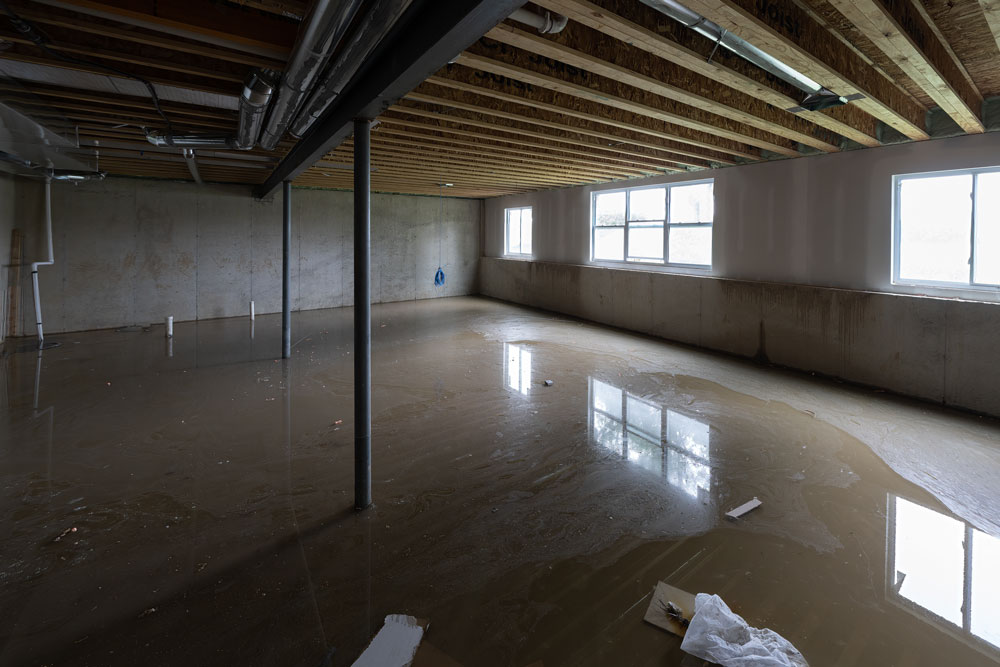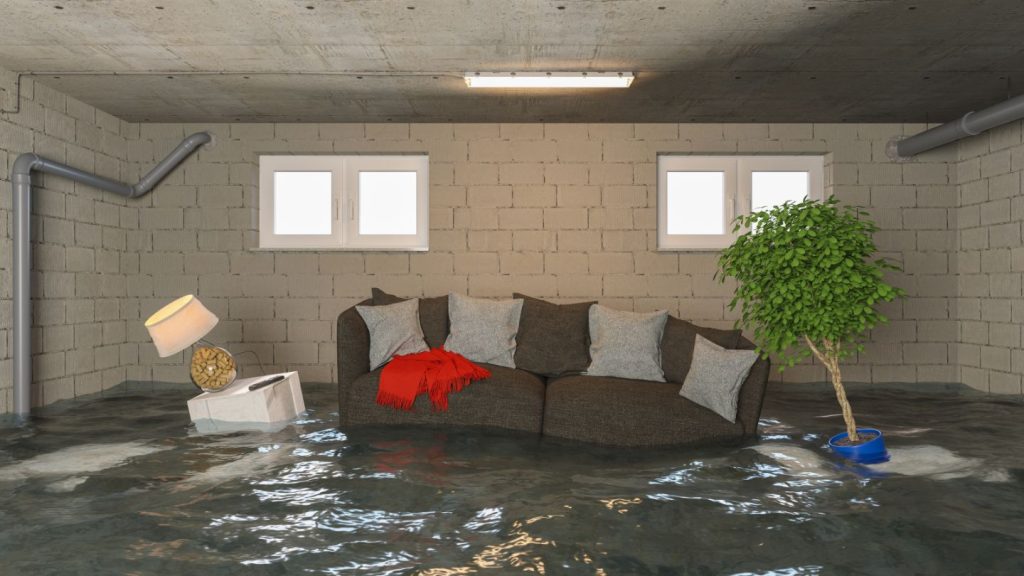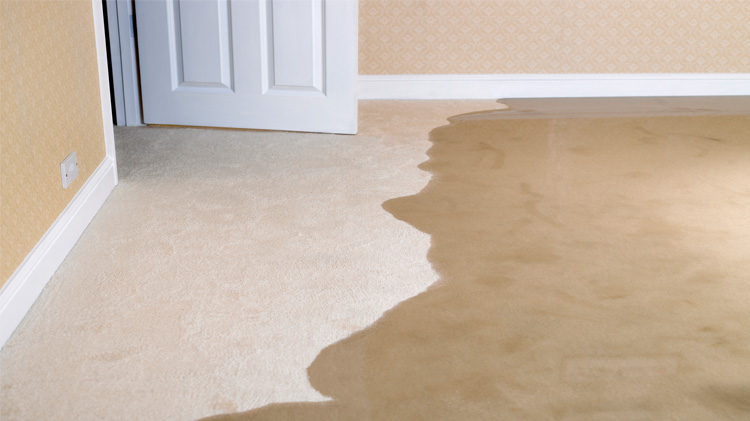
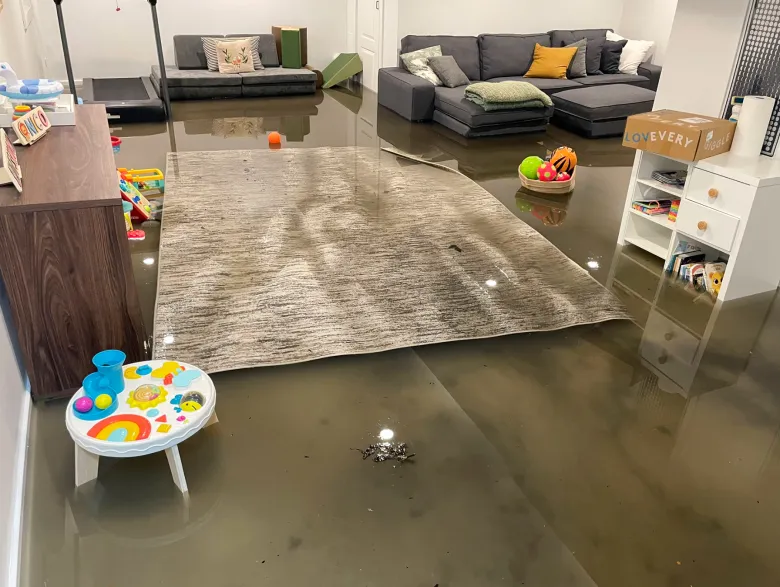
Floods can strike with little warning, leaving homeowners scrambling to protect their property and loved ones. Knowing what to do before a flood is essential for minimizing damage, ensuring safety, and making recovery easier. Preparation starts well before the first weather alert, and even small steps can make a significant difference. This guide provides practical actions, safety tips, and essential resources to help you get ready for rising waters.
Along with safeguarding your home, it’s important to think about protecting valuables and having a clear emergency plan. For more targeted advice on securing important items, see protecting valuables from floods. Early preparation is the best defense against the unpredictable nature of flooding.
Understanding Flood Risks in Your Area
The first step in flood readiness is to assess your local risk. Check flood maps provided by government agencies or local authorities to determine if your home is in a flood-prone zone. Even if you’re outside a designated floodplain, heavy rain, blocked drains, or rapid snowmelt can still cause issues.
- Review your community’s flood history and recent weather patterns.
- Sign up for local emergency alerts and weather notifications.
- Know the difference between a flood watch (possible) and a flood warning (expected or happening).
Understanding your risk level helps you prioritize which steps to take and how urgently to act.
Essential Preparations for Homeowners
Taking proactive measures can greatly reduce the impact of flooding on your property. Here are key actions to consider:
- Review your insurance coverage: Standard homeowner policies often exclude flood damage. Consider purchasing separate flood insurance if you’re at risk.
- Document your belongings: Take photos or videos of your home’s interior and valuable items. Store copies digitally or off-site for easy access during claims.
- Prepare an emergency kit: Include bottled water, non-perishable food, medications, flashlights, batteries, and important documents in a waterproof container.
- Plan evacuation routes: Know multiple ways out of your neighborhood and identify a safe meeting spot for your family.
- Protect critical documents: Store insurance papers, identification, and medical records in a waterproof bag or safe deposit box.
For a detailed checklist, you can consult this flood emergency preparedness checklist to ensure nothing is overlooked.
Steps to Safeguard Your Home Before Flooding
Physical preparations around your property can help keep water out and reduce damage. Here are some practical steps:
- Clear gutters and drains: Remove debris from gutters, downspouts, and storm drains to allow water to flow away from your home.
- Seal basement walls: Apply waterproofing compounds to basement walls and floors to help prevent seepage.
- Install sump pumps: Make sure your sump pump is working and has a battery backup in case of power outages.
- Move valuables to higher ground: Relocate electronics, furniture, and important items to upper floors or elevated shelves.
- Use sandbags or barriers: Place sandbags at entry points like doors and garage openings to block shallow water.
- Shut off utilities: Know how to turn off electricity, gas, and water at the main switches or valves if instructed by authorities.
For more strategies on reducing harm, see these tips for minimizing flood damage at home.
Smart Technology and Early Warning Tools
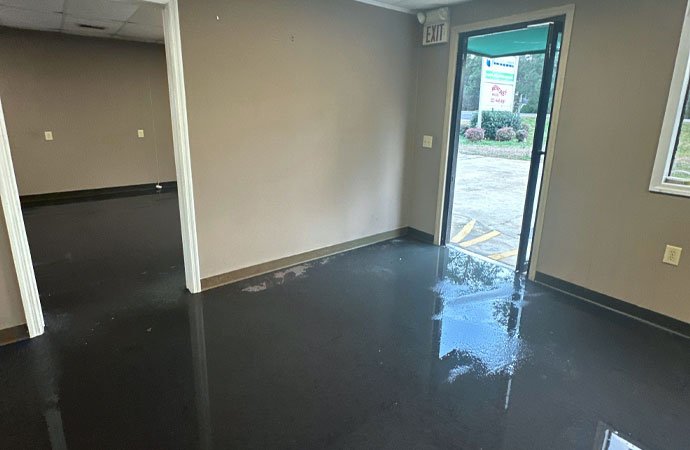
Modern technology can play a crucial role in flood preparedness. Water leak detectors, smart sensors, and home monitoring systems can alert you to leaks or rising water levels before they become disasters. Installing these devices in basements, laundry rooms, and near water heaters provides early warnings, giving you more time to act.
For a comprehensive overview of home flood readiness, see this guide to home flood preparedness from a trusted energy provider.
Family and Community Flood Safety Planning
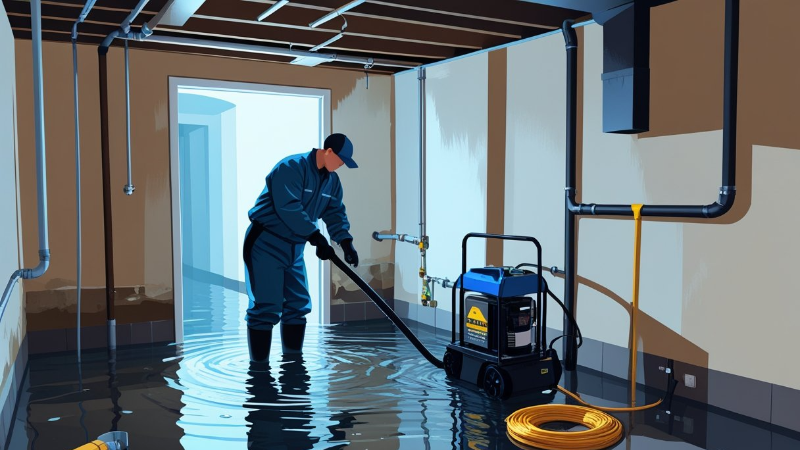
Preparing your household and staying connected with your community can make a big difference during a flood emergency. Make sure everyone in your home knows the emergency plan, including evacuation routes and where to meet if separated. Practice drills so that actions become second nature.
- Teach children how to call emergency services and recognize warning signs.
- Coordinate with neighbors, especially those who may need extra help.
- Keep a list of emergency contacts, including local shelters and utility companies.
For additional advice on keeping your household safe, visit flood safety tips for families.
What to Do When Flooding Is Imminent
If a flood warning has been issued or you see signs of rising water, act quickly:
- Move to higher ground immediately if instructed by authorities.
- Unplug electrical appliances and move them to safer locations.
- Bring outdoor furniture and items inside to prevent them from washing away.
- Listen to local news or weather radio for updates and instructions.
- Keep your emergency kit and important documents with you at all times.
Taking these steps can help keep your family safe and reduce the impact of flooding on your home.
After the Flood: Next Steps
Once the immediate danger has passed, recovery begins. Wait for official clearance before returning home, and be cautious of hazards like contaminated water, damaged structures, and electrical risks. For a step-by-step recovery plan, see what to do after home flooding.
Document any damage with photos and contact your insurance provider as soon as possible. Avoid using electrical systems until they’ve been inspected, and wear protective gear during cleanup.
Frequently Asked Questions
How can I tell if my home is at risk for flooding?
Check local flood maps and consult your city or county’s emergency management office. Even homes outside high-risk zones can experience flooding from heavy rain or drainage issues.
What should be in my emergency flood kit?
Your kit should include bottled water, non-perishable food, medications, flashlights, batteries, first-aid supplies, important documents in a waterproof bag, and basic tools. Don’t forget pet supplies if you have animals.
Are there ways to get early warnings about floods?
Yes, sign up for local emergency alerts and weather notifications. Installing smart water leak detectors and monitoring systems can also provide early warnings about leaks or rising water in your home.