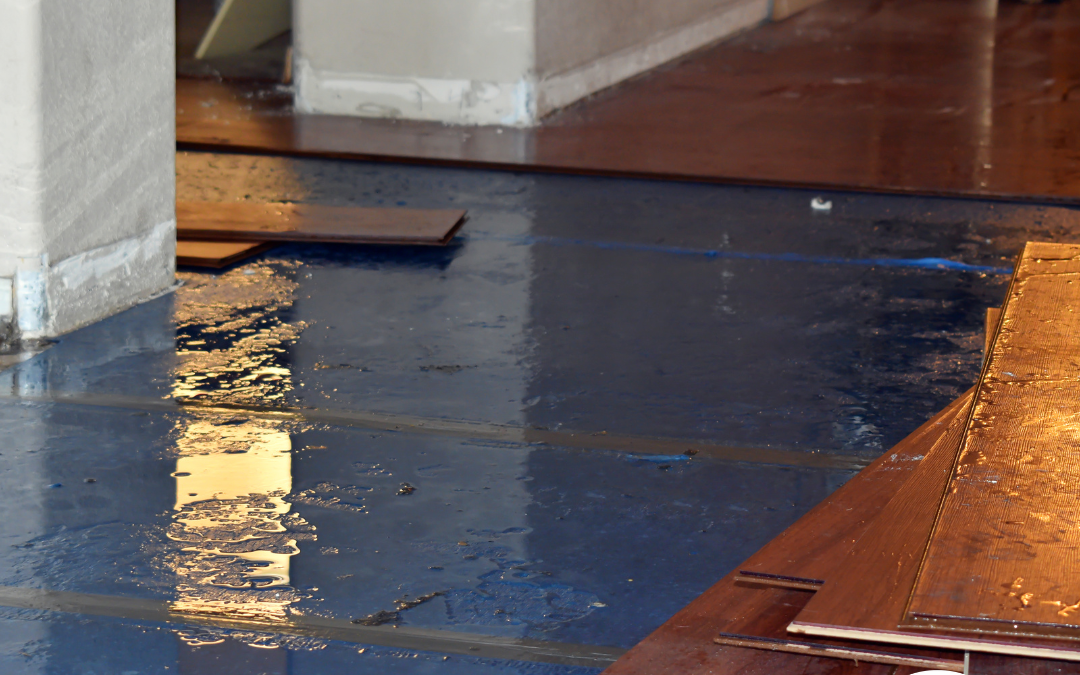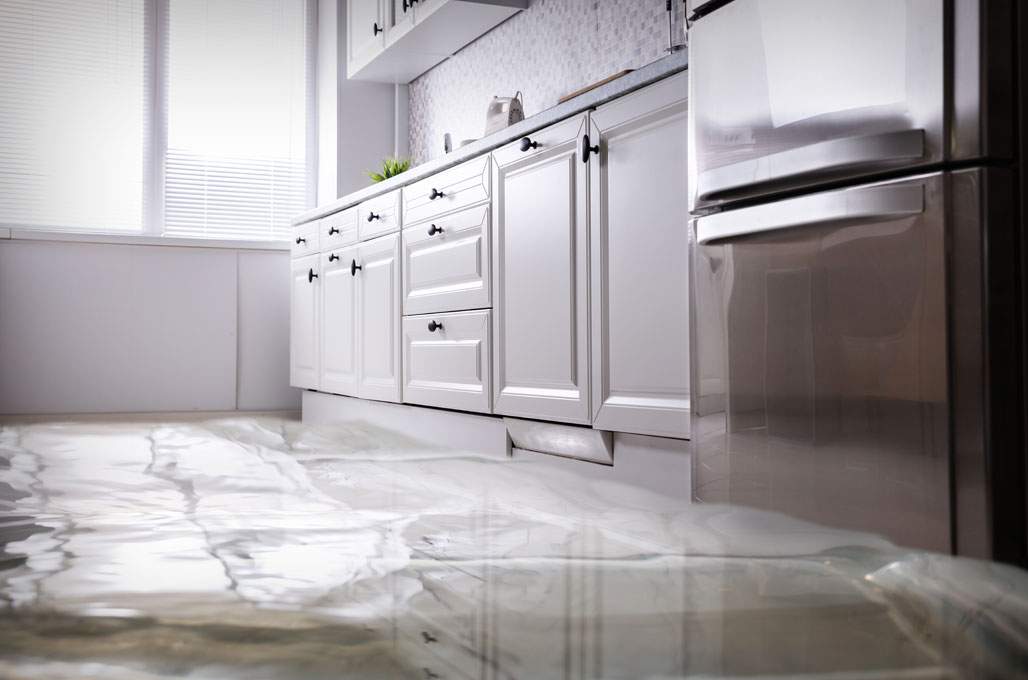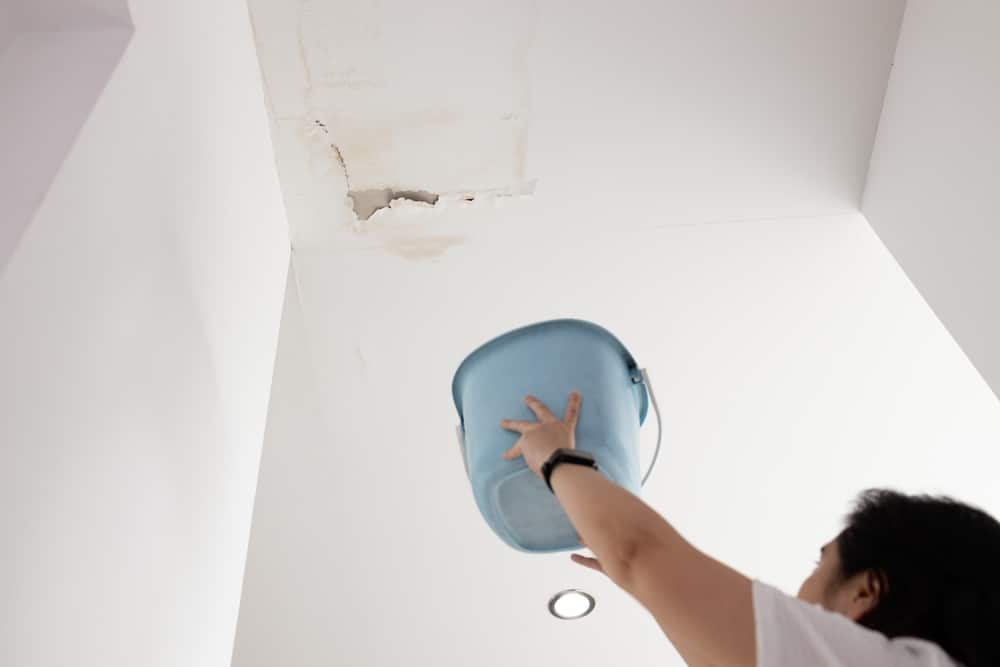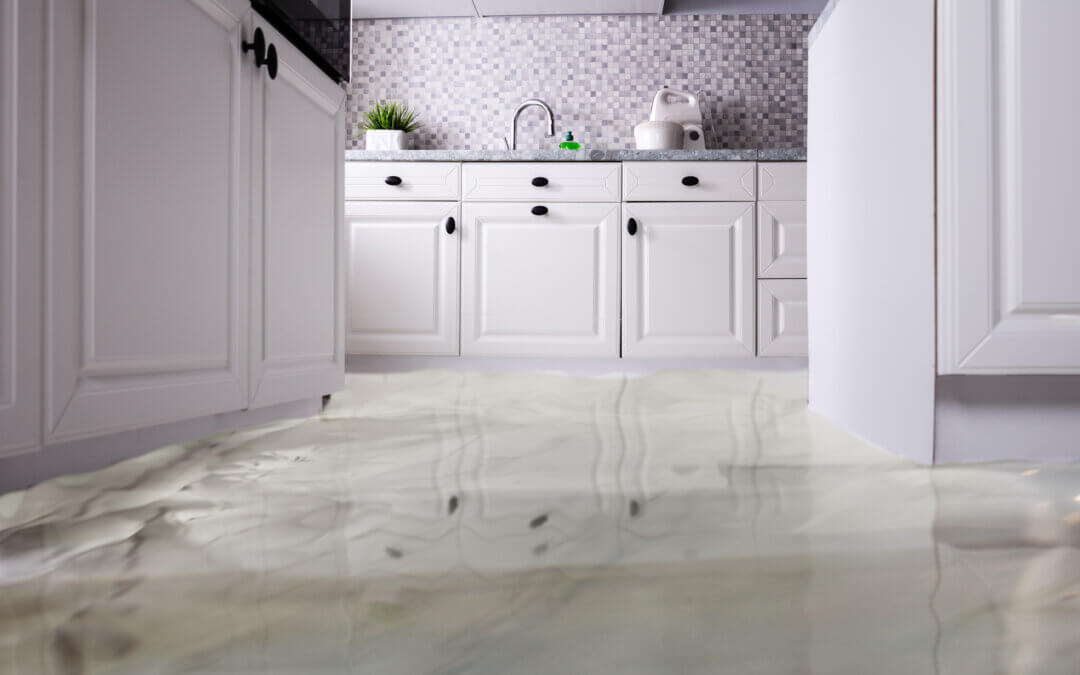
Water intrusion can cause significant harm to your home, leading to costly repairs, health hazards, and long-term structural issues. Understanding what to do before water damage happens is crucial for every homeowner who wants to protect their property and avoid unnecessary stress. Taking proactive steps now can make all the difference when severe weather, plumbing failures, or accidental leaks occur.
This guide covers practical strategies to help you minimize risk, from routine maintenance to smart technology solutions. If you’re interested in more detailed advice on safeguarding your home, you might also find value in our article on how to prevent water damage in your home.
Why Early Prevention Is Essential
Acting before a problem arises is always more effective than dealing with the aftermath. Water damage can develop silently, often going unnoticed until it’s too late. By focusing on preventive steps before water damage occurs, you can avoid mold growth, wood rot, and expensive restoration work.
Early detection and maintenance not only protect your belongings but also help maintain your home’s value. It’s important to be aware of the common causes of water damage so you can address vulnerabilities before they turn into emergencies.
Inspect and Maintain Key Areas
Regular inspections are a cornerstone of home protection. Focus on these critical areas to reduce your risk:
- Roof and Gutters: Check for missing shingles, damaged flashing, and clogged gutters. Clean gutters seasonally to ensure water flows away from your foundation.
- Windows and Doors: Inspect seals and weatherstripping for cracks or gaps. Reseal or replace as needed to prevent leaks during storms.
- Plumbing: Examine pipes under sinks, behind appliances, and in basements for signs of corrosion or moisture. Address any small leaks immediately.
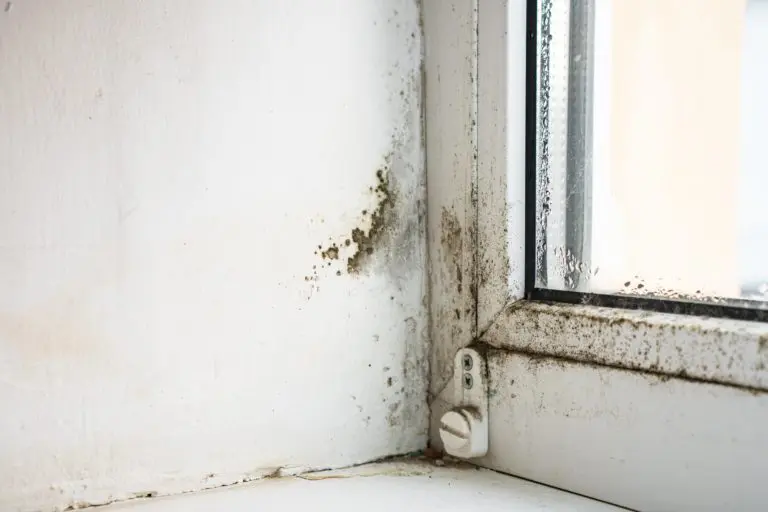
- Basements and Crawl Spaces: Look for damp spots, musty odors, or visible mold. Use a dehumidifier if humidity is high.

Smart Technology for Leak Detection
Modern solutions make it easier than ever to monitor your home for leaks. Installing water leak detectors in vulnerable areas—such as under sinks, near water heaters, and behind toilets—can provide early warnings. These devices can alert you to even small leaks before they escalate into major issues.
Automated shut-off valves are another valuable investment. They can detect abnormal water flow and automatically stop the supply, preventing extensive damage. For more on recognizing issues early, see our resource on early signs of water leaks.
Routine Maintenance to Prevent Water Intrusion
Consistent upkeep is one of the most effective ways to avoid problems. Here are some essential tasks:
- Test Sump Pumps: Ensure your sump pump is working, especially before heavy rain. Consider a battery backup in case of power outages.
- Check Appliance Hoses: Inspect washing machine, dishwasher, and refrigerator hoses for wear. Replace them every five years or sooner if you notice cracks.
- Seal Foundation Cracks: Fill any visible cracks in your basement or crawl space walls to block water entry.
- Monitor Water Pressure: High pressure can strain pipes and cause leaks. Install a pressure regulator if needed.
Understanding the Signs of Hidden Moisture
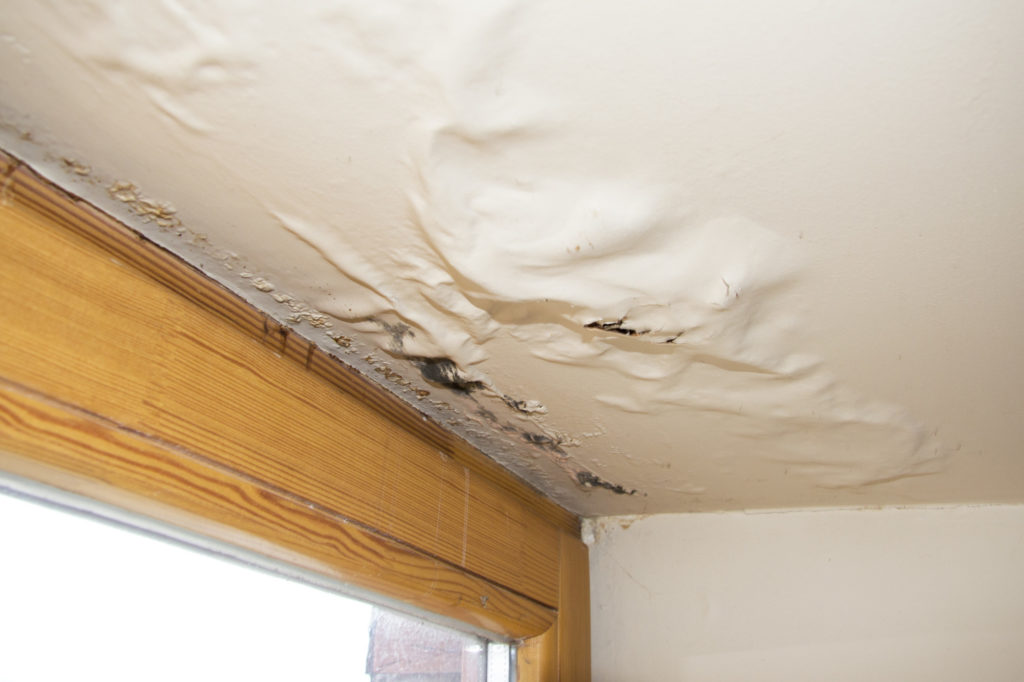
Sometimes, water problems develop out of sight. Knowing the signs of water damage in walls can help you catch issues before they become severe. Look for discoloration, peeling paint, or unexplained odors, which may indicate a hidden leak.
If you notice any of these warning signs, act quickly to investigate and resolve the source. Early action can prevent mold growth and structural deterioration.
Insurance and Emergency Planning
Even with the best precautions, accidents can still occur. Review your homeowner’s insurance policy to ensure you have adequate coverage for water-related incidents. Know what is and isn’t covered, and keep documentation of your belongings for easier claims processing.
It’s also wise to have an emergency plan. Know where your main water shut-off valve is located and teach family members how to use it. Keep contact information for local plumbers and restoration services handy.
Expert Tips for Reducing Risk
For additional insights, consider these expert recommendations:
- Install gutter guards to prevent debris buildup.
- Grade soil away from your home’s foundation to direct water runoff.
- Trim trees and shrubs near your house to reduce the risk of root intrusion into pipes.
- Schedule annual plumbing inspections by a licensed professional.
For a comprehensive list of strategies, you can refer to this guide to protecting your home’s interior from water damage.
Frequently Asked Questions
How often should I inspect my home for potential water issues?
It’s best to check vulnerable areas such as roofs, gutters, plumbing, and basements at least twice a year—ideally before and after the rainy season. Appliances and hoses should be inspected every few months.
What are the most common sources of water leaks in homes?
Leaks often originate from aging pipes, faulty appliance hoses, clogged gutters, damaged roofs, and poorly sealed windows or doors. For more details, see our article on common causes of water damage.
Are smart leak detectors worth the investment?
Yes, smart leak detectors can provide early warnings and help you address issues before they escalate. They are especially useful in areas that are difficult to monitor manually, such as behind appliances or in basements.
What should I do if I spot early signs of water damage?
Act immediately by identifying and stopping the source of moisture. Dry the affected area thoroughly and contact a professional if the damage is extensive or if you suspect mold growth.
Taking action before problems arise is the best way to safeguard your home and finances. By following these preventive measures, you’ll be well-prepared to handle unexpected water events and minimize their impact.