Burst pipes are a common and costly problem for homeowners, especially during colder months or in older properties. Understanding why pipes burst and how to prevent it is essential for protecting your home from water damage, expensive repairs, and potential health hazards caused by mold or mildew. This guide explores the main causes of pipe failures, practical prevention strategies, and what you can do to minimize risks before disaster strikes.
Water damage from burst plumbing can happen suddenly or develop over time due to unnoticed leaks. By learning the warning signs and taking proactive steps, you can reduce the likelihood of pipe damage and keep your property safe. For more tips on keeping your home dry and secure, check out these water damage prevention tips for homeowners.
Main Reasons Behind Pipe Failures
Pipes can rupture for a variety of reasons. Recognizing the most common causes helps you identify vulnerabilities in your plumbing system and take action before issues escalate.
Freezing Temperatures and Expansion
One of the leading causes of pipe bursts is freezing weather. When water inside pipes freezes, it expands and creates pressure against the pipe walls. If the pressure becomes too great, the pipe can crack or split, causing water to gush out once it thaws. This is especially common in uninsulated pipes located in attics, basements, crawl spaces, or exterior walls.
Corrosion and Aging Infrastructure
Over time, metal pipes—such as those made from galvanized steel or copper—can corrode due to chemical reactions with water and minerals. Corrosion weakens the pipe walls, making them more susceptible to leaks and ruptures. Older homes are particularly at risk if the plumbing system hasn’t been updated in decades.
High Water Pressure
Excessive water pressure puts stress on plumbing joints and pipe walls. If the pressure exceeds recommended levels (usually above 60 psi), it can accelerate wear and increase the risk of sudden bursts. Installing a pressure regulator can help maintain safe levels throughout your home.
Clogs and Blockages
Blockages caused by grease, hair, debris, or mineral buildup can restrict water flow and create localized pressure points. Over time, this pressure can lead to cracks or ruptures, especially in older or already weakened pipes.
Poor Installation or Physical Damage
Pipes that are improperly installed, poorly supported, or accidentally damaged during renovations are more likely to fail. Even small dents or bends can create weak spots that eventually give way under normal water pressure.
Recognizing Warning Signs of Pipe Problems
Early detection is key to preventing major water damage. Watch for these indicators that your plumbing may be at risk:
- Unusual sounds such as banging, whistling, or gurgling in the pipes
- Visible rust, discoloration, or flaking on exposed pipes
- Decreased water pressure or inconsistent flow
- Unexplained damp spots, stains, or mold growth on walls, ceilings, or floors
- Sudden spikes in your water bill
For more information on identifying hidden plumbing issues, see our guide on how to spot hidden water damage.
Best Practices to Avoid Pipe Bursts
Taking preventive measures can significantly lower your risk of plumbing disasters. Here are some effective strategies for safeguarding your pipes:
Insulate and Protect Vulnerable Pipes
Use foam pipe insulation sleeves or heat tape on pipes in unheated areas. Seal gaps around windows, doors, and foundations to keep cold air out. During extreme cold, let faucets drip slightly to keep water moving and reduce freezing risk.
Monitor Water Pressure
Install a pressure gauge to check your home’s water pressure. If it consistently reads above 60 psi, consider adding a pressure-reducing valve. Keeping pressure within safe limits helps prevent stress on your plumbing system.
Address Leaks and Drips Promptly
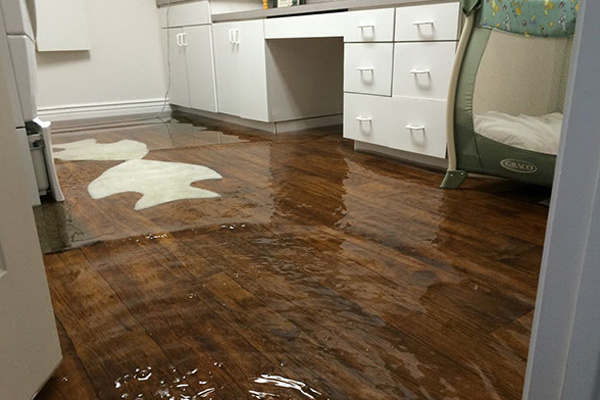
Even small leaks can indicate larger problems or contribute to pipe deterioration. Repair dripping faucets, running toilets, and minor leaks as soon as they are detected. For guidance on identifying early warning signs, refer to our article on early signs of water leaks.
Replace Aging or Corroded Pipes
If your home has old galvanized steel or corroded copper pipes, consider replacing them with modern materials like PEX or PVC. Newer pipes are more resistant to corrosion and temperature extremes, reducing the risk of future bursts.
Prevent Clogs and Maintain Drains
Avoid pouring grease, oil, or coffee grounds down the drain. Use strainers to catch hair and debris in sinks and showers. Regularly clean drains to prevent buildup that could lead to blockages and increased pressure.
What to Do If a Pipe Bursts
Despite your best efforts, accidents can still happen. If you discover a burst pipe:
- Immediately shut off the main water supply to stop the flow
- Turn off electricity in affected areas if water is near outlets or appliances
- Open faucets to drain remaining water from the system
- Use towels or buckets to contain and remove standing water
- Contact a licensed plumber for repairs
- Document the damage for insurance purposes
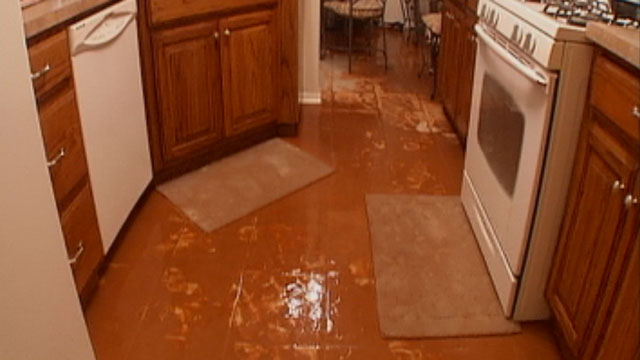
Acting quickly can help minimize water damage and reduce repair costs. For more detailed steps on preparation, see our resource on what to do before water damage happens.
Long-Term Solutions for Pipe Protection
Investing in long-term solutions can offer peace of mind and reduce the risk of future plumbing emergencies. Consider these options:
- Smart leak detectors: Install devices that monitor for leaks and send alerts to your phone, allowing you to act quickly if a problem arises.
- Routine inspections: Schedule annual plumbing inspections with a licensed professional to catch issues early.
- Upgrade insulation: Improve insulation in attics, crawl spaces, and exterior walls to protect pipes from temperature fluctuations.
- Emergency shut-off valves: Install automatic shut-off valves that stop water flow if a major leak is detected.
For more advice on keeping your living space dry and safe, visit our article on how to maintain a dry home.
Additional Resources and Expert Advice
If you want to learn more about the causes and consequences of water damage, the International Association of Certified Home Inspectors’ guide to water damage offers in-depth information and professional recommendations.
Frequently Asked Questions
What are the most common signs that a pipe might burst soon?
Warning signs include banging or whistling noises in the plumbing, visible corrosion or rust on pipes, unexplained drops in water pressure, and damp spots or stains on walls and ceilings. Monitoring for these issues can help you address problems before a rupture occurs.
How can I prevent my pipes from freezing in winter?
To avoid frozen pipes, insulate exposed plumbing, seal gaps where cold air can enter, and allow faucets to drip during extreme cold. Keeping your home heated and opening cabinet doors under sinks can also help warm air circulate around vulnerable pipes.
Is high water pressure dangerous for my plumbing system?
Yes, excessive water pressure can stress pipes and joints, increasing the risk of leaks or bursts. It’s best to keep household water pressure below 60 psi and install a pressure regulator if needed.
What should I do if I discover a small leak?
Even minor leaks should be fixed promptly to prevent further damage. Turn off the water supply to the affected area, dry the surroundings, and repair or replace the damaged section. If you’re unsure how to proceed, consult a licensed plumber.
Are there smart devices that can help detect leaks early?
Yes, smart leak detectors can monitor your plumbing system and alert you to leaks or unusual water usage. These devices are a valuable investment for early detection and prevention of water damage.