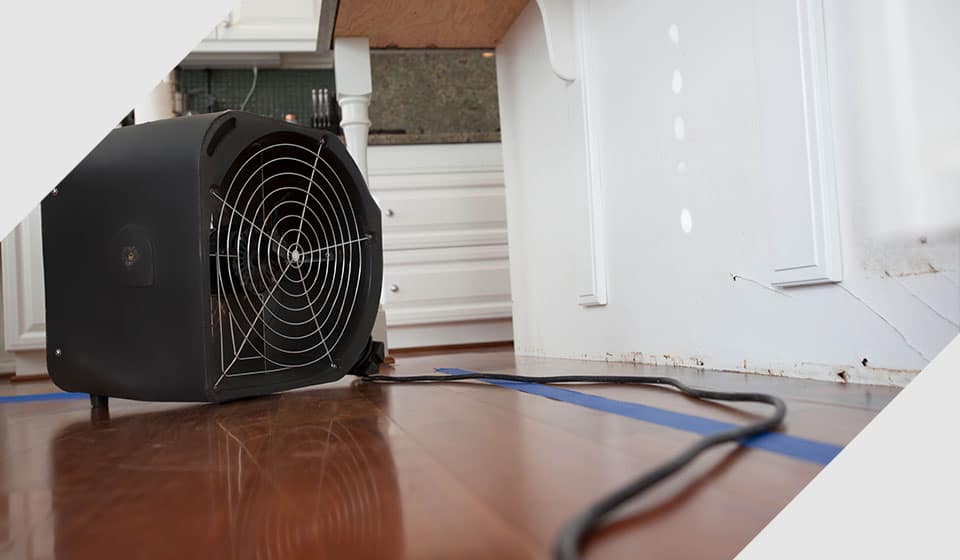
As temperatures drop, the risk of water-related issues in homes and businesses rises sharply. Frozen pipes, ice dams, and hidden leaks can cause costly repairs and major disruptions during the coldest months. Taking proactive steps to protect your property is essential for avoiding unexpected headaches and expenses. This guide covers practical strategies and expert advice to help you safeguard your space from winter water hazards.
By understanding common risks and implementing proven solutions, you can minimize the chance of leaks, burst pipes, and other cold-weather water problems. Early action is key, and even small improvements can make a significant difference. For those interested in more advanced solutions, integrating smart home devices for leak prevention can provide an extra layer of protection and peace of mind.
Understanding the Risks of Cold-Weather Water Damage
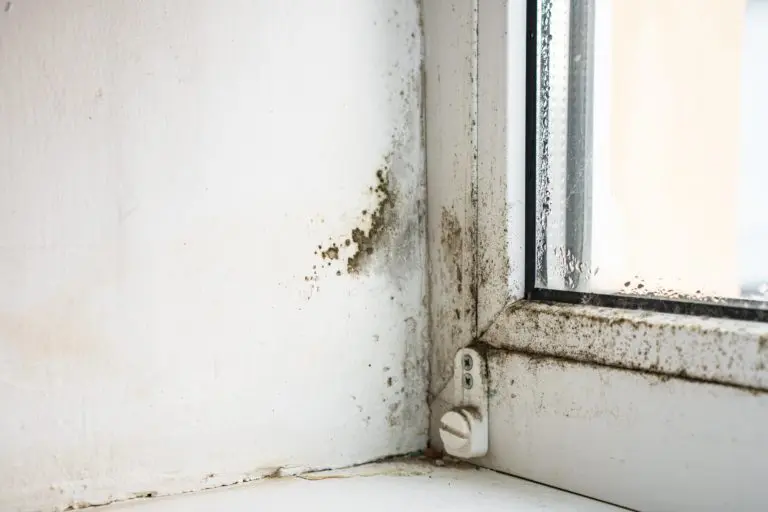
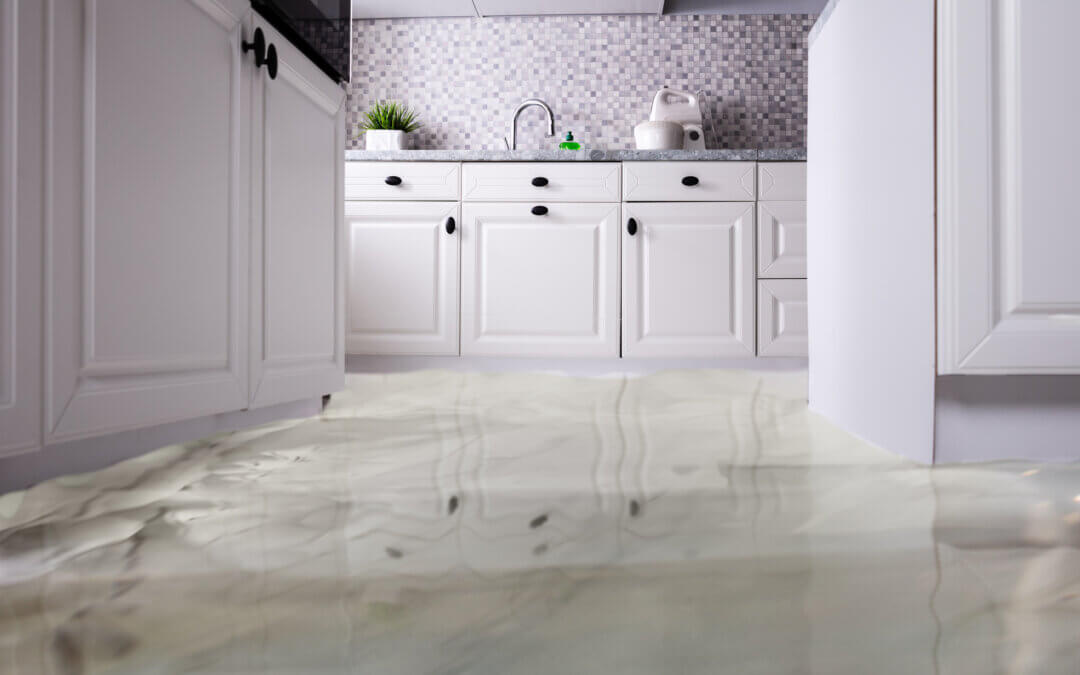
Cold weather brings a unique set of challenges that can compromise the integrity of your plumbing and building envelope. The most common culprits include frozen pipes, ice dams on roofs, and leaks from aging or poorly maintained fixtures. Each of these issues can lead to water intrusion, structural damage, and even mold growth if not addressed promptly.
- Frozen pipes: When water inside pipes freezes, it expands, increasing pressure and potentially causing pipes to burst.
- Ice dams: Snow that melts and refreezes on your roof can create barriers, forcing water under shingles and into your home.
- Hidden leaks: Small drips from appliances or fixtures can go unnoticed, especially in less-frequented areas during winter.
Addressing these vulnerabilities early is crucial for effective winter water damage prevention. For a comprehensive approach, consider learning about how to install a water shut-off valve to stop leaks before they escalate.
Essential Steps for Preventing Water Damage in Winter
Protecting your property from winter water issues requires a combination of maintenance, monitoring, and smart upgrades. Here are some of the most effective measures you can take:
Insulate Pipes and Exposed Plumbing
One of the most important winter water damage prevention tips is to insulate pipes in unheated spaces such as basements, attics, crawl spaces, and garages. Pipe insulation sleeves or heat tape can help maintain above-freezing temperatures and reduce the risk of freezing.
- Focus on pipes near exterior walls and in unconditioned areas.
- Seal gaps and cracks in walls to keep cold air out.
- Let faucets drip slightly during extreme cold to keep water moving.
Maintain and Inspect Your Roof
Roof maintenance is essential for preventing ice dams and leaks. Clear gutters and downspouts of debris before winter, and check for damaged or missing shingles. Proper attic insulation and ventilation also help keep roof temperatures even, reducing the risk of snow melt and refreezing.
Monitor Appliances and Fixtures
Winter is a common time for leaks to develop around water heaters, washing machines, and dishwashers. Regularly inspect hoses and connections for signs of wear or corrosion. Replacing old hoses to prevent water damage is a simple yet effective step—learn more about this process in our guide on replacing old hoses to prevent water damage.
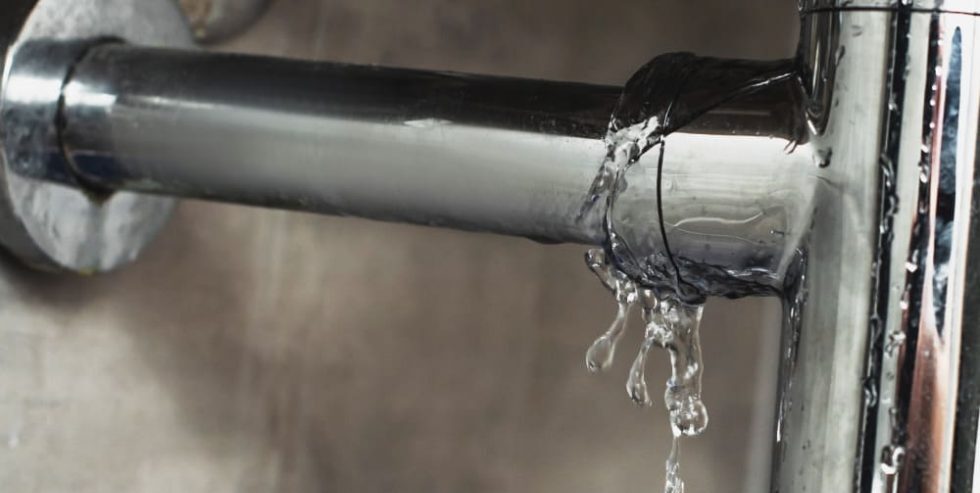
Smart Monitoring and Leak Detection Solutions
Technology can play a significant role in protecting your home from water damage during winter. Leak detectors and smart shut-off valves can alert you to problems before they become disasters. These devices are especially useful in second homes, rental properties, or any location left unattended for extended periods.
- Place leak detectors near appliances, under sinks, and in basements for early warning of leaks.
- Consider automatic shut-off systems that cut water supply when a leak is detected.
- For step-by-step instructions, check out our resource on how to use leak detectors near appliances.
Routine Maintenance for Winter Readiness
Regular maintenance is the backbone of any effective cold-weather water protection plan. Schedule annual inspections of your plumbing and heating systems, and address minor issues before they escalate. Pay special attention to water lines connected to refrigerators, ice makers, and humidifiers. For detailed advice, see our article on how to maintain appliance water lines.
Addressing Vulnerabilities Before They Become Problems
Prevention is always more cost-effective than repair. Take the time to walk through your property and look for potential trouble spots:
- Check for drafts and seal around windows, doors, and utility penetrations.
- Test sump pumps and backup systems to ensure they are operational.
- Move stored items off basement floors to protect them from potential flooding.

Expert Advice for Long-Term Protection
In addition to seasonal preparations, adopting long-term strategies can further reduce your risk. Upgrading to modern plumbing materials, improving insulation, and investing in water monitoring technology are all smart moves. For more in-depth guidance, resources like how to prevent water damage from household fixtures offer valuable insights from industry professionals.
Remember, the best defense is a layered approach—combining regular inspections, smart devices, and prompt repairs. By staying vigilant and proactive, you can keep your property safe and dry throughout the coldest months.
Frequently Asked Questions
What are the first signs of winter water damage?
Early indicators include discolored spots on ceilings or walls, musty odors, peeling paint, or unexplained increases in your water bill. If you notice any of these, investigate immediately to prevent further deterioration.
How often should I check my pipes and appliances during winter?
It’s wise to inspect exposed pipes and appliance connections at least once a month during the cold season. Pay extra attention after severe cold snaps or storms, as these conditions can increase the risk of leaks and bursts.
Can smart leak detectors really prevent major water damage?
Yes, smart leak detectors can provide early warnings that allow you to act before a small leak turns into a major problem. Many models can send alerts to your phone and even trigger automatic shut-off valves, offering an added layer of security.