Homeowners often face the challenge of keeping their basements and foundations dry. Foundation cracks and water leaks can lead to costly repairs, structural issues, and even health hazards if not addressed early. Understanding the causes, warning signs, and effective prevention strategies is essential for protecting your property and ensuring a safe living environment.
This guide covers practical steps to minimize the risk of water intrusion and foundation damage. You’ll also find tips on early detection, maintenance routines, and when to seek professional help. For more details on the underlying causes and solutions, you can explore what causes foundation water damage and how to address it.
Understanding Why Foundations Crack and Leak
Most foundation issues begin with water. When moisture accumulates around your home’s base, it can seep through small openings or create pressure that leads to cracks. Over time, these cracks allow more water to enter, creating a cycle that can worsen if not managed.
Common causes include:
- Poor drainage around the property
- Improper grading or landscaping that directs water toward the house
- Clogged gutters and downspouts
- Hydrostatic pressure from saturated soil
- Natural settling of the building
- Seasonal freeze-thaw cycles
Recognizing these factors early can help you take targeted action to prevent further damage. For more insight on related topics, see why basements flood after heavy rain and how to reduce your risk.
Warning Signs of Water Intrusion and Structural Damage
Detecting problems early is key to avoiding expensive repairs. Watch for these warning signs:
- Visible cracks in basement walls or floors
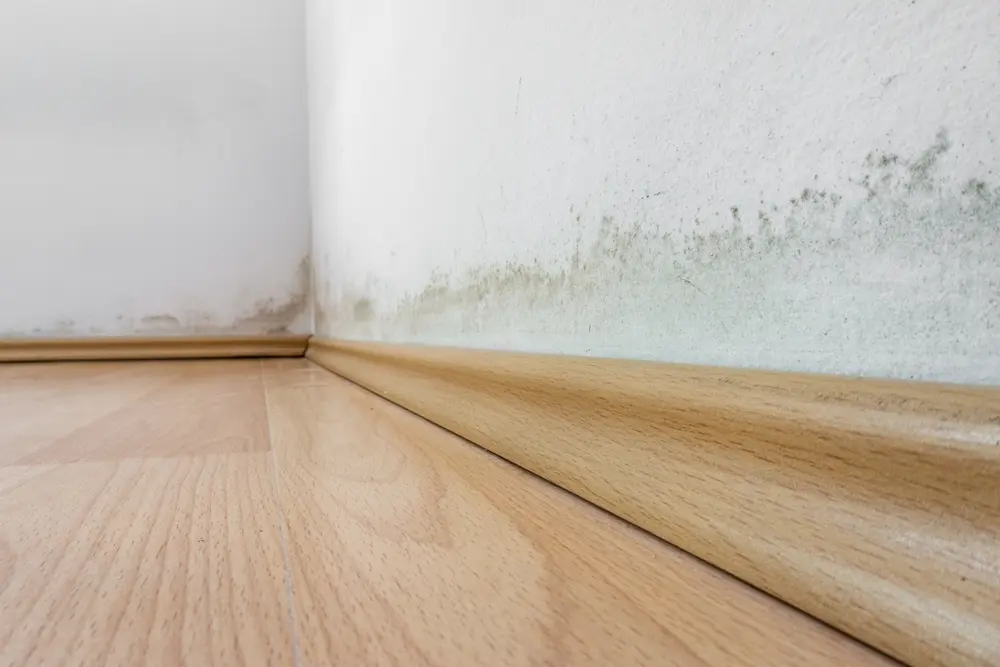
- Damp spots, mold, or mildew odors
- Efflorescence (white, chalky residue) on concrete surfaces
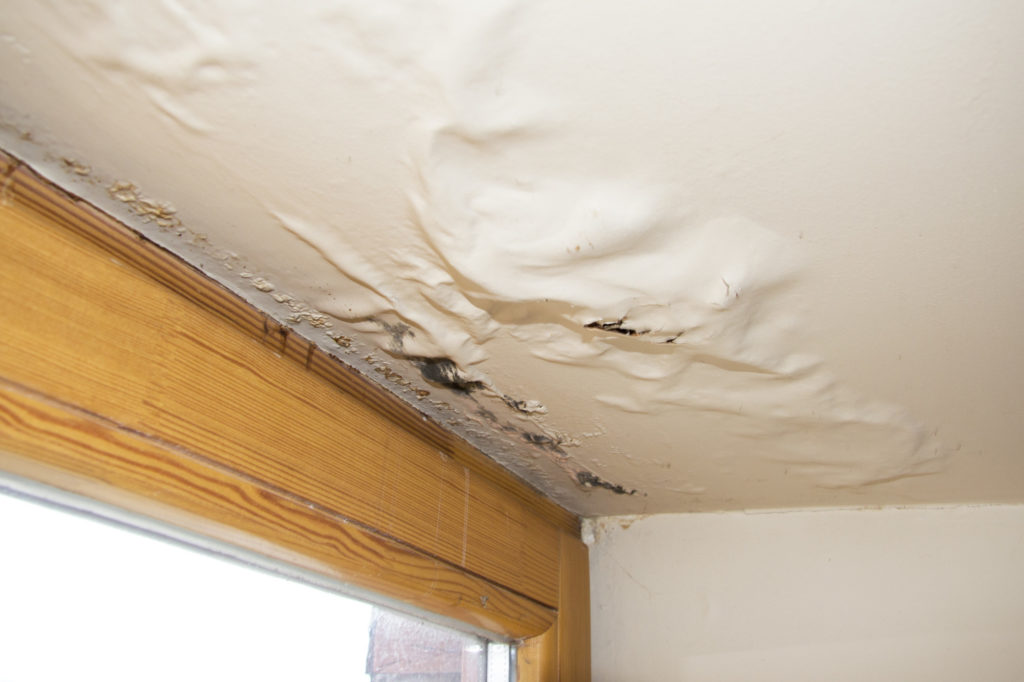
- Peeling paint or warped paneling
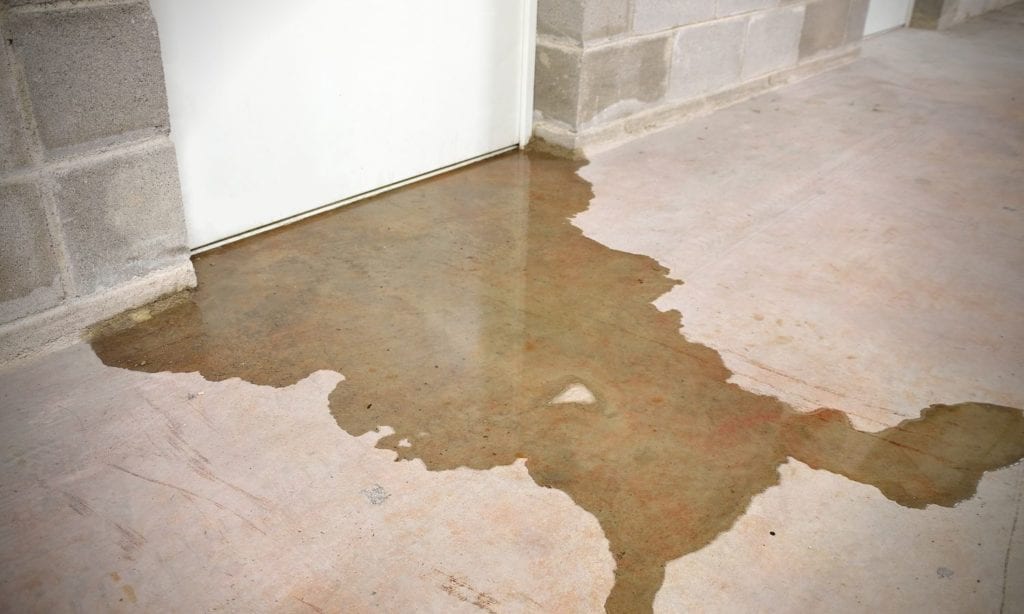
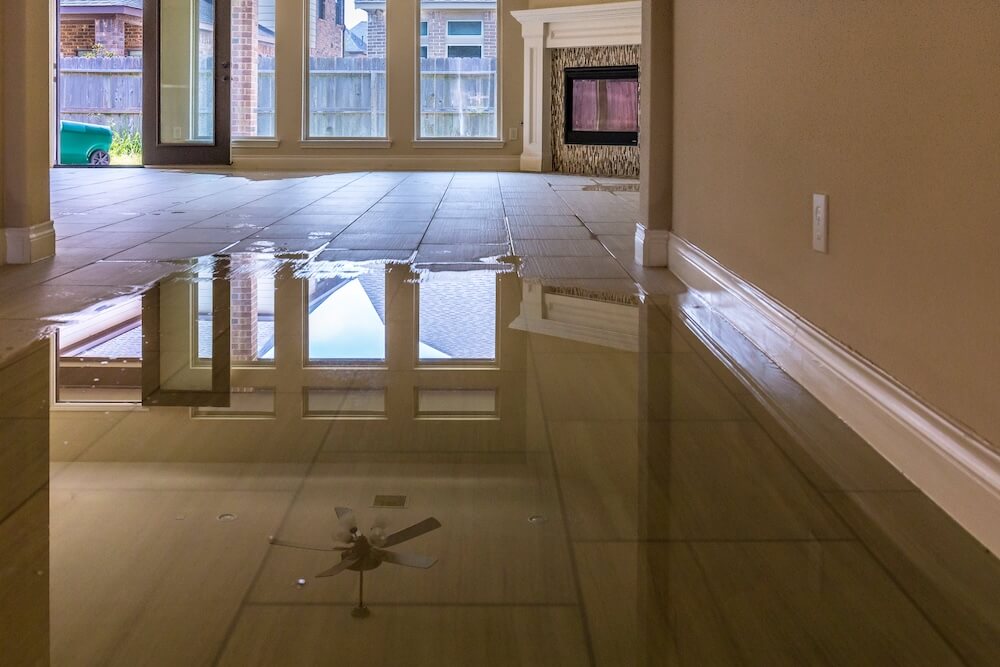
- Standing water or persistent puddles near the foundation
- Doors and windows that stick or won’t close properly
If you notice any of these issues, it’s important to investigate further and address the root cause promptly.
Essential Steps to Prevent Foundation Cracks and Water Leaks
Proactive maintenance and smart upgrades are the best ways to keep your basement dry and your foundation intact. Here are some proven strategies:
Maintain Proper Drainage Around Your Home
- Ensure gutters and downspouts are clear and direct water at least 6 feet away from the foundation.
- Use splash blocks or downspout extensions to move runoff further from the house.
- Check that the soil slopes away from the foundation on all sides.
Seal Cracks and Waterproof Vulnerable Areas
- Inspect basement walls and floors regularly for new or widening cracks.
- Use epoxy or polyurethane sealants to repair minor cracks.
- Consider professional waterproofing for persistent leaks or large gaps.
- Apply waterproof coatings to interior basement walls for extra protection.
Reduce Hydrostatic Pressure and Soil Saturation
- Install a French drain or perimeter drainage system if water tends to pool near your home.
- Keep landscaping at least a few feet from the foundation and avoid overwatering plants close to the house.
- Check for plumbing leaks, as even small drips can contribute to moisture buildup.
For a more comprehensive approach, review how to prevent basement flooding for additional tips on keeping your lower level dry.
Long-Term Solutions for Basement and Foundation Protection
While routine maintenance is crucial, some situations call for more robust solutions. If you experience chronic leaks or ongoing structural movement, consider the following:
- Install an interior or exterior waterproofing membrane
- Add a sump pump with a battery backup to handle heavy rainfall or rising groundwater
- Upgrade to a full perimeter drainage system
- Consult a structural engineer for significant foundation movement or large cracks
For step-by-step instructions on advanced waterproofing, see how to waterproof a basement.
How to Monitor and Detect Leaks Early
Early detection is one of the most effective ways to prevent extensive water damage. Regularly check your basement for signs of moisture and use modern technology to your advantage. Devices such as pipe and toilet leak detectors can alert you to hidden problems before they escalate.
For additional advice on protecting your home from water-related issues, you may find this guide to safeguarding your property from water damage helpful.
Frequently Asked Questions
What are the most common reasons for cracks in a foundation?
The most frequent causes include soil movement, poor drainage, hydrostatic pressure, and natural settling of the building. Seasonal changes and improper construction can also contribute to the development of cracks.
Can small cracks in basement walls lead to serious water leaks?
Yes, even minor cracks can allow moisture to seep in over time. If left unaddressed, these small openings can widen and result in significant water entry and potential structural damage.
How often should I inspect my foundation for signs of water intrusion?
It’s best to inspect your basement and foundation at least twice a year—once in the spring and again in the fall. After heavy rain or snowmelt, check for new cracks, dampness, or musty odors.
When should I call a professional for foundation repairs?
If you notice large or widening cracks, persistent leaks, or signs of structural movement (such as uneven floors or sticking doors), it’s wise to consult a foundation specialist or structural engineer for a thorough assessment.