

Working with fresh masa or tortilla dough can be a rewarding experience, but it also comes with a common challenge: preventing the dough from drying out during the pressing process. When dough loses moisture, tortillas can crack, become tough, or fail to press evenly. Mastering the right techniques to maintain dough hydration is essential for making soft, pliable tortillas every time.
This article explores practical strategies for keeping your dough moist and workable, from preparation to pressing. Whether you’re using a cast iron press or rolling by hand, these tips will help you achieve consistent results and delicious homemade tortillas.
For those interested in advanced techniques for tortilla preparation, you might also find value in reading about the how to press tortillas for chilaquiles, which covers additional methods for achieving optimal texture.
Why Dough Dries Out During Pressing
Understanding why dough loses moisture is the first step toward preventing it. The main culprit is exposure to air. As you portion and press each ball, the rest of the dough sits out, allowing surface moisture to evaporate. This is especially true in dry or warm environments, or if you’re working slowly or making a large batch.
Other factors that contribute to drying include:
- Using too little water in the initial dough mix
- Pressing in a hot kitchen or under direct sunlight
- Leaving dough uncovered for extended periods
- Not using protective barriers like plastic or damp towels
Essential Tools and Materials for Moist Dough
Having the right setup can make a significant difference in keeping your dough from drying out. Here are some essentials:
- Damp kitchen towel: Use a clean, slightly wet towel to cover dough balls and the main dough mass.
- Plastic wrap or zip-top bags: These create an airtight seal to lock in moisture.
- Plastic sheets or parchment paper: Place these on both sides of the dough when pressing to prevent sticking and reduce moisture loss.
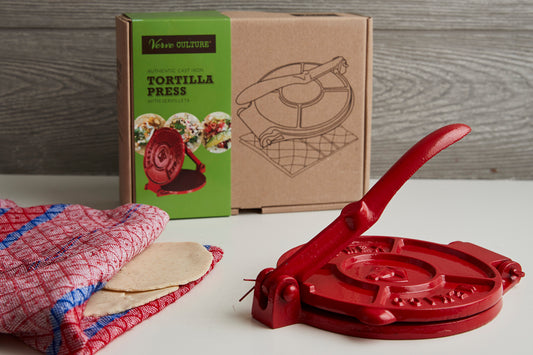
- Tortilla press: A sturdy press, such as a cast iron model, helps you work quickly and efficiently, minimizing exposure time.
Step-by-Step: Keeping Dough Moist While Pressing
Follow these steps to ensure your dough stays soft and easy to work with throughout the tortilla-making process:
- Prepare the dough with enough water. The initial hydration is crucial. Masa or flour dough should feel soft but not sticky. If it cracks when rolled, add a little more water and knead until smooth.
- Divide and cover immediately. After portioning the dough into balls, place them under a damp towel or inside a sealed container. Only remove one ball at a time for pressing.
- Work in small batches. If making a large quantity, divide the dough into smaller groups and keep the unused portions tightly covered.
- Use plastic or parchment liners. When pressing, sandwich each dough ball between sheets of plastic or parchment. This not only prevents sticking but also reduces direct air contact.
- Press quickly and efficiently. The less time each dough ball spends exposed, the better. Have your press, liners, and pan ready before you start.
- Cover pressed tortillas. As you press each tortilla, stack them under a towel or in a covered container until you’re ready to cook. This keeps them from drying before hitting the pan.
Tips for Preventing Dryness in Different Environments
Climate and kitchen conditions can affect how quickly dough dries out. Here are some adjustments for various situations:
- Dry or high-altitude areas: Increase the water content slightly and keep dough covered with a damp towel at all times.
- Hot kitchens: Work in smaller batches and consider chilling the dough briefly between steps.
- Humid climates: You may need less water, but still keep dough covered to prevent surface drying.
For those interested in keeping masa fresh for longer periods, check out this guide on storing corn masa for pressing for additional storage and prep tips.
Common Mistakes That Lead to Dry Dough
Even experienced cooks can run into issues if they overlook these common pitfalls:
- Leaving dough balls uncovered while pressing others
- Mixing dough with cold or insufficient water
- Allowing pressed tortillas to sit out before cooking
- Using only flour or masa without fat or oil in recipes that require it
To avoid these mistakes, always keep dough and tortillas covered, and adjust hydration as needed for your environment.
Maintaining Your Tortilla Press for Best Results
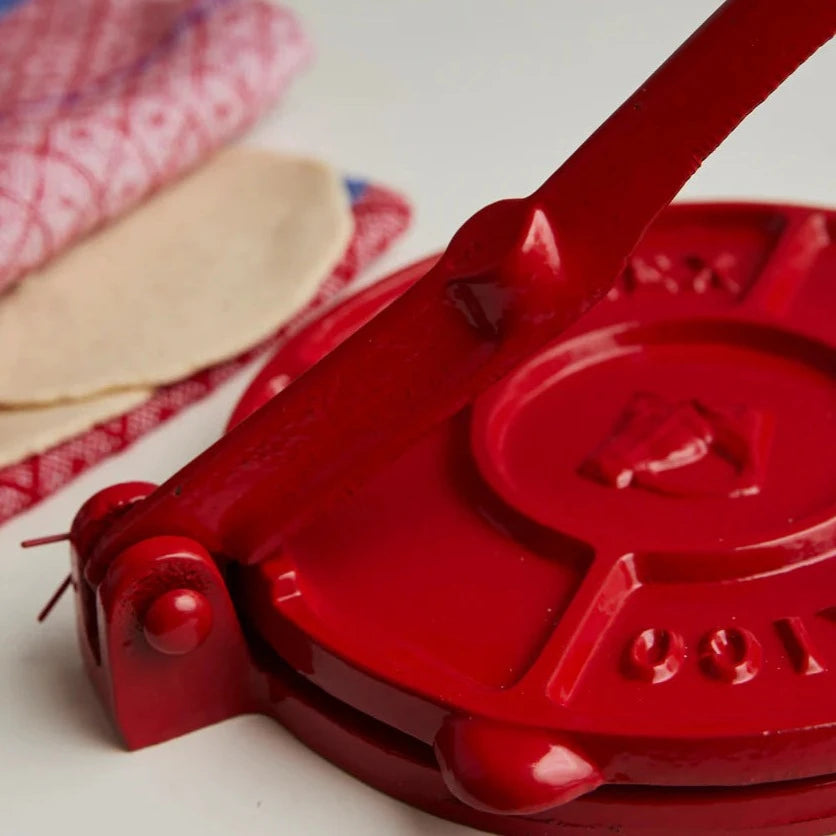
Proper care of your tortilla press can also impact dough handling. A well-maintained press ensures even pressure and prevents sticking, which helps you work faster and keeps dough exposure to a minimum. For detailed maintenance tips, see this guide on caring for and maintaining a tortilla press.
Additionally, using the best oils for seasoning a cast iron press can help keep your equipment in top condition, further supporting your efforts to keep dough from drying out.
Expert Techniques for Consistent Moisture
Professional cooks often rely on a few extra tricks to ensure their dough stays moist:
- Resting the dough: Allowing the dough to rest for 20–30 minutes after mixing helps the flour or masa fully absorb water, resulting in a more pliable texture.
- Using a spray bottle: Lightly misting the dough or towel can add moisture without making the dough sticky.
- Pressing technique: Applying even, gentle pressure prevents tearing and helps maintain hydration. For more on this, the pressing technique for even thickness article offers valuable insights.
Frequently Asked Questions
What should I do if my dough starts to crack while pressing?
If you notice cracks, it usually means the dough is too dry. Knead in a small amount of water until the dough is smooth and pliable again. Always keep unused dough balls covered to prevent this issue.
Can I use oil or fat to help keep dough moist?
Some tortilla recipes, especially flour tortillas, include a bit of oil or lard. This can help retain moisture and improve texture. For corn tortillas, stick to water and masa harina, but ensure the dough is well-hydrated and covered.
How long can I leave dough uncovered before it dries out?
Dough can begin to dry out in just a few minutes, especially in dry or warm conditions. Always keep dough covered with a damp towel or plastic wrap, and only uncover the portion you’re working with at any time.
Is it necessary to use plastic liners when pressing tortillas?
While not strictly required, using plastic or parchment liners makes pressing easier, prevents sticking, and helps maintain dough moisture by reducing direct air exposure.
By following these practical tips and techniques, you can ensure your tortilla dough remains soft and workable from start to finish, resulting in delicious, homemade tortillas every time.



