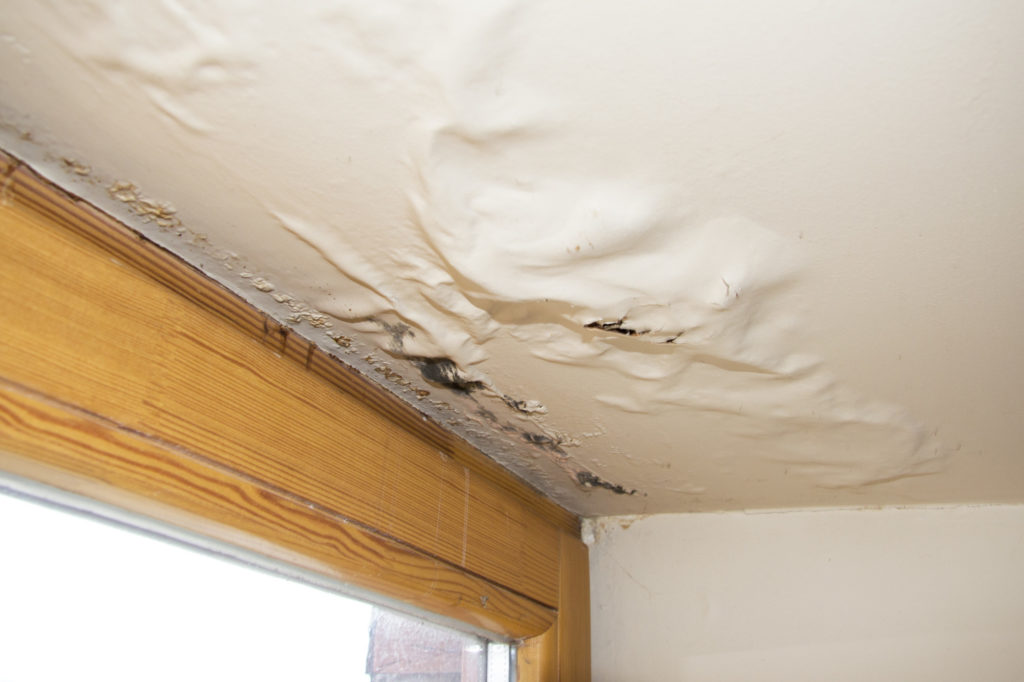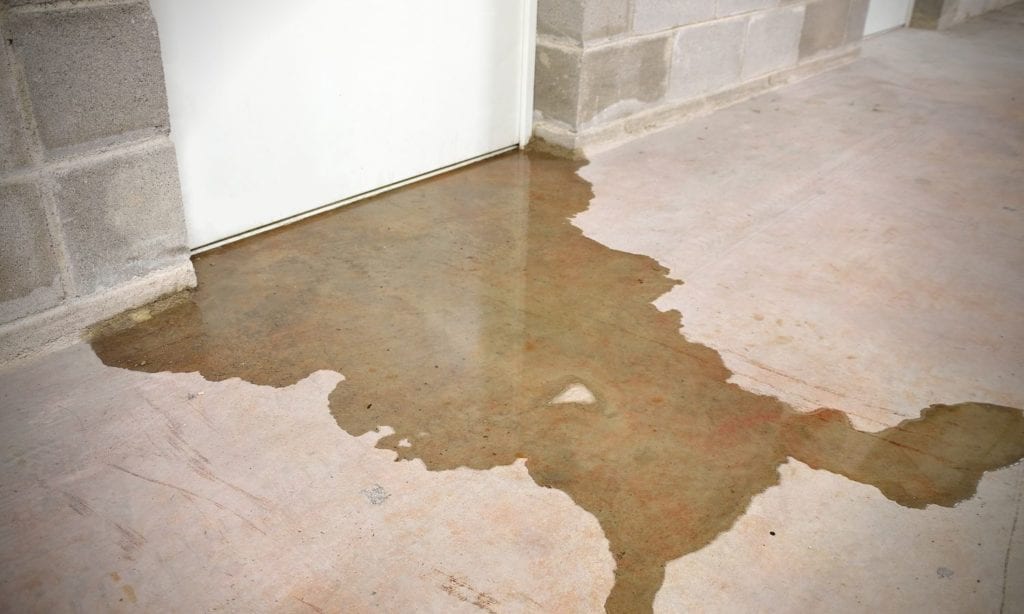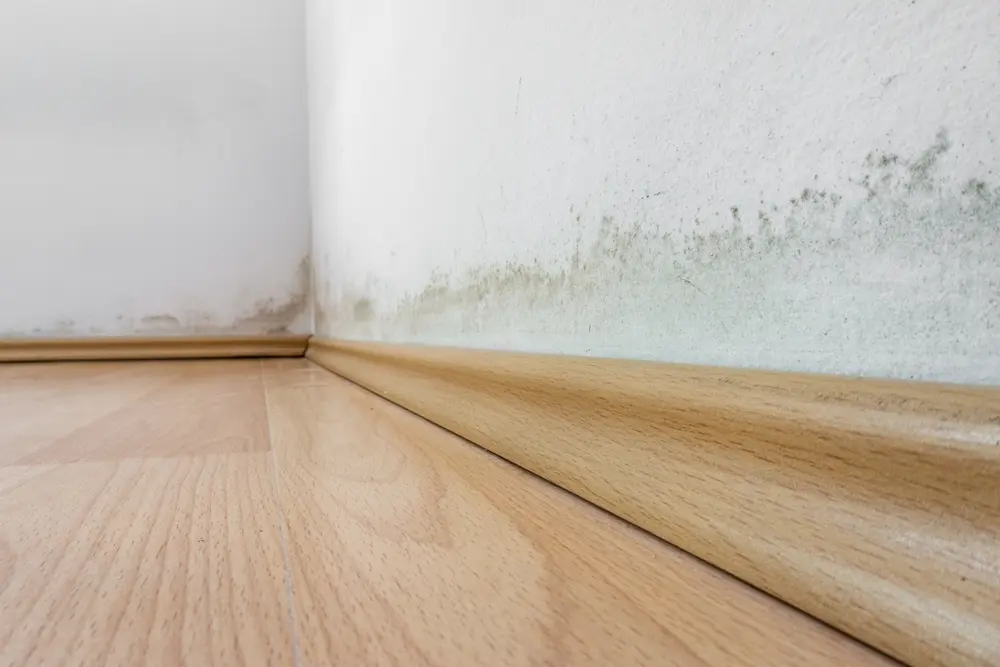
Keeping your gutters clear is a crucial part of home maintenance that often gets overlooked. When gutters become clogged with leaves, twigs, and debris, water can overflow and seep into your roof, siding, or foundation. This can lead to costly repairs from water damage, mold growth, and even structural issues. Understanding how often to clean gutters is essential for protecting your property and ensuring rainwater is directed safely away from your home.
Regular gutter maintenance not only prevents water-related issues but also extends the lifespan of your roof and exterior walls. If you want to avoid unexpected leaks or basement flooding, establishing a cleaning schedule based on your local environment and home type is key. For those interested in broader moisture management, you might also find value in how to seal basement walls for additional protection against water intrusion.
Why Gutter Cleaning Matters for Water Damage Prevention
Gutters are designed to channel rainwater away from your roof and foundation. When they are blocked, water can overflow and pool around your home, leading to a range of problems:
- Foundation erosion and basement leaks
- Rotting fascia boards and roof edges
- Mold and mildew growth on siding and interior walls
- Ice dams in colder climates, causing roof leaks
- Damage to landscaping and walkways
By keeping gutters free of debris, you reduce the risk of these issues and maintain the structural integrity of your property. For additional tips on moisture control, consider reading about basement humidity control tips to further safeguard your home.
Recommended Gutter Cleaning Frequency
The ideal schedule for gutter maintenance depends on several factors, including your location, the number of trees near your home, and the local climate. Here are general guidelines to help you decide how often to clean gutters for optimal protection:
- Twice a year: Most homes benefit from cleaning gutters in the spring and fall. This removes debris from winter storms and falling leaves.
- Quarterly: If your property is surrounded by pine trees or heavy foliage, consider cleaning every three months.
- After major storms: Inspect and clear gutters following heavy rain, wind, or hail to remove sudden blockages.
- Before winter: In cold regions, a late fall cleaning prevents ice dams and water backup during freeze-thaw cycles.
For homes with gutter guards, maintenance may be less frequent, but it’s still important to check for clogs and ensure water flows freely.
Signs Your Gutters Need Immediate Attention
Even with a regular schedule, it’s important to watch for warning signs that indicate your gutters need cleaning sooner:
- Water spilling over the gutter edges during rain
- Sagging or detached gutter sections
- Visible plant growth or nests in the gutters
- Staining or mildew on exterior walls
- Puddles or erosion near your foundation
Addressing these issues quickly can prevent more severe water damage and reduce the likelihood of expensive repairs. If you notice persistent moisture in your basement, you may want to learn about maintaining your sump pump for added peace of mind.
How to Clean Gutters Safely and Effectively
Cleaning gutters is a straightforward task, but safety should always come first. Here’s a step-by-step approach:
- Gather supplies: Use a sturdy ladder, work gloves, a scoop or trowel, and a garden hose.
- Clear debris: Remove leaves, twigs, and sediment by hand or with a scoop, placing debris in a bucket or tarp.
- Flush with water: Use a hose to wash out remaining dirt and check for proper drainage.
- Inspect for damage: Look for leaks, rust, or loose fasteners and repair as needed.
- Check downspouts: Ensure water flows freely through downspouts and clear any blockages.
If your gutters are difficult to reach or you’re not comfortable working on a ladder, consider hiring a professional service. This can be especially important for multi-story homes or properties with steep roofs.

Additional Tips for Preventing Water Damage
While regular gutter cleaning is essential, there are other steps you can take to reduce the risk of water intrusion:
- Install gutter guards: These screens or covers help keep debris out, reducing cleaning frequency.
- Extend downspouts: Ensure water is directed at least 3–4 feet away from your foundation.
- Grade landscaping: Slope soil away from your home to prevent pooling.
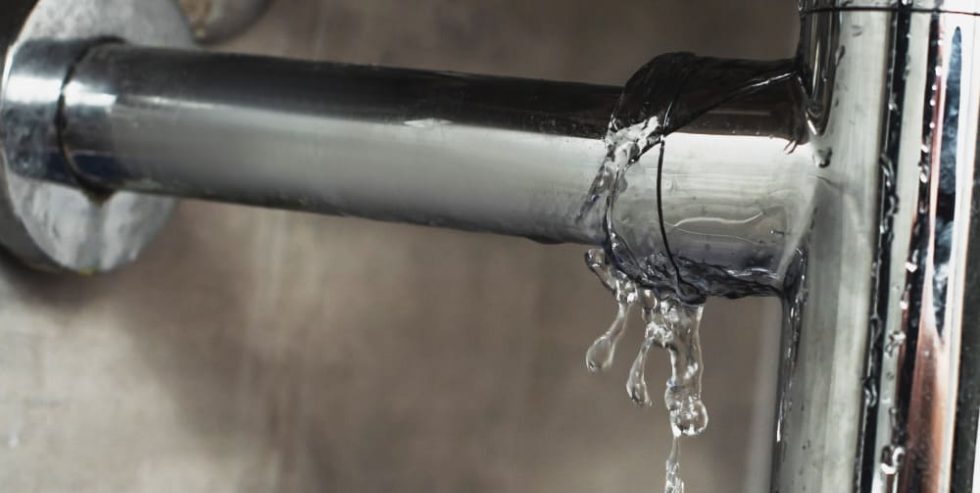
- Monitor for leaks: Use devices like a pipe leak detector or toilet leak detector for early warning of plumbing issues.
- Inspect after storms: Check gutters and downspouts following severe weather to catch problems early.
For more comprehensive advice on moisture management, you can explore resources such as how to prevent water damage from household fixtures for practical solutions.
FAQ: Gutter Maintenance and Water Damage
How do I know if my gutters are clogged?
Common signs include water overflowing during rain, sagging gutters, visible debris sticking out, and water stains on your siding. If you notice these issues, it’s time for a cleaning.
Can I clean gutters myself or should I hire a professional?
Many homeowners can safely clean gutters with the right tools and precautions. However, if your home is more than one story, or if you’re uncomfortable with heights, hiring a professional is a safer option.
What happens if I neglect gutter cleaning?
Ignoring gutter maintenance can lead to water damage, roof leaks, mold growth, and even foundation problems. Regular cleaning is a simple way to avoid these expensive repairs.
Are gutter guards worth installing?
Gutter guards can reduce the amount of debris that enters your gutters, lowering the frequency of cleaning. However, they still require periodic inspection and maintenance to ensure they function properly.
Should I clean gutters more often if I have a lot of trees nearby?
Yes, homes surrounded by trees typically need more frequent gutter cleaning, sometimes as often as every three months, to prevent blockages from leaves and twigs.