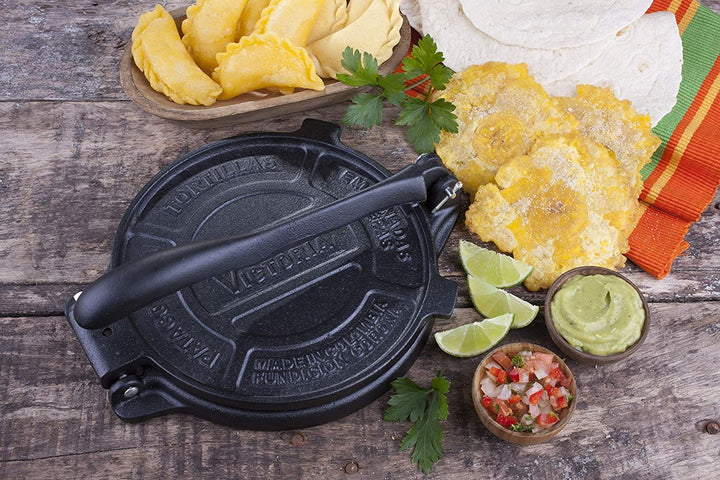
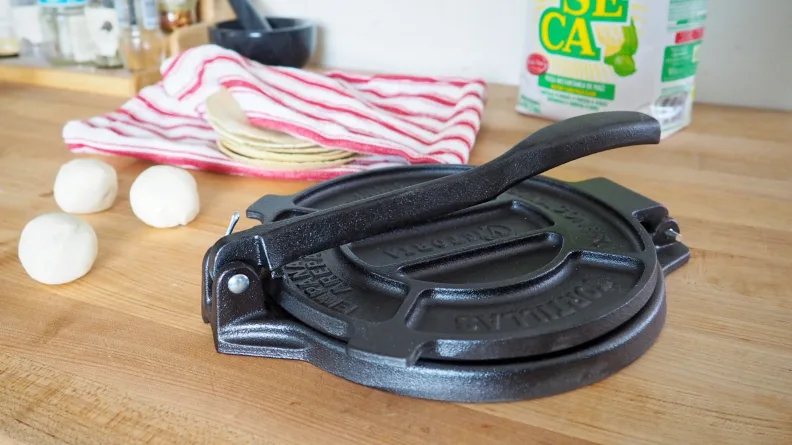
A reliable tortilla press is essential for making evenly cooked, perfectly round tortillas at home. However, even the best presses can develop uneven surfaces over time or arrive from the factory with slight imperfections. Ensuring your press is truly flat is a key step for anyone who wants consistent results and avoids frustration in the kitchen. In this guide, you’ll learn how to test if your tortilla press is flat, why it matters, and what to do if you discover issues with your equipment.
Whether you use a cast iron, aluminum, or wooden press, a flat pressing surface guarantees that your dough is pressed evenly, resulting in tortillas that cook uniformly and look professional. We’ll walk through practical methods for checking flatness, troubleshooting common problems, and maintaining your press for long-term performance. If you’re looking for more tips on handling heavy kitchen tools, check out our advice on how to handle a heavy cast iron press safely.
Why Flatness Matters for Tortilla Presses
When both plates of your press are completely flat and parallel, the dough is compressed evenly, producing tortillas of uniform thickness. This consistency is important for several reasons:
- Even Cooking: Uniform tortillas cook at the same rate, preventing undercooked or burnt spots.
- Better Texture: Flat presses yield tortillas with the right chew and flexibility.
- Professional Appearance: Evenly pressed dough looks more appealing and stacks neatly.
Uneven surfaces can lead to thick edges, thin centers, or even dough sticking to one side. If you notice these issues, it’s time to check your press for flatness.
Simple Methods to Check for a Flat Tortilla Press
There are several straightforward ways to determine if your press is flat. Each method uses common household items and takes only a few minutes. Here are the most reliable techniques:
Using a Straightedge or Ruler
Place a metal ruler or carpenter’s straightedge across the surface of the bottom plate. Hold it up to the light and look for gaps between the straightedge and the plate. If you see light passing through, the surface may be warped or uneven. Repeat this process on the top plate as well.
The Paper Test
Open the press and place a single sheet of standard printer paper on the bottom plate. Close the press gently (without dough) and try to pull the paper out. If the press is flat, you should feel even resistance across the entire surface. If the paper slides out easily in some spots but not others, this indicates uneven pressure and possible warping.
Checking with Dough Balls
Roll several small dough balls of equal size and place them at different points—center, edges, and corners—on the bottom plate. Close the press and apply gentle, even pressure. Open the press and examine the thickness of each tortilla. If some are noticeably thicker or thinner, your press may not be perfectly flat.
What to Do If Your Press Isn’t Flat
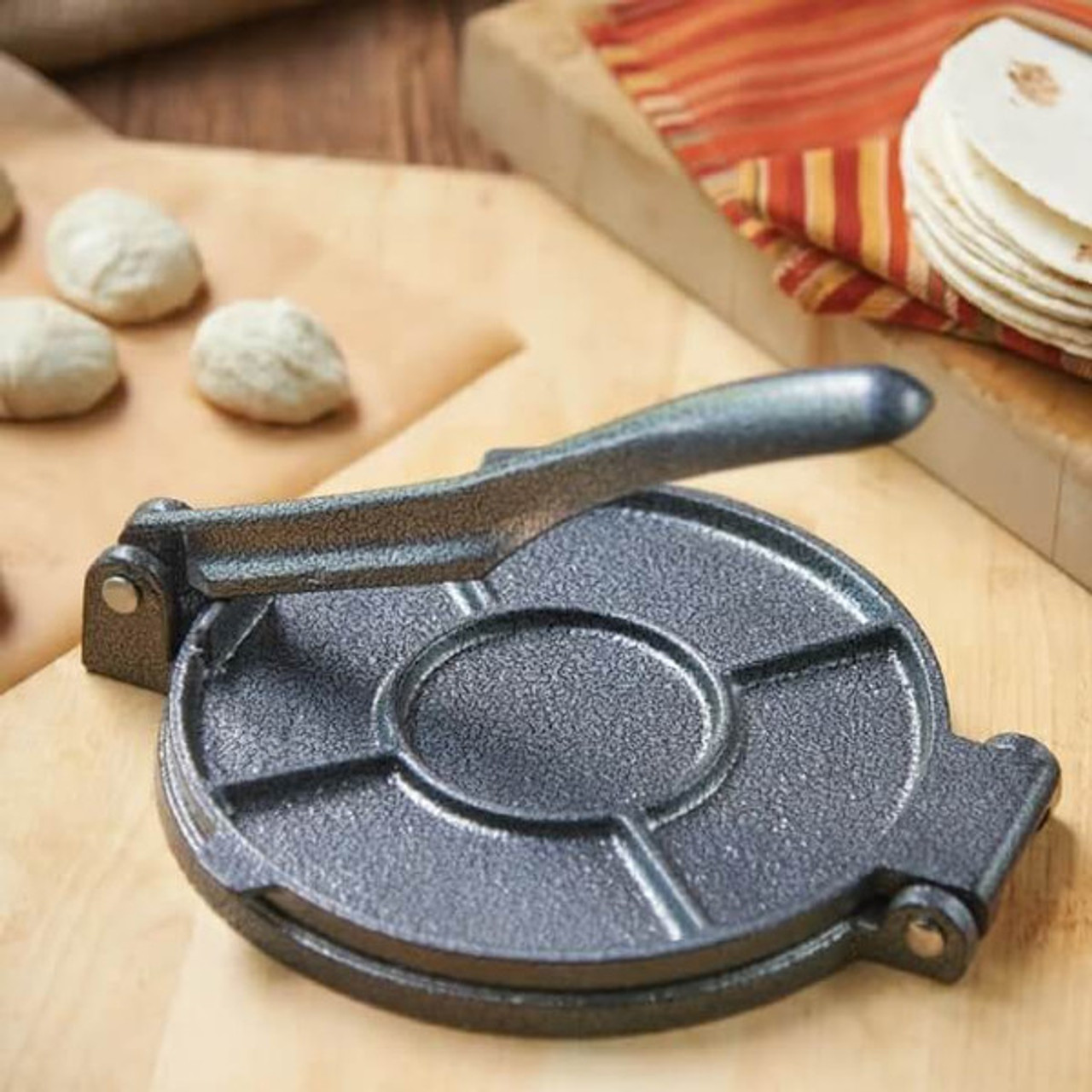
If you discover that your press is uneven, don’t worry—there are a few options to address the problem:
- Contact the Manufacturer: Many reputable brands offer warranties or replacements for defective products. Review your warranty and reach out for support if your press arrived warped.
- Adjust Your Technique: If the unevenness is minor, you can rotate the dough halfway through pressing or reposition it to achieve a more even result. For tips on pressing tortillas for different recipes, see our guide on how to press tortillas for chilaquiles.
- Use Parchment or Plastic Liners: Placing a sheet of parchment or a plastic bag between the dough and the plates can help distribute pressure more evenly and prevent sticking.
- Consider Professional Repair: For high-end or heirloom presses, a local metalworker or woodworker may be able to resurface the plates.
Maintaining Your Tortilla Press for Longevity
Proper care can help keep your press flat and functional for years. Here are some maintenance tips:
- Clean After Each Use: Remove any dough residue promptly. For sticky situations, follow our advice on how to clean a sticky tortilla press.
- Store Properly: Keep your press in a dry area and avoid stacking heavy items on top, which can cause warping.
- Season Cast Iron Models: Regular seasoning prevents rust and maintains a smooth surface. For step-by-step instructions, visit our article on how to season a cast iron press in the oven.
- Check for Flatness Regularly: Make it a habit to test your press every few months, especially if you use it often.
Expert Tips for Getting the Most from Your Tortilla Press
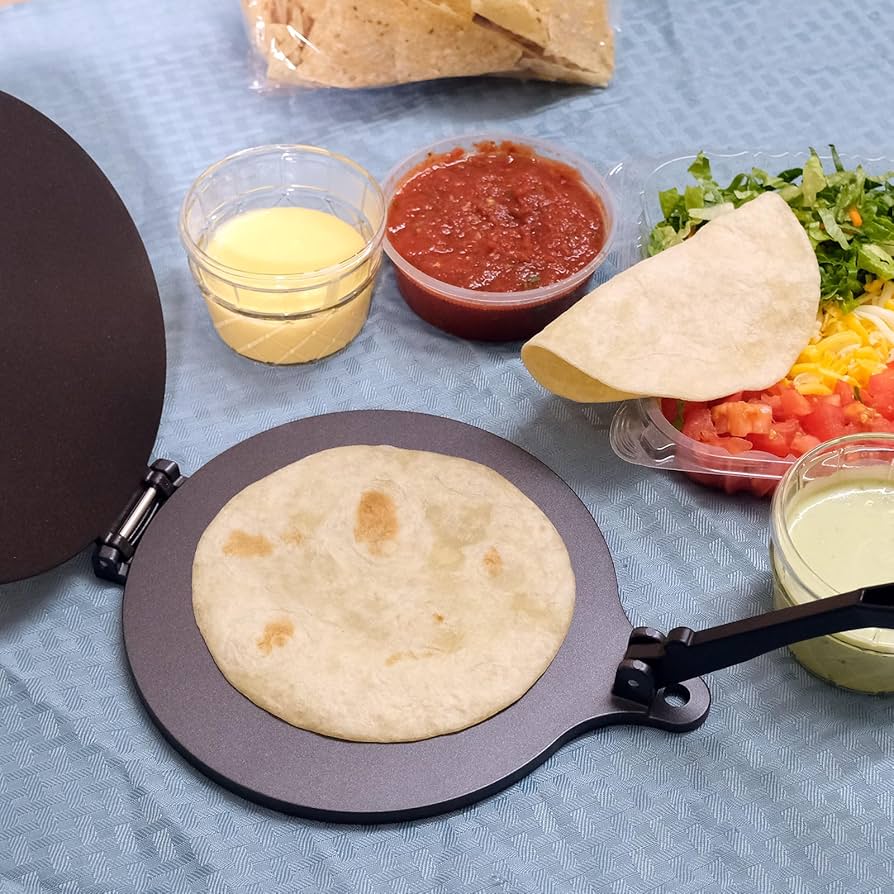
Even with a perfectly flat press, technique matters. Here are some additional tips to ensure success every time:
- Use the Right Dough Consistency: Dough that’s too dry or too wet can affect pressing results. Aim for a soft, pliable texture.
- Apply Even Pressure: Press down firmly but steadily. Avoid slamming the handle, which can stress the hinge and plates.
- Rotate for Uniformity: If you notice uneven thickness, rotate the dough 90 degrees and press again.
- Choose the Correct Size: For fajitas or larger tortillas, consider a press that matches your recipe needs. Our guide on how to press tortillas for fajitas offers sizing advice.
For additional care instructions and troubleshooting, you can also refer to the manufacturer’s use and care guide for your specific brand and model.
Frequently Asked Questions
How often should I check my tortilla press for flatness?
It’s a good idea to test your press every few months, especially if you use it regularly. Frequent checks help catch minor issues before they affect your tortillas.
Can I fix a warped tortilla press at home?
Minor warping can sometimes be addressed by adjusting your pressing technique or using liners. For significant issues, contact the manufacturer or a professional for repair or replacement.
What materials are least likely to warp?
Cast iron presses are generally more resistant to warping than aluminum or wooden models, but all types should be handled and stored properly to maintain their shape.
Is it safe to use a slightly uneven press?
Yes, as long as the unevenness is minor and doesn’t affect food safety. Adjust your dough placement or pressing method to compensate for small imperfections.
Where can I find more tips for tortilla making?
Explore our other resources, such as guides on pressing tortillas for chilaquiles and cleaning a sticky tortilla press, for more expert advice.