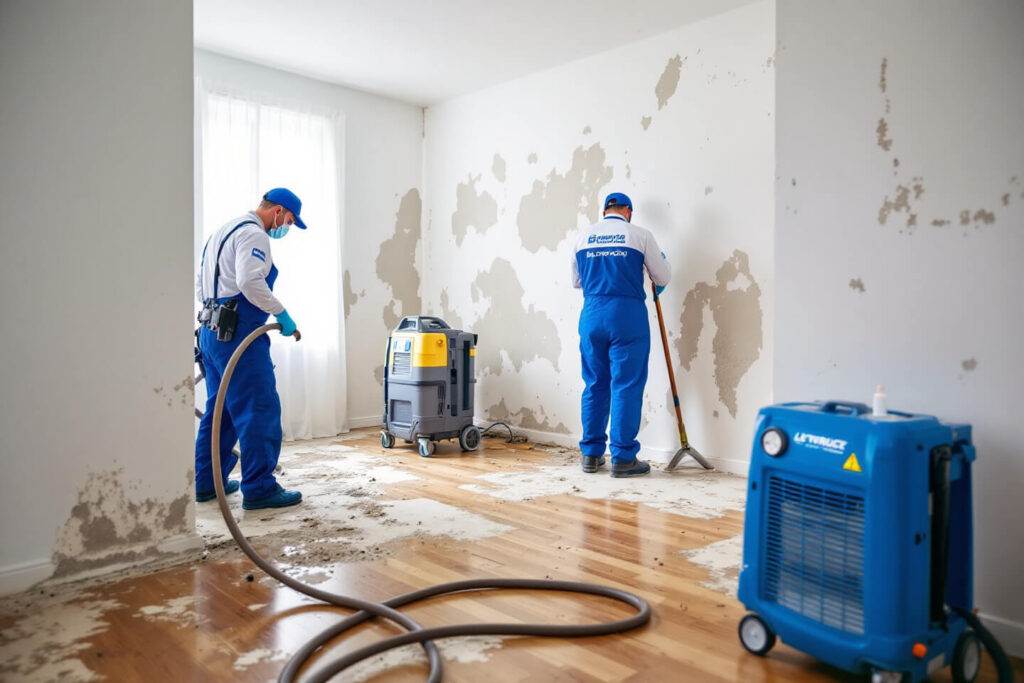
A leaking roof can cause significant damage to your home, leading to costly repairs and even health risks from mold and mildew. Recognizing the signs your roof may leak soon is essential for preventing water intrusion and protecting your property. This guide will help you identify early warning indicators, explain what actions to take, and offer practical tips to keep your home safe and dry.
Addressing potential leaks before they become emergencies is far more manageable than dealing with extensive water damage. In addition to roof maintenance, it’s wise to consider other preventative measures for your home, such as maintaining your sump pump or improving basement moisture control. By staying proactive, you can avoid many of the headaches associated with water damage.
Common Warning Signs of Impending Roof Leaks
Spotting trouble early is the key to avoiding a full-blown leak. Here are some of the most frequent indicators that your roof may be vulnerable:
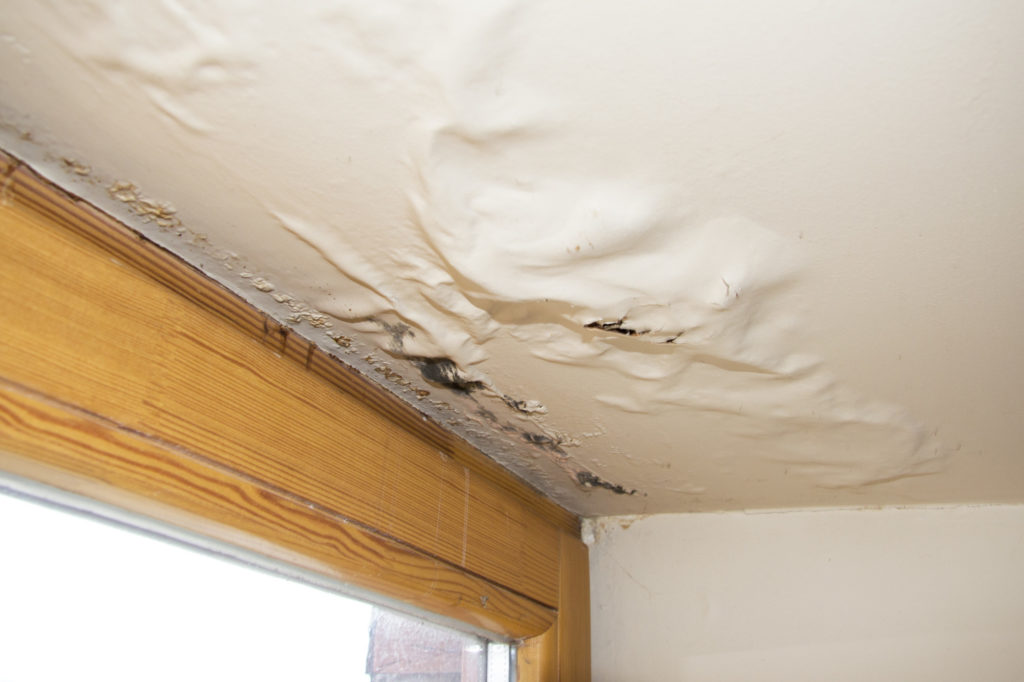
- Water stains on ceilings or walls: Discoloration, especially brown or yellowish spots, often signals that moisture is seeping in from above.
- Missing, cracked, or curled shingles: Damaged or absent shingles expose your roof’s underlayment to the elements, increasing the risk of leaks.
- Granules in gutters: Asphalt shingles shed granules as they age. If you notice excessive granules in your gutters or downspouts, your shingles may be deteriorating.
- Damp attic insulation: Wet or compressed insulation in the attic can indicate a slow leak or condensation problem.
- Visible daylight through roof boards: If you can see sunlight peeking through your attic ceiling, water can find its way in as well.
- Moss or algae growth: Persistent moss or algae on the roof surface can trap moisture and accelerate shingle decay.
- Damaged flashing or roof valleys: Flashing seals joints and valleys on your roof. If it’s rusted, loose, or missing, leaks are more likely.
Noticing any of these problems means it’s time to take action. Even minor issues can quickly escalate, especially after heavy rain or snow.
What Causes Roofs to Develop Leaks?
Understanding the root causes of leaks helps you prevent them in the future. Some of the most common reasons roofs start to fail include:
- Age and weathering: Roofing materials break down over time, especially when exposed to harsh sun, wind, and temperature fluctuations.
- Poor installation: If a roof wasn’t installed correctly, it’s more likely to develop weak points where water can enter.
- Clogged gutters: When gutters are blocked, water can back up under shingles and cause leaks along the roof edge.
- Improper ventilation: Without adequate airflow, heat and moisture can build up in the attic, leading to condensation and rot.
- Storm damage: High winds, hail, or falling branches can puncture or dislodge roofing materials.
- Neglected maintenance: Failing to inspect and repair your roof regularly allows small problems to grow into major leaks.
Regular inspections and prompt repairs are the best defense against these issues. For more tips on keeping your basement dry, you might find how to seal basement walls helpful as well.
How to Respond When You Notice Leak Warning Signs
If you spot any of the warning signs discussed above, here’s what you should do next:
- Inspect your attic and roof: Carefully check for wet spots, mold, or visible damage. Use a flashlight to look for water trails or damp insulation.
- Document the damage: Take photos of any problem areas. This can help with insurance claims and when hiring a contractor.
- Contain the leak: Place buckets or tarps under active drips to protect your belongings and minimize water damage.
- Call a professional roofer: Even if the issue seems minor, a licensed roofer can assess the situation and recommend the best solution.
- Address attic moisture: If you notice high humidity or mold, consider basement humidity control tips and improving attic ventilation.
- Review your insurance policy: Understand what’s covered in case repairs are needed. For more on preventing water damage, see this comprehensive guide to protecting your home from water damage.
Acting quickly can prevent a small leak from turning into a major disaster.

Preventative Steps to Avoid Future Roof Leaks
Taking proactive steps can greatly reduce the risk of leaks and prolong the life of your roof. Here’s what you can do:
- Schedule annual inspections: Have a professional check your roof at least once a year, especially after severe weather.
- Keep gutters clean: Remove leaves and debris regularly to ensure water flows freely away from your roof.
- Trim overhanging branches: Prevent branches from scraping or falling on your roof during storms.
- Replace damaged shingles promptly: Don’t wait to fix missing or broken shingles, as these are common entry points for water.
- Check flashing and sealants: Inspect areas around chimneys, vents, and skylights for cracked or deteriorated sealant.
- Improve attic ventilation: Proper airflow helps prevent condensation and reduces the risk of mold growth.
- Consider leak detection technology: Devices like pipe or toilet leak detectors can provide early warnings for water issues elsewhere in your home.
When to Call a Professional Roofer
While some minor maintenance tasks can be handled by homeowners, many roof issues require the expertise of a licensed contractor. Contact a professional if you notice:
- Persistent leaks after heavy rain
- Extensive shingle or flashing damage
- Mold or rot in the attic or ceiling
- Water stains that keep reappearing
- Signs of structural sagging or roof deck damage
Attempting major repairs on your own can be dangerous and may void warranties. A qualified roofer can diagnose the problem, recommend repairs, and ensure your roof remains watertight.
FAQ: Roof Leak Detection and Prevention
How can I tell if my roof is about to leak?
Look for early indicators such as water stains on ceilings, missing or damaged shingles, granules in gutters, and damp spots in your attic. These are all signs that your roof may soon allow water to enter your home.
What should I do if I find a small leak?
Contain the water immediately to prevent further damage, document the affected area, and contact a roofing professional for an assessment. Avoid delaying repairs, as even minor leaks can worsen quickly.
How often should I inspect my roof for potential problems?
It’s best to inspect your roof at least once a year and after any major storm. Regular checks help you spot issues before they become serious and allow for timely repairs.
Are there ways to prevent leaks besides roof maintenance?
Yes. Keeping gutters clear, maintaining attic ventilation, and using leak detection devices can all help. For additional protection, consider reading about how to install a sump pump to manage water in your basement.