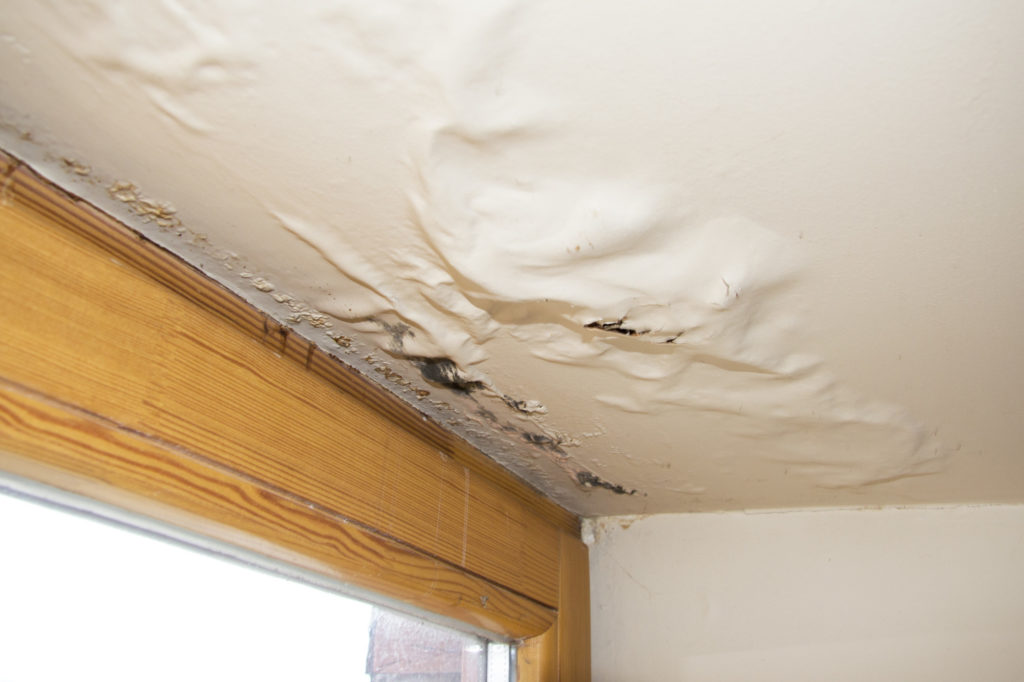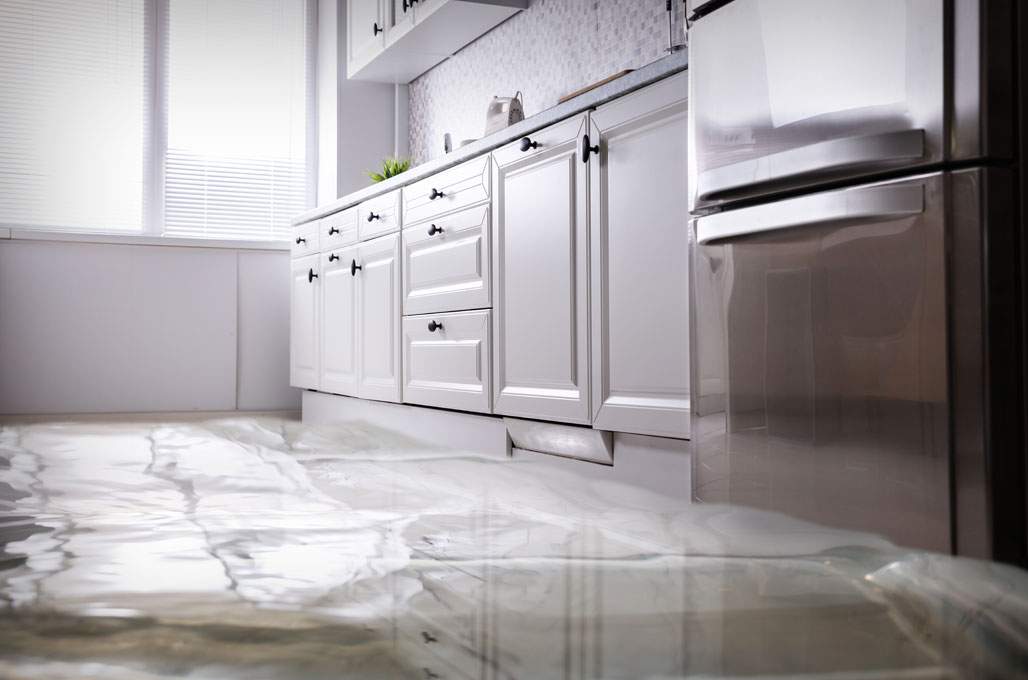
A leaking refrigerator water line can cause significant damage to your kitchen floors, cabinetry, and even the structure of your home. Taking proactive steps to avoid leaks not only protects your property but also helps you avoid costly repairs and water waste. In this guide, you’ll find practical advice for refrigerator water line leak prevention, including maintenance routines, installation best practices, and early warning signs to watch for.
Homeowners often overlook the small plastic or copper tube that supplies water to their fridge’s ice maker and dispenser. However, a single unnoticed drip can lead to hidden mold, warped flooring, and expensive restoration work. By understanding the causes of leaks and how to address them, you can keep your kitchen dry and your appliances running smoothly.
If you’re interested in broader strategies for protecting your home from water intrusion, you may also want to review this roof inspection checklist for additional prevention tips.
Understanding the Causes of Refrigerator Water Line Leaks
Before you can effectively prevent leaks, it’s important to know what typically causes them. The most common sources of refrigerator water line issues include:
- Improper installation – Kinks, bends, or loose fittings during setup can create weak points that eventually leak.
- Wear and tear – Over time, plastic lines can become brittle or cracked, and copper lines may corrode.
- Vibration – The refrigerator’s compressor and normal kitchen activity can cause the line to rub against walls or cabinets, wearing down the material.
- Clogged filters – Blocked or overdue filters can increase water pressure, stressing the line and connections.
- Poor quality materials – Low-grade tubing or connectors are more likely to fail prematurely.
Routine Maintenance for Leak Prevention
Regular maintenance is the cornerstone of refrigerator water line leak prevention. By making a few simple checks part of your routine, you can catch small problems before they become major headaches.
- Inspect the water line every six months. Look for signs of moisture, discoloration, or mineral buildup along the tubing and at connection points.
- Check for kinks or pinched sections. Straighten any bends and ensure the line isn’t being compressed by the refrigerator or other objects.
- Replace the water filter as recommended. Most manufacturers suggest changing filters every six months. This reduces pressure buildup and keeps water flowing smoothly.
- Tighten connections. Use a wrench to gently snug up any loose fittings, but avoid over-tightening, which can crack plastic parts.
- Clean behind and underneath the fridge. Dust and debris can hide slow leaks, so keep the area clear for easy inspection.
Installation Best Practices for Water Line Safety
Whether you’re installing a new refrigerator or replacing an old water line, following best practices can greatly reduce the risk of leaks. Here are some essential tips:
- Choose high-quality materials. Opt for braided stainless steel or copper lines over basic plastic tubing for increased durability.
- Use the correct fittings. Ensure all connectors are compatible with your fridge and water supply. Avoid mixing metals, which can accelerate corrosion.
- Allow for slack. Leave a gentle curve in the line behind the fridge to prevent tension or kinking when the appliance is moved.
- Secure the line. Use clamps or brackets to keep the tubing from rubbing against walls or sharp edges.
- Test for leaks after installation. Run water through the system and check all joints for drips before pushing the fridge back into place.
For more tips on keeping your home dry, you might also want to read about how to prevent water damage from clogged gutters.
Early Warning Signs of a Water Line Problem
Detecting a leak early can make all the difference. Watch for these indicators that your refrigerator’s water supply might be compromised:
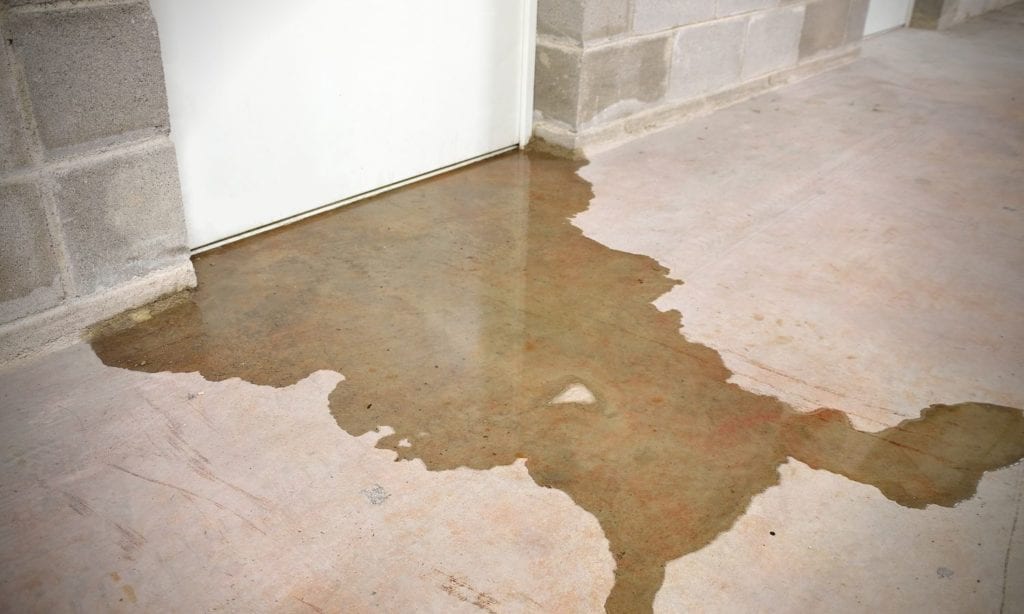
- Unusual puddles or dampness near or behind the fridge.
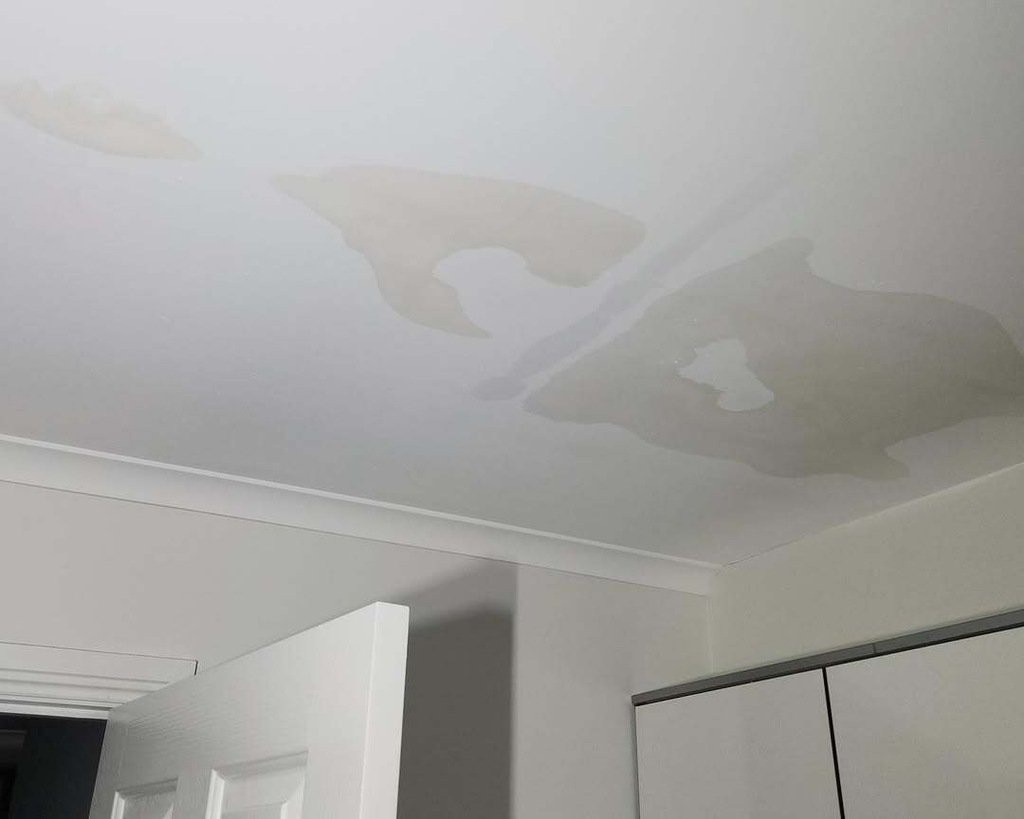
- Discolored or warped flooring adjacent to the appliance.
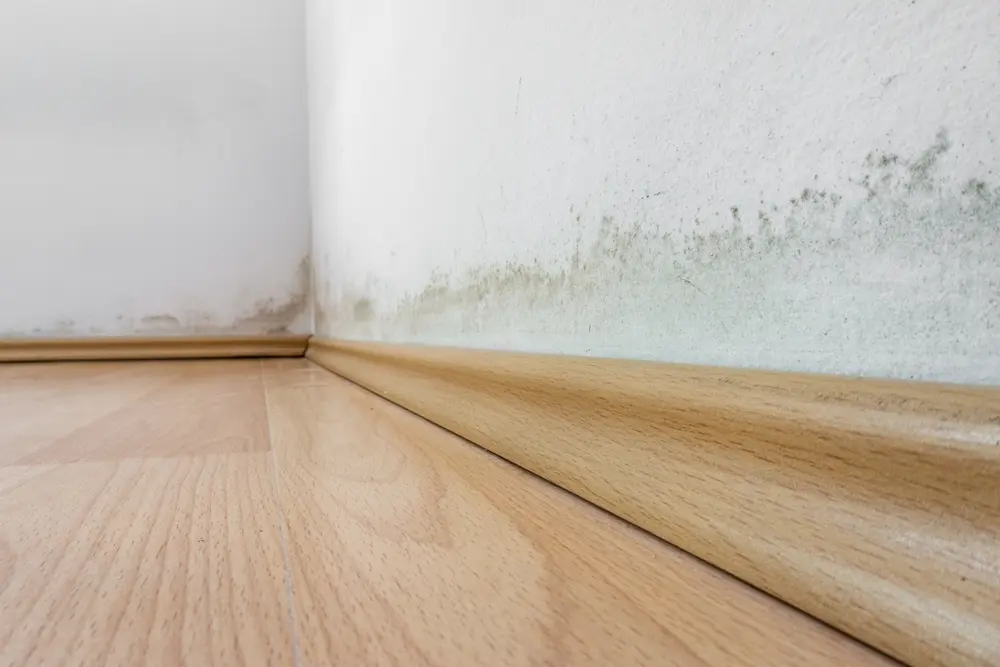
- Visible mold or mildew in the area.
- Reduced ice or water output from the dispenser, which could signal a blockage or leak.
- Hissing or dripping sounds when the fridge is not dispensing water.
If you notice any of these signs, turn off the water supply to the refrigerator immediately and inspect the line for damage. Prompt action can prevent more extensive water damage.
Advanced Leak Detection and Smart Prevention Tools
Technology can add an extra layer of protection against water damage. Installing a leak detector near your refrigerator can alert you to moisture before it becomes a major issue. Many modern devices offer Wi-Fi connectivity and smartphone alerts, allowing you to respond quickly even when you’re not at home.
For those interested in comprehensive home protection, consider integrating smart leak sensors with your other water management systems. These tools can help monitor not just your refrigerator, but also bathrooms, basements, and laundry rooms.
For more information on safeguarding your home from water-related disasters, check out this detailed guide on preventing water damage.
Additional Tips for Keeping Your Kitchen Dry
- Label your shut-off valve. Make sure everyone in your household knows where the refrigerator water shut-off is located and how to use it in an emergency.
- Schedule annual plumbing inspections. A professional can spot issues you might miss and suggest upgrades if your water line is outdated.
- Consider a drip pan. Placing a shallow tray beneath the fridge can catch minor leaks and alert you to problems early.
- Monitor your water bill. Unexpected increases could indicate a hidden leak somewhere in your home.
- Stay informed about maintenance. Keep appliance manuals handy and follow manufacturer recommendations for servicing and replacement parts.
To further reduce your risk, you may also want to learn about how to maintain exterior drainage around your property.
Frequently Asked Questions
How often should I inspect my refrigerator water line for leaks?
It’s best to check the water line and connections at least every six months. Regular inspections help you spot early signs of wear, kinks, or moisture that could indicate a developing problem.
What type of water line is most reliable for refrigerators?
Braided stainless steel and copper lines are generally more durable and less prone to leaks than basic plastic tubing. Always use high-quality materials and compatible fittings for your appliance.
Can a leak detector really help prevent major water damage?
Yes, a leak detector placed near your refrigerator can provide early warnings if moisture is detected. This allows you to act quickly and prevent extensive damage to your kitchen and home.