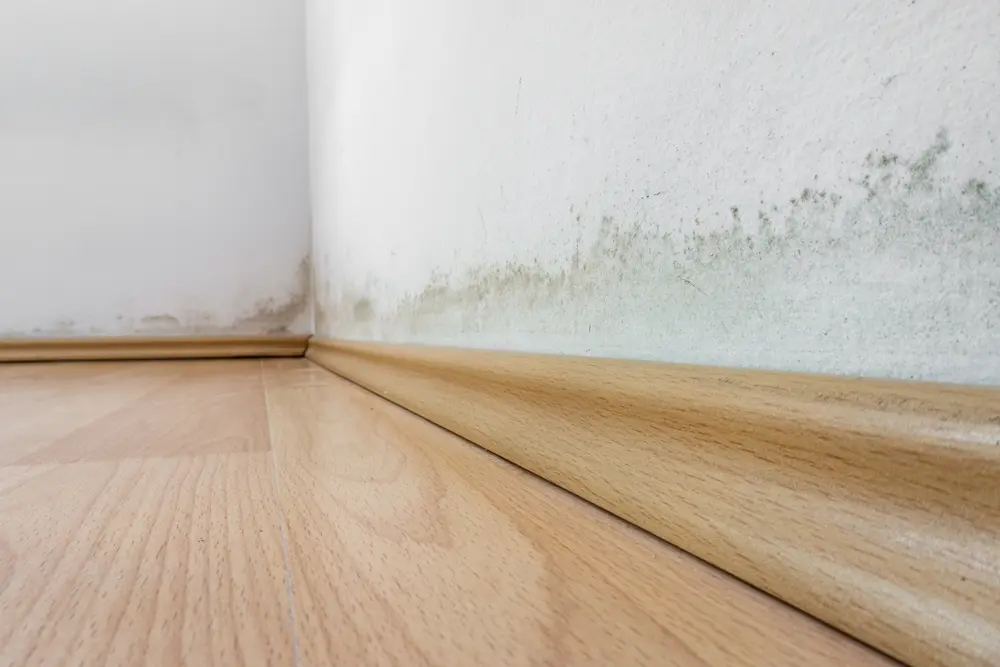
As winter transitions to spring, melting snow can pose a significant threat to your home’s foundation. Improper management of snowmelt may lead to water intrusion, basement flooding, and even long-term structural issues. Understanding how to handle snowmelt near foundation is essential for homeowners who want to protect their property from costly water damage and maintain a healthy living environment.
This guide covers practical steps to divert water away from your home, prevent moisture problems, and respond quickly if you notice signs of trouble. For those interested in broader water safety, you may also want to learn about how to install a water shut-off valve for added protection.
Why Snowmelt Management Matters for Your Home
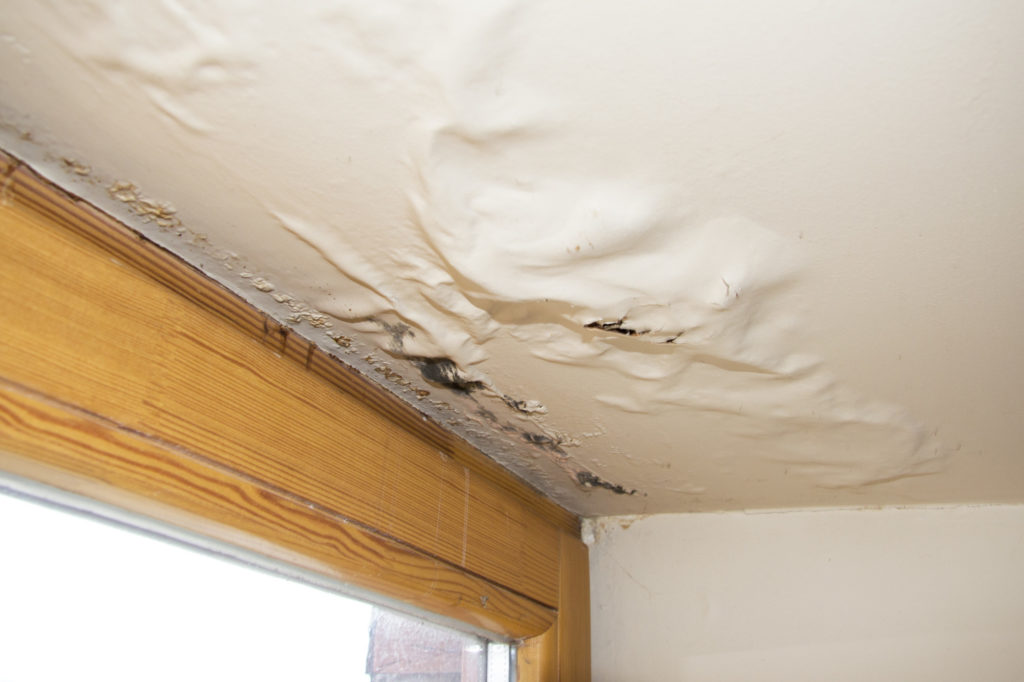
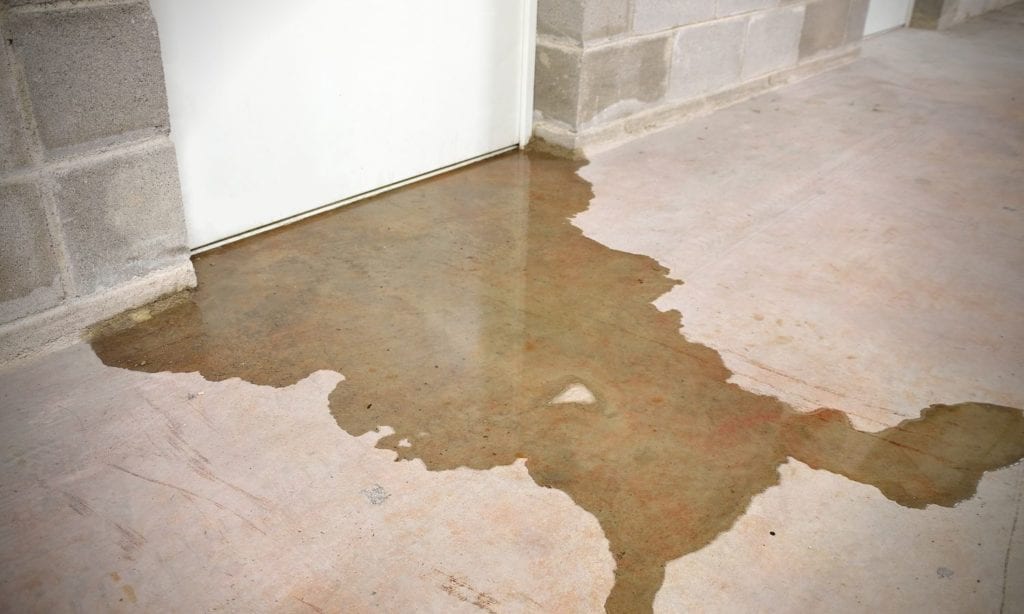
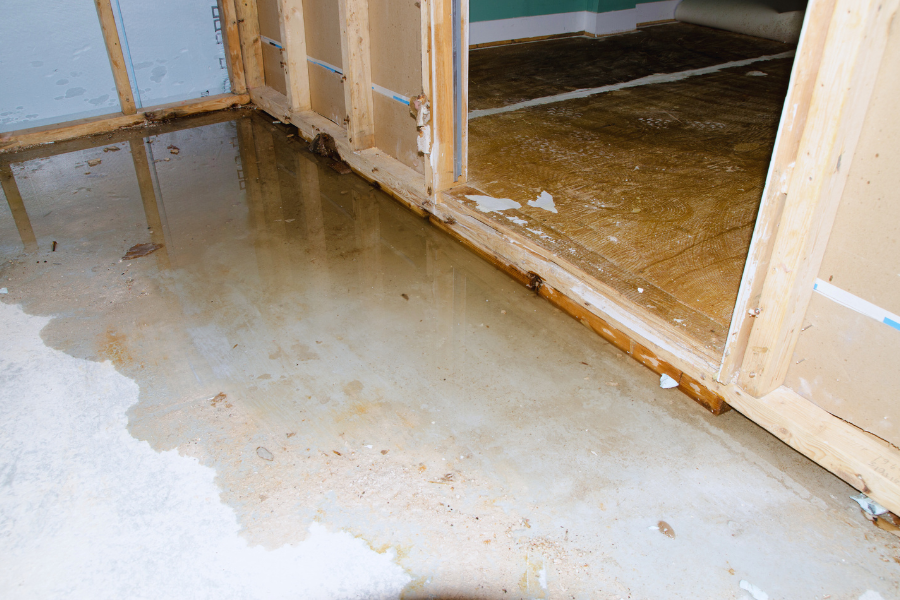
When snow accumulates around your home and then melts, the resulting water can seep into the soil and find its way into cracks or gaps in your foundation. Over time, this moisture can cause a range of problems, including:
- Basement flooding and dampness
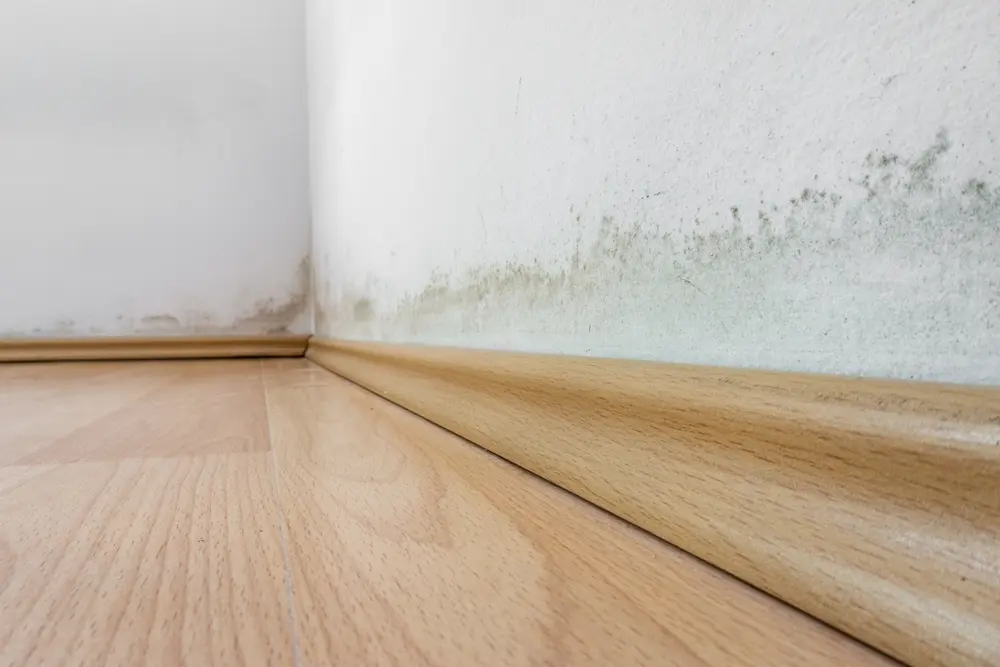
- Mold and mildew growth
- Foundation cracks and shifting
- Damage to insulation and interior finishes
Proactive snowmelt management not only preserves your home’s structural integrity but also helps maintain indoor air quality and prevents costly repairs.
Assessing Your Property’s Risk for Snowmelt Issues
Before taking action, it’s important to evaluate how vulnerable your property is to water intrusion from melting snow. Consider these factors:
- Grading and slope: Does the ground slope away from your foundation, or does it direct water toward your home?
- Gutter and downspout placement: Are your gutters clear and do downspouts extend far enough from the house?
- Foundation condition: Are there visible cracks or signs of moisture inside your basement or crawlspace?
- Soil type: Clay soils retain water, increasing the risk of seepage, while sandy soils drain more effectively.
Identifying these risk factors will help you prioritize which snowmelt control strategies to implement.
Key Steps to Divert Snowmelt Away from Your Foundation
The most effective way to prevent water damage is to keep melted snow from pooling near your home’s perimeter. Here are actionable steps to achieve this:
1. Clear Snow Away from the Foundation
Regularly shovel or snow-blow snow at least 3–5 feet away from your home’s exterior walls. This reduces the volume of water that can soak into the soil next to your foundation as temperatures rise.
2. Maintain Proper Grading and Landscaping
Ensure that the ground slopes away from your house at a minimum of 6 inches over the first 10 feet. Fill in low spots with soil and avoid piling snow in areas where water naturally collects.
3. Keep Gutters and Downspouts Clear
Clogged gutters can cause overflow and direct water toward your foundation. Clean them regularly and make sure downspouts extend at least 6 feet away from your home. Consider adding extensions or splash blocks if needed.
4. Inspect and Seal Foundation Cracks
Examine your foundation for visible cracks or gaps. Use a high-quality masonry sealant to address minor cracks. For larger or persistent issues, consult a professional to prevent water infiltration.
5. Install a Sump Pump or French Drain
In areas with frequent snowmelt problems, installing a sump pump or a French drain system can help redirect water away from your basement. These solutions are especially useful for homes with high water tables or poor drainage.
Monitoring and Detecting Water Intrusion Early
Even with preventative measures, it’s important to monitor for early signs of water intrusion. Look for:
- Musty odors or visible mold in the basement
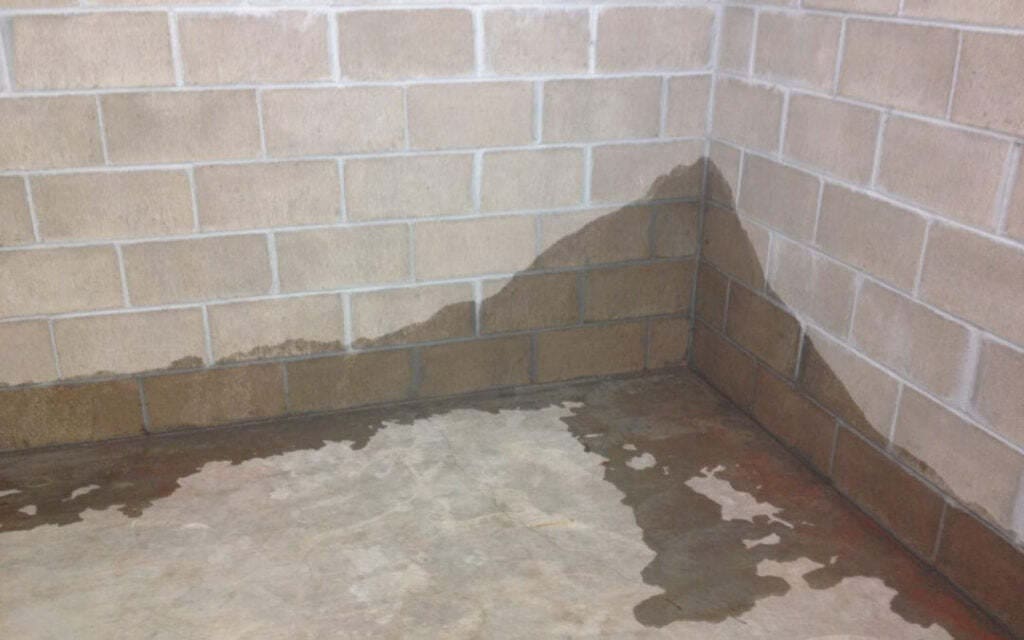
- Damp spots or water stains on walls and floors
- Efflorescence (white, chalky residue) on masonry surfaces
- Unexplained increases in indoor humidity
For added peace of mind, consider using smart home devices for leak prevention. Learn more about smart home devices for leak prevention to detect leaks before they cause significant damage.
Responding to Water Damage from Melting Snow
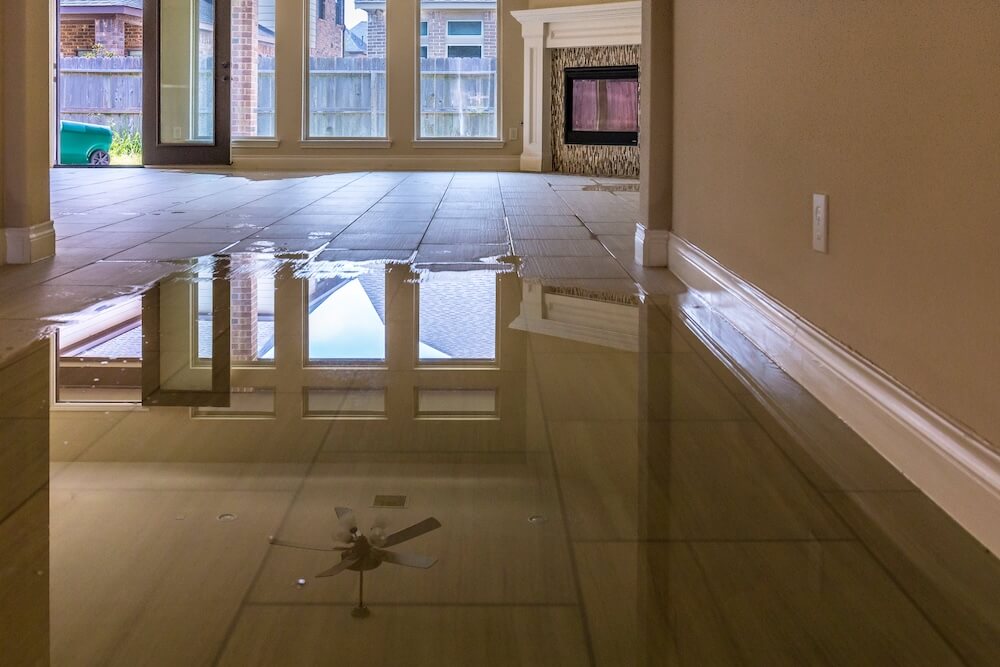
If you notice water entering your basement or crawlspace, act quickly to minimize damage:
- Remove standing water using a wet/dry vacuum or pump.
- Dry out affected areas with fans and dehumidifiers.
- Dispose of any wet materials that cannot be thoroughly dried.
- Sanitize surfaces to prevent mold growth.
- Address the source of the leak to prevent future incidents.
For more tips on protecting your home’s interior from water damage, see this comprehensive guide to preventing water damage.
Maintaining Long-Term Protection Against Snowmelt
Ongoing maintenance is key to keeping your home safe from the effects of melting snow. Here are some best practices:
- Schedule seasonal inspections of your foundation and drainage systems.
- Replace old hoses and appliance water lines as needed; see guidance on replacing old hoses to prevent water damage.
- Test sump pumps before snowmelt season begins.
- Keep landscaping trimmed and avoid planting water-loving shrubs near the foundation.
- Stay informed about weather forecasts and prepare for rapid thaws.
For additional advice on keeping your appliances safe, explore tips on how to maintain appliance water lines and how to use leak detectors near appliances.
Frequently Asked Questions
What are the first signs of snowmelt-related foundation problems?
Early indicators include damp or musty odors in the basement, visible water stains, peeling paint, or the appearance of mold and mildew. Cracks in the foundation or walls may also signal that water is seeping in.
How often should I check my gutters and downspouts during snowmelt season?
It’s best to inspect gutters and downspouts at least once a month during winter and early spring. Remove any debris, ice dams, or blockages to ensure water can flow freely away from your home.
Can landscaping help reduce snowmelt problems?
Yes, proper landscaping can significantly reduce the risk. Grading soil away from the foundation, planting grass or ground cover, and avoiding heavy mulch near the house all help direct water away from your foundation.
Should I use a sump pump even if I haven’t had flooding before?
Installing a sump pump is a proactive step, especially in areas with poor drainage or a history of water issues. It provides an extra layer of protection in case of unexpected snowmelt or heavy rain.
Is it necessary to seal my foundation every year?
Annual sealing is not always required, but you should inspect your foundation each year and reseal any new cracks or gaps as soon as they appear to prevent water intrusion.