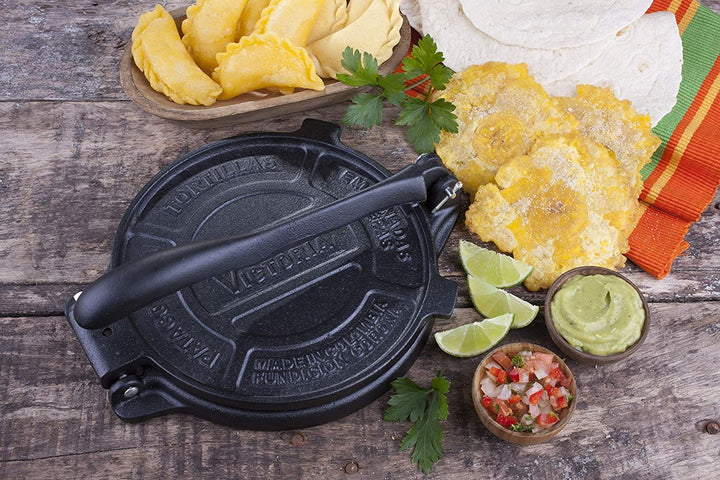
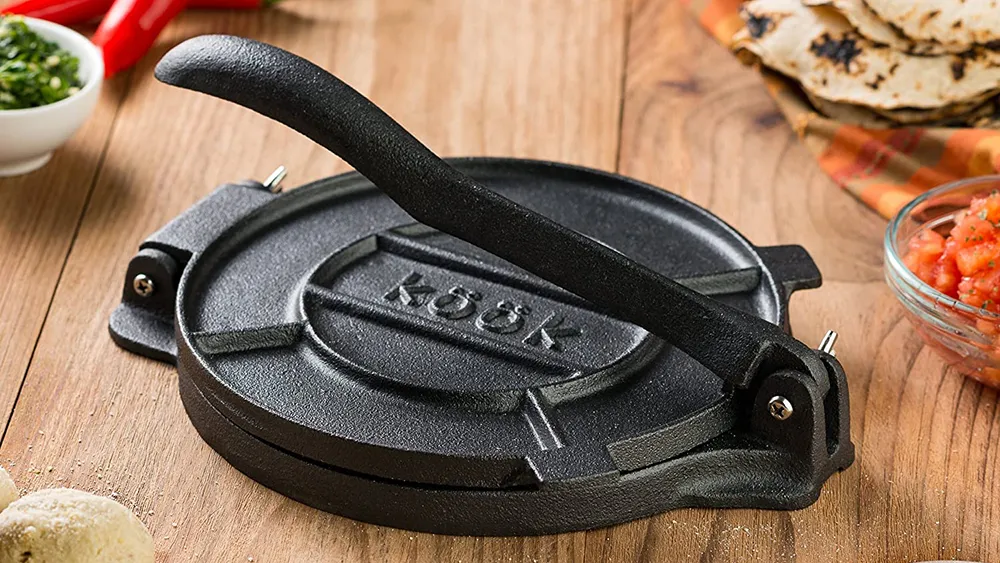
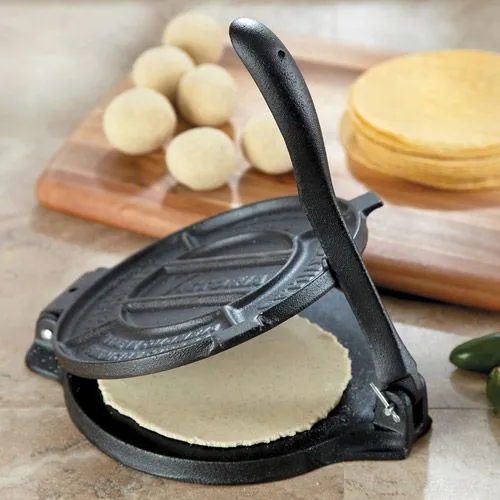
Bringing a vintage cast iron tortilla press back to life is a rewarding project for home cooks and collectors alike. Over time, these sturdy kitchen tools can develop rust, sticky residue, or lose their nonstick qualities. With the right approach, you can restore an old press to working condition, ensuring it’s safe, functional, and ready for many more years of tortilla making. This guide covers every step needed to rejuvenate your cast iron press, from cleaning and rust removal to seasoning and ongoing care.
Restoring a neglected press not only preserves a piece of culinary history but also enhances your homemade tortilla experience. Whether you’ve inherited a family heirloom or found a gem at a flea market, the process is straightforward and doesn’t require specialized tools. Before diving into the restoration process, it’s helpful to understand the basics of cast iron care and the common issues that affect these presses.
If you’re looking for more tips on tortilla making, check out how to press tortillas for chilaquiles for expert advice on achieving the perfect texture and thickness.
Why Cast Iron Tortilla Presses Need Restoration
Cast iron is valued for its durability and heat retention, but it’s also prone to rust and corrosion if not cared for properly. Over time, exposure to moisture, improper storage, or infrequent use can lead to surface rust, pitting, or a sticky buildup of old oil. These issues can affect the performance of your press and even impact the flavor and safety of your tortillas.
Restoration is essential not only for aesthetics but also for food safety. A well-maintained press ensures even pressing, prevents sticking, and delivers consistent results. By learning how to revive an old tortilla press, you can extend its lifespan and enjoy authentic tortillas at home.
Assessing the Condition of Your Press
Before starting the restoration, inspect your press thoroughly. Look for:
- Surface rust: Orange or brown patches on the metal.
- Sticky residue: Old oil or food particles that haven’t been cleaned off.
- Pitting or flaking: Signs of deeper corrosion or damage.
- Loose or damaged parts: Check hinges and handles for stability.
If the press has severe structural damage (cracks or broken hinges), restoration may not be possible. However, most issues can be addressed with a few simple steps.
Step-by-Step Guide to Restoring a Vintage Tortilla Press
Follow these steps to bring your cast iron press back to life:
1. Removing Rust and Old Residue
Start by scrubbing away any loose rust and debris. Use a stiff brush or steel wool for surface rust. For stubborn spots, a mixture of coarse salt and a little water can help. Avoid using soap at this stage, as it can strip away any remaining seasoning.
If the rust is extensive, soak the press in a solution of equal parts white vinegar and water for up to one hour. Check frequently, as prolonged soaking can damage the metal. After soaking, scrub again and rinse thoroughly with warm water.
2. Drying and Prepping for Seasoning
After cleaning, dry the press immediately and thoroughly. Place it in a warm oven (around 200°F/95°C) for 10–15 minutes to ensure all moisture is gone. This step is crucial to prevent new rust from forming.
3. Seasoning the Cast Iron Surface
Seasoning creates a protective, nonstick layer on cast iron. To season your press:
- Apply a thin, even layer of neutral oil (such as flaxseed, canola, or grapeseed) to all surfaces, including hinges and handles.
- Wipe off any excess oil with a clean cloth or paper towel.
- Place the press in an oven preheated to 400°F (205°C), upside down, with a baking sheet or foil underneath to catch drips.
- Bake for 1 hour, then turn off the oven and let the press cool inside.
Repeat the seasoning process 2–3 times for best results. This will build up a durable, nonstick coating that protects against rust and makes tortilla pressing easier.
Maintaining Your Restored Press
Once your press is restored, regular maintenance will keep it in top shape. After each use, wipe it clean with a dry or slightly damp cloth. Avoid soaking or using soap, as this can damage the seasoning. If food sticks, scrub gently with a brush and reapply a thin layer of oil as needed.
Store your press in a dry place, preferably with a paper towel or cloth between the plates to absorb moisture. If you notice any rust spots developing, address them promptly to prevent further damage.
For more detailed care instructions, refer to this comprehensive guide on tortilla press maintenance.
Common Mistakes to Avoid During Restoration
- Skipping the drying step: Moisture is the enemy of cast iron. Always dry thoroughly after cleaning.
- Using harsh chemicals: Avoid oven cleaners or strong detergents, which can damage the metal.
- Applying too much oil: Excess oil during seasoning can lead to a sticky surface. Use a thin, even coat.
- Neglecting regular maintenance: Even after restoration, ongoing care is essential for longevity.

Additional Tips for Cast Iron Tortilla Press Owners
- Consider lining your press with plastic wrap or parchment paper when pressing tortillas to minimize sticking and reduce cleanup.
- If you use your press for other foods, such as crackers, clean and re-season as needed to maintain the nonstick surface. For inspiration, see how to use a tortilla press for crackers.
- To keep your masa fresh and ready for pressing, review these tips on storing corn masa for best results.
- If you encounter issues with uneven pressing, learn how to address them in this troubleshooting guide.
Frequently Asked Questions
How do I prevent rust from returning after restoration?
Keep your press dry and well-seasoned. After each use, wipe it clean and apply a thin layer of oil. Store in a dry place and avoid prolonged exposure to moisture. If you notice any rust spots, remove them promptly and re-season as needed.
Can I use soap to clean my cast iron tortilla press?
It’s best to avoid soap, as it can strip away the seasoning. Instead, use hot water and a stiff brush to remove residue. For stubborn spots, use coarse salt as a gentle abrasive. Always dry thoroughly after cleaning.
Is it safe to use a restored press for food?
Yes, as long as you’ve removed all rust and residue, and properly seasoned the surface, your press is safe for food preparation. Regular maintenance will keep it in optimal condition for years to come.
What should I do if my press is sticky after seasoning?
Sticky residue usually means too much oil was applied during seasoning. Scrub the surface with a brush and hot water, dry thoroughly, and repeat the seasoning process with a thinner layer of oil.
Conclusion
Restoring a cast iron tortilla press is a practical way to preserve a valuable kitchen tool and enjoy homemade tortillas with authentic flavor and texture. By following these steps for cleaning, rust removal, and seasoning, you can ensure your press remains a reliable part of your cooking routine. Regular care and attention will keep it performing at its best, allowing you to create delicious tortillas and other pressed foods for years to come.