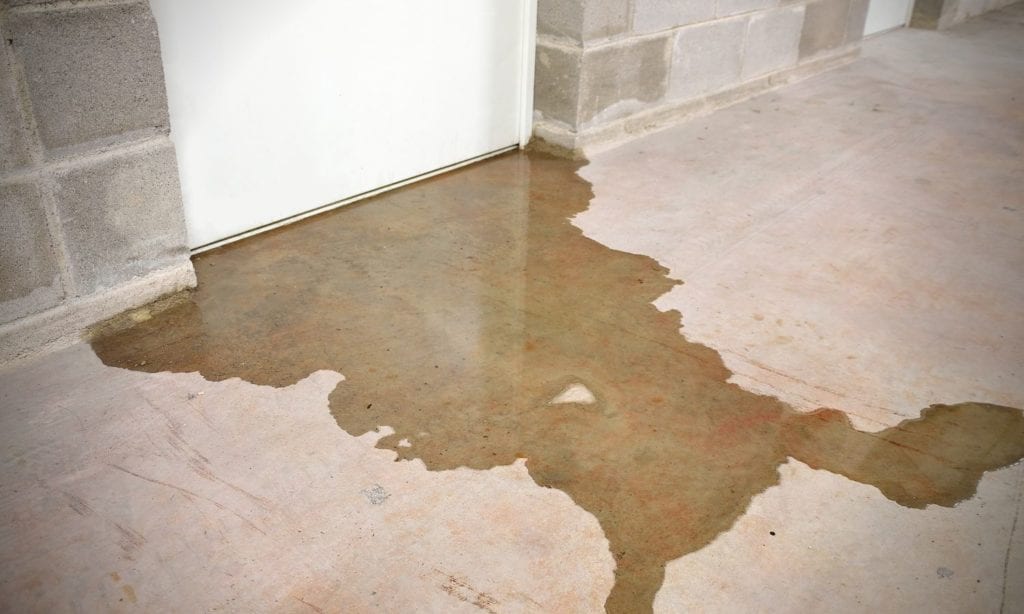
As unpredictable weather patterns become more common, preparing your property for heavy rainfall and potential flooding is essential. Taking proactive steps before the wet season arrives can help minimize damage, protect your belongings, and keep your family safe. This guide offers practical flood season preparation tips to help you safeguard your home and reduce the risks associated with rising water levels.
From inspecting vulnerable areas to installing smart devices, there are several strategies you can implement for effective flood readiness. If you’re interested in enhancing your home’s water safety, you might also want to learn how to install a water shut-off valve for added protection.
Why Flood Readiness Matters
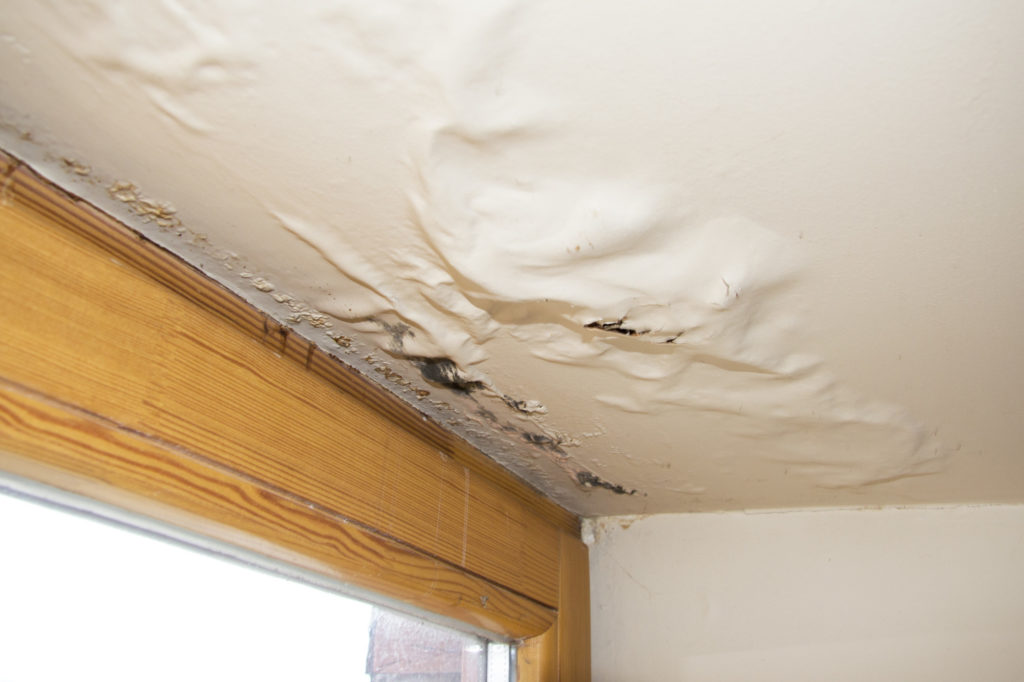
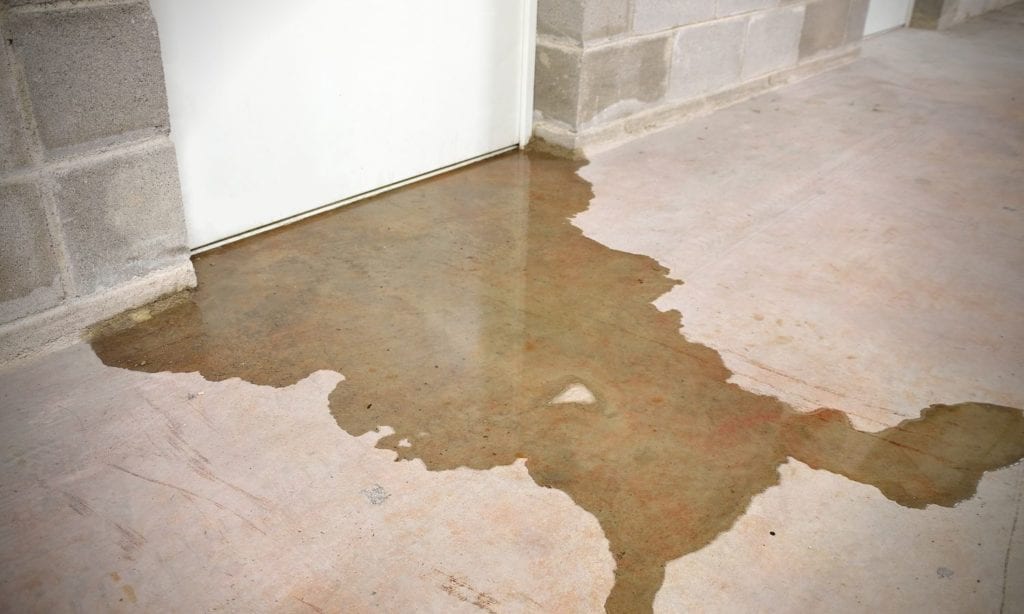
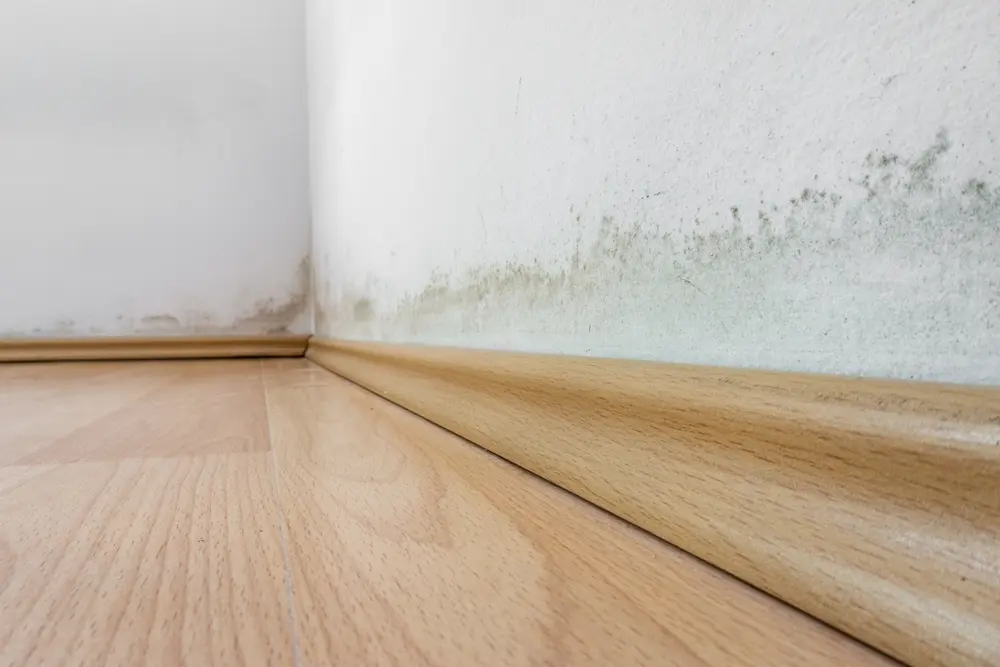
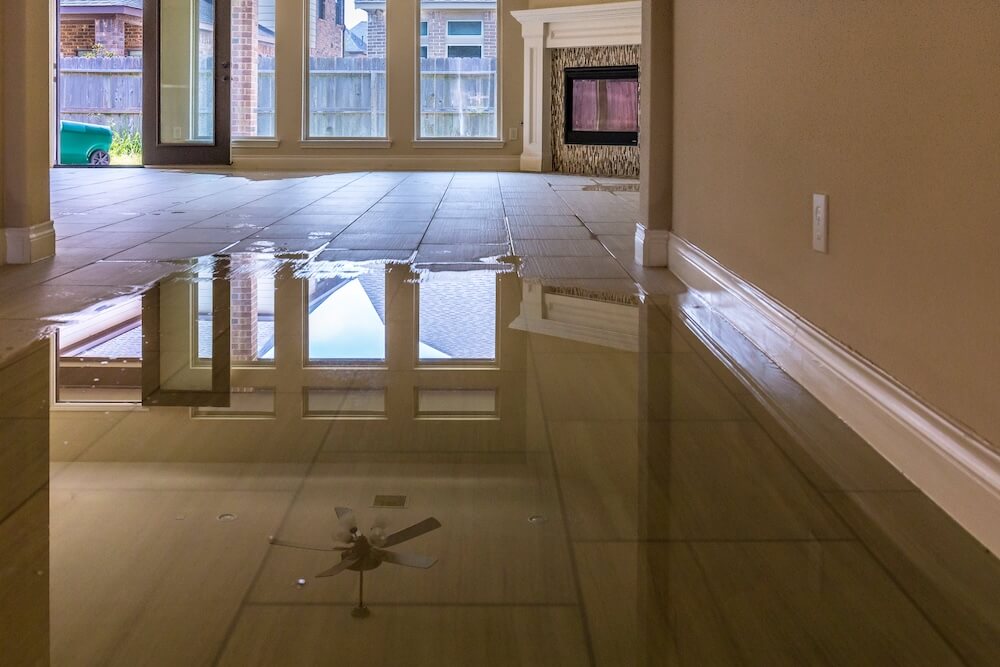
Floods can occur with little warning and cause extensive damage to homes, foundations, and personal property. Even minor water intrusion can result in costly repairs, mold growth, and long-term structural issues. By following essential flood season preparation tips, you can significantly reduce the impact of water-related disasters on your household.
Assessing Your Home’s Vulnerabilities
The first step in preparing for heavy rainfall is to evaluate which parts of your property are most susceptible to water intrusion. Pay close attention to basements, crawl spaces, ground-level windows, and exterior doors. Check for cracks in your foundation, gaps around windows, and signs of previous water damage.
It’s also wise to review your landscaping and grading. Make sure the ground slopes away from your home to direct water flow away from the foundation. If you have older hoses or connections, consider replacing old hoses to prevent water damage before the rainy season begins.
Essential Flood Season Preparation Strategies
Implementing a few targeted measures can make a significant difference in your home’s resilience. Here are some proven approaches to help you get ready:
- Install Sump Pumps and Backflow Valves: These devices help remove water from basements and prevent sewage from backing up into your home.
- Seal Foundation Cracks: Use waterproof sealant to address any visible cracks or gaps in your foundation and basement walls.
- Maintain Gutters and Downspouts: Clean gutters regularly and ensure downspouts direct water at least six feet away from your foundation.
- Elevate Appliances and Utilities: If possible, raise electrical systems, furnaces, and water heaters above potential flood levels.
- Store Valuables Safely: Keep important documents and valuables in waterproof containers or on upper floors.
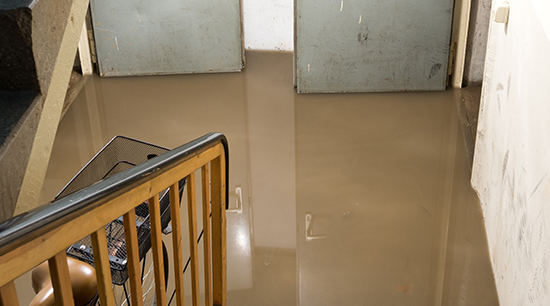
Smart Home Solutions for Flood Prevention
Technology can play a key role in flood preparedness. Modern smart home devices for leak prevention can detect water leaks early and alert you before minor issues become major problems. Consider installing water sensors near appliances, sump pumps, and in areas prone to leaks.
Automatic shut-off valves can also be a valuable investment, cutting off your water supply if a leak is detected. For more details on using these devices effectively, see this guide on how to use leak detectors near appliances.
Routine Maintenance and Emergency Planning
Regular upkeep is essential for keeping your home flood-ready. Inspect your roof for missing shingles, clear debris from drains, and check that sump pumps are functioning correctly. It’s also important to maintain appliance water lines—review this resource on how to maintain appliance water lines for more tips.
In addition to physical preparations, develop a family emergency plan. Identify evacuation routes, keep emergency supplies on hand, and ensure everyone knows how to turn off utilities in case of flooding.
Mitigation and Recovery Resources
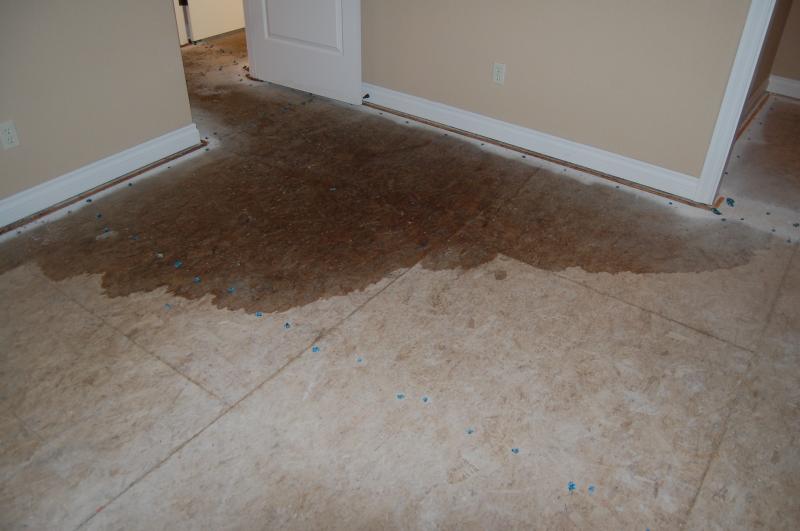
Even with the best precautions, water damage can still occur. Knowing how to respond quickly can help minimize losses. For a comprehensive overview of water mitigation steps, review this detailed guide to water mitigation. It covers immediate actions, safety considerations, and how to work with professionals for cleanup and restoration.
Frequently Asked Questions
What are the most important steps to prepare for flood season?
The most effective actions include inspecting your foundation for cracks, cleaning gutters, installing sump pumps, sealing vulnerable entry points, and storing valuables in waterproof containers. Incorporating smart leak detectors and developing an emergency plan are also highly recommended.
How can smart home technology help prevent water damage during heavy rains?
Smart sensors and automatic shut-off valves can detect leaks early and stop water flow before significant damage occurs. These devices provide real-time alerts, giving you the chance to address problems quickly and avoid costly repairs.
What should I do if my basement floods despite my preparations?
If you experience flooding, prioritize safety by turning off electricity and avoiding contact with standing water. Remove valuables if safe, and contact professionals for water removal and cleanup. Document damage for insurance purposes and consult resources on water mitigation for further guidance.