As climate patterns shift and extreme weather events become more frequent, the risk of flooding is a growing concern for homeowners. Choosing the right flood resistant building materials can make a significant difference in minimizing damage and protecting your investment. This guide explores durable options, practical installation tips, and essential resources for anyone looking to improve their home’s resilience against water intrusion.
Whether you’re building a new property or renovating an existing one, understanding which materials hold up best during floods can help you make informed decisions. We’ll also highlight key prevention strategies and link to further resources, such as residential flood prevention advice, to help you safeguard your home from costly water damage.
Why Water-Resistant Construction Matters
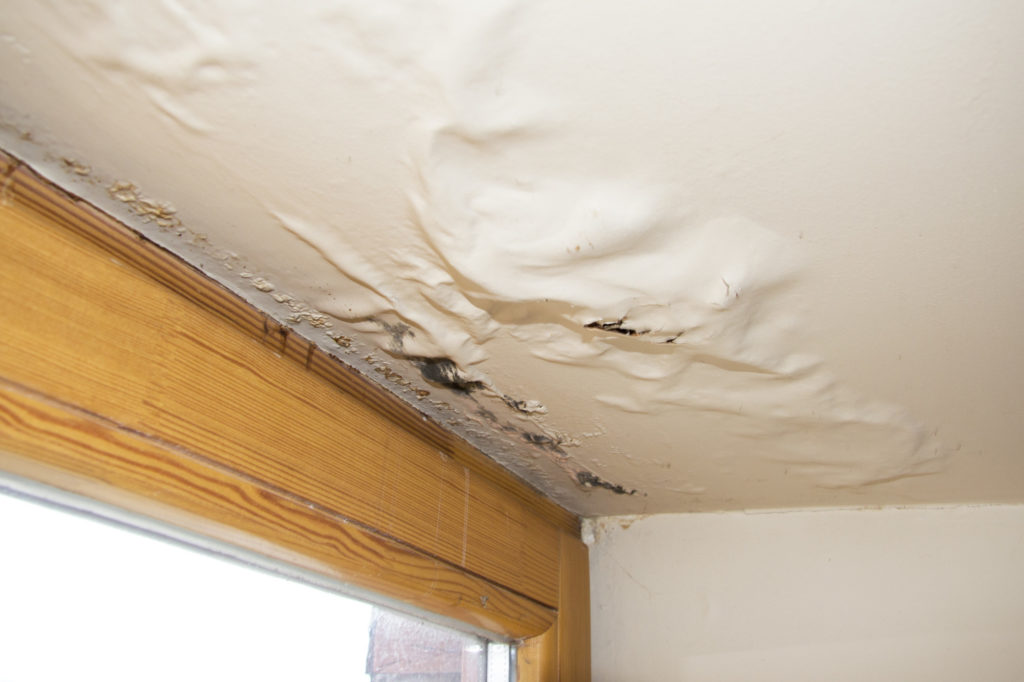
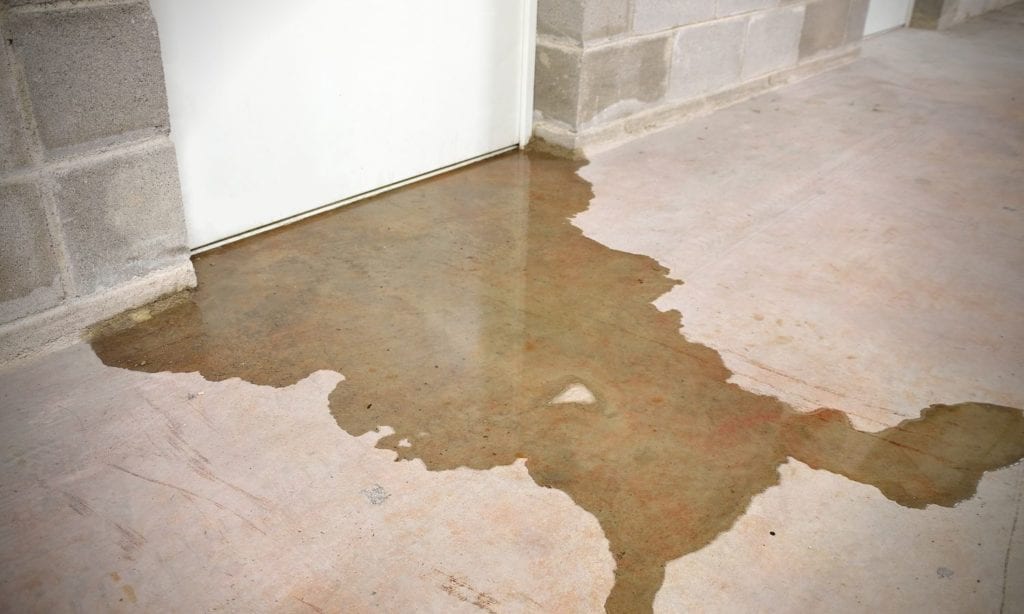
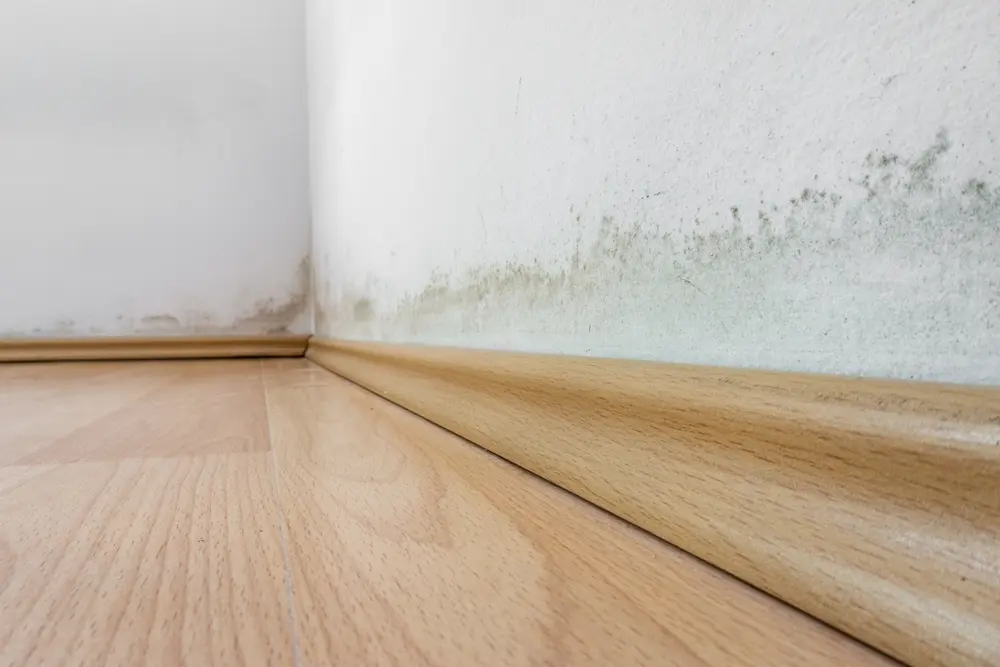
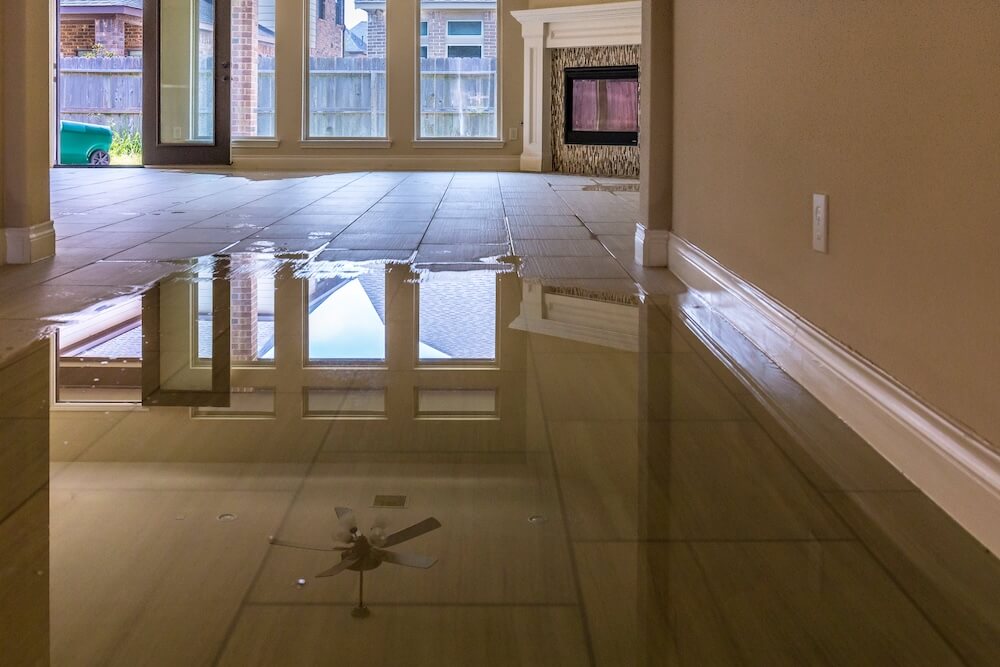
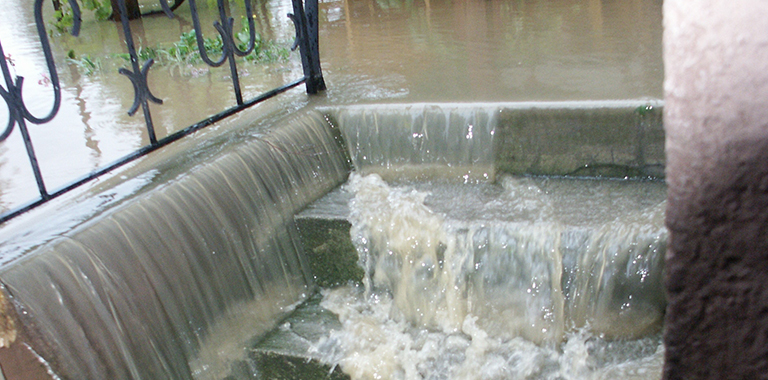
Flooding can cause severe structural damage, destroy interiors, and lead to costly repairs. By integrating flood resistant building materials into your home, you reduce the risk of long-term issues such as mold, rot, and weakened foundations. These materials are designed to withstand direct contact with water, dry quickly, and maintain their integrity after exposure.
According to experts, the use of appropriate materials is one of the most effective ways to limit the impact of flooding. Combining these choices with smart design and regular maintenance can help you avoid the most common home flooding causes and keep your property safe.
Top Materials for Flood-Prone Areas
Selecting the right products for your walls, floors, and structural elements is crucial. Here are some of the most reliable options for areas at risk of water intrusion:
- Concrete and Concrete Block: Dense and non-porous, concrete is highly resistant to water damage. It is commonly used for foundations, walls, and floors in flood-prone regions.
- Pressure-Treated Lumber: Treated wood resists rot and decay, making it suitable for framing and structural supports that may be exposed to moisture.
- Closed-Cell Spray Foam Insulation: Unlike traditional fiberglass, closed-cell foam does not absorb water and can help seal out moisture.
- Ceramic or Porcelain Tile: These tiles are waterproof and easy to clean, making them ideal for floors and lower wall sections.
- Brick and Stone Veneer: Both materials provide a durable, water-resistant exterior that can withstand heavy rain and flooding.
- Metal Doors and Window Frames: Steel or aluminum frames resist warping and swelling, maintaining their function even after exposure to water.
- Fiber Cement Board: Used for siding and backer board, this material is non-combustible and highly resistant to water.
- Epoxy or Waterproof Paints: These coatings add an extra layer of protection to surfaces, helping to seal out moisture.
Installation Tips for Enhanced Flood Protection
Using flood resistant building materials is most effective when paired with proper installation techniques. Here are some best practices to maximize your home’s defense:
- Elevate Electrical Systems: Install outlets, switches, and wiring above potential flood levels to prevent electrical hazards.
- Seal Gaps and Cracks: Use waterproof sealants around windows, doors, and foundation joints to block water entry points.
- Install Backflow Valves: These devices prevent sewage from backing up into your home during heavy rains.
- Use Water-Resistant Insulation: Replace traditional insulation with closed-cell foam in basements and crawl spaces.
- Choose Non-Absorbent Flooring: Opt for tile, sealed concrete, or vinyl in lower levels instead of carpet or hardwood.
For a more comprehensive approach, consider reviewing a home flood prevention guide to ensure all aspects of your property are protected.
Common Areas to Upgrade With Water-Resistant Materials
Not all parts of a house are equally vulnerable to flooding. Focusing on the following areas can yield the greatest benefits:
- Basements and Crawl Spaces: These are often the first to flood. Use concrete, tile, and waterproof coatings for floors and walls.
- Ground-Level Rooms: Kitchens, bathrooms, and laundry rooms should feature water-resistant flooring and cabinetry.
- Exterior Walls and Siding: Fiber cement, brick, or stone veneer help keep water out and reduce maintenance needs.
- Garage and Entryways: Durable, non-absorbent materials can withstand repeated exposure to water and mud.
Maintenance and Inspection for Long-Term Resilience
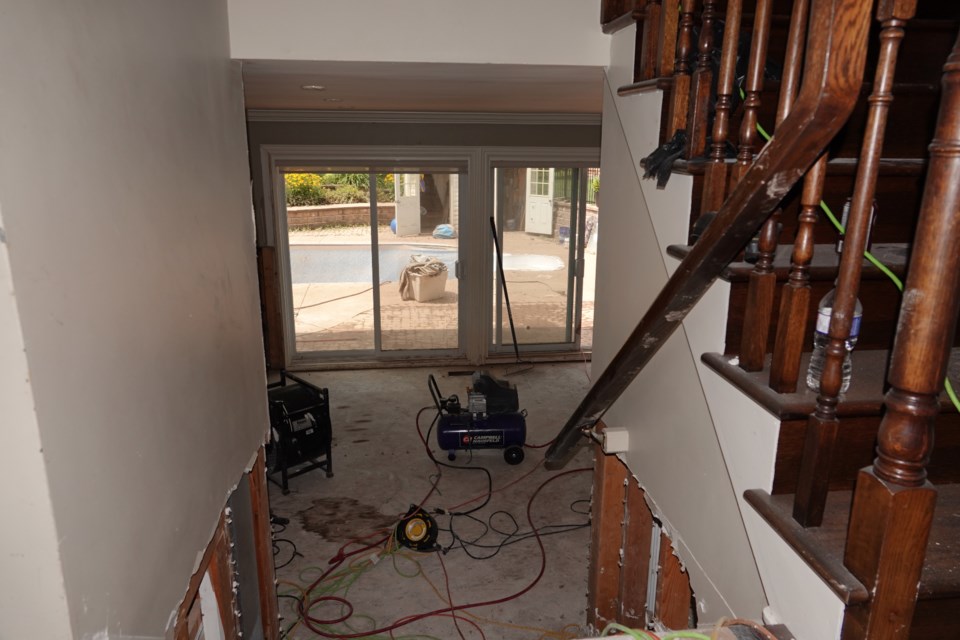
Even the best materials require regular upkeep. Schedule routine checks, especially after storms, to look for signs of wear or water intrusion. Addressing minor issues early can prevent larger, more expensive problems down the line.
Seasonal tasks like a spring home inspection for leaks can help you identify vulnerabilities and ensure your home remains protected year-round.
Additional Strategies to Prevent Flood Damage
While material choice is crucial, combining it with other preventive measures offers the best protection. Some effective strategies include:
- Landscaping for Drainage: Slope soil away from your foundation and use gravel or permeable pavers to direct water flow.
- Install Sump Pumps: These devices remove excess water from basements and crawl spaces during heavy rainfall.
- Gutter and Downspout Maintenance: Keep gutters clear and ensure downspouts direct water at least six feet from your home.
- Monitor for Leaks: Use smart sensors or alarms to detect water early and respond quickly.
For more insight into the underlying issues, review information on the common causes of house floods to better understand how to address vulnerabilities.
FAQ: Building for Flood Safety
What are the most effective flood-resistant materials for basements?
The best options for basements include poured concrete, concrete block, ceramic tile, and closed-cell spray foam insulation. These materials resist water absorption and are easy to clean and dry after a flood event.
Can I retrofit an existing home with water-resistant materials?
Yes, many products can be installed during renovations. Replacing carpets with tile, adding waterproof coatings to walls, and upgrading to metal doors and window frames are all practical ways to improve flood resistance in older homes.
How do I know if my home is at risk for flooding?
Check local flood maps, review your property’s elevation, and consider past weather events in your area. Homes near rivers, lakes, or in low-lying regions are especially vulnerable. For more prevention tips, see our step-by-step guide to preventing home flooding.
Is insurance affected by using flood-resistant materials?
Many insurers offer discounts or incentives for homes built or retrofitted with water-resistant products. Check with your provider to see if you qualify for lower premiums or additional coverage benefits.