

Increasingly unpredictable weather patterns and rising flood risks make it essential for homeowners to seek effective ways to protect their properties. Flood shields for doors have emerged as a practical solution for safeguarding entryways against water intrusion. These barriers are designed to prevent water from entering through doors during heavy rainfall, flash floods, or other water-related emergencies. By understanding how these shields work and how to choose the right option, you can significantly reduce the risk of costly water damage.
Alongside other preventive measures, such as regular maintenance and smart home monitoring, installing door flood barriers can be a key part of a comprehensive flood defense strategy. For those interested in a broader approach, our home flood prevention guide covers essential steps every homeowner should consider.
Understanding Door Flood Barriers
Door flood shields, also known as flood barriers or flood panels, are removable or semi-permanent devices installed at the base of exterior doors. Their primary function is to stop floodwater from seeping into the home through vulnerable entry points. These shields are typically made from durable materials such as aluminum, steel, or reinforced plastic, providing a watertight seal when properly installed.
The concept is straightforward: when a flood threat is imminent, the shield is quickly positioned across the doorway, blocking water from passing through. Some models use compression seals, while others rely on gaskets or clamping mechanisms to ensure a tight fit. The effectiveness of these barriers depends on correct installation and regular inspection.
Types of Flood Shields for Entryways
There are several varieties of flood shields for doors, each with unique features and installation requirements. Understanding the differences can help you select the right solution for your home:
- Removable Shields: These are stored away when not in use and can be installed quickly before a storm. They are ideal for homeowners who want protection without permanent fixtures.
- Permanent or Semi-Permanent Barriers: These systems are fixed in place or have tracks installed around the doorway, allowing for rapid deployment. They offer convenience and are suitable for areas with frequent flooding.
- Inflatable Barriers: Made from heavy-duty materials, these can be inflated and positioned against doors to block water. They are portable and easy to store but may not provide as robust a seal as rigid options.
- Custom-Fit Shields: Tailored to the exact dimensions of your door, these provide the best fit and maximum protection.
Key Benefits of Installing Flood Shields
Adding a protective barrier to your doors offers several advantages beyond just keeping water out. Here are some of the main benefits:
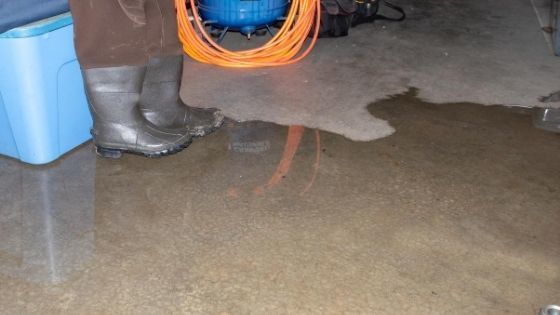
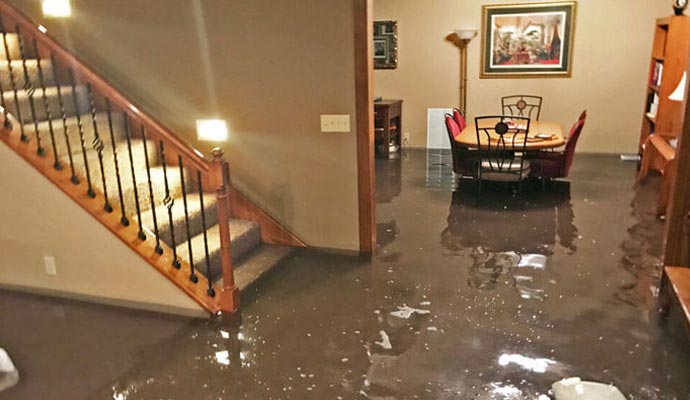
- Prevents Water Damage: By blocking water at the entry point, these shields help avoid costly repairs to flooring, walls, and personal belongings.
- Quick Deployment: Most shields can be installed in minutes, providing rapid protection when a flood warning is issued.
- Reusable and Durable: High-quality barriers are designed for repeated use and can last for years with proper care.
- Peace of Mind: Knowing your home is equipped with an extra layer of defense can reduce stress during severe weather events.
- Insurance Benefits: Some insurers may offer discounts or incentives for homes with certified flood protection measures.
How to Choose the Right Flood Barrier for Your Home
Selecting the most suitable shield for your doors involves considering several factors:
- Door Type and Size: Measure your doors carefully to ensure a proper fit. Custom options are available for non-standard sizes.
- Flood Risk Level: Assess how often your area experiences flooding and the typical water depth. This will influence the height and strength of the barrier you need.
- Installation Preferences: Decide whether you want a permanent system or a removable one based on convenience and aesthetic considerations.
- Material Quality: Look for corrosion-resistant materials and robust construction for long-term reliability.
- Budget: Prices vary widely, so balance cost with the level of protection required.
For additional tips on keeping your home safe from water intrusion, our residential flood prevention article explores proven strategies that complement the use of door shields.
Installation and Maintenance Tips
Proper installation is crucial for the effectiveness of any door flood barrier. Most products come with detailed instructions, but here are some general tips:
- Read the Manufacturer’s Guide: Always follow the specific installation steps provided by the manufacturer to ensure a watertight seal.
- Test Regularly: Periodically install the shield to check for fit and function, especially before the rainy season.
- Inspect Seals and Gaskets: Look for signs of wear or damage and replace components as needed.
- Store Properly: If using a removable model, keep it in an accessible location and protect it from extreme temperatures or direct sunlight.
Combining physical barriers with smart technology, such as water leak detectors, can further enhance your flood preparedness. For a comprehensive overview of how to prepare your home for potential flooding, consider reading this home flood preparedness resource.
Integrating Flood Shields with Other Home Protection Strategies
While door shields are highly effective, they work best as part of a broader flood mitigation plan. Additional steps include:
- Landscaping Adjustments: Direct water away from your home’s foundation using grading, French drains, or rain gardens.
- Gutter and Downspout Maintenance: Keep gutters clear and ensure downspouts direct water far from the building.
- Basement Waterproofing: Seal cracks and install sump pumps to prevent water accumulation below ground level.
- Routine Inspections: Schedule regular spring home inspection for leaks to catch vulnerabilities early.
By combining these measures with reliable door barriers, you can create a multi-layered defense against flooding.
Frequently Asked Questions
How do I know if my home needs a flood shield for the door?
If your property is located in a flood-prone area, has a history of water intrusion, or features entryways below street level, installing a barrier is a wise precaution. Even homes outside high-risk zones can benefit, as flash flooding can occur unexpectedly.
Can I install a flood shield myself, or do I need a professional?
Many shields are designed for DIY installation and come with clear instructions. However, for custom or permanent systems, professional installation may ensure the best fit and performance.
Are flood shields reusable, and how long do they last?
Most high-quality barriers are reusable and can last several years with proper care. Regular inspection and maintenance will help extend their lifespan.
Will installing a door shield affect my home’s appearance?
Removable models have no impact on your home’s look when not in use. Permanent or semi-permanent systems are designed to be as unobtrusive as possible, but it’s important to choose a style that matches your preferences.
What other steps should I take to prevent flooding?
In addition to installing barriers, maintain your gutters, inspect your foundation, and consider smart devices like leak detectors. For more detailed advice, our step-by-step guide to preventing home flooding provides practical tips.




