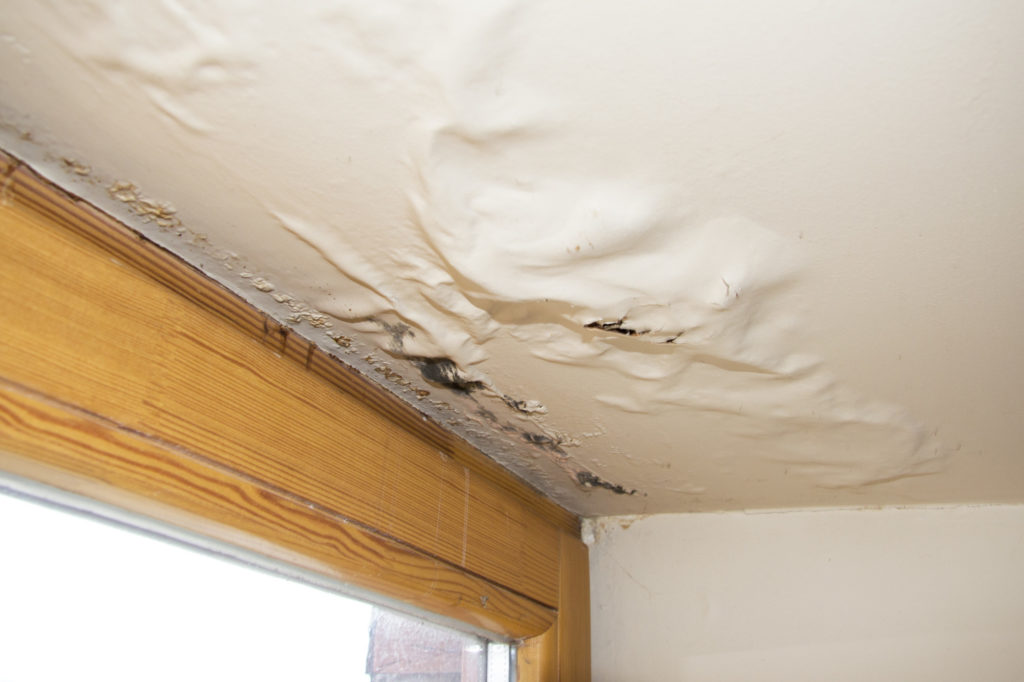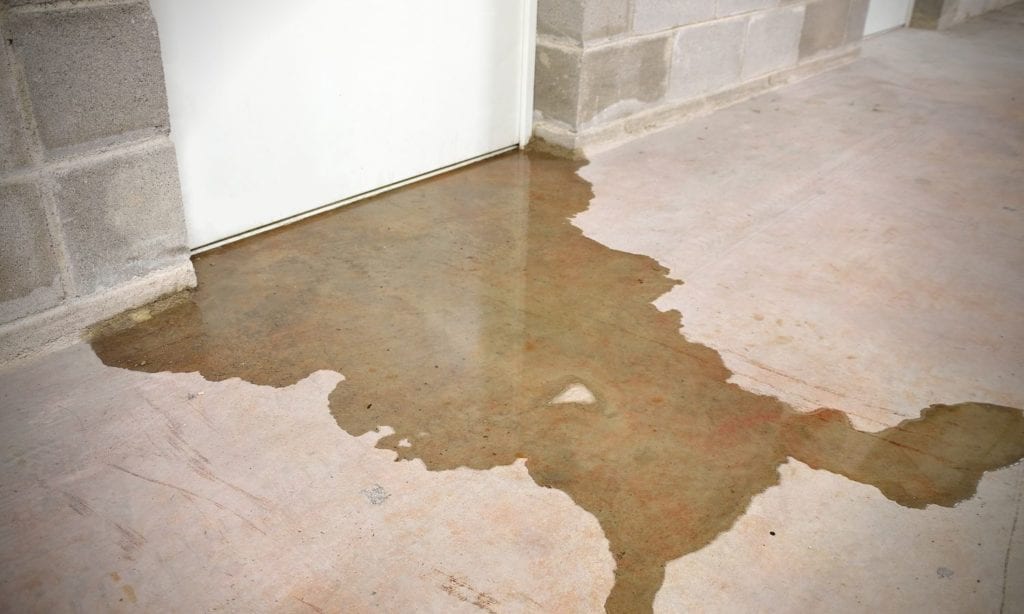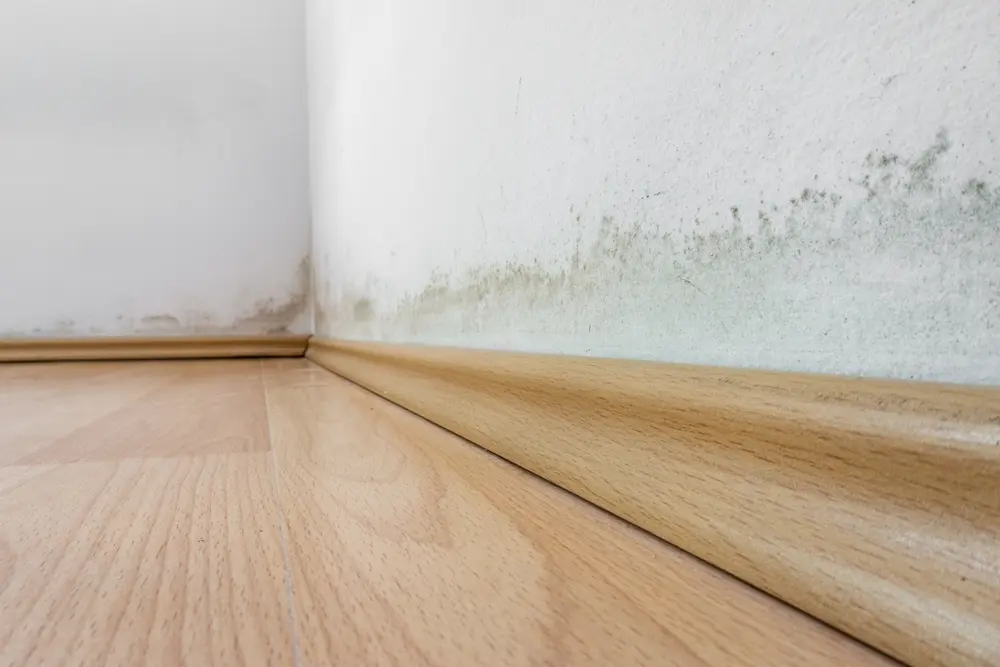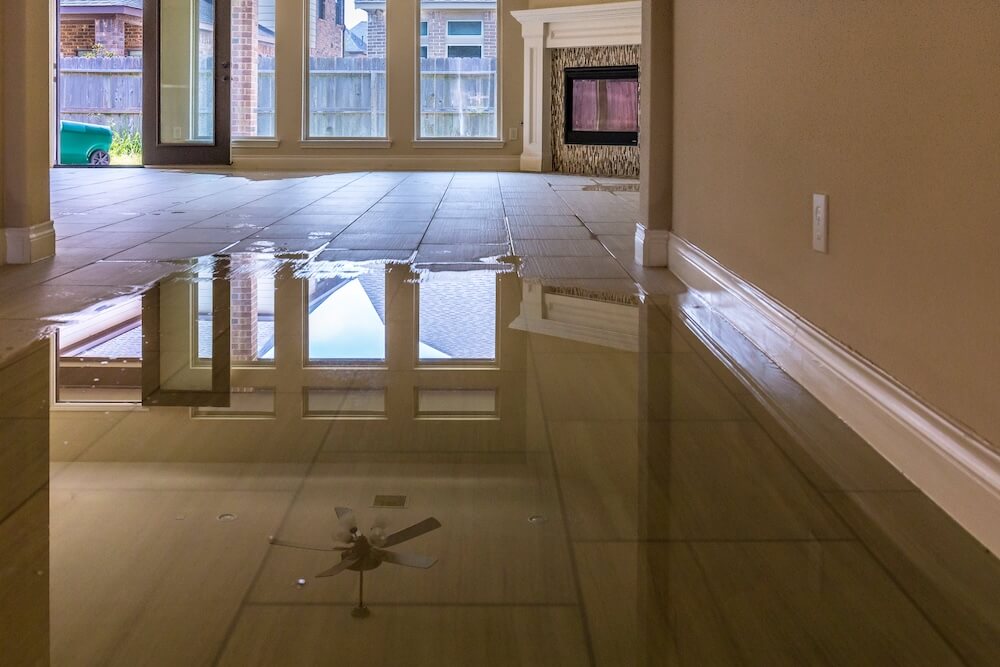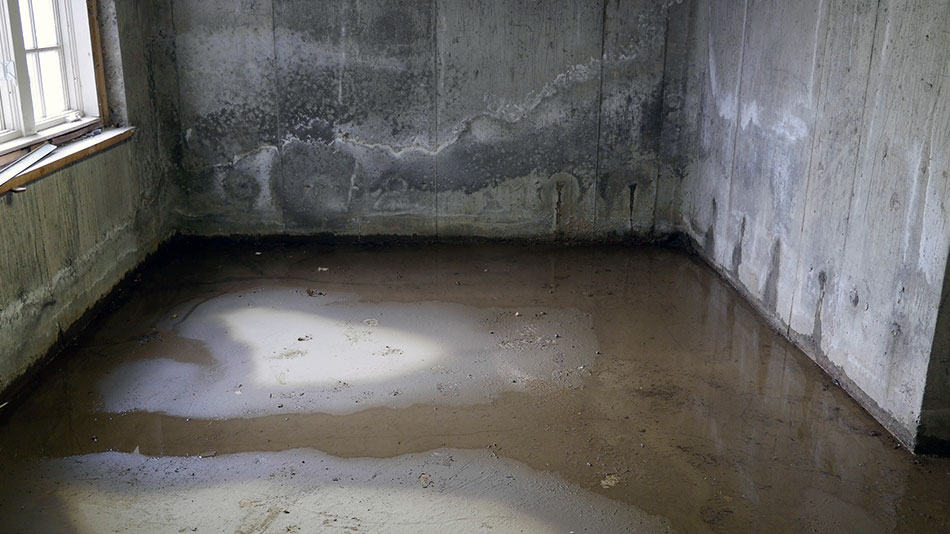
Flooding can cause significant disruption and costly repairs for homeowners. Whether you live in a flood-prone area or just want to be prepared for unexpected weather, understanding how to protect your property is essential. This guide offers practical flood damage prevention tips to help minimize risks, safeguard your belongings, and ensure your home is ready for heavy rain or rising water.
Taking proactive steps can make a substantial difference in reducing the impact of water intrusion. From simple maintenance tasks to investing in specialized equipment, there are effective solutions for every budget and home type. Early action is key to preventing costly damage and maintaining peace of mind.
For homeowners interested in advanced solutions, installing smart water shutoff valves can provide an extra layer of protection by automatically stopping water flow during leaks or pipe bursts. This technology is especially valuable for those seeking to prevent water-related emergencies before they escalate.
Understanding Your Flood Risk
The first step in effective water damage prevention is knowing your property’s risk level. Check local flood maps and consult your municipality to determine if your area is susceptible to flooding. Even homes outside designated flood zones can experience water intrusion due to heavy rainfall, blocked drains, or plumbing failures.
- Review your insurance policy to ensure flood coverage is included.
- Inspect your property for low-lying areas where water may collect.
- Identify potential entry points for water, such as doors, windows, and basement vents.
Exterior Maintenance for Water Protection
Regular upkeep of your home’s exterior is crucial for keeping water at bay. Start by clearing gutters and downspouts of debris to ensure proper drainage. Direct downspouts at least six feet away from your foundation to prevent pooling near your home.
- Grade your yard so water flows away from your house.
- Seal cracks in your foundation and exterior walls.
- Install window well covers to block rainwater from entering basements.
- Consider flood shields for doors to provide a physical barrier against rising water.
Basement and Interior Flood Prevention Strategies
Basements are particularly vulnerable to water intrusion. To reduce the risk of flooding inside your home, inspect sump pumps regularly and test them before heavy rains. Installing a battery backup for your sump pump ensures it works even during power outages.
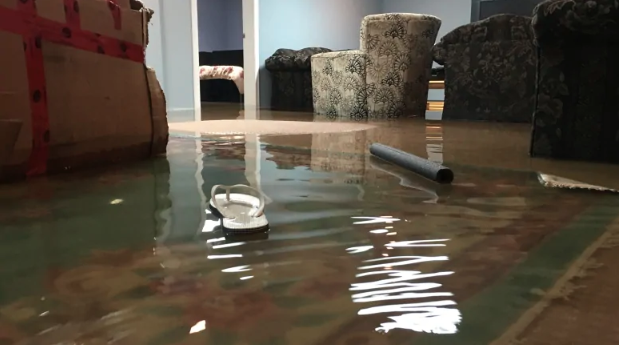
Elevate appliances and valuable items off the basement floor to minimize damage if water enters. Use shelving or place items in waterproof containers. For added security, explore temporary flood protection systems that can be deployed quickly during severe weather.
Plumbing and Leak Prevention Measures
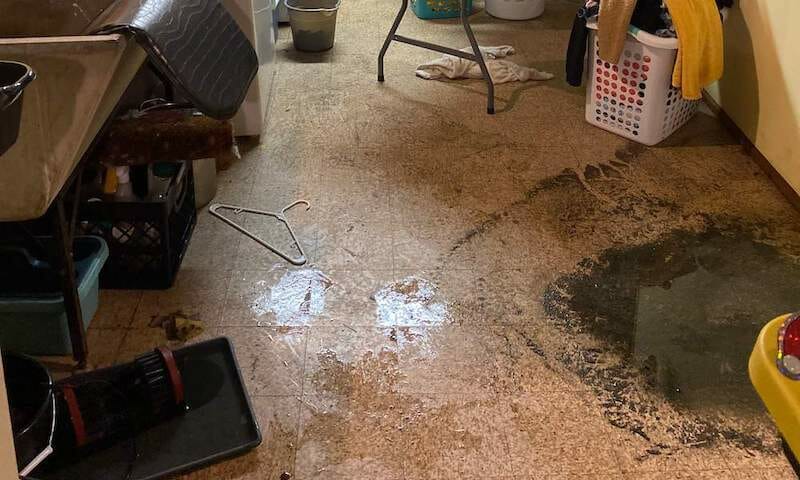
Internal leaks are a common cause of water damage. Regularly inspect pipes, water heaters, and appliances for signs of wear or corrosion. Replace old hoses and fix any drips promptly. Installing water leak detectors can provide early warning and help you address issues before they escalate.
- Insulate pipes to prevent freezing and bursting in cold weather.
- Know where your main water shutoff valve is located and ensure it is accessible.
- For more guidance, review burst pipe flood prevention tips and tricks.
Structural Upgrades for Long-Term Protection
Investing in structural improvements can offer lasting defense against flooding. Installing flood vents in crawl spaces and garages allows water to flow through without causing structural damage. These vents help equalize pressure and reduce the risk of foundation cracks.
For a step-by-step approach, see the flood vents installation guide for homeowners. Additionally, sealing basement walls with waterproof coatings and upgrading to water-resistant flooring can further reduce vulnerability.
Technology and Smart Solutions for Flood Prevention
Modern technology offers homeowners new ways to monitor and prevent water damage. Smart leak detectors and shutoff valves can alert you to leaks instantly, even when you’re away. Some systems can automatically turn off your water supply, preventing major incidents.
For more advanced protection, consider integrating smart home devices with your security system. These solutions can provide real-time alerts and remote control, giving you peace of mind and rapid response capabilities.
Emergency Preparedness and Response
Even with the best prevention measures, it’s important to be prepared for emergencies. Keep an emergency kit with essentials like flashlights, batteries, and first aid supplies. Store important documents in waterproof containers and create a family evacuation plan.
- Monitor weather alerts and act quickly if flooding is forecasted.
- Move valuables and electronics to higher ground during storms.
- After a flood, document damage with photos for insurance claims.
Additional Resources and Professional Help
If you’re unsure about your home’s vulnerabilities, consult a professional for a thorough inspection. Contractors can identify weak points and recommend tailored solutions. For more ideas, review these expert ways to flood-proof your house for comprehensive strategies and upgrades.
Frequently Asked Questions
What are the most effective ways to prevent water damage in basements?
The most effective methods include installing and maintaining a sump pump with a battery backup, sealing foundation cracks, using window well covers, and elevating valuables. Regularly inspecting your basement for leaks and using water leak detectors can also help catch problems early.
How can I protect my home from flooding if I live in a high-risk area?
In high-risk areas, combine exterior maintenance with structural upgrades like flood vents and shields for doors. Temporary barriers and smart water shutoff valves provide added security. Always keep an emergency plan and monitor weather alerts for timely action.
Are smart devices worth the investment for flood prevention?
Yes, smart leak detectors and shutoff valves can provide immediate alerts and automatic responses to leaks, significantly reducing potential damage. They are especially valuable for homeowners who travel frequently or want peace of mind when away from home.