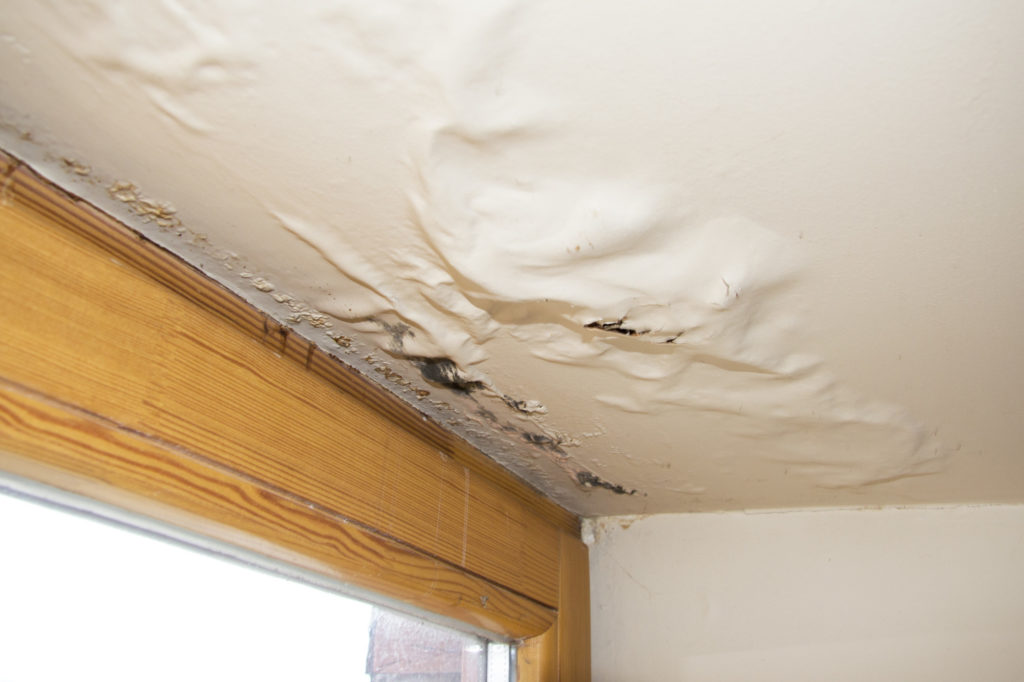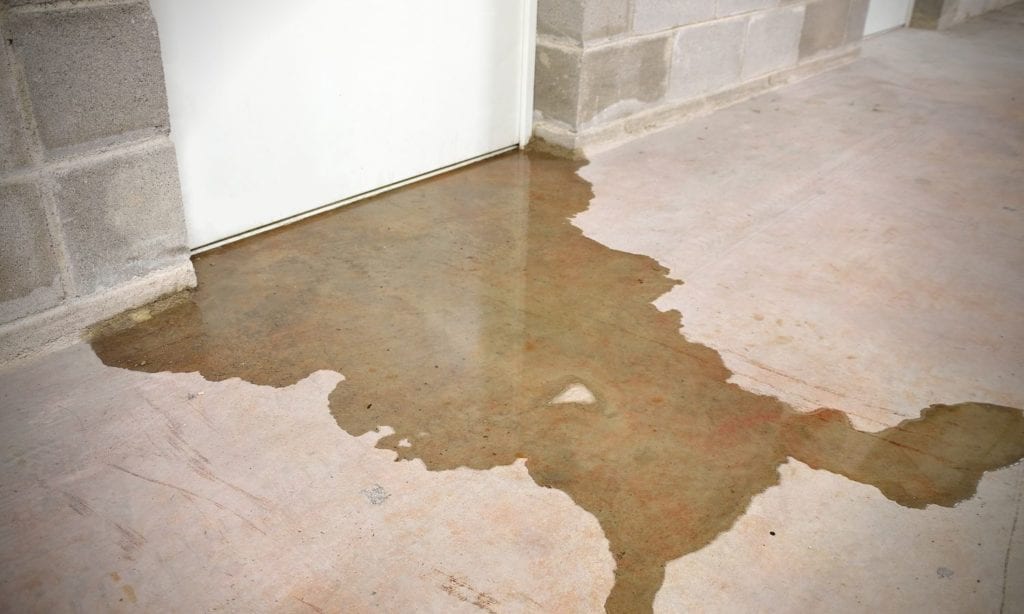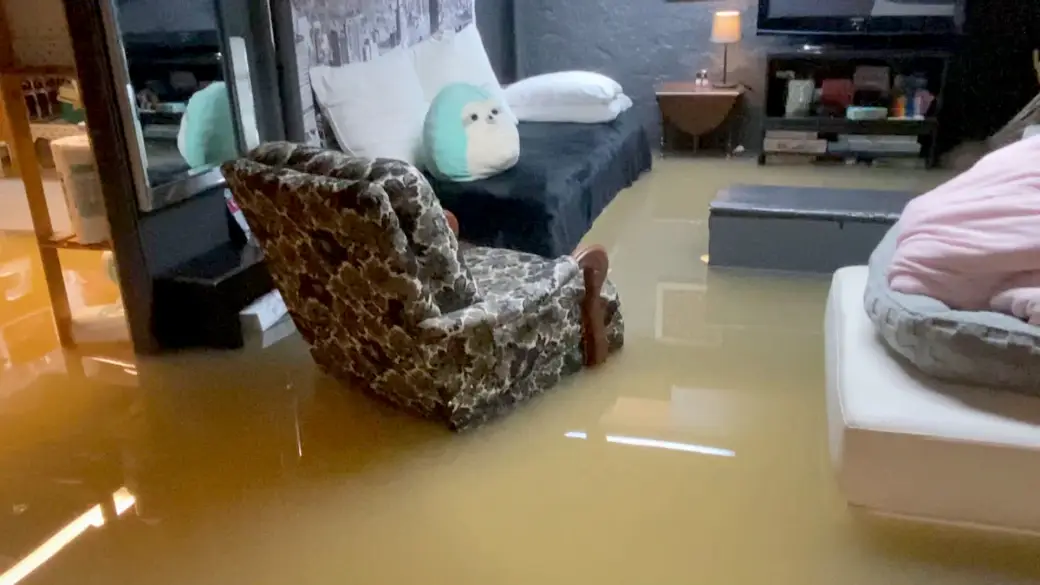
Dealing with a flooded basement is a stressful experience for any homeowner. Sewer backups can cause extensive property damage, create health hazards, and lead to costly repairs. Fortunately, there are effective ways to prevent and manage these incidents. This article explores proven basement sewer backup solutions that help protect your home, minimize risk, and ensure peace of mind.
Whether you live in an area prone to heavy rainfall or simply want to safeguard your property, understanding the causes and available remedies for sewer backups is essential. We’ll cover both preventative strategies and emergency response tips, so you can be prepared for whatever comes your way.
For those seeking additional ways to keep water out, consider integrating flood shields for doors as part of your comprehensive flood protection plan. These barriers can be a valuable addition to your overall strategy.
Understanding Why Sewer Backups Happen
Before diving into solutions, it’s important to understand what causes sewer backups in basements. The most common reasons include:
- Heavy rainfall or rapid snowmelt that overwhelms municipal sewer systems
- Clogged or damaged sewer lines due to tree roots, debris, or aging pipes
- Blockages in household plumbing from improper disposal of grease, wipes, or other materials
- Backflow from the main sewer line during storms or system overloads
Recognizing these risks is the first step in choosing the right solutions for basement sewer backup.
Effective Prevention Strategies for Basement Sewer Backups
Preventing a backup is always easier and less expensive than cleaning up after one. Here are several proven methods to reduce your risk:
Install a Backwater Valve
A backwater valve is a mechanical device installed on your main sewer line. It allows wastewater to flow out of your home, but automatically closes if sewage tries to flow back in. This is one of the most reliable basement sewer backup solutions for homes in flood-prone areas.
Maintain Your Sewer Lines
Regular inspection and cleaning of your sewer lines can prevent blockages caused by tree roots, grease, or debris. Professional plumbers can use cameras to identify issues before they become emergencies.
Use Sump Pumps and Floor Drains
Sump pumps help remove excess water from your basement before it causes damage. Make sure your floor drains are clear and functioning, and consider adding a battery backup to your sump pump for power outages.
Upgrade to Smart Water Shutoff Systems
Modern technology offers advanced protection. Smart water shutoff valves can detect leaks and automatically stop water flow, helping to prevent flooding from burst pipes or plumbing failures.

Emergency Response: What to Do When a Backup Occurs
Even with the best precautions, emergencies can still happen. If you notice water or sewage backing up into your basement, act quickly to minimize damage:
- Stop using water in your home immediately to prevent further flow into the system.
- Turn off electricity in affected areas to avoid electrical hazards.
- Contact a licensed plumber to assess and address the cause of the backup.
- Remove standing water and begin drying the area as soon as possible to prevent mold growth.
- Document damage for insurance claims with photos and detailed notes.
Quick action can significantly reduce the long-term impact of a sewer backup.
Additional Protective Measures for Your Basement
Beyond plumbing upgrades, there are other ways to strengthen your home’s defenses:
- Consider temporary flood protection systems for added security during storms.
- Install flood vents to allow water to flow through foundation walls, reducing pressure and structural risk.
- Seal cracks in foundation walls and floors to prevent seepage.
- Store valuables and important documents in waterproof containers or on upper floors.
- Use water leak detectors for early warning of moisture or flooding.

Designing a Flood-Resistant Home
If you are planning renovations or building a new home, incorporating flood-resistant features can make a significant difference. Materials and layouts that withstand water exposure, such as waterproof wall panels, raised electrical outlets, and proper drainage, are essential. For more ideas on resilient construction, see this guide to flood-resistant home design.
Maintenance Tips for Long-Term Protection
Consistent upkeep is key to keeping your basement dry and safe. Here are some maintenance tips to support your basement sewer backup prevention efforts:
- Inspect and clean gutters and downspouts regularly to direct water away from your foundation.
- Test sump pumps and backwater valves at least once a year.
- Dispose of grease, wipes, and hygiene products properly—never flush them down the drain.
- Trim trees and shrubs near sewer lines to prevent root intrusion.
- Review your insurance policy to ensure you have adequate coverage for sewer backups and flooding.
Staying proactive with these steps will help you avoid unpleasant surprises and costly repairs.
FAQ: Common Questions About Preventing Basement Sewer Backups
What is the most effective way to prevent sewer backups in basements?
Installing a backwater valve is widely considered one of the most effective methods. Regular maintenance of your plumbing system and using water leak detectors for early warning also provide strong protection.
How often should I have my sewer lines inspected?
It’s recommended to have a professional inspection every 1–2 years, especially if your home is older or you have experienced backups in the past. Early detection of blockages or damage can prevent emergencies.
Are there affordable solutions for homes on a budget?
Yes, simple steps like keeping drains clear, using sump pumps, and installing inexpensive water leak detectors can make a big difference. Even basic maintenance and proper disposal habits help reduce your risk.
Conclusion
Protecting your basement from sewer backups requires a combination of smart upgrades, regular maintenance, and quick response when problems arise. By implementing these basement sewer backup solutions and staying vigilant, you can safeguard your home, health, and finances from the costly effects of flooding and water damage.