
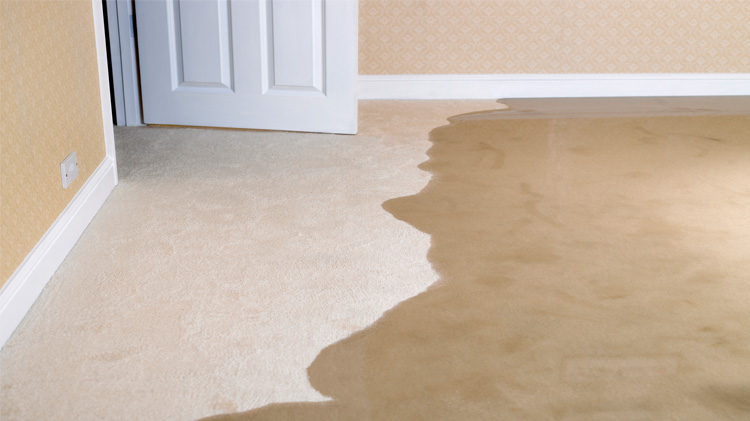
Flooding can happen with little warning, and the damage it causes to personal belongings is often devastating. Whether you live in a flood-prone area or simply want to be prepared, understanding how to safeguard your possessions is essential. This guide offers practical advice for protecting valuables from floods, helping you minimize loss and stress when water threatens your home.
Taking proactive steps now can make a significant difference if disaster strikes. From choosing the right storage solutions to leveraging technology and insurance, there are several strategies to keep your most important items safe. For additional advice on keeping your home and family secure, see these flood safety tips for families.
Why Flood Protection for Valuables Matters
Water damage can destroy irreplaceable items such as family photos, important documents, electronics, and sentimental keepsakes. Even a few inches of water can ruin furniture, artwork, and collectibles. Insurance may help with some losses, but many items hold personal value that money cannot replace. By taking steps to shield your belongings, you reduce the risk of permanent loss and the emotional toll that follows.
Assessing Your Flood Risk and Identifying Vulnerable Items
Start by evaluating your home’s flood risk. Consider your location, the history of local flooding, and the layout of your property. Basements, ground floors, and garages are especially vulnerable. Make a list of valuables that would be most affected by water, such as:
- Legal documents (passports, deeds, insurance papers)
- Family photos and albums
- Electronics (laptops, tablets, hard drives)
- Jewelry and small valuables
- Collectibles or artwork
Once you have identified at-risk items, you can prioritize your protection efforts.
Effective Storage Solutions for Flood-Prone Areas
The best way to keep valuables safe is to store them above potential flood levels. Use shelves, cabinets, or storage units that are elevated off the ground. For items that must remain in lower levels, consider the following:
- Waterproof containers: Store documents, photos, and small electronics in sealed, waterproof bins or bags.
- Fire- and water-resistant safes: Invest in a safe designed to withstand both fire and water damage for your most critical items.
- Plastic totes: Use heavy-duty plastic storage bins with tight-fitting lids for seasonal items or bulkier possessions.
For more advice on keeping your plumbing systems in top shape and reducing flood risks, check out these plumbing maintenance tips for homeowners.
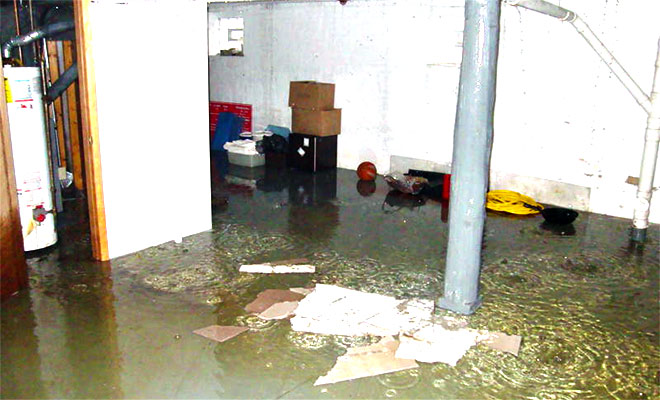
Smart Technology for Early Flood Detection
Modern technology can provide early warnings and help prevent extensive damage. Installing water leak detectors in basements, laundry rooms, and near appliances can alert you to leaks or rising water before it becomes a disaster. These devices are affordable, easy to install, and can be connected to your smartphone for instant alerts.
In addition to detectors, consider using smart sump pumps or water shutoff valves for added protection. These systems can help automatically remove water or stop the flow in case of a burst pipe or appliance failure. For more on preventing water-related issues, see these dishwasher leak prevention strategies.
Insurance and Documentation: Preparing for the Unexpected
Even with the best precautions, some situations are unavoidable. Make sure your insurance policy covers flood damage, as standard homeowners insurance often does not. Take photos or videos of your valuables and keep a detailed inventory, including serial numbers and receipts where possible. Store digital copies of these records in the cloud or on a secure external drive.
For comprehensive guidance on limiting water-related destruction, explore these tips for minimizing flood damage at home.
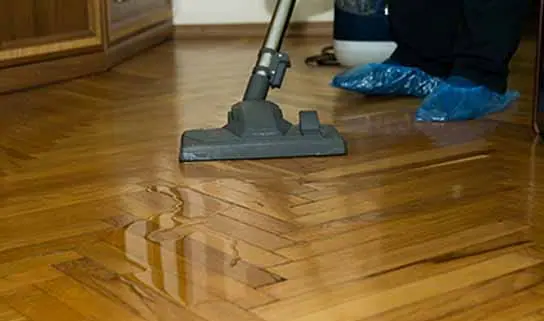
Additional Steps for Safeguarding Your Belongings
Besides storage and technology, there are several other ways to reduce the risk of loss:
- Relocate valuables: Move irreplaceable items to upper floors or out of the home during flood warnings.
- Seal entry points: Use sandbags, barriers, or flood gates to block water from entering doors, windows, and garages.
- Maintain drainage: Keep gutters, downspouts, and drains clear to direct water away from your foundation.
- Regular inspections: Check for leaks, cracks, or signs of moisture in basements and crawl spaces.
For more in-depth information on home protection, you can read this guide on how to protect your home from flooding.
What to Do After a Flood: Recovery and Restoration
If your home is affected by flooding, act quickly to minimize further damage. Remove wet items and begin drying them as soon as it is safe. Clean and disinfect salvageable belongings to prevent mold growth. Contact your insurance provider promptly and document all losses with photos and written descriptions.
Some items, such as electronics or photographs, may require professional restoration. Don’t discard anything until your insurance adjuster has assessed the damage.
FAQ: Common Questions About Flood Protection for Valuables
What are the best containers for keeping documents safe from water?
Use waterproof and fire-resistant safes or lockboxes for critical documents. Heavy-duty plastic bins with tight lids can also help, but for maximum protection, choose containers specifically rated for water resistance.
How can I protect electronics from flood damage?
Store electronics on high shelves or upper floors when possible. Use waterproof bags or cases for smaller devices, and unplug them during storms to prevent electrical damage.
Is flood insurance necessary if I don’t live in a high-risk area?
Flooding can occur almost anywhere, not just in designated flood zones. Flood insurance provides peace of mind and financial protection for your belongings, even if your risk appears low.
Can technology help prevent flood damage to valuables?
Yes, smart water leak detectors and sump pumps can provide early warnings and help you act before water causes significant harm. These devices are a worthwhile investment for any homeowner concerned about water damage.
Conclusion: Taking Action to Safeguard Your Possessions
Being prepared is the most effective way to reduce the impact of flooding on your treasured belongings. By combining smart storage, technology, and regular maintenance, you can significantly lower your risk of loss. Remember to review your insurance coverage, keep detailed records, and stay informed about local flood risks. With these steps, you’ll be ready to protect what matters most, no matter what the weather brings.




