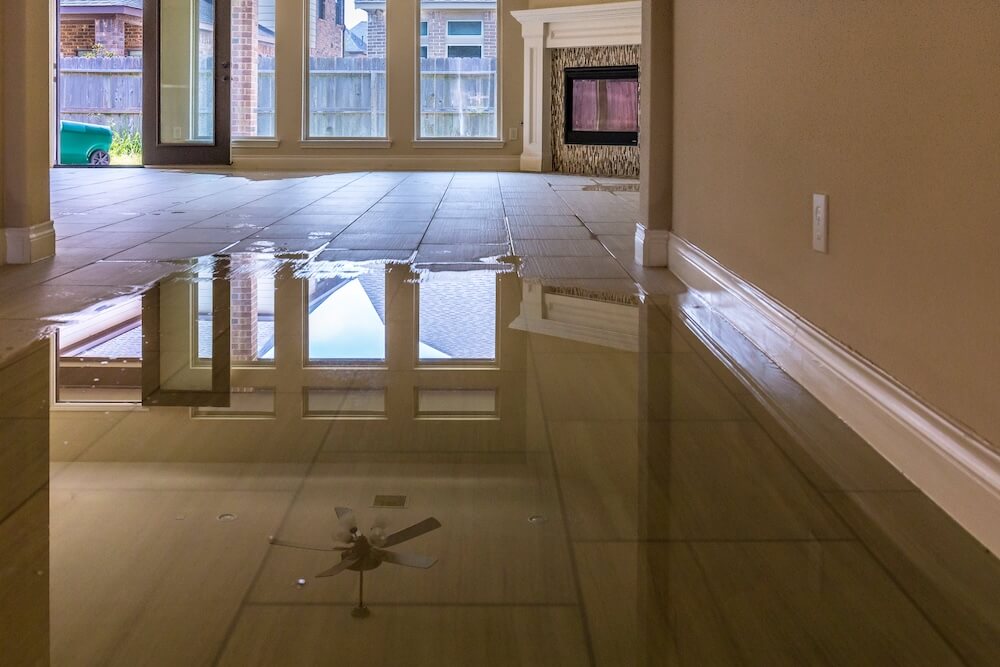
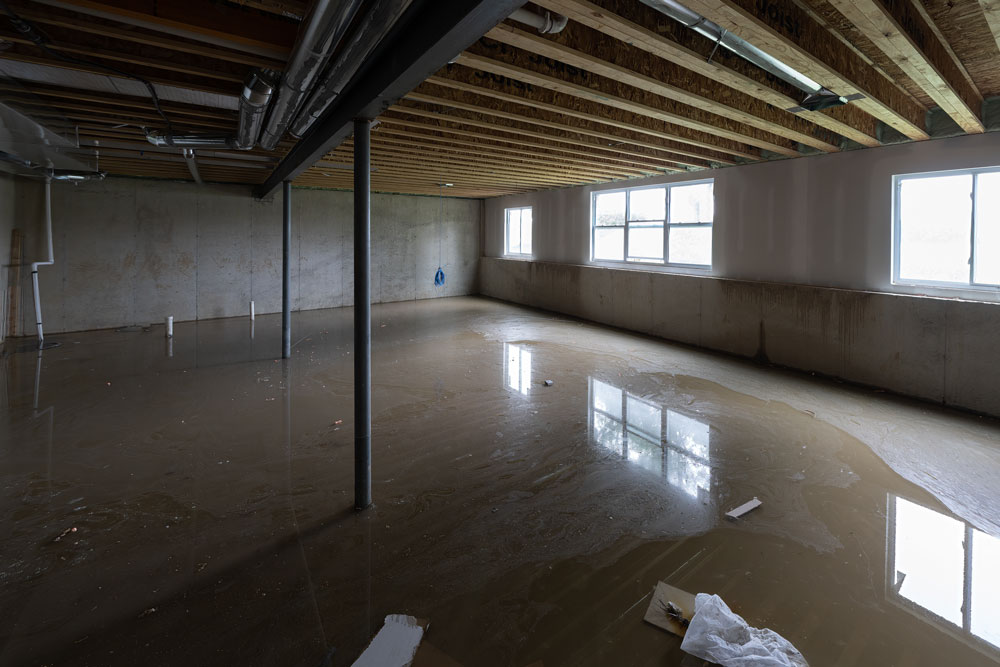
Recovering from a home flood is a challenging process that requires careful planning and attention to safety. Water damage can lead to a range of hazards, from structural issues to health risks caused by mold and contaminated water. Following the right flood cleanup safety tips is essential for protecting yourself, your family, and your property during the recovery phase.
Before starting any cleanup, it’s important to understand the potential dangers and take steps to minimize further damage. If you’re looking for more detailed recovery steps, you can refer to what to do after home flooding for a comprehensive overview of the initial actions to take.
Understanding Hazards After a Flood
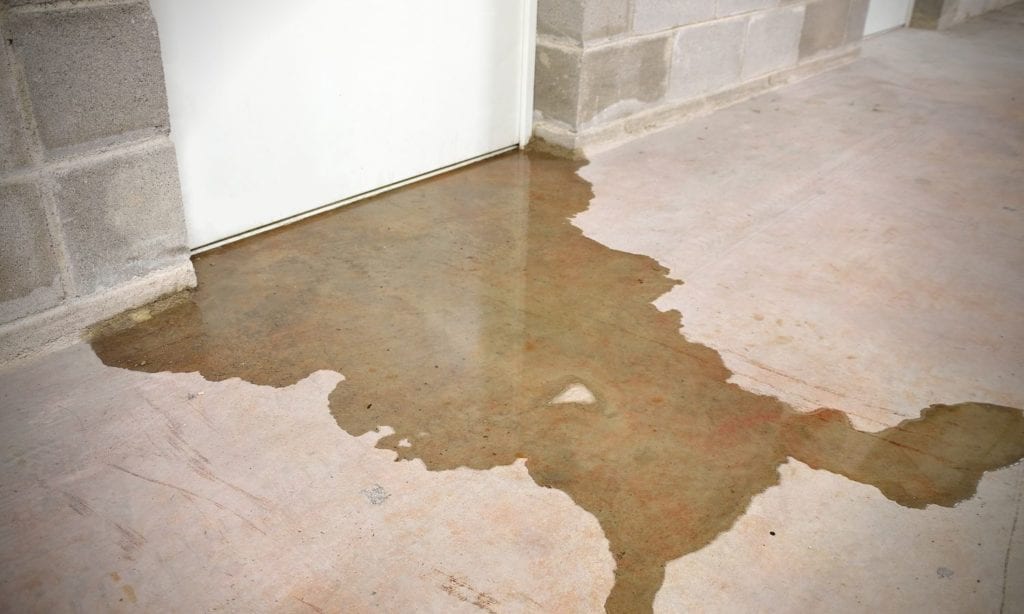
Floodwaters can introduce a variety of hazards into your living space. These include electrical dangers, contaminated water, and weakened structural elements. Before entering your home, ensure that the electricity and gas supply have been safely shut off. If you are unsure about the safety of your utilities, consult a professional before proceeding.
Floodwater often contains sewage, chemicals, and debris. Direct contact can lead to infections or other health issues. Always wear protective clothing, including waterproof boots, gloves, and a mask, to reduce exposure to contaminants.
Essential Flood Cleanup Safety Precautions
Following best practices for safety is crucial during the cleanup process. Here are some key precautions to keep in mind:
- Turn Off Power: Never enter a flooded area until you are certain the power is off. Water and electricity are a deadly combination.
- Ventilate the Area: Open windows and doors to allow fresh air in and help dry out the space. This also reduces the risk of mold growth.
- Use Protective Gear: Wear rubber boots, gloves, goggles, and an N95 mask to protect against contaminants and airborne particles.
- Avoid Direct Contact: Do not touch floodwater with bare skin. Use tools or equipment to remove debris and water whenever possible.
- Dispose of Contaminated Items: Porous materials like carpets, mattresses, and upholstered furniture that have been soaked should be discarded, as they can harbor bacteria and mold.
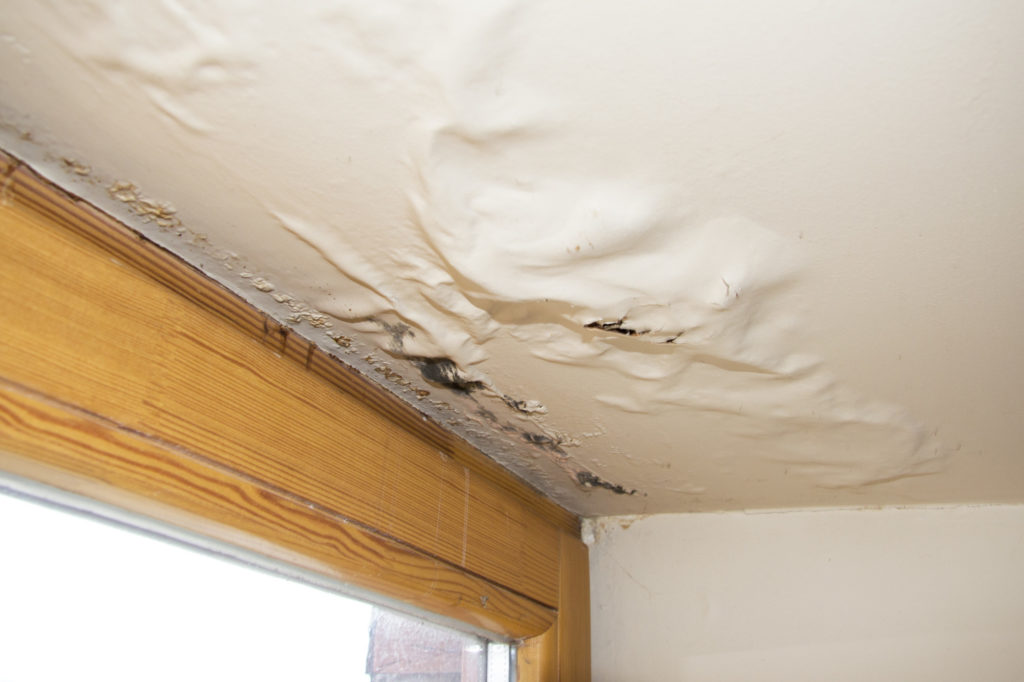
- Watch for Structural Damage: Flooding can weaken floors, walls, and ceilings. Be cautious and inspect for signs of collapse before entering any part of the home.
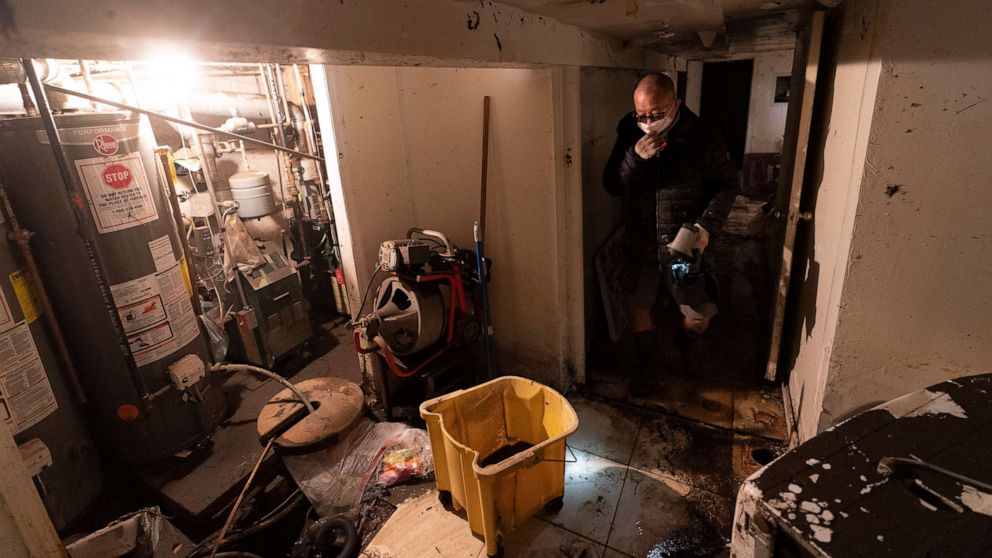
Personal Protection During Water Damage Cleanup
Protecting yourself is the top priority when dealing with flood restoration. In addition to the gear mentioned earlier, consider the following:
- Change Out of Wet Clothing: Wet clothes can harbor bacteria. Change into clean, dry clothing as soon as possible after working in affected areas.
- Wash Hands Frequently: Use soap and clean water or hand sanitizer after handling anything that has come into contact with floodwater.
- Avoid Eating or Drinking in the Cleanup Area: This prevents accidental ingestion of contaminants.
Dealing with Mold and Air Quality Issues
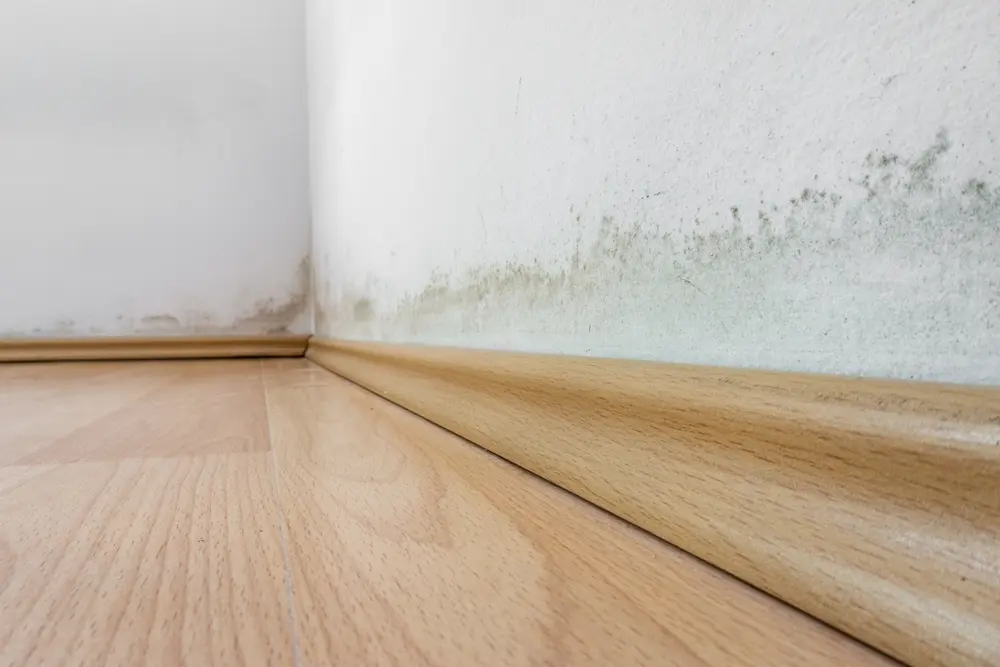
Mold can begin to develop within 24 to 48 hours after flooding. To limit its spread:
- Remove Standing Water Quickly: Use pumps, wet vacuums, or buckets to clear water as soon as it is safe.
- Dry Out the Space: Use fans, dehumidifiers, and open windows to speed up the drying process.
- Discard Moldy Items: Items that cannot be thoroughly cleaned and dried should be thrown away.
- Clean Hard Surfaces: Use a solution of water and detergent to scrub walls, floors, and other non-porous surfaces.
If mold covers a large area or you have health concerns, consider hiring a professional remediation service.
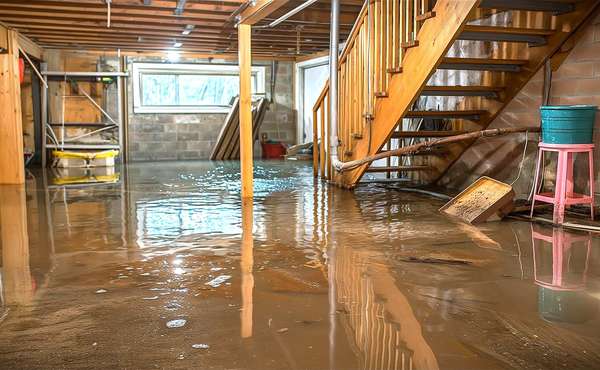
Preventing Future Flood Damage
Once your home is safe and dry, consider steps to reduce the risk of future flooding. Installing a water leak detector can alert you to leaks before they become severe. For more advice on safeguarding your belongings, see these tips for protecting valuables from floods.
Regular maintenance, such as cleaning gutters and inspecting your foundation, can also help prevent water intrusion. Understanding the common causes of house floods can help you take proactive measures.
Additional Resources for Homeowners
For a broader look at household flood safety, you may find these resources helpful:
- minimizing flood damage at home for effective strategies to reduce impact.
- flood safety tips for families to keep everyone safe during emergencies.
- flood emergency preparedness checklist to ensure you’re ready for future events.
FAQ: Home Flood Cleanup and Safety
What should I do first after a flood in my home?
Ensure your safety by turning off electricity and gas before entering. Document the damage for insurance, then begin removing standing water and drying out the area. For a step-by-step approach, see what to do after home flooding.
How can I protect myself from contaminants during cleanup?
Always wear waterproof boots, gloves, goggles, and a mask. Avoid direct contact with floodwater and wash your hands frequently. Discard items that cannot be thoroughly cleaned and dried.
When should I call a professional for flood cleanup?
If you notice extensive mold, structural damage, or if the cleanup feels overwhelming, it’s best to contact a professional restoration service. They have the equipment and expertise to handle severe situations safely.
How do I minimize damage from future floods?
Install water leak detectors, maintain gutters and drainage systems, and keep valuables in waterproof containers. For more guidance, review minimizing flood damage at home.