
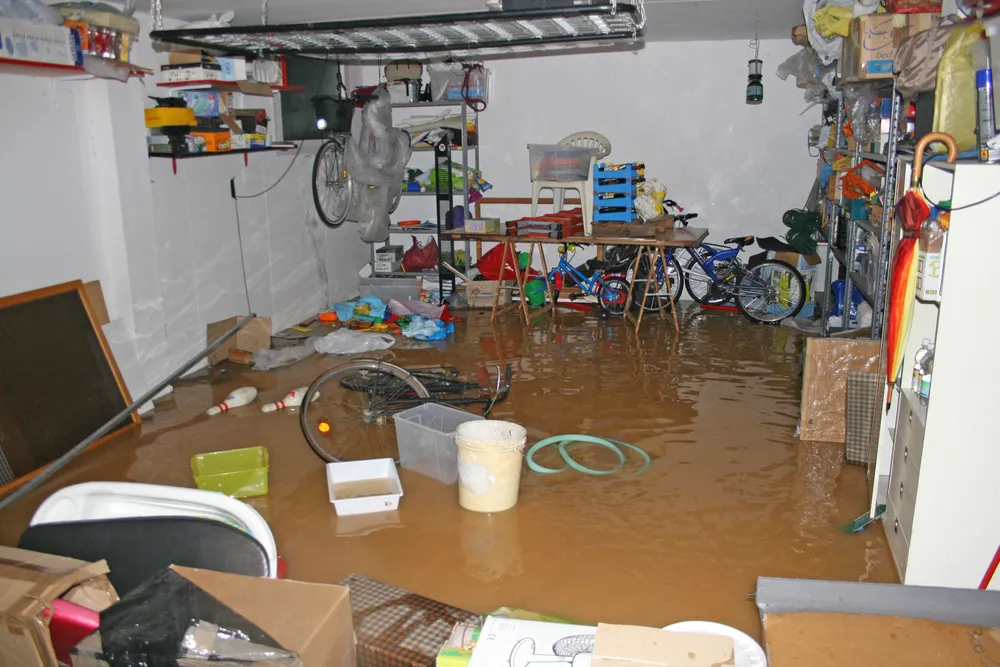
Flooding is a growing concern for homeowners in many regions, especially as unpredictable weather patterns and increased rainfall become more common. Fortunately, you don’t have to spend a fortune to protect your property from water damage. There are a variety of low-cost flood prevention tips that can make a significant difference in safeguarding your home. This article covers practical, budget-friendly solutions that are easy to implement and can help minimize the risk of costly repairs after a flood event.
If you’re interested in more hands-on approaches, you might also want to explore DIY flood prevention projects for homeowners, which offer step-by-step guides for additional protection.
Understanding the Basics of Affordable Flood Protection
Before diving into specific solutions, it’s important to understand why water intrusion happens and how simple changes can help. Flooding can be caused by heavy rain, rapid snowmelt, blocked drains, or even poor landscaping. While large-scale renovations can be expensive, many effective methods require only a modest investment of time and money.
Homeowners can often reduce risk by focusing on the most vulnerable areas of their property, such as basements, doors, and low-lying entry points. By targeting these spots with simple, cost-effective measures, you can greatly reduce the likelihood of water damage.
Practical Low-Cost Flood Prevention Tips for Every Home
There are several strategies you can use to protect your home from flooding without breaking the bank. Here are some of the most effective and affordable options:
- Clear Gutters and Downspouts Regularly: Remove leaves and debris to ensure water flows away from your foundation. Clogged gutters can cause water to pool near your house, increasing flood risk.
- Extend Downspouts: Use inexpensive extensions to direct water at least six feet away from your home. This simple fix can prevent water from seeping into your basement or crawl space.
- Seal Foundation Cracks: Inspect your foundation and basement walls for cracks. Use waterproof sealant or hydraulic cement to fill gaps and prevent water intrusion.
- Install Weatherstripping: Add weatherstripping to doors and windows, especially in basements or ground-level rooms. This helps keep water out during heavy rain.
- Landscape for Drainage: Slope soil away from your home’s foundation. Even a small adjustment can make a big difference in directing water away from vulnerable areas.
- Use Sandbags or Water-Activated Barriers: Keep a supply of sandbags or modern water-activated barriers on hand for quick deployment during storms.
- Install a Sump Pump (or Maintain Yours): While a sump pump is an investment, regular maintenance is low-cost and essential for keeping your basement dry.
- Check and Maintain Floor Drains: Make sure basement or garage floor drains are clear and functional.
Simple Upgrades for Enhanced Water Protection
For those willing to invest a little more, there are still budget-friendly upgrades that can provide extra peace of mind. These enhancements don’t require professional installation and can be completed in a weekend:
- Install Window Well Covers: Clear acrylic covers keep rainwater and debris out of basement window wells.
- Apply Waterproof Paint: Use waterproof masonry paint on basement walls to create an extra barrier against moisture.
- Add Backwater Valves: These prevent sewage from backing up into your home during heavy rain. Some municipalities offer rebates for installation.
- Use Water Leak Detectors: Place affordable sensors near water heaters, sump pumps, and in basements. These devices alert you to leaks before they become major problems.
For more information about how to protect newly constructed homes, see the guide on flood protection for new homes.
Routine Maintenance as a Key to Flood Prevention
Consistent upkeep is one of the most effective and affordable ways to avoid water damage. By making flood prevention part of your regular home maintenance routine, you can catch issues early and address them before they escalate.
- Inspect Your Roof: Look for missing shingles or damaged flashing that could allow water to enter your attic or walls.
- Test Sump Pumps Annually: Pour water into the sump pit to ensure the pump activates and drains properly.
- Monitor Humidity Levels: Use a hygrometer to keep basement humidity below 60%, reducing the risk of mold and mildew.
- Check Exterior Drains: Make sure all drains around your property are free of debris and functioning as intended.

Community and Urban Strategies for Flood Risk Reduction
While individual actions are crucial, working with neighbors and local authorities can further reduce flood risk. Community-wide efforts often amplify the benefits of personal prevention steps. For those living in cities or densely populated neighborhoods, learning about urban home flood challenges and solutions can help you adapt your approach.
- Keep Storm Drains Clear: Report blocked drains to your city or clear debris from nearby grates.
- Participate in Community Cleanups: Removing trash and leaves from public spaces helps prevent water backups.
- Advocate for Green Infrastructure: Support projects like rain gardens, permeable pavements, and tree planting in your neighborhood.
For a comprehensive overview of mitigation strategies, the flood mitigation guide for homeowners provides detailed advice on both individual and collective actions.
Understanding Flood Risks and Insurance
Even with the best prevention methods, it’s important to understand your property’s flood risk and ensure you have adequate insurance coverage. Many homeowners underestimate their vulnerability or believe common flood insurance myths. Take time to review your policy and ask your insurance agent about coverage for water damage, especially if you live in a flood-prone area.
For those experiencing more frequent storms, learning about increased rainfall flood risks can help you stay prepared and adjust your prevention strategies accordingly.
Frequently Asked Questions
What are the most effective low-cost ways to prevent flooding in a basement?
Some of the best affordable methods include keeping gutters and downspouts clear, sealing foundation cracks, using weatherstripping on doors and windows, and installing a sump pump or maintaining the one you have. Placing water leak detectors in vulnerable areas can also provide early warnings.
How often should I check my home for flood risks?
It’s wise to inspect your property at least twice a year, especially before the rainy season. Regular checks of gutters, downspouts, sump pumps, and basement walls can help catch problems early and keep your home protected.
Are sandbags effective for flood prevention, and are there alternatives?
Sandbags are a traditional and affordable way to block water from entering doors and low windows. However, modern water-activated barriers are lighter, easier to store, and can be just as effective for temporary protection.
Is flood insurance necessary if I follow all these prevention tips?
While prevention greatly reduces risk, insurance is still recommended. Even the best measures can’t guarantee complete protection, especially during severe weather events. Review your policy to ensure you’re covered for all types of water damage.
Can landscaping really make a difference in flood prevention?
Yes, proper landscaping—such as sloping soil away from your foundation and planting water-absorbing plants—can significantly reduce the risk of water pooling near your home and causing damage.




