
Water damage is a growing concern for homeowners, especially as extreme weather events and aging infrastructure increase the risk of flooding. Traditional methods of flood prevention, such as sump pumps and physical barriers, are important, but they often provide little warning before disaster strikes. Smart home flood alerts offer a proactive way to detect leaks and rising water early, helping you take action before costly damage occurs.
These intelligent systems use sensors and connected technology to monitor for water leaks, moisture, or flooding in vulnerable areas like basements, laundry rooms, and bathrooms. When an issue is detected, you receive instant notifications on your phone or smart device, enabling a rapid response. Integrating these alerts with other flood prevention strategies can significantly reduce your risk and give you peace of mind.

For those interested in a comprehensive approach to flood safety, combining technology with practical steps is key. You can learn more about low-cost flood prevention tips that work alongside smart monitoring solutions.
How Connected Flood Sensors Work
At the heart of modern smart home flood alerts are wireless sensors placed in areas prone to leaks or water accumulation. These compact devices continuously monitor for the presence of water or abnormal humidity. When water is detected, the sensor triggers an alert that is sent to your smartphone, tablet, or even directly to a home automation hub.
Many systems also offer integration with other smart devices, such as shutting off water valves automatically or activating alarms. This interconnected approach can help minimize the impact of leaks, whether from a burst pipe, faulty appliance, or heavy rainfall.
Key Benefits of Automated Flood Notifications
- Early Warning: Receive instant notifications before water damage escalates, allowing for quick intervention.
- Remote Monitoring: Check the status of your home from anywhere, ideal for frequent travelers or vacation homeowners.
- Integration: Pair with other smart home devices for automated responses, such as shutting off water supply or alerting emergency contacts.
- Peace of Mind: Reduce anxiety about unexpected leaks or flooding, especially during storms or when away from home.
- Insurance Benefits: Some insurers offer discounts or incentives for homes equipped with leak detection technology.
Choosing the Right Smart Flood Detection System
Not all systems are created equal. When selecting a solution for your home, consider the following factors:
- Sensor Placement: Choose sensors that can be easily installed in high-risk areas, such as basements, under sinks, near water heaters, and laundry rooms.
- Connectivity: Look for devices that support Wi-Fi, Zigbee, or Z-Wave for seamless integration with your existing smart home platform.
- Notification Options: Ensure the system offers real-time alerts via mobile app, SMS, or email.
- Power Source: Battery-powered sensors offer flexibility but require periodic maintenance. Wired options may be more reliable for critical areas.
- Expandability: Consider whether you can add more sensors or connect to other smart devices as your needs evolve.
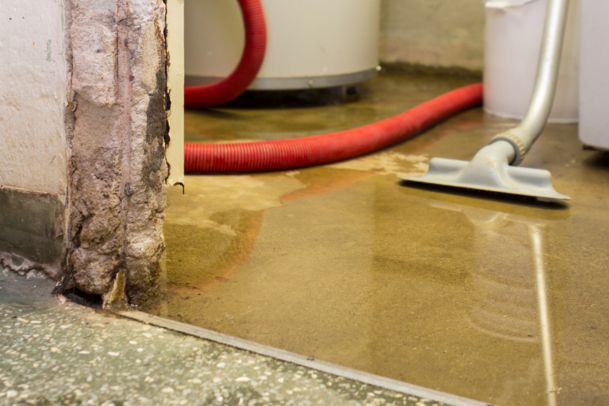
Integrating Flood Alerts with Broader Prevention Strategies
While smart home flood alerts provide valuable early warnings, they work best as part of a layered defense. Homeowners can combine technology with physical improvements and maintenance to further reduce risk. For example, installing permeable pavement can help manage runoff, while regular gutter cleaning and sump pump checks ensure water is directed away from your foundation.
For new builds or major renovations, exploring flood protection strategies for new homes can help you design with resilience in mind. Even DIY enthusiasts can benefit from DIY flood prevention projects that complement smart monitoring.
Common Causes of Residential Flooding
Understanding what leads to water damage can help you target your prevention efforts. The most frequent causes include:
- Heavy rainfall and storm runoff overwhelming drainage systems
- Burst or leaking pipes, often due to freezing temperatures or age
- Malfunctioning appliances such as washing machines or water heaters
- Foundation cracks or poor grading around the home
- Blocked gutters and downspouts causing water to pool near the foundation
By placing sensors in these high-risk locations, you can catch problems early and avoid costly repairs.

Tips for Maximizing the Effectiveness of Leak Detection
- Test sensors regularly to ensure they are working and connected to your network.
- Replace batteries as recommended by the manufacturer.
- Position sensors flat on the floor in the lowest point of the area for best results.
- Consider adding sensors to less obvious locations, such as attics or crawl spaces, if those areas are at risk.
- Review alert settings so you receive notifications in your preferred way, whether by app, text, or email.
Insurance and Financial Considerations
Many insurance companies recognize the value of early leak detection and may offer policy discounts or incentives for homes equipped with these systems. In the event of a claim, having a record of alerts and prompt action can also help demonstrate diligence and potentially speed up the claims process.
For more advice on protecting your property, see this comprehensive guide to flood protection from a leading insurer.
FAQ
Where should I install water leak sensors in my home?
Place sensors in areas most vulnerable to leaks or flooding, such as basements, under sinks, near water heaters, behind washing machines, and close to sump pumps. If you have a history of leaks in a particular spot, prioritize that location.
Can smart flood alerts be integrated with other home automation systems?
Yes, many modern leak detection devices support integration with popular smart home platforms. This allows you to automate responses, such as shutting off water valves or triggering alarms, for a more comprehensive approach to flood prevention.
Do these systems require professional installation?
Most wireless sensors are designed for easy DIY installation. Simply place the sensor in the desired location and connect it to your home Wi-Fi or smart hub. However, if you choose a system that includes automatic shutoff valves or hardwired components, professional installation may be recommended.
How do smart alerts compare to traditional flood prevention methods?
While traditional methods like sump pumps and barriers are essential, smart alerts provide the added benefit of early detection and remote monitoring. Combining both approaches offers the best protection against water damage.
Conclusion
Investing in smart home flood alerts is a practical step for any homeowner looking to minimize the risk of water damage. By combining early detection with proven prevention strategies, you can protect your property, save money on repairs, and enjoy greater peace of mind. For those living in areas with rising rainfall or flood risks, staying informed and prepared is more important than ever. Explore additional resources on increased rainfall flood risks to further safeguard your home.




