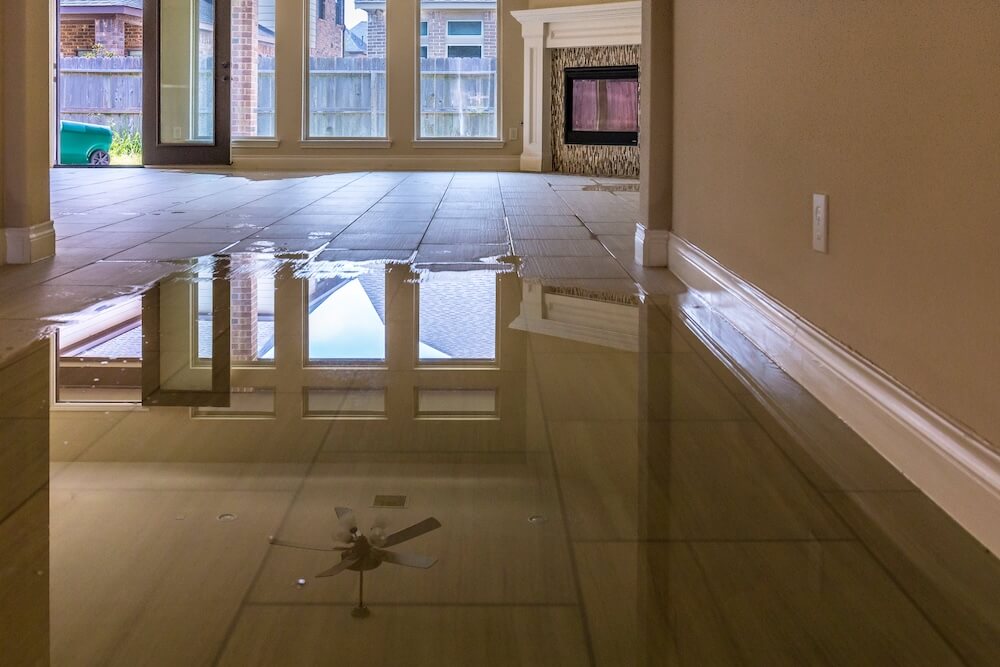
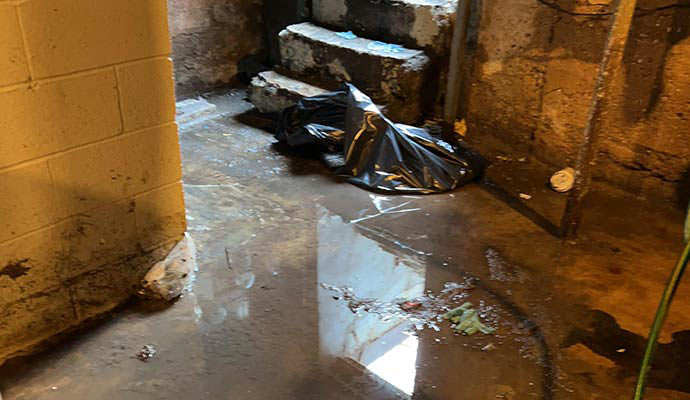
Keeping your basement dry is essential for protecting your home’s structure and ensuring a healthy indoor environment. Unchecked moisture can lead to mold, mildew, and even foundation damage. Homeowners often face the challenge of water intrusion, especially during heavy rains or rapid snowmelt. Fortunately, there are proven strategies for basement water seepage prevention that can make a significant difference.
This article explores practical solutions to keep your basement dry, from exterior drainage improvements to interior waterproofing systems. You’ll also find tips for early detection and maintenance, so you can address issues before they become costly problems. If you’re interested in related home care topics, you might also want to learn about how to sanitize a cast iron press for safe kitchen use.
Understanding the Causes of Basement Moisture
Before tackling basement water seepage prevention, it’s important to understand why water enters basements in the first place. The most common sources include:
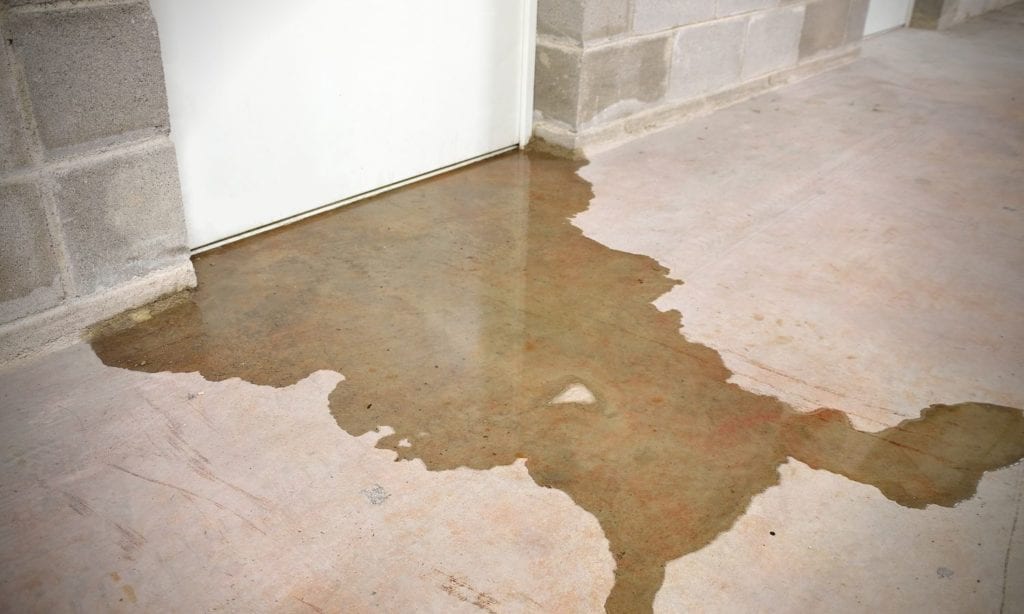
- Surface water from rain or melting snow pooling near the foundation
- Groundwater rising due to a high water table
- Plumbing leaks or broken pipes inside or near the basement
- Poor grading around the home, causing water to flow toward the foundation
- Cracks in walls or floors that allow moisture to seep through
Identifying the root cause is the first step in choosing the right solution for your home.
Exterior Solutions for Keeping Basements Dry
Many effective water seepage prevention strategies start outside your home. By managing water before it reaches your foundation, you can greatly reduce the risk of basement leaks.
Improve Grading and Landscaping
Ensure that the soil around your home slopes away from the foundation. A minimum slope of six inches over the first ten feet is recommended. This simple landscaping adjustment helps direct rainwater away, minimizing the chance of pooling and infiltration.
Maintain Gutters and Downspouts
Clean gutters regularly and make sure downspouts extend at least five feet away from your house. This prevents water from collecting near the basement walls. Consider installing gutter extensions or splash blocks for added protection.
Install Exterior Drainage Systems
French drains and curtain drains are popular options for diverting groundwater away from your foundation. These systems use perforated pipes buried in gravel trenches to channel water safely away.
For more detailed preparation tips, consult resources like flood prevention and preparation guides to help safeguard your property before severe weather hits.
Interior Waterproofing and Seepage Control
Even with excellent exterior defenses, some homes still experience moisture issues. Interior solutions can provide an extra layer of basement water seepage prevention.
Seal Cracks and Joints
Use hydraulic cement or specialized sealants to fill any visible cracks in basement walls or floors. Pay special attention to joints where the floor meets the wall, as these are common entry points for water.
Apply Waterproof Coatings
Waterproof paints and coatings can be applied directly to interior masonry surfaces. These products create a moisture barrier that resists seepage, though they are most effective when used in combination with other methods.
Install an Interior Drainage System
Interior perimeter drains, also known as weeping tile or drain tile systems, collect water that enters the basement and channel it to a sump pump. The pump then removes the water from your home, keeping the basement dry even during heavy rainfall.
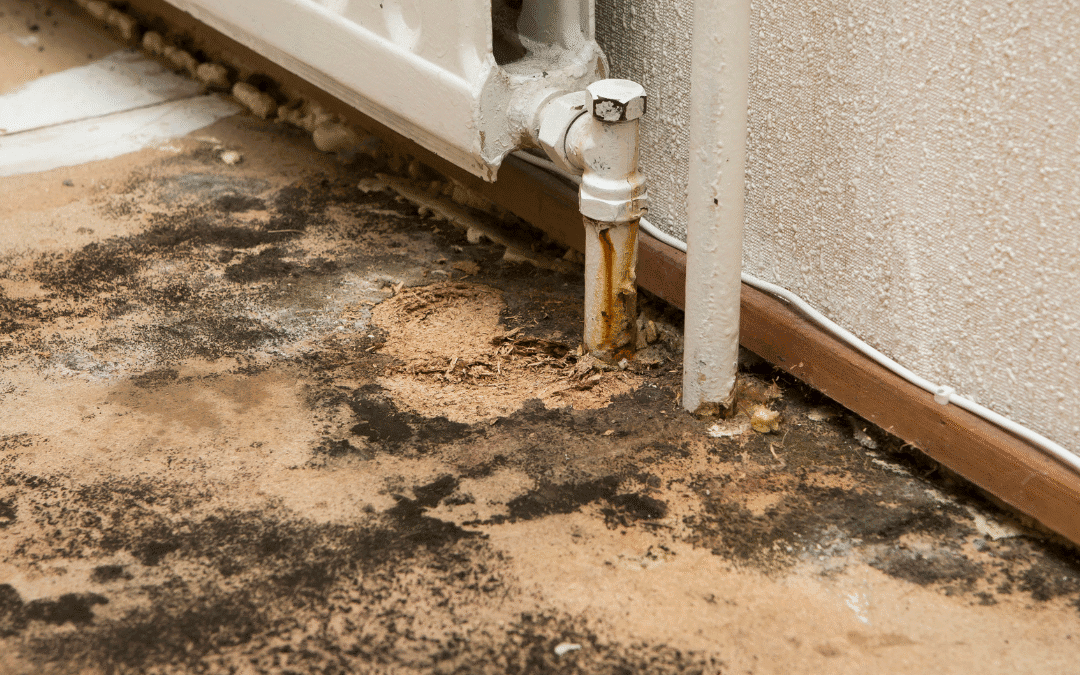
Proactive Steps for Ongoing Protection
Preventing moisture problems is an ongoing process. Regular inspections and maintenance can help you catch small issues before they escalate.
Monitor Humidity and Moisture
Use a hygrometer to track basement humidity levels. Ideally, keep relative humidity below 60% to discourage mold growth. Water leak detectors can provide early warnings if seepage occurs, allowing you to respond quickly.
Check Sump Pumps and Backup Systems
Test your sump pump at least twice a year to ensure it’s working properly. Consider installing a battery backup or water-powered backup system to keep your basement protected during power outages.
Address Mold and Mildew Promptly
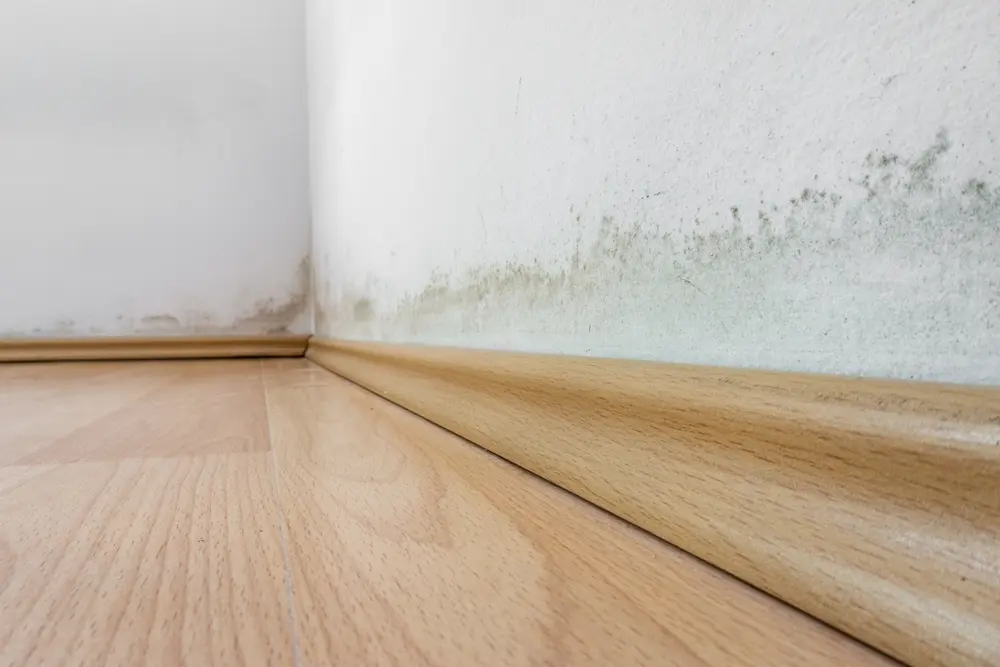
If you notice musty odors or visible mold, act quickly to clean and dry the affected area. Mold remediation may require professional help, especially if the problem is widespread.
When to Call a Professional
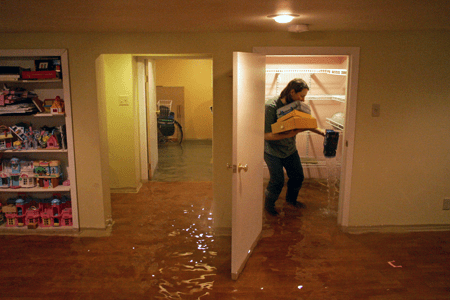
While many basement water seepage prevention techniques can be handled by homeowners, some situations require expert help. If you notice persistent leaks, foundation cracks, or signs of structural damage, consult a waterproofing specialist. Professionals can assess your home’s unique needs and recommend the most effective solutions, such as exterior excavation, advanced drainage systems, or foundation repairs.
Frequently Asked Questions
What is the most effective way to stop water from entering my basement?
The best approach combines exterior drainage improvements, such as proper grading and gutter maintenance, with interior waterproofing systems like sump pumps and perimeter drains. Addressing both outside and inside factors offers the strongest protection.
How can I tell if my basement is at risk for water seepage?
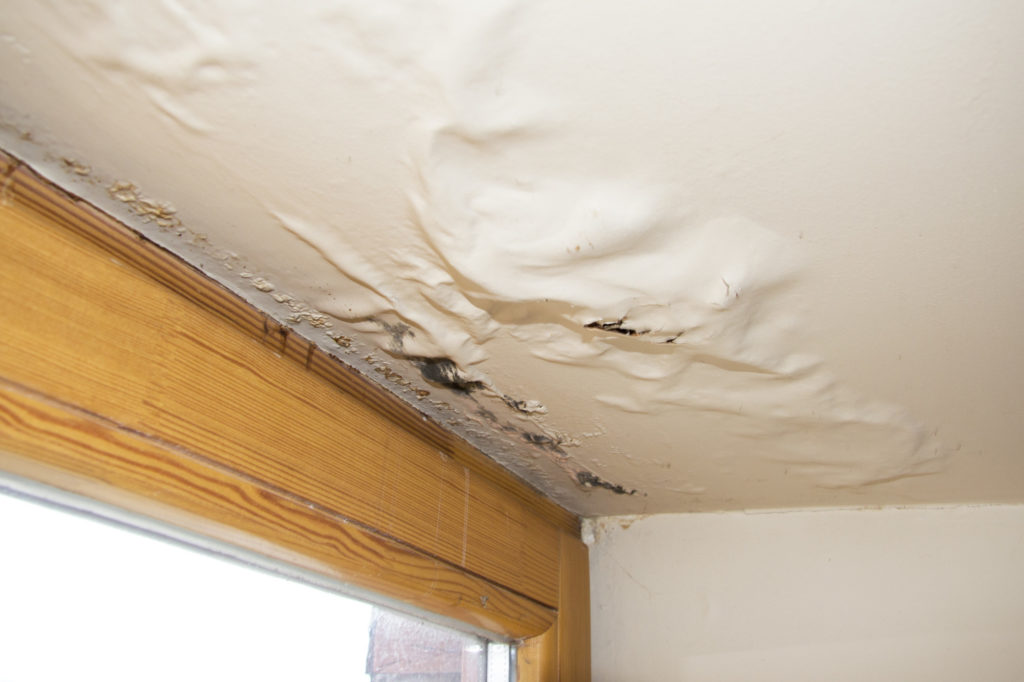
Warning signs include damp spots on walls or floors, musty odors, visible mold, peeling paint, or white mineral deposits (efflorescence). If you notice these, inspect your exterior drainage and consider installing monitoring devices.
Are DIY waterproofing products effective?
Many sealants and coatings can help with minor seepage, but they are not a substitute for addressing the underlying cause. For persistent or severe water issues, professional assessment and comprehensive solutions are recommended.
How often should I inspect my basement for moisture problems?
It’s wise to check your basement at least twice a year, especially after heavy rains or snowmelt. Regular maintenance of gutters, downspouts, and sump pumps will also help prevent issues.
Conclusion
Protecting your home from basement moisture is achievable with a combination of exterior and interior strategies. By staying proactive with maintenance and using proven basement water seepage prevention methods, you can safeguard your property, improve indoor air quality, and avoid costly repairs. For more home care advice, explore topics like how to store corn masa for pressing to keep your kitchen essentials fresh and ready for use.