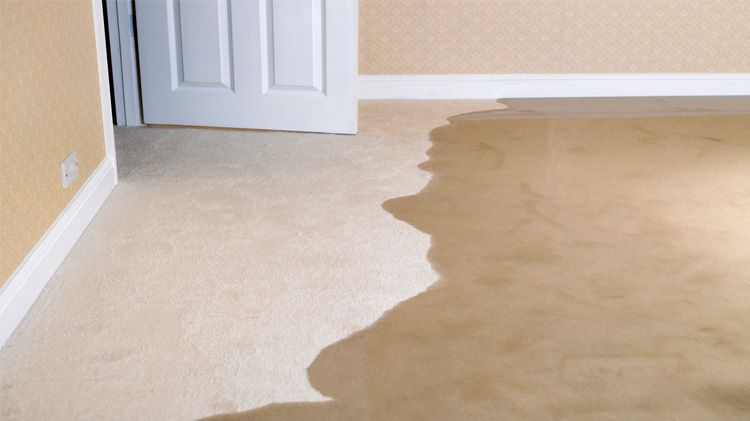
Managing humidity and dampness beneath your home is essential for a healthy, energy-efficient, and structurally sound living environment. Crawl space moisture control prevents mold, wood rot, and pest infestations, all of which can lead to costly repairs and health concerns. Homeowners often overlook this area, but with the right strategies, you can protect your property and improve indoor air quality.
Whether you’re dealing with musty odors, visible condensation, or just want to be proactive, understanding the causes and solutions for excess moisture is key. In this article, we’ll outline practical approaches, from simple DIY fixes to more comprehensive upgrades, so you can confidently address the challenges of a damp crawl space.
If you’re interested in maintaining other home tools, you might also find value in learning how to sanitize a cast iron press between cooking sessions.
Why Moisture Accumulates in Crawl Spaces
The area beneath your home is naturally prone to dampness due to its location and limited ventilation. Moisture can enter from several sources:
- Groundwater seepage through soil or foundation walls
- Condensation from warm air meeting cooler surfaces
- Plumbing leaks or drainage issues
- Inadequate vapor barriers or insulation
- Poor exterior grading that directs rainwater toward the foundation
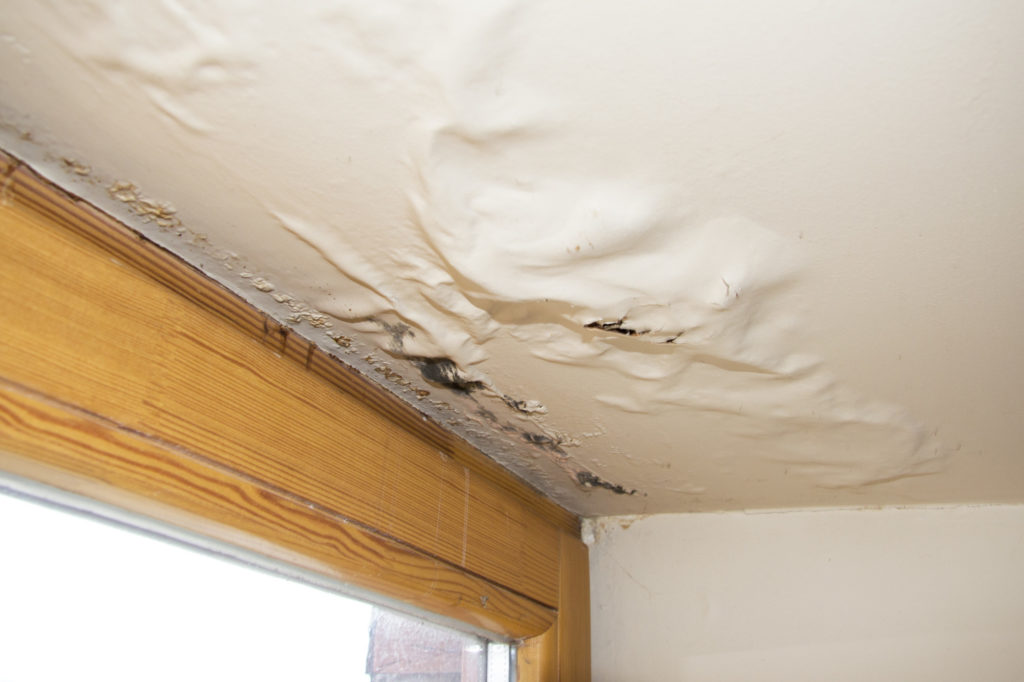
Over time, even small amounts of water can lead to persistent humidity, which encourages mold growth and attracts pests. Recognizing these sources is the first step in effective moisture management.
Assessing Crawl Space Conditions
Before making improvements, inspect your crawl space for signs of excess dampness. Look for:
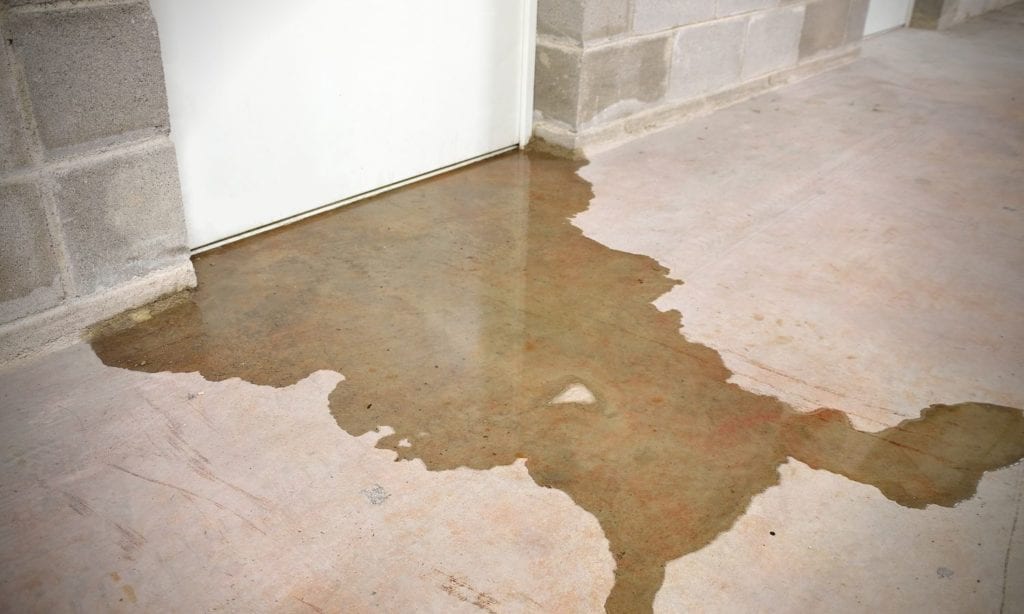
- Visible water or mud on the ground
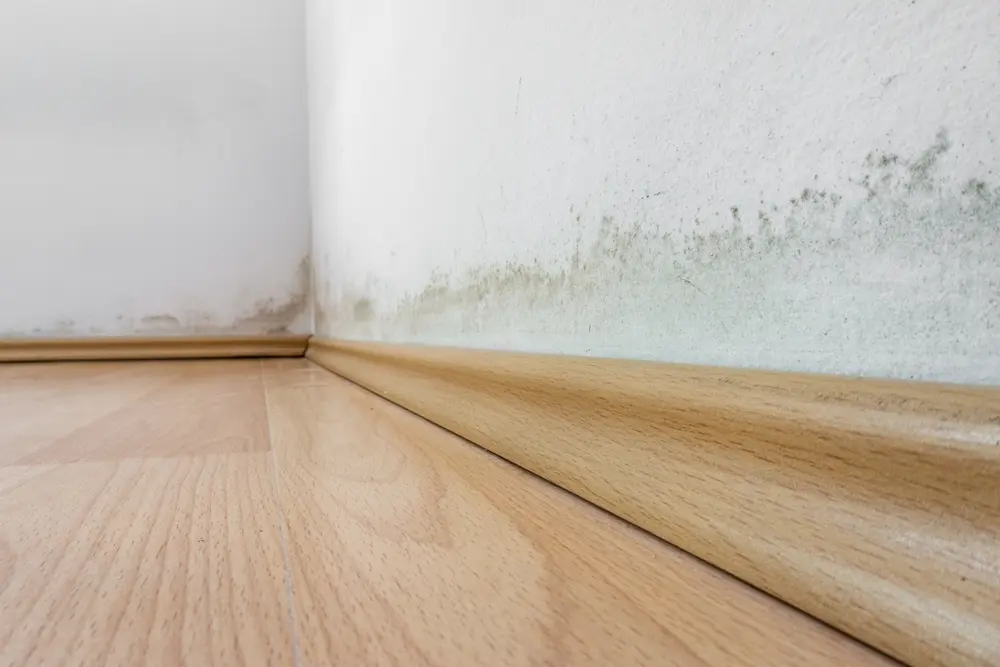
- Mold or mildew on wood or insulation
- Rust on pipes or HVAC components
- Musty odors rising into living areas
- Warped or rotting floor joists
Use a hygrometer to measure humidity levels. Ideally, relative humidity should stay below 60%. If you notice standing water or high readings, it’s time to take action.
Simple Steps for Crawl Space Moisture Reduction
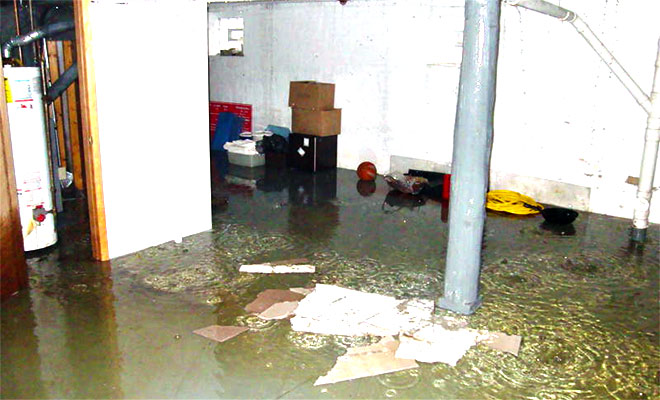
There are several straightforward methods to keep humidity in check. These can be performed by most homeowners and are effective for mild to moderate issues:
- Install a Vapor Barrier: Laying thick plastic sheeting (at least 6-mil) over the soil blocks ground moisture from rising. Overlap seams and tape them securely for best results.
- Improve Ventilation: Open or add vents to promote air circulation, but only if your region’s climate supports vented crawl spaces. In humid climates, sealing vents and using a dehumidifier may be better.
- Seal Gaps and Cracks: Use caulk or foam to close openings around pipes, ducts, and foundation walls to prevent humid air from entering.
- Direct Water Away from Foundation: Ensure gutters and downspouts channel rainwater at least 6 feet from the house. Adjust landscaping so the ground slopes away from the foundation.
- Monitor for Leaks: Regularly check plumbing and HVAC lines for drips. Early detection can prevent major water issues.
Advanced Solutions for Persistent Moisture
If basic measures aren’t enough, more robust options may be necessary:
- Encapsulation: This involves sealing the entire crawl space—floors, walls, and sometimes ceilings—with a heavy-duty vapor barrier. It’s often paired with a dehumidifier for maximum effectiveness.
- Dehumidification: Installing a crawl space-specific dehumidifier helps maintain optimal humidity levels year-round.
- Sump Pump Installation: For areas prone to flooding, a sump pump removes standing water quickly and efficiently.
- Insulation Upgrades: Rigid foam board or spray foam insulation on walls can reduce condensation and energy loss.
These improvements may require professional installation, but they offer long-term protection and can increase your home’s value.
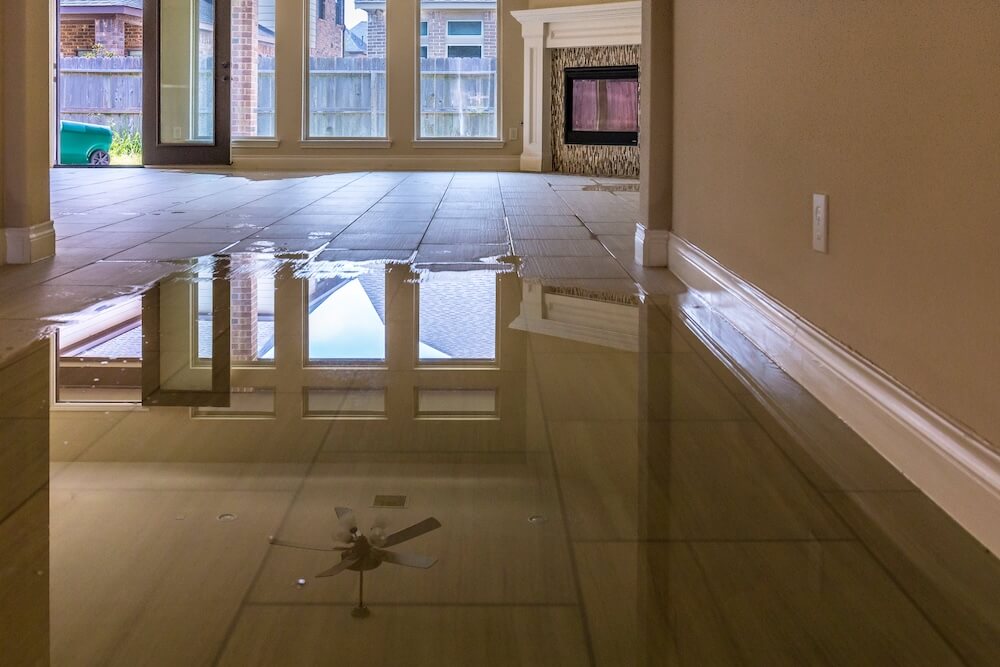
Preventing Water Intrusion and Flooding
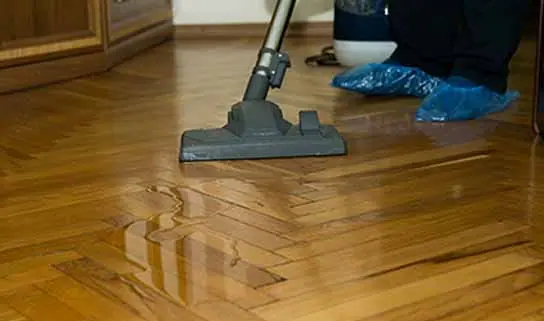
Keeping water out is the foundation of any crawl space moisture control strategy. Here are some additional tips:
- Maintain Gutters and Downspouts: Clean them regularly to prevent overflow and pooling near your foundation.
- Check Exterior Grading: Soil should slope away from your home to direct rainwater outward.
- Install French Drains: These underground systems collect and divert water before it can reach your crawl space.
- Use Water Leak Detectors: Place sensors in vulnerable areas to receive early warnings of leaks or flooding.
For more detailed advice on protecting your home from water damage, see this comprehensive guide to flood prevention.
Maintaining a Healthy Crawl Space Environment
Once you’ve addressed the main sources of dampness, ongoing maintenance is crucial. Here’s what you can do:
- Inspect Regularly: Check for new leaks, standing water, or signs of mold every few months.
- Test Humidity: Use a hygrometer to monitor moisture levels and adjust your approach if needed.
- Service Equipment: Clean and maintain dehumidifiers, sump pumps, and leak detectors to ensure they function properly.
- Address Issues Promptly: Fix any problems as soon as they arise to prevent escalation.
By staying proactive, you can avoid the most common pitfalls and enjoy a safer, more comfortable home.
FAQ: Crawl Space Moisture and Prevention
What are the health risks of a damp crawl space?
Excess moisture can lead to mold and mildew growth, which may trigger allergies, asthma, and respiratory problems. It can also attract pests and contribute to wood rot, compromising your home’s structure.
How often should I check my crawl space for moisture?
It’s best to inspect your crawl space at least twice a year—ideally in spring and fall. After heavy rains or plumbing repairs, check more frequently to catch issues early.
Is it better to ventilate or seal my crawl space?
The right approach depends on your climate. In humid areas, sealing and dehumidifying is usually more effective. In dry climates, controlled ventilation can help. Consult a local expert for recommendations tailored to your region.
For more home care tips, you might also be interested in how to store corn masa for pressing to maintain freshness in your kitchen.