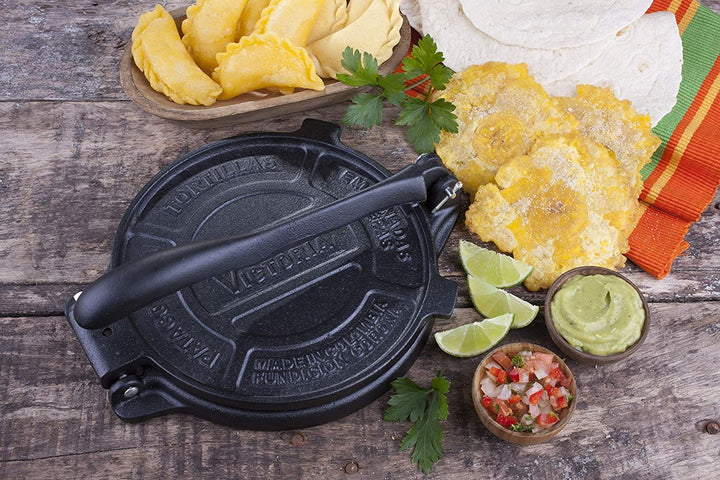
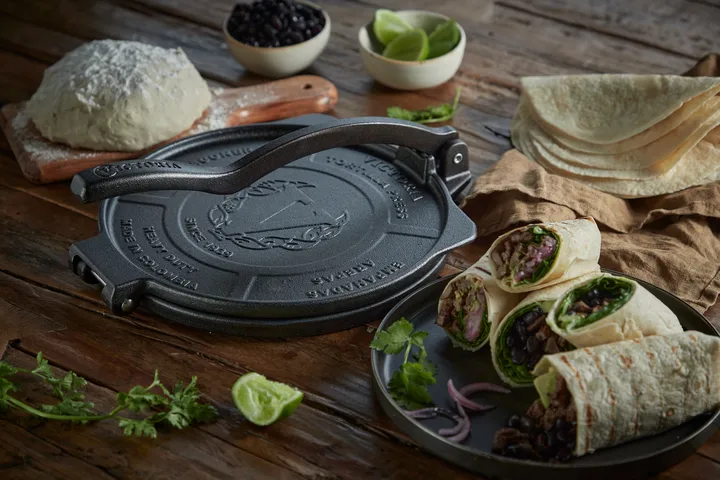
Learning how to season cast iron for the first time is an essential step for anyone who wants to enjoy the benefits of this durable cookware. Proper seasoning not only prevents rust but also creates a natural, non-stick surface that improves with each use. Whether you’re preparing a tortilla press, skillet, or griddle, understanding the basics of seasoning will help you get the most out of your cast iron for years to come.
This guide covers the tools and oils you’ll need, a step-by-step process for seasoning, and tips for maintaining your cookware. If you’re also interested in keeping your cast iron clean and safe between uses, check out our advice on how to sanitize a cast iron press for more detailed maintenance tips.
Why Seasoning Cast Iron Matters
Seasoning is the process of bonding a layer of oil to the surface of your cast iron cookware through heat. This layer acts as a protective barrier against moisture, preventing rust and creating a slick, easy-release cooking surface. Unlike synthetic non-stick coatings, a well-seasoned cast iron pan is safe, durable, and can last for generations with proper care.
For those new to cast iron, it’s important to note that seasoning is not a one-time event. The more you cook with your pan, especially with oils and fats, the better the seasoning becomes. However, the initial seasoning is crucial for setting up your cookware for success.
Gathering Supplies for Your First Seasoning
Before starting, make sure you have the following:
- Cast iron cookware (skillet, tortilla press, griddle, etc.)
- High-smoke-point oil (flaxseed, grapeseed, canola, or vegetable oil work well)
- Paper towels or lint-free cloth
- Aluminum foil (to protect your oven)
- Oven or stovetop
Choosing the right oil is important. Oils with a high smoke point are best because they polymerize effectively, forming a hard, durable layer. Flaxseed oil is popular for its ability to create a strong seasoning, but other neutral oils work well too.
Step-by-Step Instructions: First-Time Cast Iron Seasoning
Follow these steps to ensure your cookware is properly seasoned from the start:
- Wash and Dry Thoroughly: Even if your new cast iron looks clean, wash it with warm water and a small amount of mild soap. Scrub away any factory residue or dust. Rinse and dry completely. Water left on the surface can cause rust, so use a towel and, if possible, heat the pan briefly on the stove to evaporate any remaining moisture.
- Apply a Thin Layer of Oil: Pour a small amount of oil onto the cookware. Using a paper towel or cloth, rub the oil over the entire surface—inside, outside, and handle. Wipe away any excess oil so only a very thin, even layer remains. Too much oil can cause a sticky finish.
- Bake the Cookware: Place a sheet of aluminum foil on the lower rack of your oven to catch drips. Put the oiled cast iron upside down on the middle rack. Bake at 450–500°F (230–260°C) for one hour. This high heat bonds the oil to the metal, creating the first layer of seasoning.
- Cool and Repeat: After an hour, turn off the oven and let the cookware cool inside. For best results, repeat the oiling and baking process 2–3 times. Each layer strengthens the non-stick surface and improves durability.
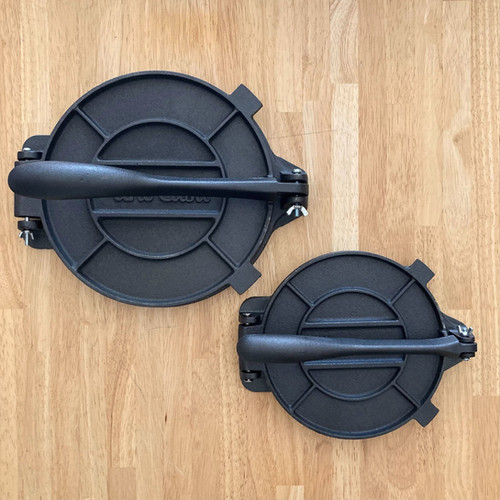
This method works for all types of cast iron, including tortilla presses. For more on using and caring for tortilla presses, see our guide on how to press tortillas for chilaquiles.
Maintaining Your Seasoned Cast Iron
Once you’ve completed the initial seasoning, regular maintenance will keep your cookware performing at its best. Here are some key tips:
- Clean promptly after use: While the pan is still warm, wipe away food residue with a paper towel or use a brush and hot water. Avoid soaking or using harsh detergents.
- Dry thoroughly: Always dry your cast iron immediately to prevent rust. You can place it on a warm burner for a few minutes to ensure all moisture evaporates.
- Apply a light coat of oil: After cleaning and drying, rub a small amount of oil onto the surface. This helps maintain the seasoning and protects against rust.
- Store in a dry place: Keep your cookware in a well-ventilated area. If stacking, place a paper towel between pans to absorb moisture.
If you notice dull spots or minor rust, simply repeat the seasoning process as needed. Over time, your cast iron will develop a smooth, glossy patina that enhances cooking performance.
Common Mistakes to Avoid When Seasoning Cast Iron
Even with clear instructions, beginners sometimes run into issues. Here are some common pitfalls to watch out for:
- Using too much oil: Excess oil can create a sticky, uneven surface. Always wipe away all but a thin layer before baking.
- Skipping the drying step: Moisture is the enemy of cast iron. Make sure your cookware is completely dry before applying oil.
- Not baking at a high enough temperature: Lower oven temperatures may not fully bond the oil to the metal, resulting in a weak seasoning.
- Neglecting regular maintenance: Even a well-seasoned pan can rust if not cared for. Clean, dry, and oil your cookware after each use.
For more on keeping your masa and tortillas fresh and ready for pressing, see our tips on how to store corn masa for pressing.
Tips for Using Your Seasoned Cast Iron
Once your pan or press is seasoned, you’re ready to start cooking. Here are a few practical suggestions:
- Preheat before use: Cast iron heats slowly but retains heat well. Always preheat for even cooking.
- Cook with fats: Foods high in oil or fat help build up the seasoning layer. Avoid acidic foods (like tomatoes) until your pan is well-seasoned.
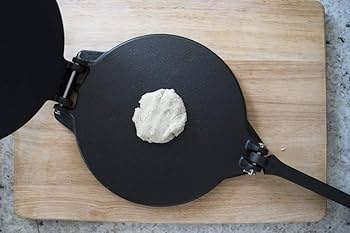
- Try new recipes: Seasoned cast iron is perfect for tortillas, flatbreads, and more. For inspiration, see this guide to using a tortilla press for homemade tortillas.
- Experiment with different cookware: The same seasoning process applies to skillets, griddles, and presses. Each piece will improve with regular use.
If you’re interested in expanding your flatbread repertoire, discover how to use your tortilla press for other breads in our article on how to use a tortilla press for naan.
Frequently Asked Questions
How often should I season my cast iron cookware?
For new pans, it’s best to season them 2–3 times before first use. After that, regular cooking with oil will naturally maintain the seasoning. If you notice food sticking or dull spots, repeat the seasoning process as needed.
Can I use olive oil for seasoning?
While olive oil can be used, it has a lower smoke point and may not create as durable a layer as other oils. For best results, choose oils like flaxseed, grapeseed, or canola that can withstand higher temperatures.
What should I do if my cast iron rusts?
If you spot rust, scrub the affected area with steel wool or a stiff brush, rinse, dry thoroughly, and repeat the seasoning process. Regular maintenance will help prevent rust from returning.
Conclusion
Getting started with cast iron is straightforward when you follow the right steps. By seasoning your cookware properly, maintaining it after each use, and avoiding common mistakes, you’ll enjoy a naturally non-stick, rust-resistant surface that only gets better with time. Explore more tips and troubleshooting advice, such as why do tortillas shrink after pressing, to make the most of your kitchen tools. With a little care, your cast iron will serve you well for years to come.