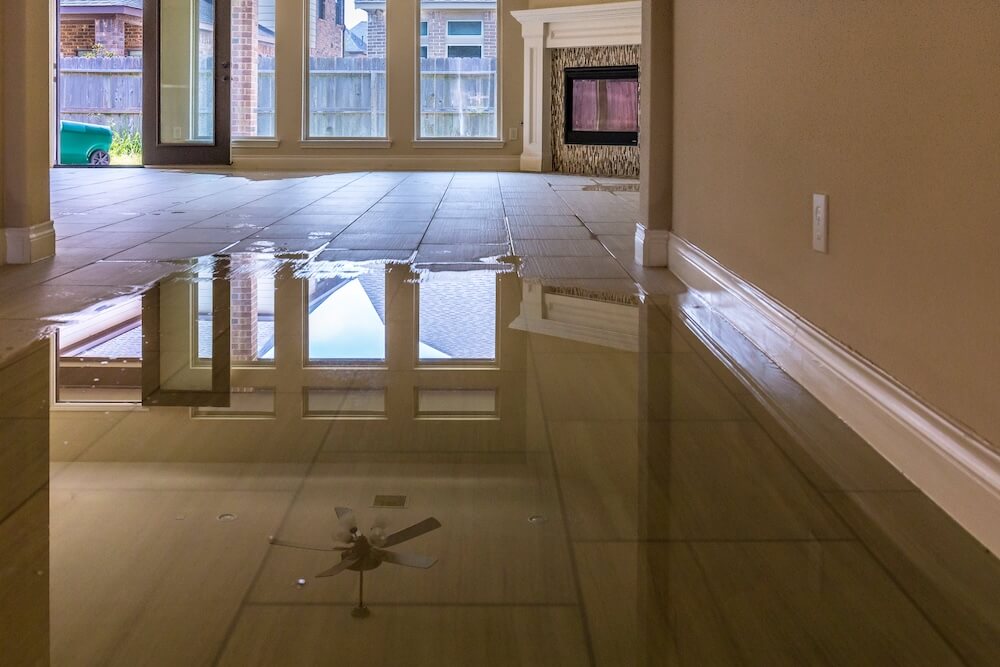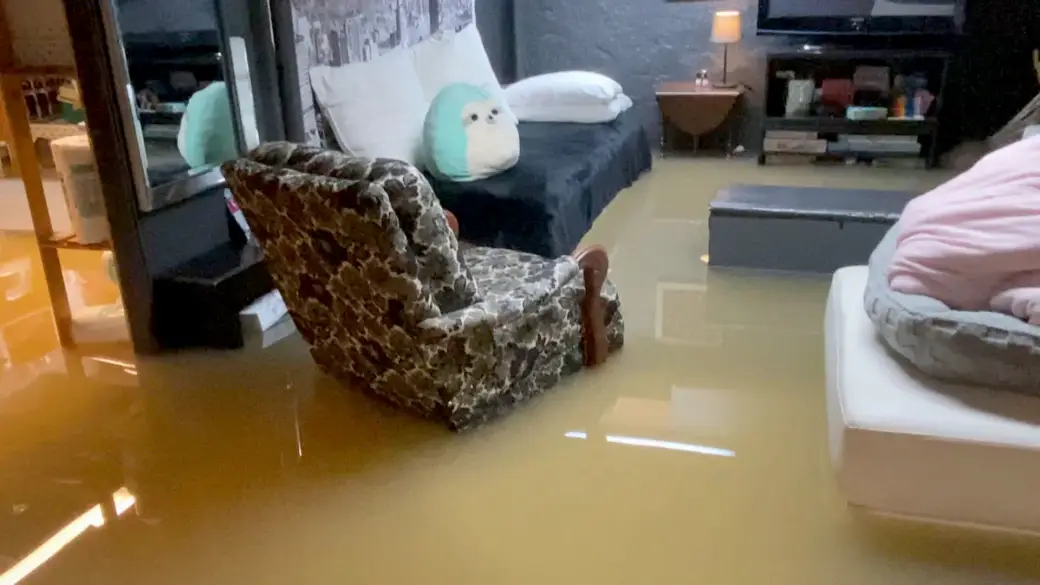
A damp or flooded basement can cause significant problems for homeowners, from structural damage to mold growth and ruined belongings. Understanding the most effective basement waterproofing methods is essential for protecting your home and maintaining a healthy living environment. Whether you’re dealing with minor seepage or recurring water issues, choosing the right approach can make all the difference in preventing costly repairs and maintaining property value.
In this article, we’ll break down the leading solutions for keeping basements dry, highlight their pros and cons, and offer practical tips for long-term moisture control. If you’re interested in related home maintenance topics, you might also find our guide on how to sanitize a cast iron press useful for keeping your tools and spaces clean.
Why Basement Moisture Is a Serious Problem
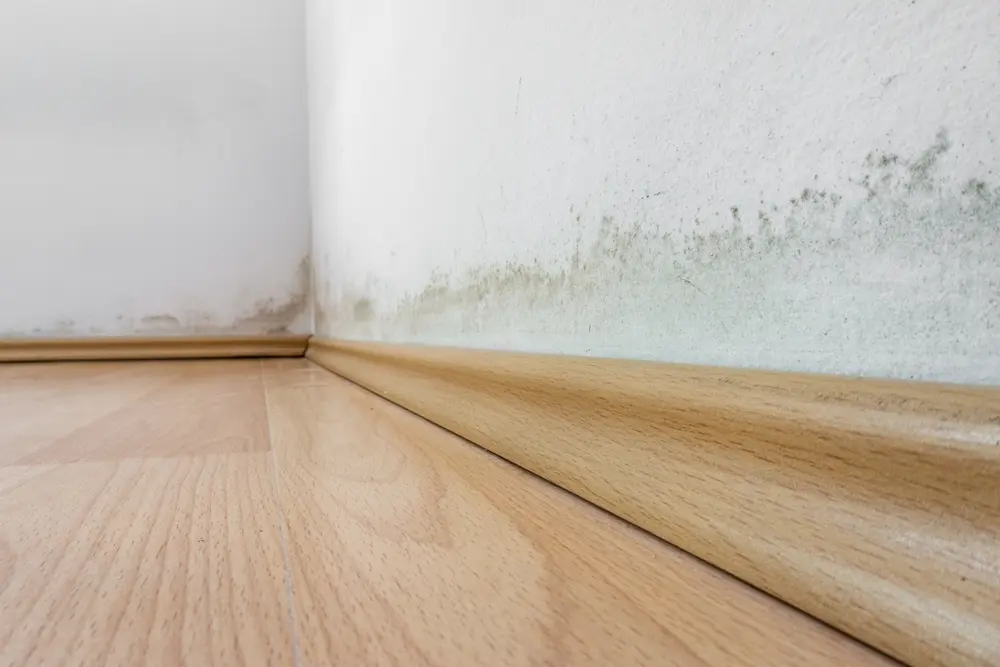
Water intrusion in basements isn’t just an inconvenience—it can lead to structural deterioration, foundation cracks, and persistent mold or mildew. Over time, even small leaks can compromise the integrity of your home’s foundation. Moisture also creates an ideal environment for pests and can degrade insulation, drywall, and flooring.
Addressing these issues early with proven basement waterproofing techniques is the best way to avoid expensive restoration work and ensure your basement remains a safe, usable space.
Interior Basement Waterproofing Solutions
Interior approaches focus on managing water that has already entered or is likely to enter the basement. These solutions are often less invasive and can be more affordable than exterior methods, making them a popular choice for many homeowners.
Sealants and Waterproof Coatings
Applying waterproof paints or sealants to basement walls and floors can help block minor seepage. These products are designed to create a moisture barrier and are best used for small cracks or porous concrete surfaces.
- Pros: Easy to apply, cost-effective for minor issues, minimal disruption.
- Cons: Not suitable for major leaks or structural cracks, may require reapplication over time.
Interior Drainage Systems
For ongoing water problems, installing an interior drainage channel along the perimeter of the basement floor can be highly effective. This system collects water and directs it to a sump pump, which then expels it away from the home.
- Pros: Reliable for managing persistent leaks, works well with sump pumps, can be installed in finished basements.
- Cons: Installation can be disruptive, does not stop water from entering foundation walls.

Sump Pump Installation
A sump pump is a key component in many basement waterproofing methods. It collects water from drainage systems and pumps it safely away from your foundation. Modern sump pumps often include battery backups to ensure operation during power outages.
- Pros: Effective for high water tables, protects against flooding, can be combined with alarms and sensors.
- Cons: Requires electricity, regular maintenance needed, installation costs can vary.
Exterior Waterproofing Techniques
Exterior solutions address water before it enters the basement, providing a more comprehensive barrier against moisture. These methods are often more durable but may involve significant excavation and higher upfront costs.
Excavation and Exterior Membranes
The most robust approach involves excavating around the foundation and applying a waterproof membrane or coating to the exterior walls. This creates a physical barrier that prevents water from penetrating the concrete.
- Pros: Long-lasting protection, addresses the root cause, suitable for severe water issues.
- Cons: Expensive, disruptive to landscaping, requires professional installation.
Exterior Drainage Systems (French Drains)
Installing a French drain or exterior footing drain helps redirect groundwater away from the foundation. These drains consist of perforated pipes surrounded by gravel, channeling water away before it can reach basement walls.
- Pros: Reduces hydrostatic pressure, works well with exterior membranes, effective for sloped properties.
- Cons: Installation is labor-intensive, may require periodic maintenance.

Improving Exterior Grading and Gutters
Sometimes, simple landscaping adjustments can make a significant difference. Ensuring soil slopes away from your foundation and maintaining clean, functional gutters and downspouts helps prevent water from pooling near the basement walls.
- Pros: Low cost, easy to implement, reduces risk of water intrusion.
- Cons: May not solve severe water problems on its own, requires regular upkeep.
Additional Moisture Control Strategies
In addition to the main basement waterproofing methods, there are several supplementary steps you can take for added protection:
- Install a dehumidifier to control humidity and prevent mold growth.
- Use water leak detectors for early warning of leaks or flooding.
- Seal windows and doors with weatherstripping or caulk.
- Store valuables and electronics off the floor or in waterproof containers.
For more ideas on resilient home design, check out this comprehensive guide to flood-resistant home design.
Choosing the Right Waterproofing Approach
The best solution depends on your specific situation. Minor seepage may only require interior sealants, while persistent leaks or high water tables could call for a combination of drainage systems and exterior membranes. Consulting a professional can help you assess the source of moisture and determine the most effective plan.
Remember, proactive maintenance and regular inspections are key to preventing future problems. Investing in quality waterproofing now can save you significant time, money, and stress down the road.
Frequently Asked Questions
What is the most effective way to waterproof a basement?
The most effective approach typically combines exterior waterproofing (such as membranes and French drains) with interior drainage and sump pump systems. The right combination depends on the severity and source of your water issues.
Can I waterproof my basement myself, or should I hire a professional?
Homeowners can apply sealants and improve grading themselves for minor issues. However, extensive waterproofing—especially exterior excavation or drainage installation—is best handled by professionals to ensure long-term results.
How can I tell if my basement needs waterproofing?
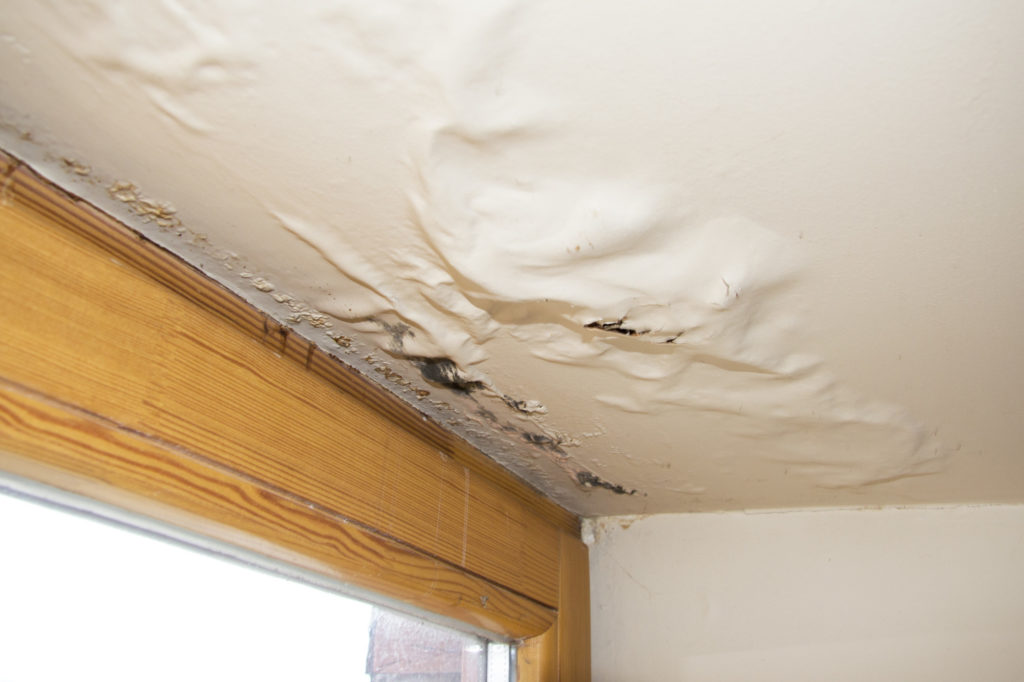
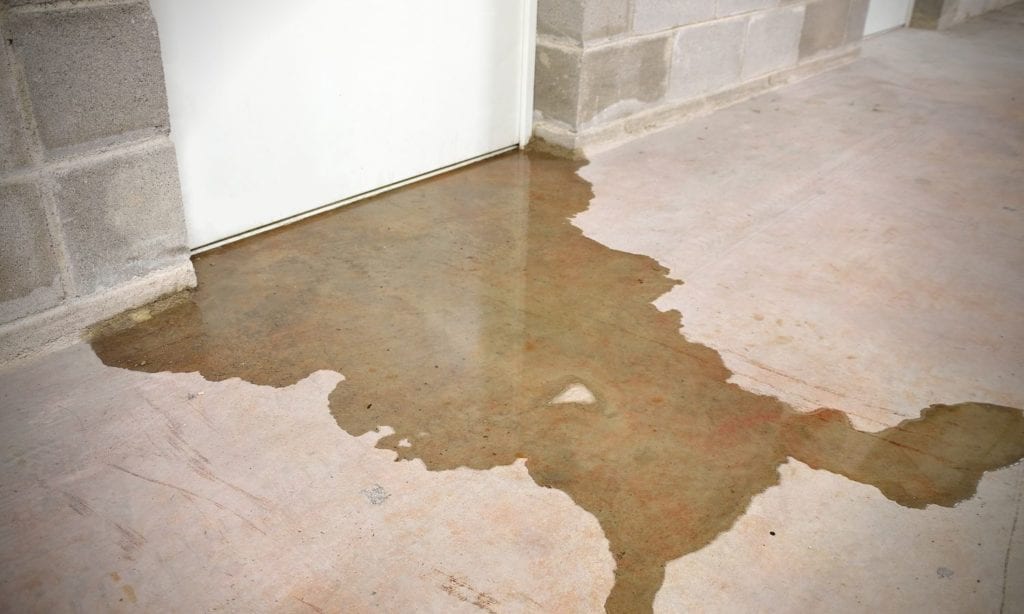
Signs include visible water stains, musty odors, mold growth, peeling paint, or standing water after heavy rain. If you notice any of these, it’s wise to investigate waterproofing solutions before the problem worsens.